Artwork
Augustin de Thou
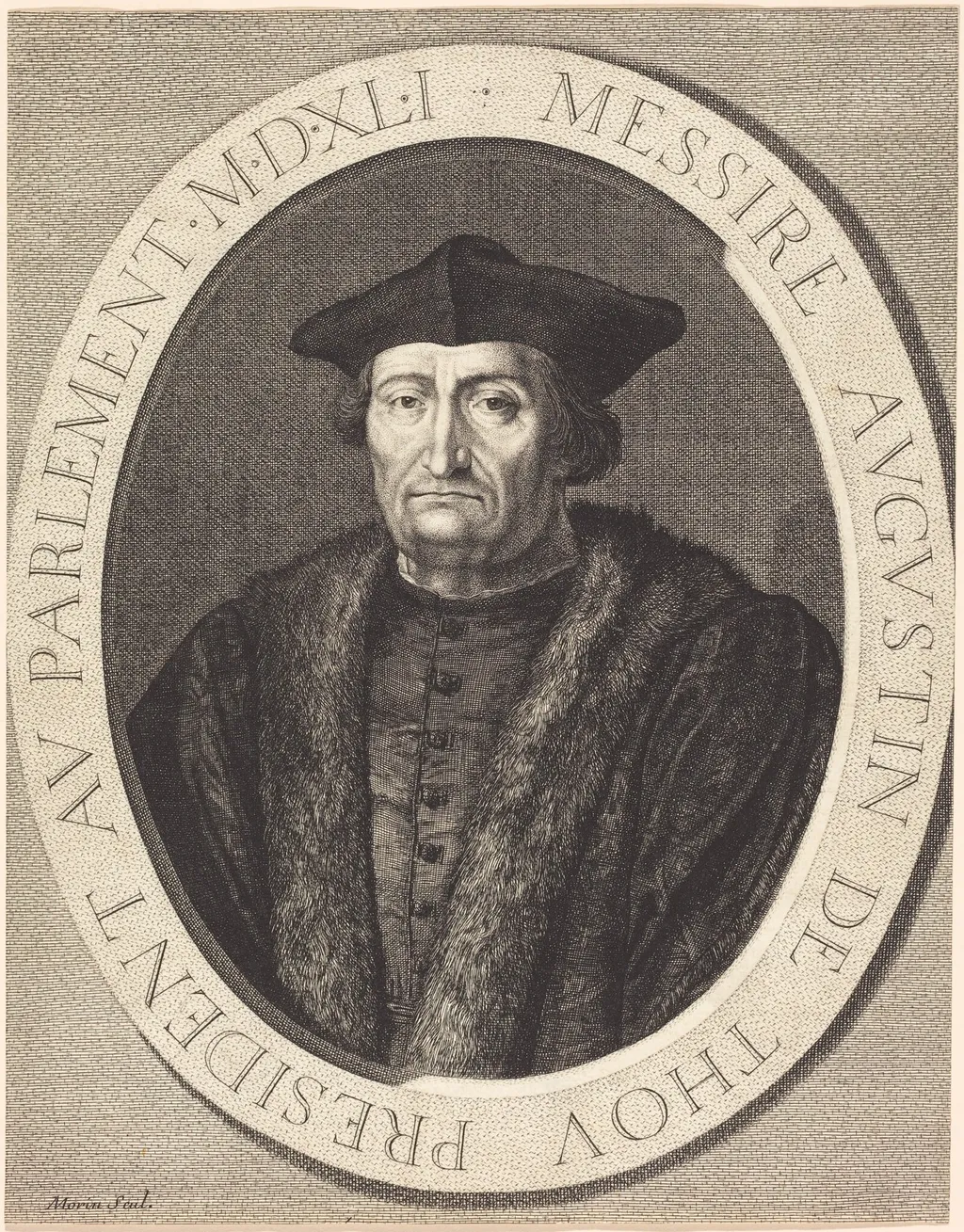
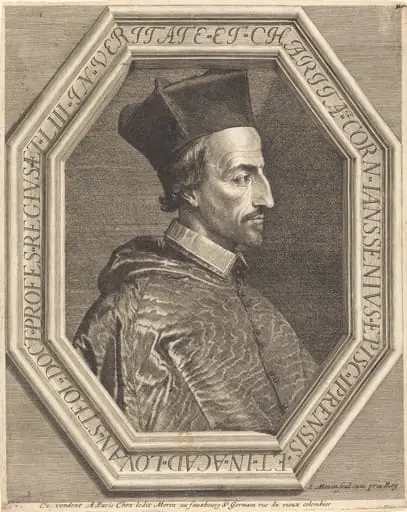
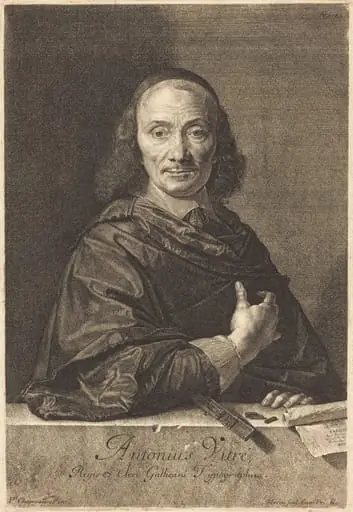
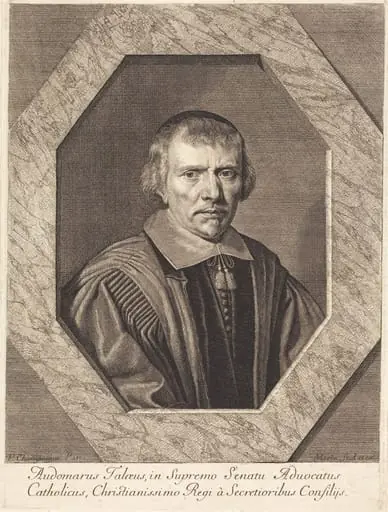
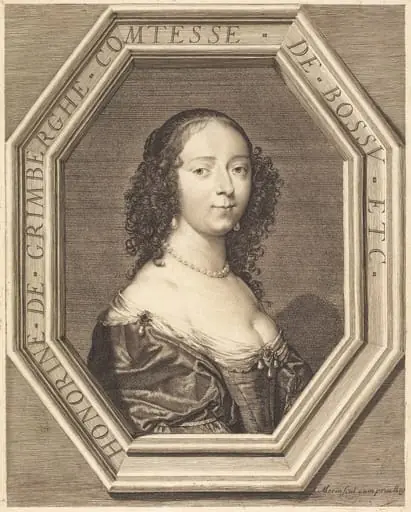
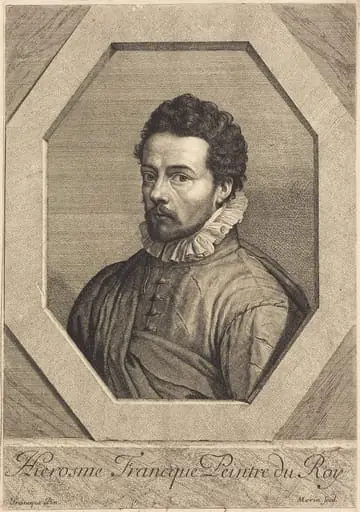
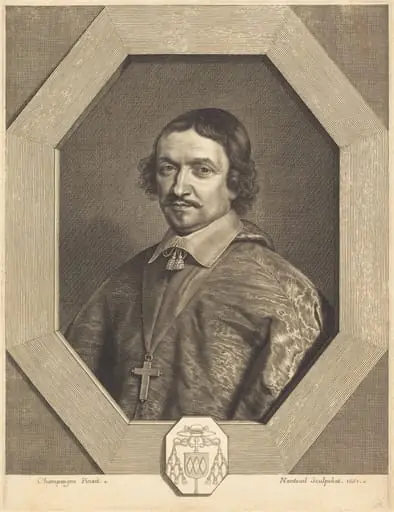
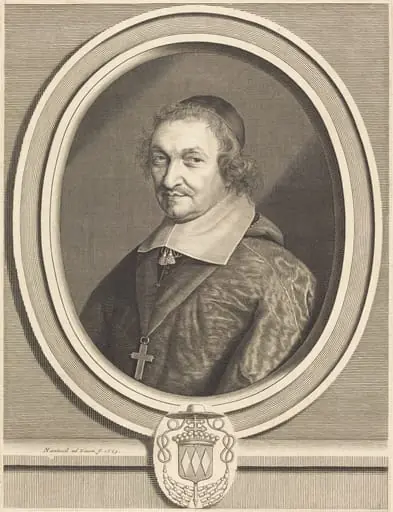
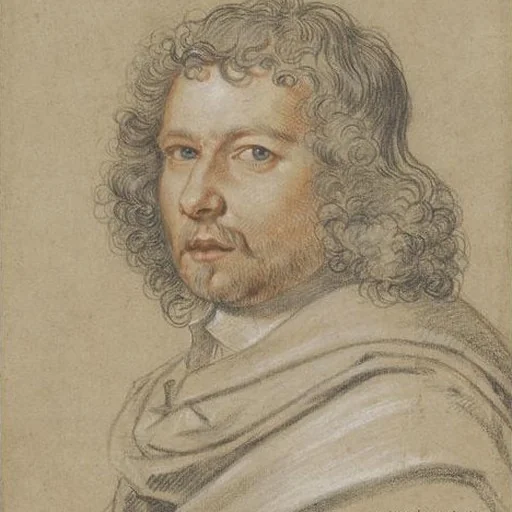
Augustin de Thou is an ink print by the Baroque artist Jean Morin. It dates from 1625 and is held in the collection of the National Gallery of Art.
About this work
Overview
This print is one of several produced during a period when engraved portraits served as both personal mementos and markers of social status among French elites.
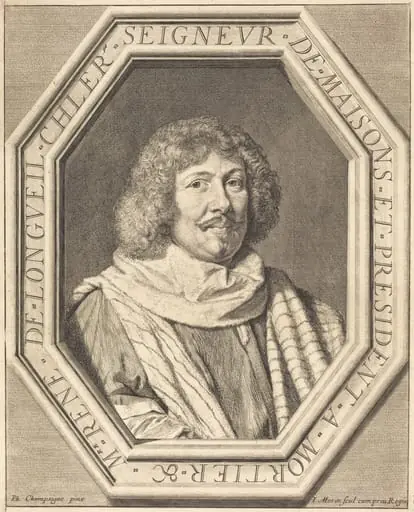
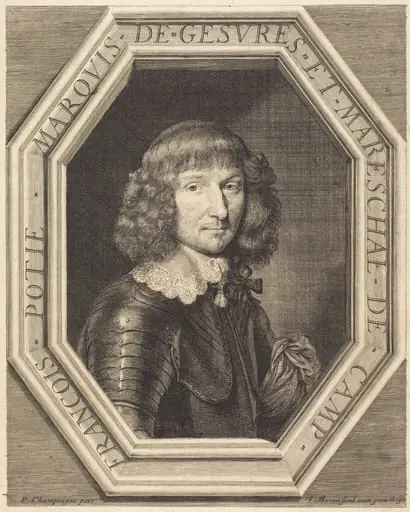
Jean Morin created a portrait of Augustin de Thou in 1625 using a combination of etching and engraving on a single copper plate. As a French printmaker and publisher active in the early 17th century, Morin specialized in refining portraiture through layered intaglio techniques. This print is one of several produced during a period when engraved portraits served as both personal mementos and markers of social status among French elites.
Subject & Meaning
Augustin de Thou was a prominent French historian, magistrate, and statesman whose writings shaped early modern understandings of French political history. The portrait captures him in formal attire, reflecting his institutional authority and intellectual standing. His expression is restrained, aligning with contemporary ideals of gravitas and decorum expected of public figures, emphasizing dignity over individual emotion.
Technique & Style
Morin employed etching for soft tonal gradations and engraving for precise linear definition, blending both to achieve depth and texture. The fine lines of the collar and hair contrast with the atmospheric shading of the background, demonstrating mastery of intaglio methods. The composition follows the conventions of early 17th-century portraiture: centered figure, neutral backdrop, and attention to fabric detail to convey status.
History & Provenance
The print was produced shortly after de Thou’s rise to prominence in the French judiciary and historiography. It likely circulated among scholarly and legal circles, reinforcing his public image. While specific early ownership records are sparse, surviving impressions are held in major European print collections, indicating its continued relevance in the decades following its creation.
Context
In early 17th-century France, printed portraits were vital tools for disseminating the likenesses of influential figures beyond courtly circles. Morin’s work reflects the growing demand for accurate, reproducible images tied to intellectual and political authority. This print aligns with broader trends in French print culture, where etching and engraving were increasingly used to document public figures with scholarly precision.
Legacy
Morin’s portrait of de Thou remains a key example of French printmaking at the intersection of art and documentation. It preserves the visual identity of a major historical figure and exemplifies the technical sophistication of early Baroque printmaking. Though not widely reproduced today, it continues to inform studies of early modern portraiture and the role of print in shaping public perception.
Artist & collection
Artist
Jean Morin (c.1595 or 1605 – 1650) was a French baroque painter, printmaker, painter, etcher, engraver and publisher.