Artwork
Francois Potier, marquis de Gevres
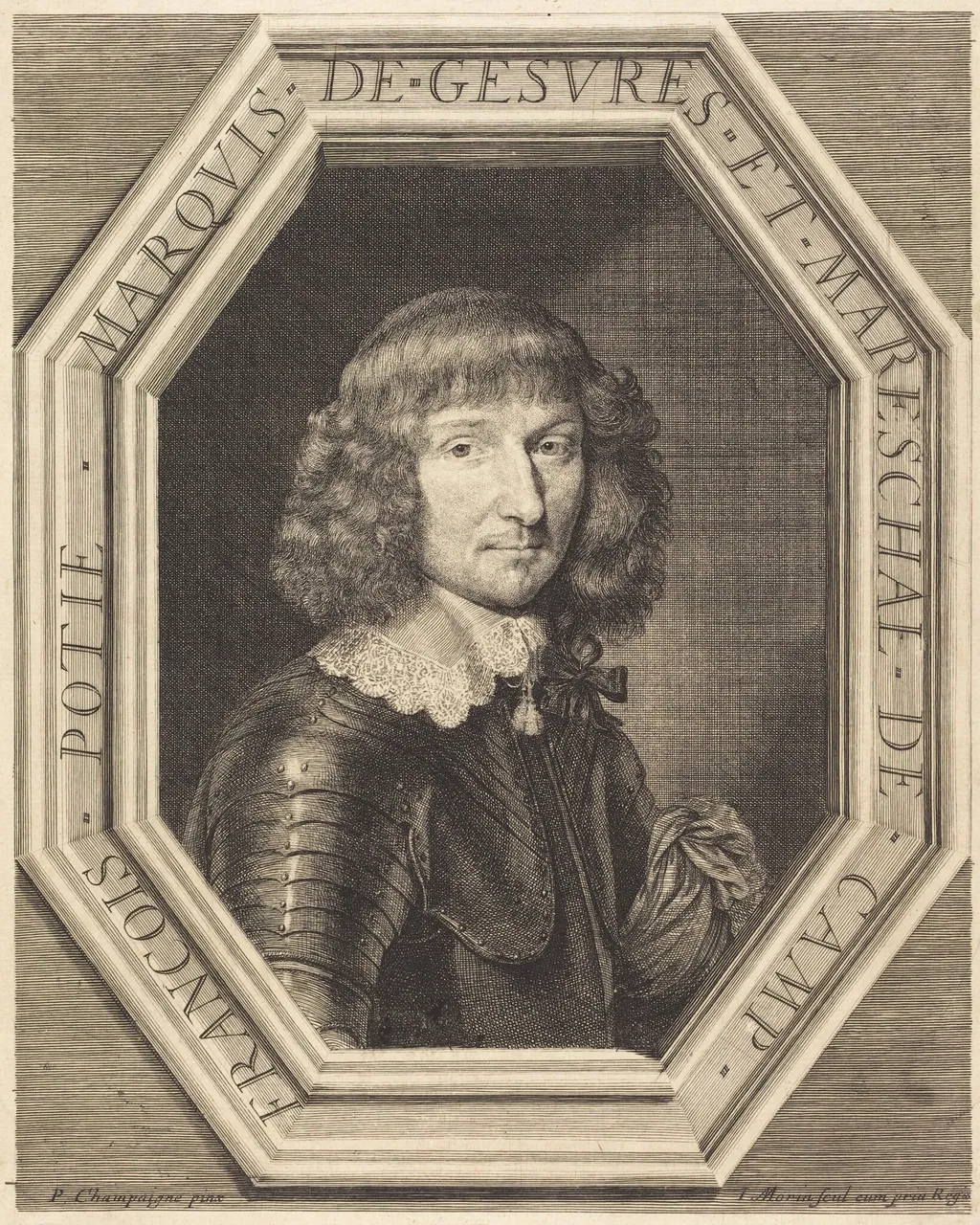
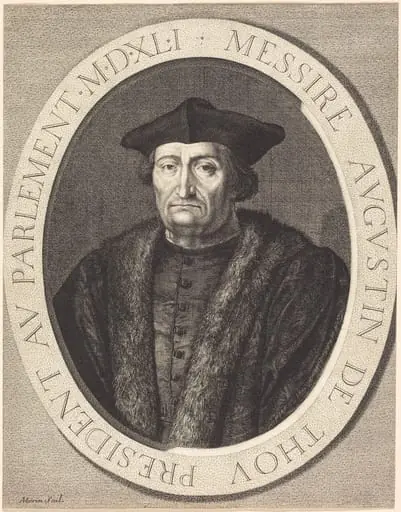
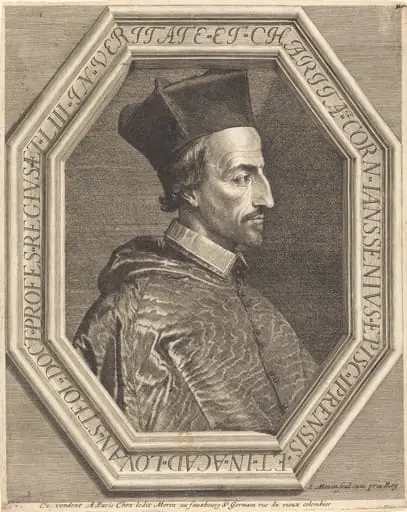
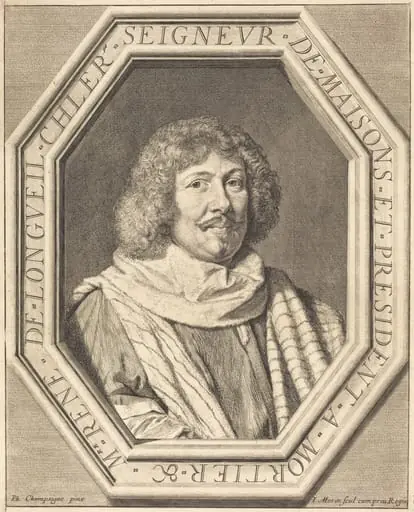
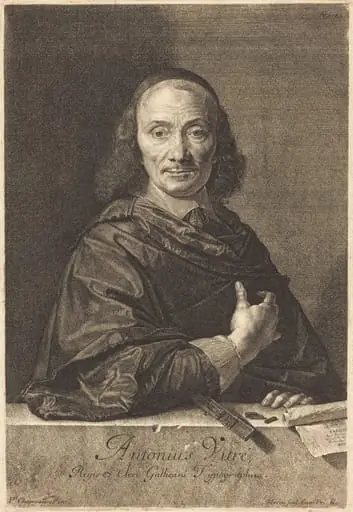
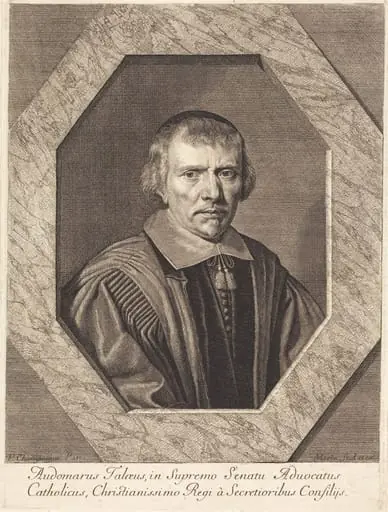
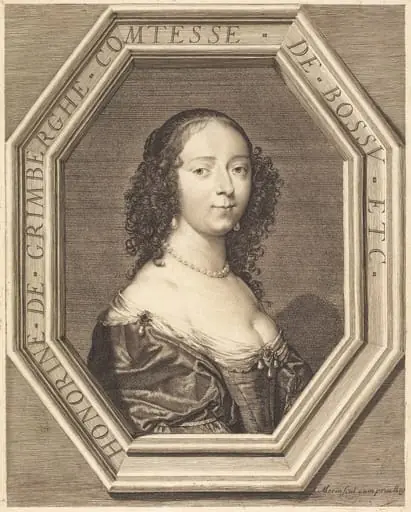
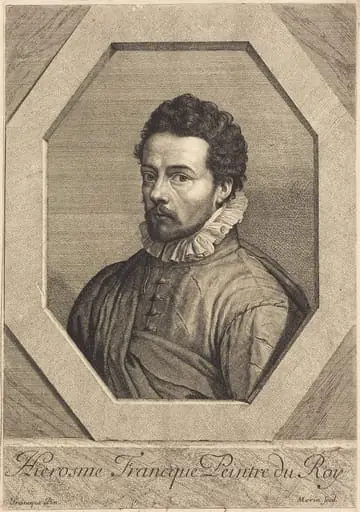
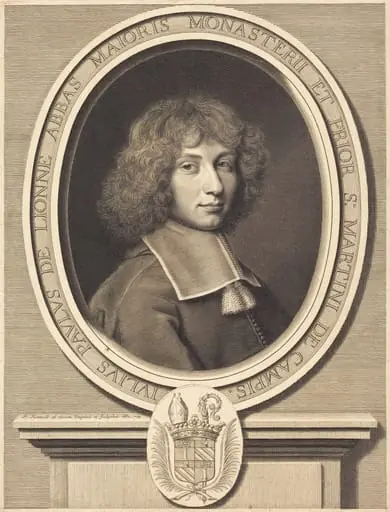
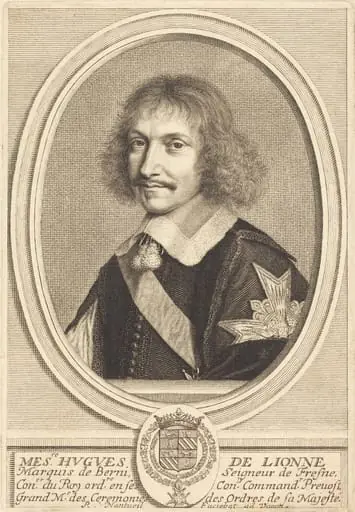
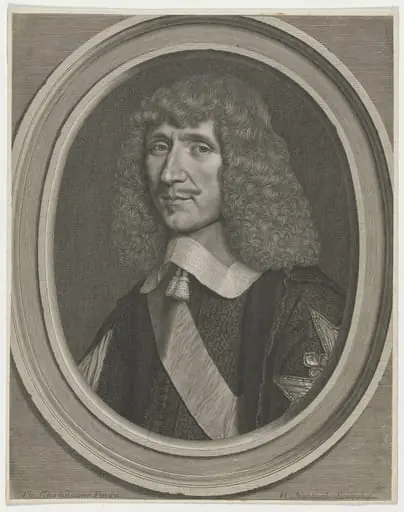
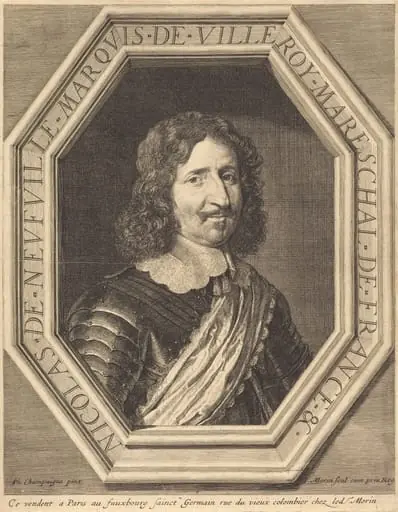
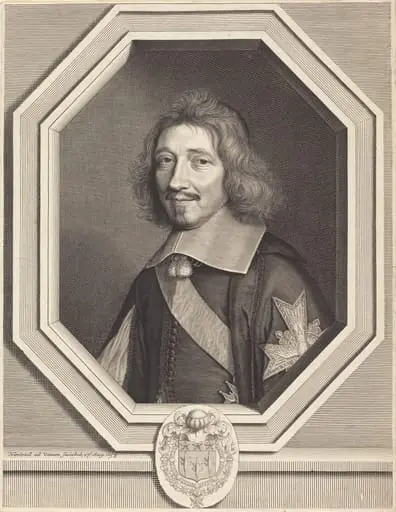
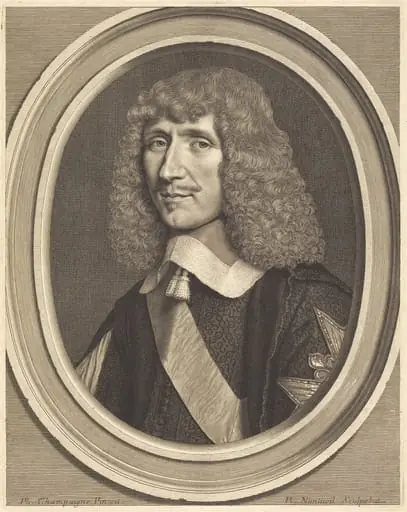
Francois Potier, marquis de Gevres is an ink print by the Baroque artist Jean Morin. It dates from 1625 and is held in the collection of the National Gallery of Art.
About this work
Overview
This 1625 print by Jean Morin depicts François Potier, marquis de Gèvres, rendered through a combination of etching, engraving, and stippling.
This 1625 print by Jean Morin depicts François Potier, marquis de Gèvres, rendered through a combination of etching, engraving, and stippling. Executed on laid paper, the work reflects the technical and aesthetic conventions of early 17th-century French printmaking. Morin’s approach merges multiple intaglio methods to achieve tonal variation and fine detail, characteristic of the period’s portraiture.
Subject & Meaning
The portrait presents the marquis in formal attire, emphasizing his status through elements such as a lace collar, leather jacket with metal studs, and a voluminous wig. His composed posture and direct gaze suggest authority, while the draped cloth in his hand may allude to rank or profession. The dark background isolates the figure, reinforcing the Baroque emphasis on individual presence and social hierarchy.
Technique & Style
Morin’s method integrates etching’s fluid lines with engraving’s precision and stippling’s subtle gradations, allowing for rich textural contrasts. The layered techniques enable intricate detailing in the lace, fabric, and facial features, while the interplay of light and shadow enhances three-dimensionality. This hybrid approach became influential in Baroque printmaking, offering greater expressive range than single-method works.
History & Provenance
Created in 1625, the print originates from Morin’s active period in Paris, where he produced portraits of nobility and clergy. As a favored medium of the era, laid paper provided durability and a smooth surface for fine lines. The work’s survival reflects the enduring appeal of Baroque portraiture, though its early ownership history remains undocumented. It now resides in collections preserving 17th-century French graphic arts.
Context
The portrait emerges from a period when printmaking served both artistic and documentary purposes, disseminating images of elites across Europe. Morin’s work aligns with Baroque portraiture’s tendency to blend realism with idealization, catering to patrons’ desires for dignified representation. The technique’s adaptability also met the growing demand for reproducible luxury images among collectors and connoisseurs.
Artist & collection
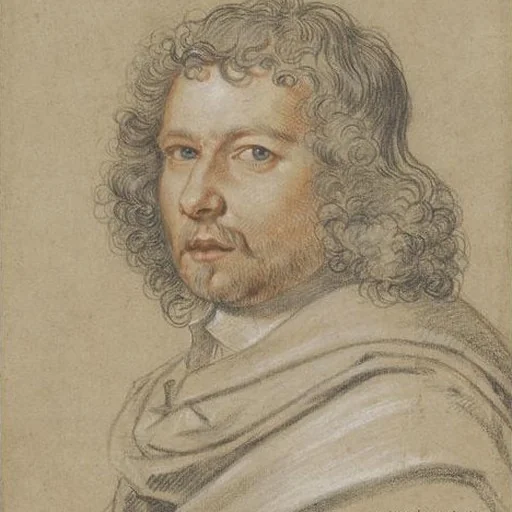
Artist
Jean Morin (c.1595 or 1605 – 1650) was a French baroque painter, printmaker, painter, etcher, engraver and publisher.