Artwork
H Beard Print Collection
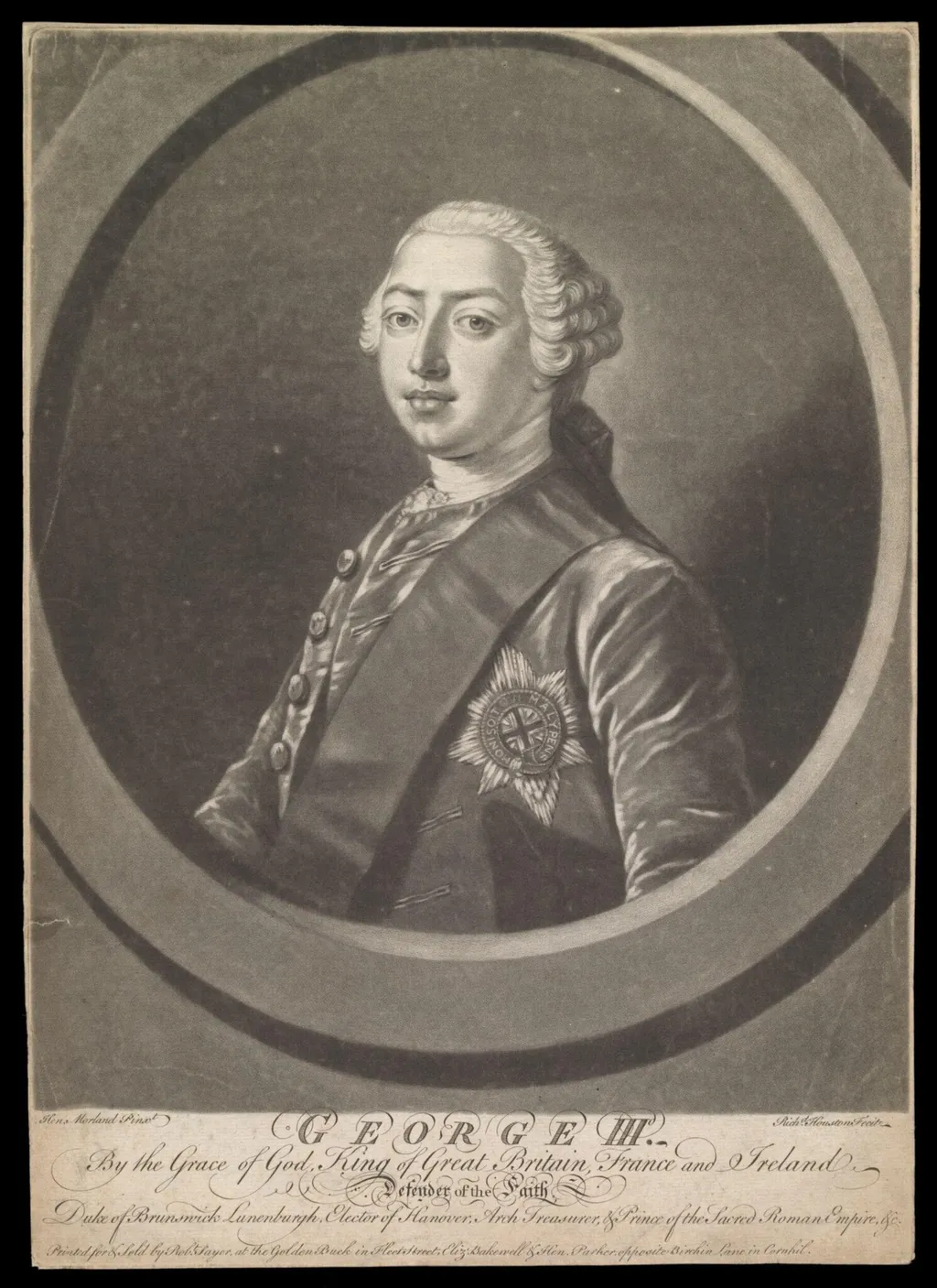
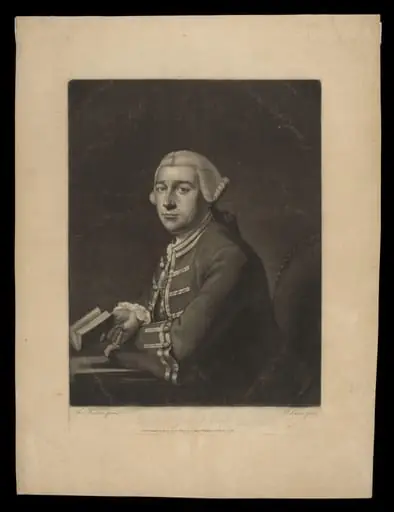
H Beard Print Collection is a print by Henry Morland. It dates from 1750 and is held in the collection of the Victoria and Albert Museum.
About this work
Overview
A portrait of King George III, produced by Henry Morland and distributed by Robert Sayer, belongs to the H Beard Print Collection.
A portrait of King George III, produced by Henry Morland and distributed by Robert Sayer, belongs to the H Beard Print Collection. This print exemplifies the commercial print trade in late 18th-century Britain, where artists and publishers collaborated to make royal imagery accessible beyond elite circles. The work reflects the intersection of portraiture and mass reproduction during a period of growing public interest in monarchy.
Subject & Meaning
The portrait depicts George III in formal regalia, emphasizing his role as sovereign. Unlike ceremonial paintings, this print was designed for domestic display, reinforcing loyalty and familiarity with the monarch among middle-class households. Its widespread circulation suggests an effort to cultivate public identity around the monarchy through accessible visual culture.
Technique & Style
Executed as an engraved print, the image employs fine lines and tonal shading typical of reproductive engraving. Morland’s rendering follows conventional portraiture norms—symmetrical composition, restrained expression, and detailed attire—adapted for the limitations and demands of print production. The style prioritizes clarity and reproducibility over individual artistic flourish.
History & Provenance
Printed and sold by Robert Sayer, a prominent London publisher known for maps and prints, the work entered circulation through established commercial networks. Sayer’s involvement indicates the print’s intended market: urban consumers seeking affordable, recognizable imagery. The inclusion in the H Beard Collection preserves its role as a cultural artifact of public visual consumption in Georgian Britain.
Context
During the late 1700s, printed portraits of royalty became common tools for shaping public perception. Publishers like Sayer capitalized on national events and royal milestones to meet demand. This print reflects a broader trend where print shops functioned as cultural intermediaries, bridging the monarchy and the public through reproducible imagery.
Legacy
As part of the H Beard Print Collection, the portrait survives as evidence of how royal authority was visually disseminated in pre-industrial Britain. Its presence in institutional archives, such as the Victoria and Albert Museum, underscores its value in understanding the mechanics of image distribution and public engagement with monarchy in the 18th century.
Artist & collection

Artist
Sir Henry Morland was an Indian Navy officer and colonial administrator. He was also a member of several learned societies.

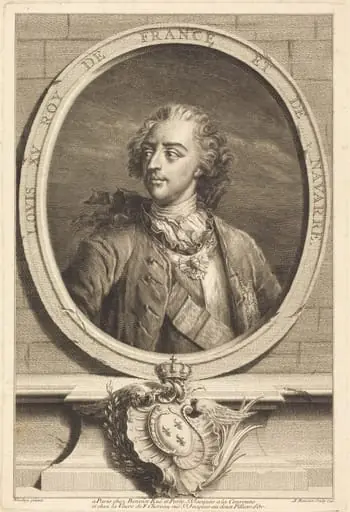 Louis XV, King of France
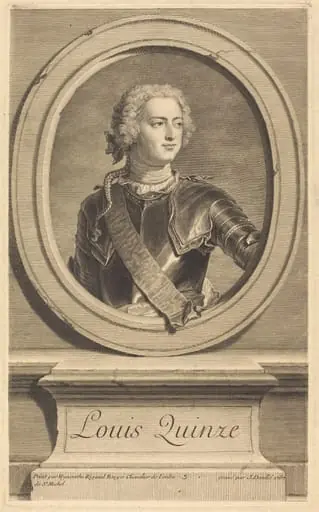 Louis XV
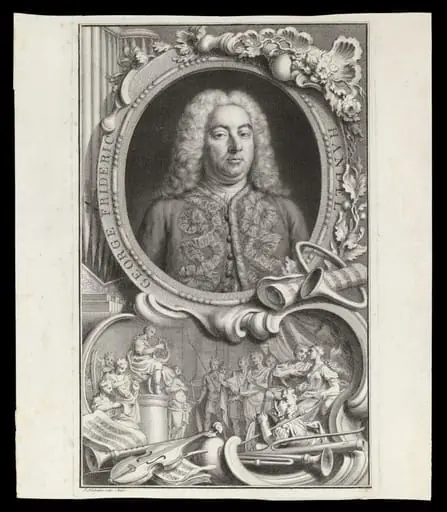 H Beard Print Collection
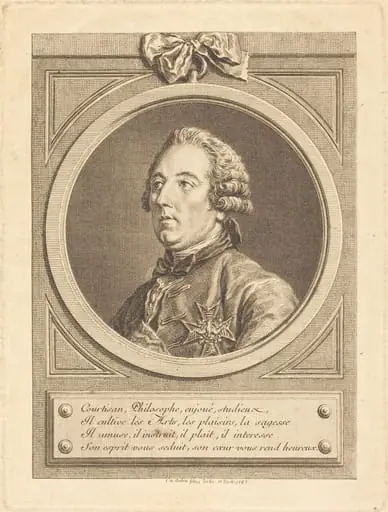 Louis Cesar de La Baume-le-Blanc
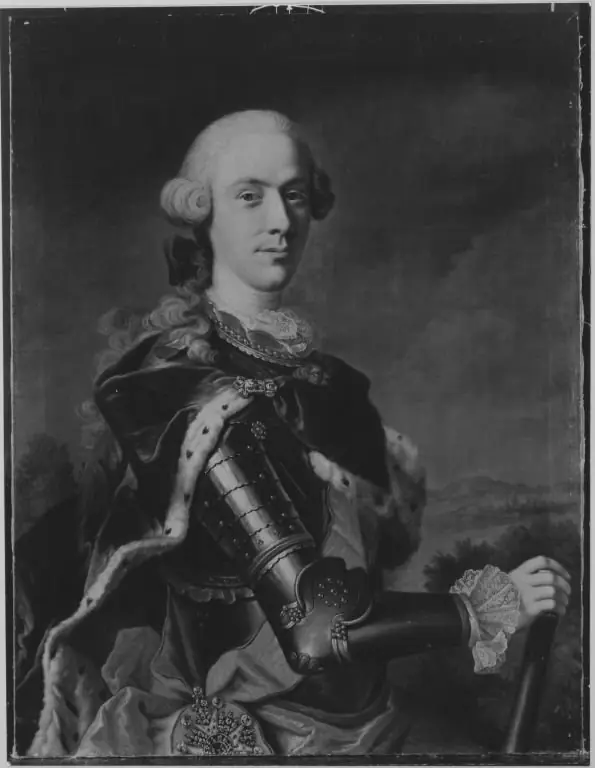 Bildnis von Christian IV., Herzog von Pfalz-Zweibrücken (1722-1775)
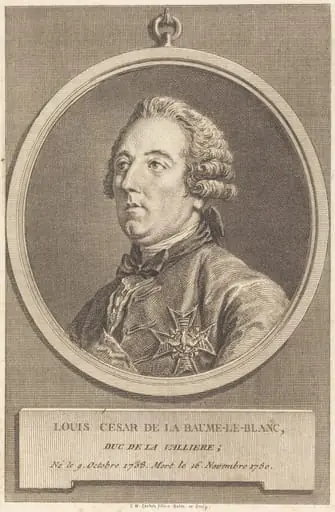 Louis Cesar de La Baume-le-Blanc
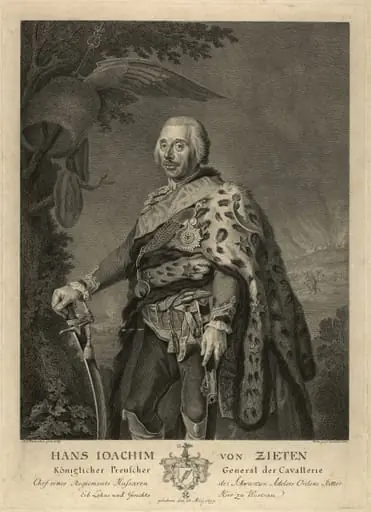 Therbusch, Anna Dorothea (Vorlage): Porträt Hans Joachim von Zieten
 H Beard Print Collection
 Louis XVI, King of France
 Louis XV