Artwork
Autoportrait
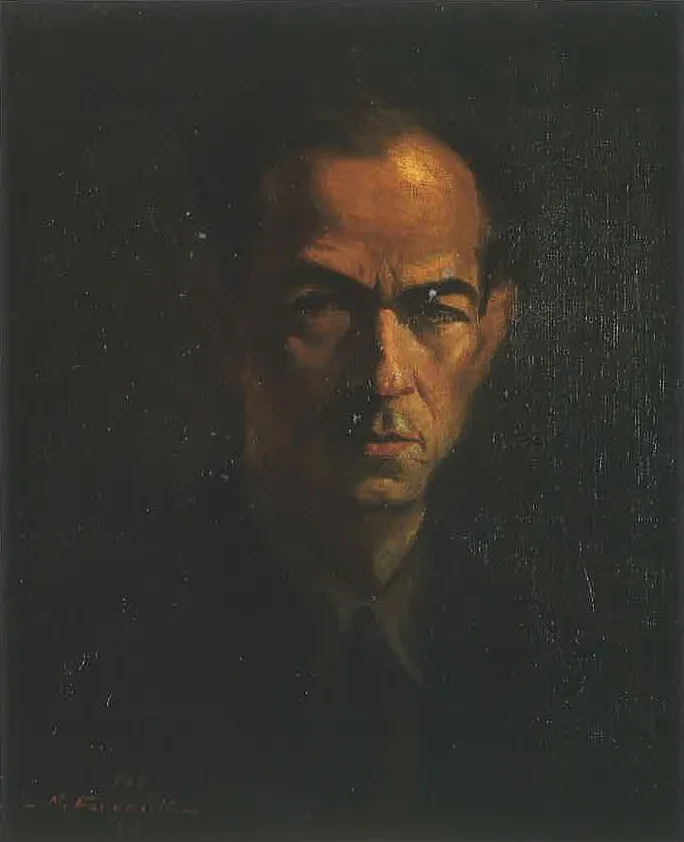
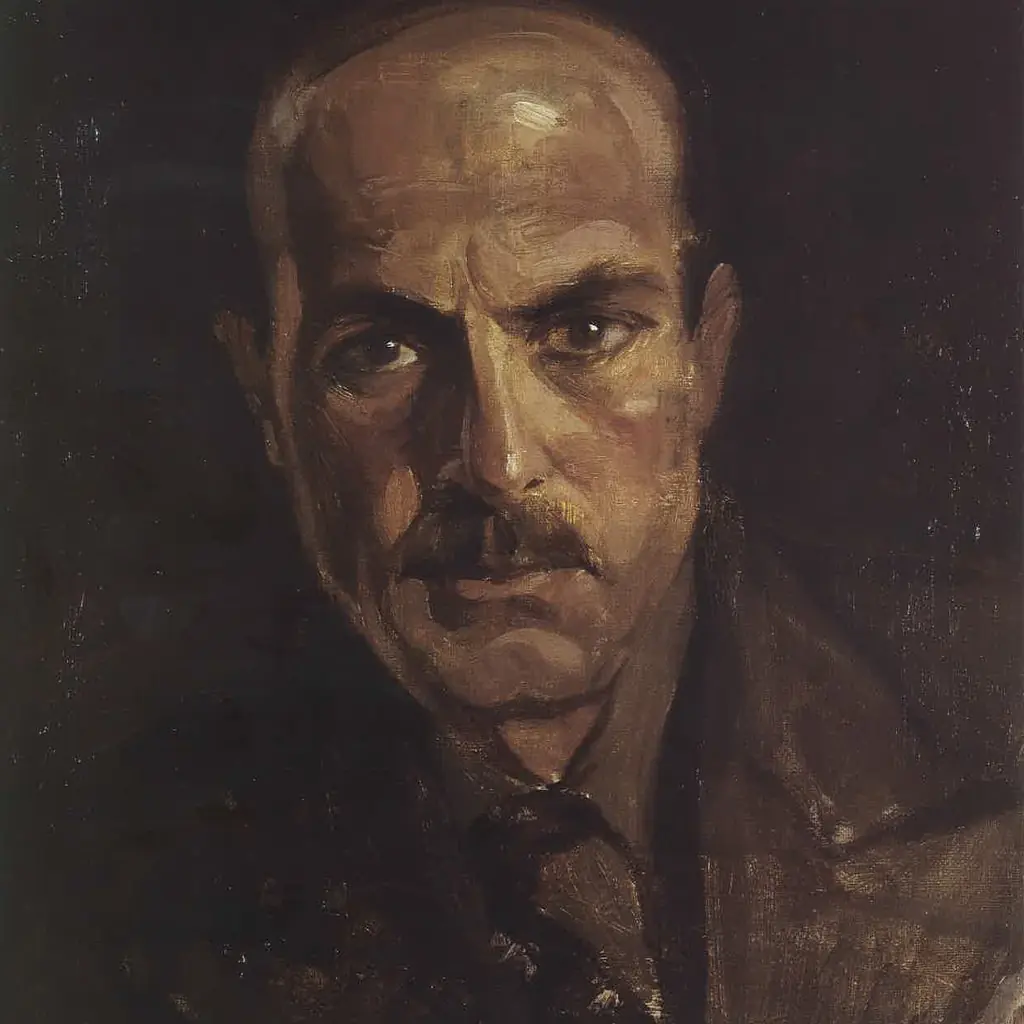
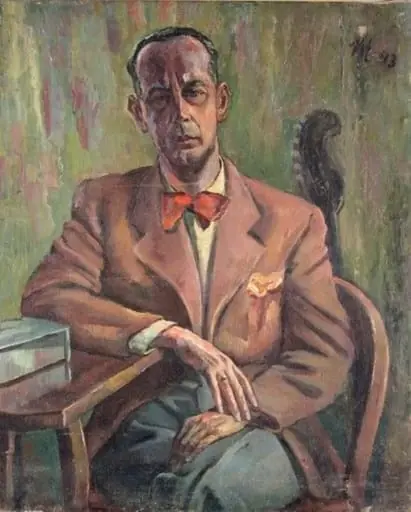
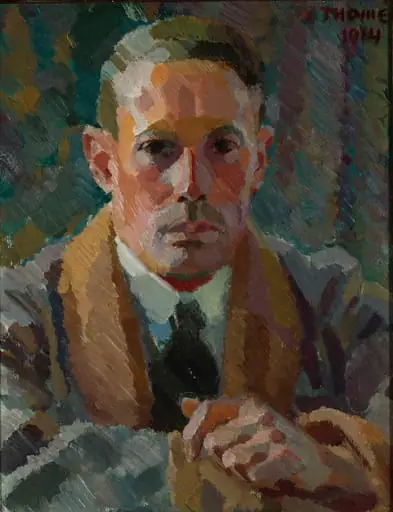
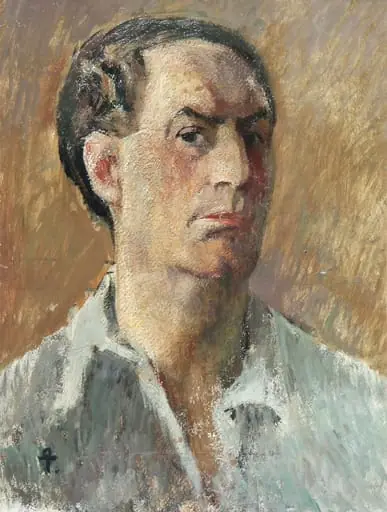
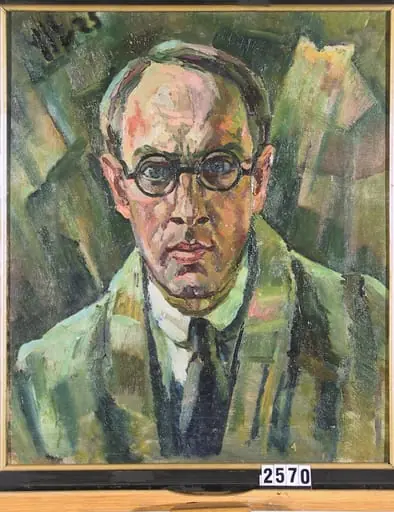
Autoportrait is an oil painting by the Orientalist artist Moustafa Farroukh. It dates from 1939 and is held in the collection of the Sursock Museum.
About this work
Overview
Executed in oil on canvas, the work presents the artist in formal attire, rendered with careful attention to light and texture.
Painted around 1939, *Autoportrait* is a self-representation by Moustafa Farroukh, a pivotal figure in modern Lebanese art. Executed in oil on canvas, the work presents the artist in formal attire, rendered with careful attention to light and texture. It resides in the Sursock Museum’s collection, where it stands as a key example of early 20th-century Lebanese portraiture that bridges local identity with broader European artistic traditions.
Subject & Meaning
The subject is Farroukh himself, depicted from the chest upward with direct eye contact, conveying a composed, introspective presence. His tailored suit, trimmed mustache, and dark hair suggest a deliberate assertion of personal dignity and professional identity. The absence of decorative elements or symbolic props focuses attention on the individual, inviting reflection on selfhood rather than narrative or cultural allegory.
Technique & Style
Farroukh employs chiaroscuro to model the face and upper torso, using subtle gradations of light and shadow to create volume and psychological depth. The dark background recedes, isolating the figure and enhancing the realism of his features. Brushwork is controlled and precise, avoiding overt expressionism; the palette remains muted, reinforcing the portrait’s restrained, contemplative mood.
History & Provenance
Created during a period of growing cultural self-awareness in Lebanon, the painting entered the Sursock Museum’s collection in the mid-20th century. It has remained there since, serving as a touchstone for understanding the development of modern Lebanese art. Its preservation reflects institutional recognition of Farroukh’s role in shaping a national artistic voice during the French Mandate era.
Context
While sometimes associated with Orientalist conventions due to its regional origin, *Autoportrait* resists exoticization by presenting the artist as a modern, self-possessed individual. Farroukh trained in Paris and absorbed European academic techniques, yet his self-representation asserts autonomy from colonial gaze. The work aligns with broader regional efforts to define identity through personal, rather than stereotypical, imagery.
Legacy
The painting endures as a foundational image in Lebanon’s modern art canon. It exemplifies how local artists adapted Western techniques to articulate personal and national identity without relying on external narratives. Farroukh’s quiet self-portrait continues to influence later generations seeking to represent the self with dignity and nuance within a post-colonial context.
Artist & collection
Artist
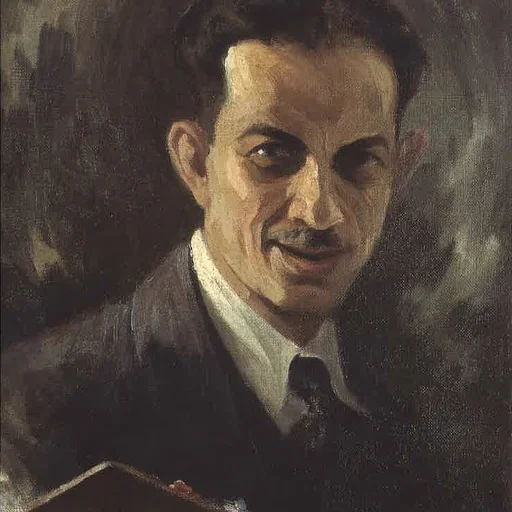
Moustafa Farroukh (Arabic: مصطفى فروخ; 1901 – 1957) was one of Lebanon's most prominent painters of the 20th century.