Artwork
Portrait of Mohammad Salah Beydoun
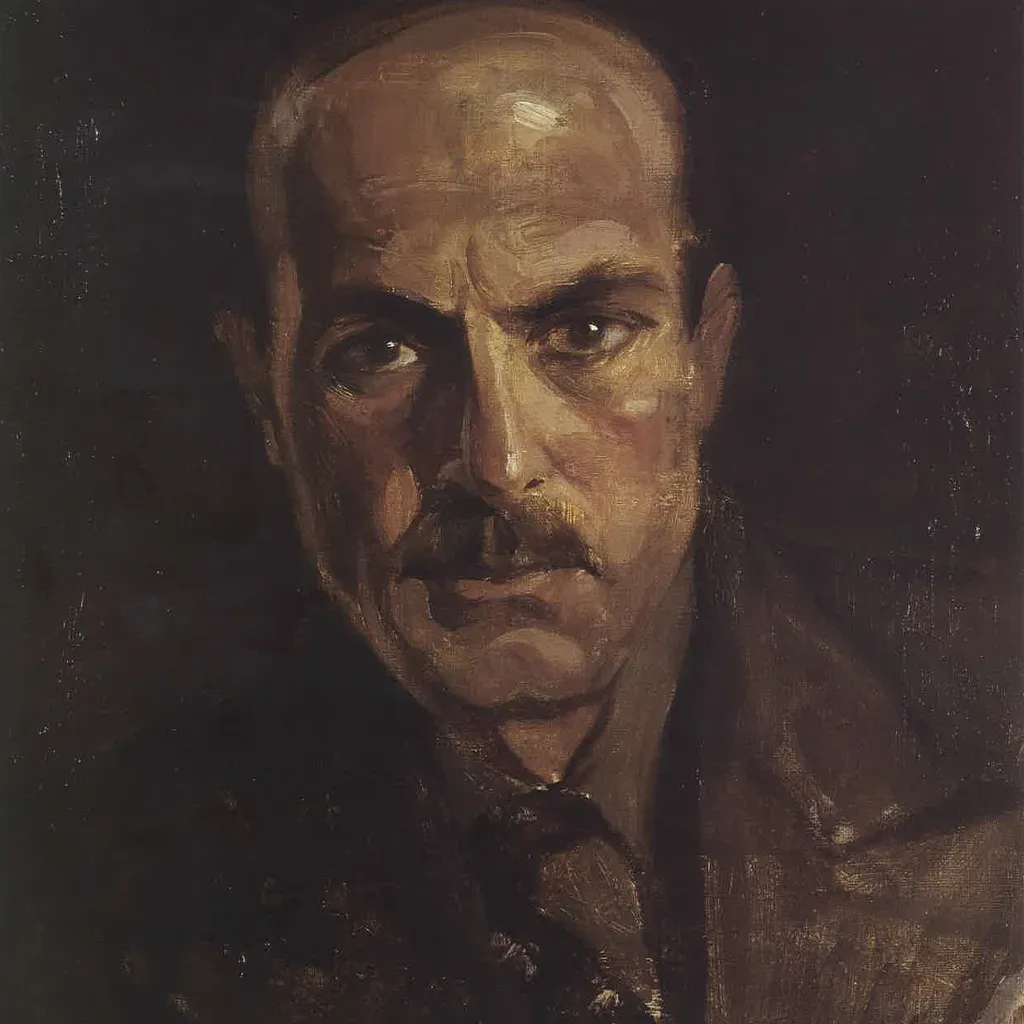
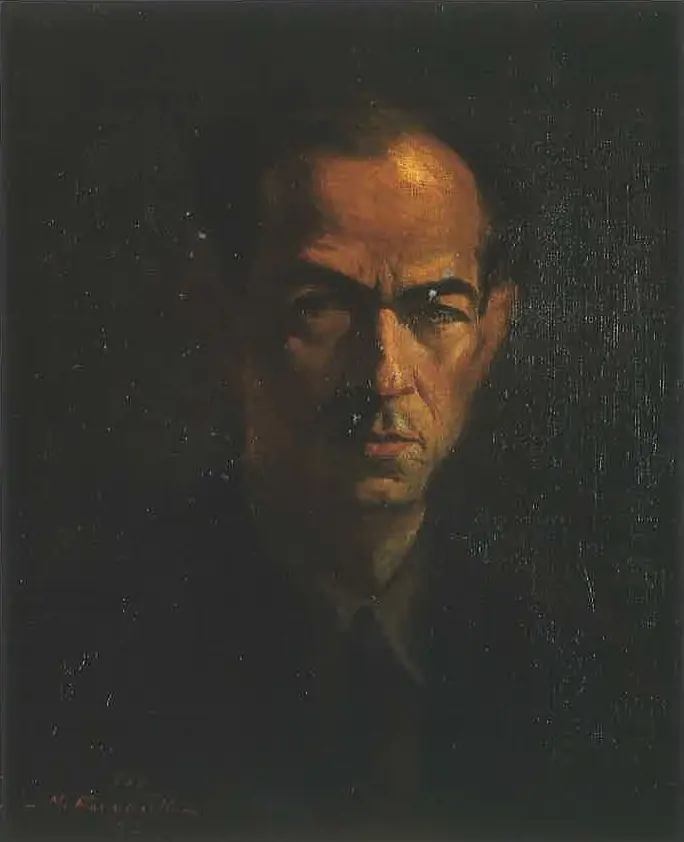
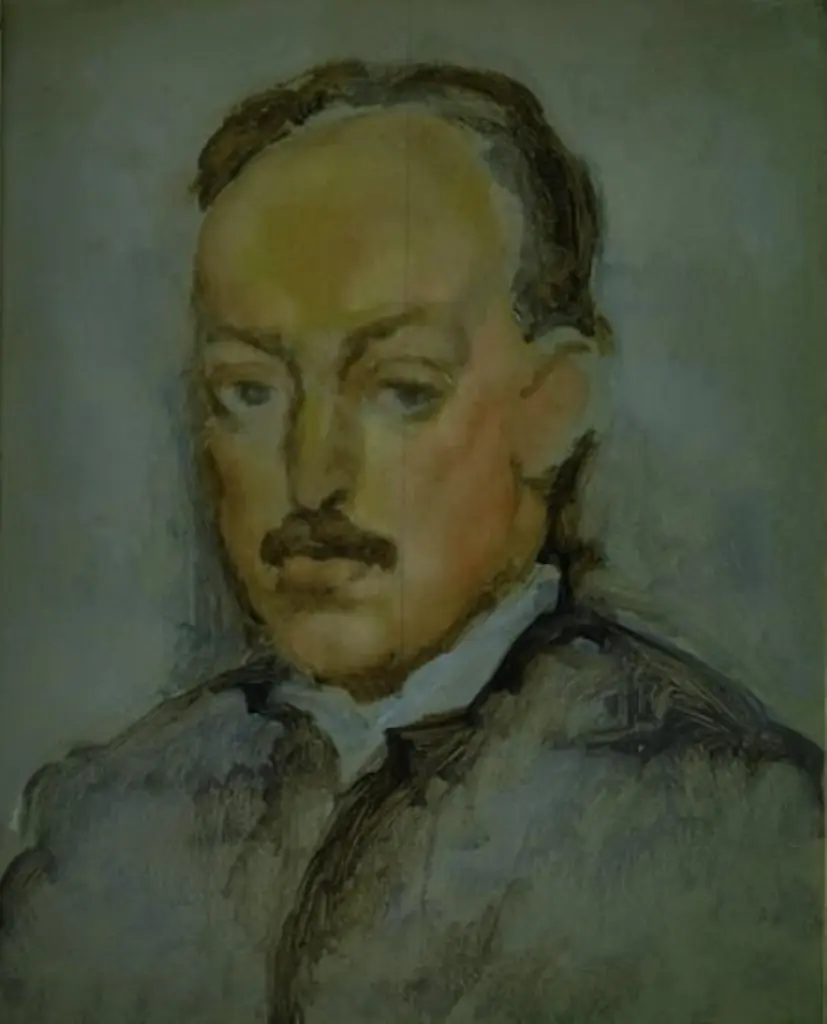
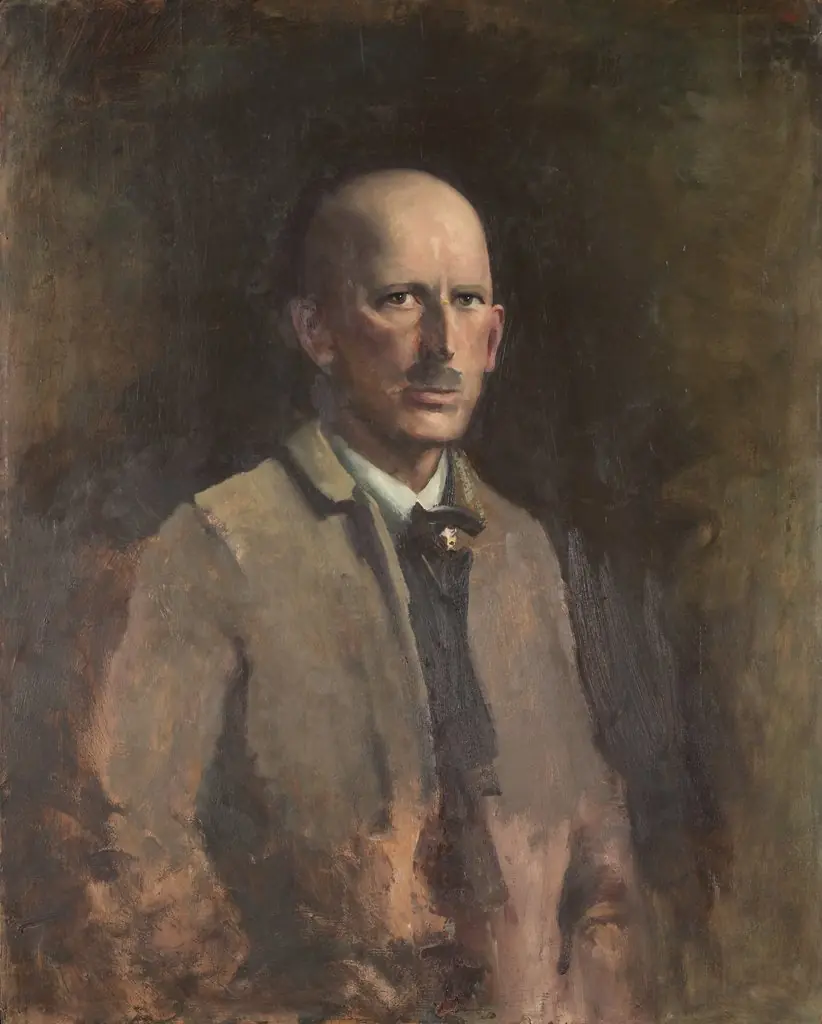
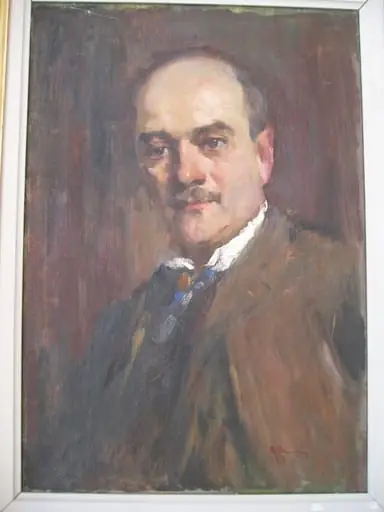
Portrait of Mohammad Salah Beydoun is an oil painting by the Orientalist artist Moustafa Farroukh. It dates from 1939 and is held in the collection of the Sursock Museum.
About this work
Overview
Farroukh, known for his prolific output and scholarly writings, approached portraiture with a focus on psychological presence rather than narrative context.
Painted in 1939 by Lebanese artist Moustafa Farroukh, this oil portrait depicts Mohammad Salah Beydoun, a local figure whose identity reflects the artist’s engagement with his community. Executed in a restrained palette of browns and tans, the work emphasizes facial detail against a dark, undefined background. Farroukh, known for his prolific output and scholarly writings, approached portraiture with a focus on psychological presence rather than narrative context.
Subject & Meaning
The subject, a balding man with sparse side hair, gazes directly at the viewer with a composed, unsmiling expression. His features—wrinkled forehead, defined nose, and firm mouth—are rendered without embellishment, suggesting dignity and quiet resilience. The absence of contextual clues or attire directs attention to the individual’s inner state, aligning the portrait with introspective realism rather than social documentation.
Technique & Style
Farroukh employed chiaroscuro to model the face with subtle gradations of light and shadow, enhancing volume and texture. The brushwork is precise yet unobtrusive, capturing skin tone variations and fine lines without overt stylization. The dark background isolates the figure, reinforcing the focus on facial structure. This approach reflects a synthesis of academic training and regional sensibility, avoiding theatrical Orientalist tropes in favor of restrained observation.
History & Provenance
The painting has remained in the collection of the Sursock Museum in Beirut since its creation. Farroukh, a central figure in Lebanon’s modern art scene, produced over two thousand works during his lifetime, many of which were portraits of contemporaries. This piece, like others from the late 1930s, reflects his commitment to documenting Lebanese identity through intimate, unidealized representation.
Context
Created during a period of growing cultural self-awareness in Lebanon under French mandate, the portrait aligns with a broader movement toward local subject matter in art. While Orientalism often exoticized the East, Farroukh’s work turned inward, portraying individuals from his own society with psychological depth. His approach distinguished him from European Orientalists by prioritizing authenticity over spectacle.
Legacy
Farroukh’s portraits, including this one, contributed to the foundation of modern Lebanese art by affirming the value of individual likeness and emotional nuance. His emphasis on realism, combined with his literary output, positioned him as both artist and chronicler. The painting endures as a quiet testament to his belief in art’s capacity to preserve personal and cultural memory without grandiosity.
Artist & collection
Artist
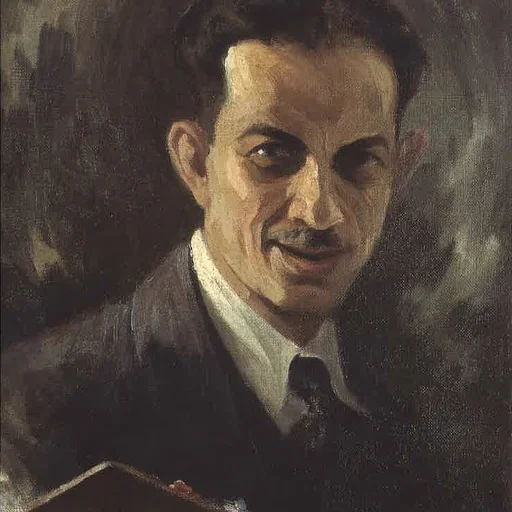
Moustafa Farroukh (Arabic: مصطفى فروخ; 1901 – 1957) was one of Lebanon's most prominent painters of the 20th century.