Artwork
Portrait of Amin Al-Rihani
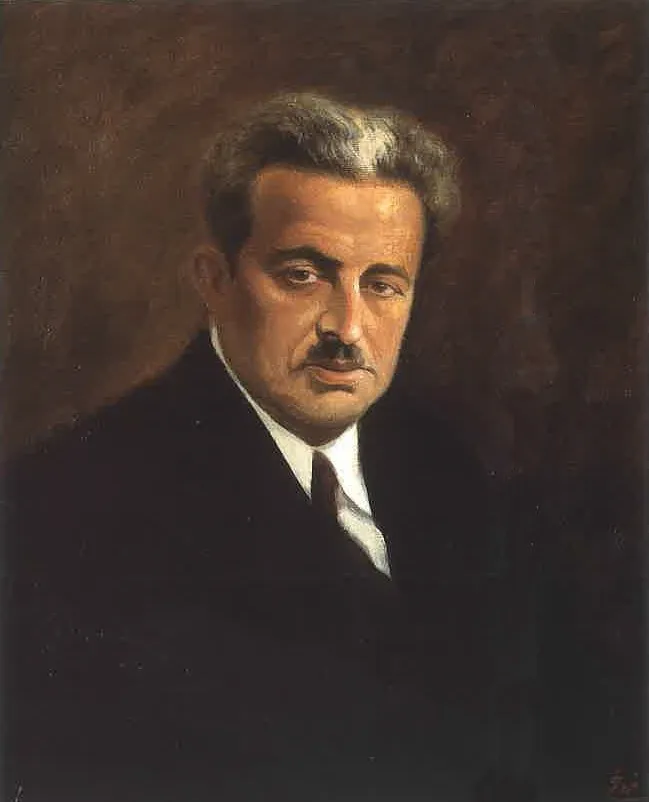
Portrait of Amin Al-Rihani is an oil painting by Moustafa Farroukh. It dates from 1939 and is held in the collection of the Sursock Museum.
About this work
Overview
Created circa 1939, this oil portrait by Lebanese artist Moustafa Farroukh presents a dignified gentleman in formal attire. The work belongs to the collection of the Sursock Museum in Beirut and exemplifies Farroukh’s extensive output during the twentieth century, a period in which he produced thousands of paintings and authored several books.
Subject & Meaning
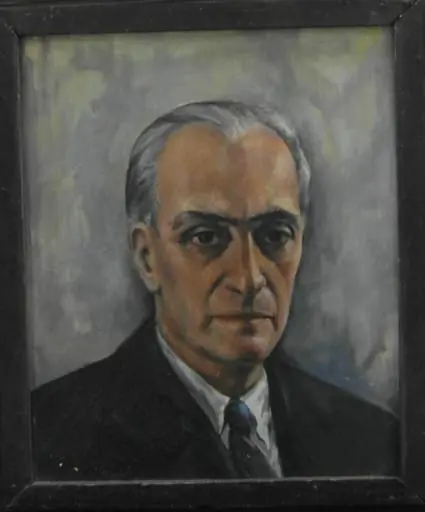
The sitter, identified as Amin Al‑Rihani, appears with silver‑gray hair, a neatly trimmed moustache, and a dark suit, his gaze directed outward with a composed seriousness. The direct eye contact and restrained expression suggest a portrait intended to convey the subject’s stature and contemplative character.
Technique & Style
Farroukh employs a pronounced chiaroscuro, contrasting a deep, muted background with illuminated facial features. This handling of light and shadow generates a three‑dimensional presence, emphasizing the texture of the hair, fabric, and the subtle modeling of the face, while maintaining a restrained, realistic approach typical of his portraiture.
History & Provenance
The painting entered the holdings of the Sursock Museum, a key institution for Lebanese modern art, where it remains on display. Its acquisition reflects the museum’s commitment to preserving works by prominent national artists, situating the portrait within the broader narrative of Lebanon’s artistic heritage.
Artist & collection
Artist
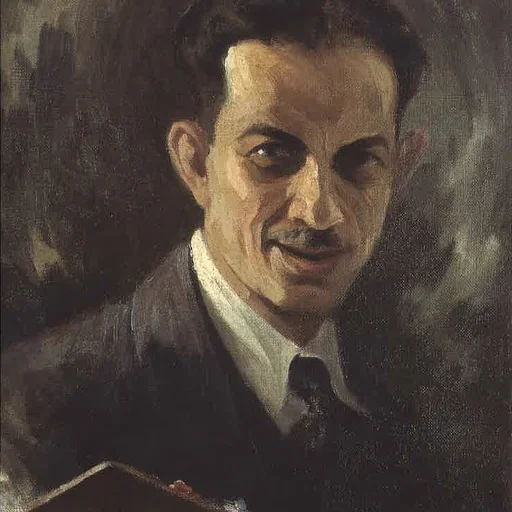
Moustafa Farroukh (Arabic: مصطفى فروخ; 1901 – 1957) was one of Lebanon's most prominent painters of the 20th century.

 Autoportrait (3)
 Grigore Gafencu
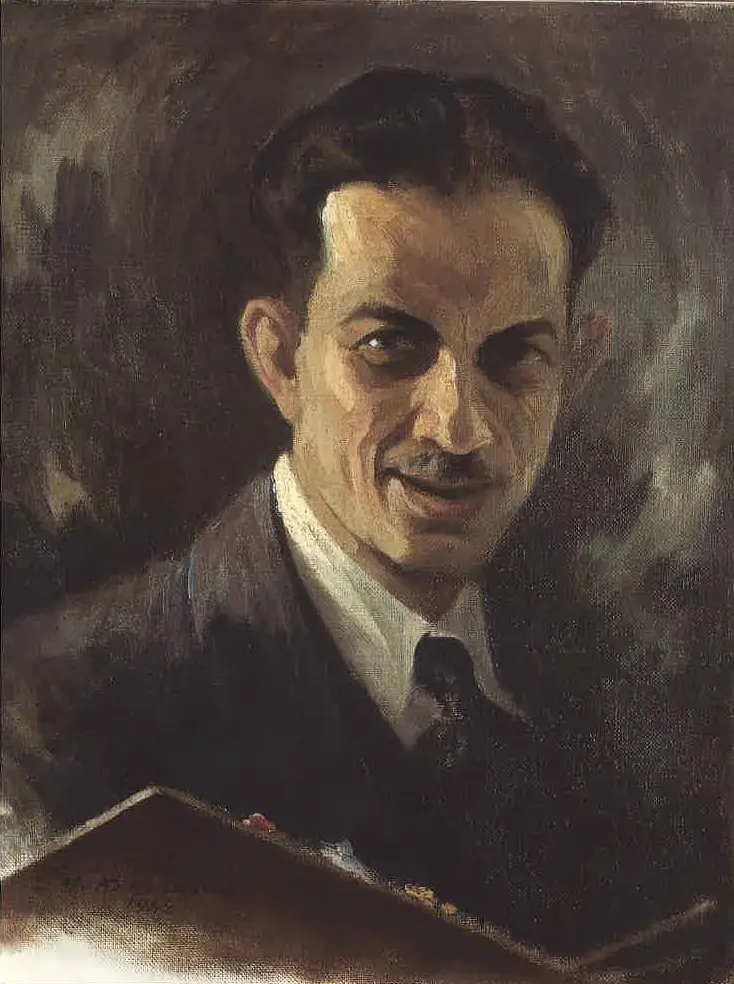 Autoportrait with the Palette
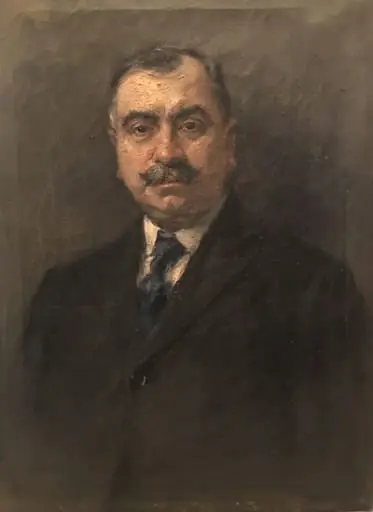 Portretul lui Constantin Chihodariu
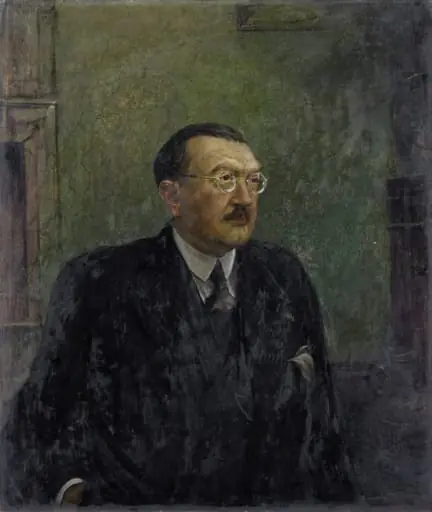 Frederik Schmidt-Degener (1881-1941), Director-General of the Rijksmuseum, Amsterdam (1922-41)
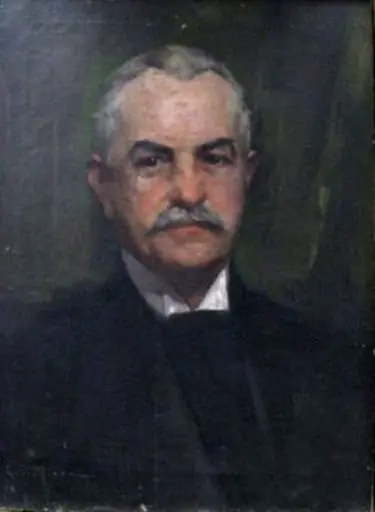 Portret
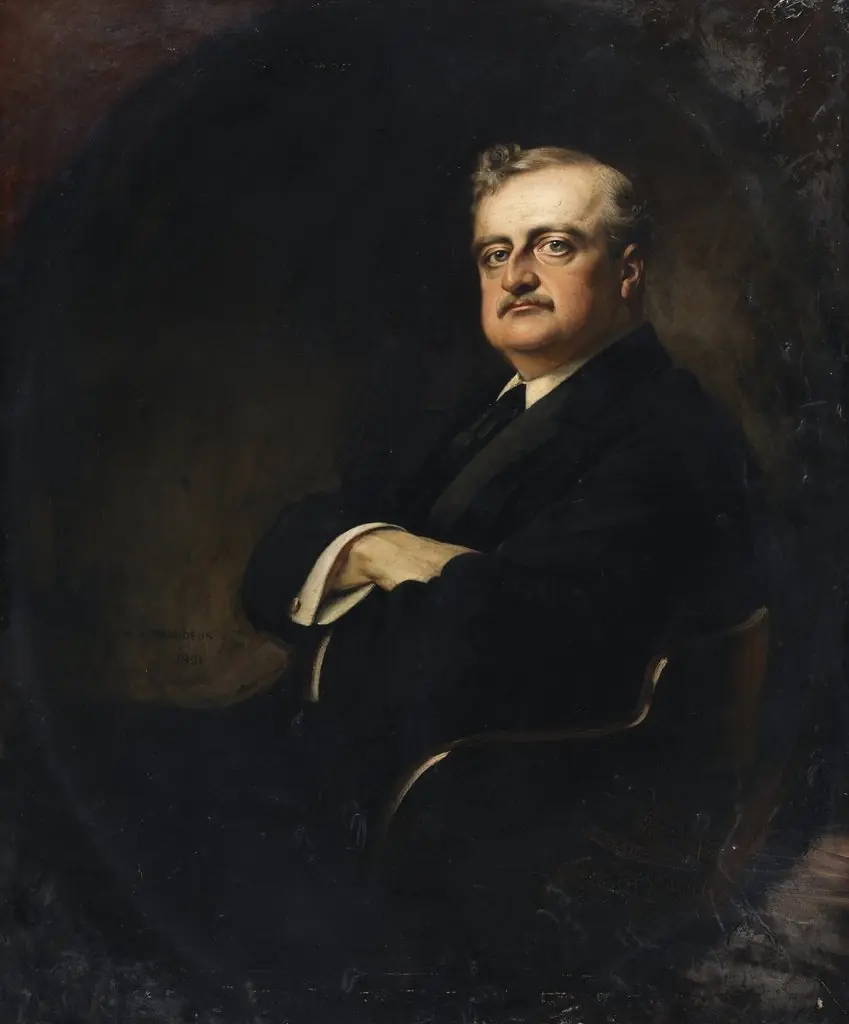 Portrait of John Redmond (1856-1918), Parliamentarian
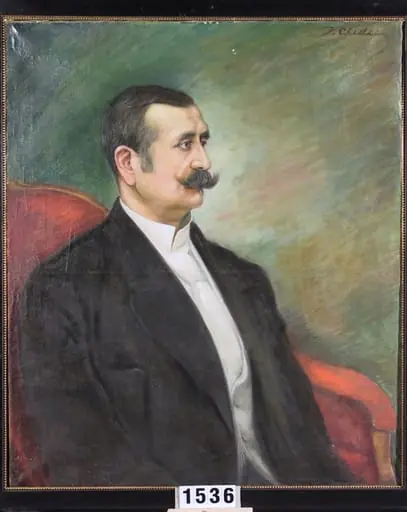 A. Bârseanu
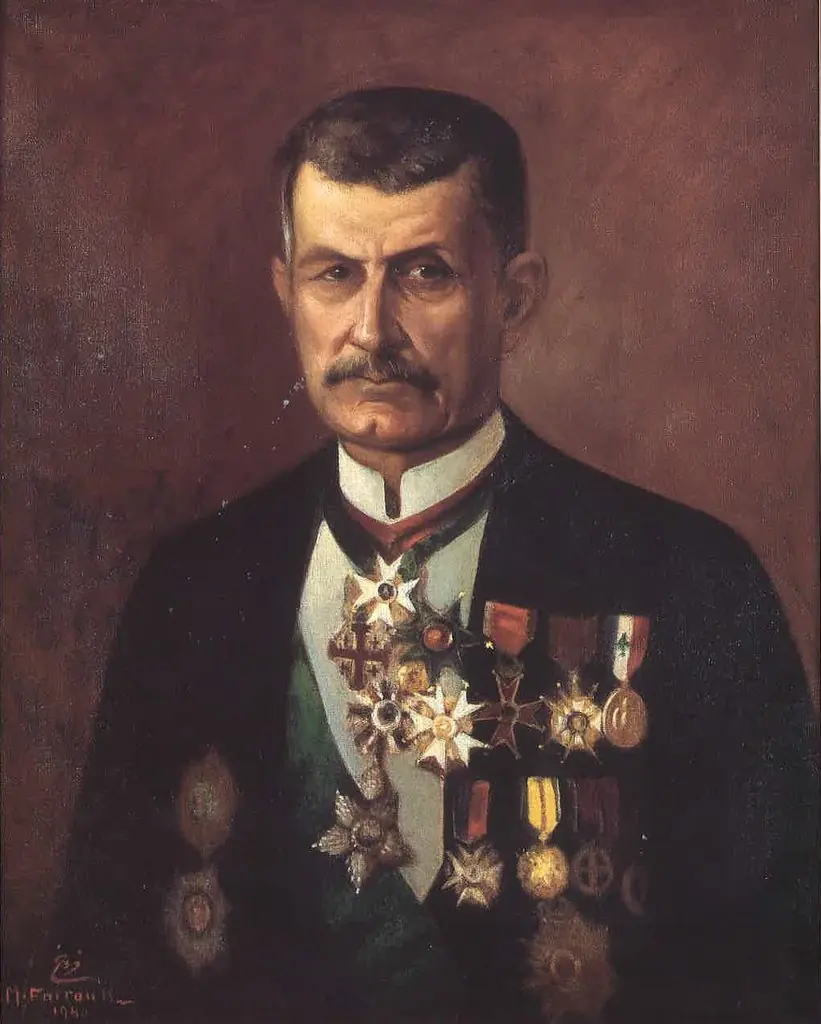 Portrait of Viscount Philippe de Tarrazi (1865 - 1956)
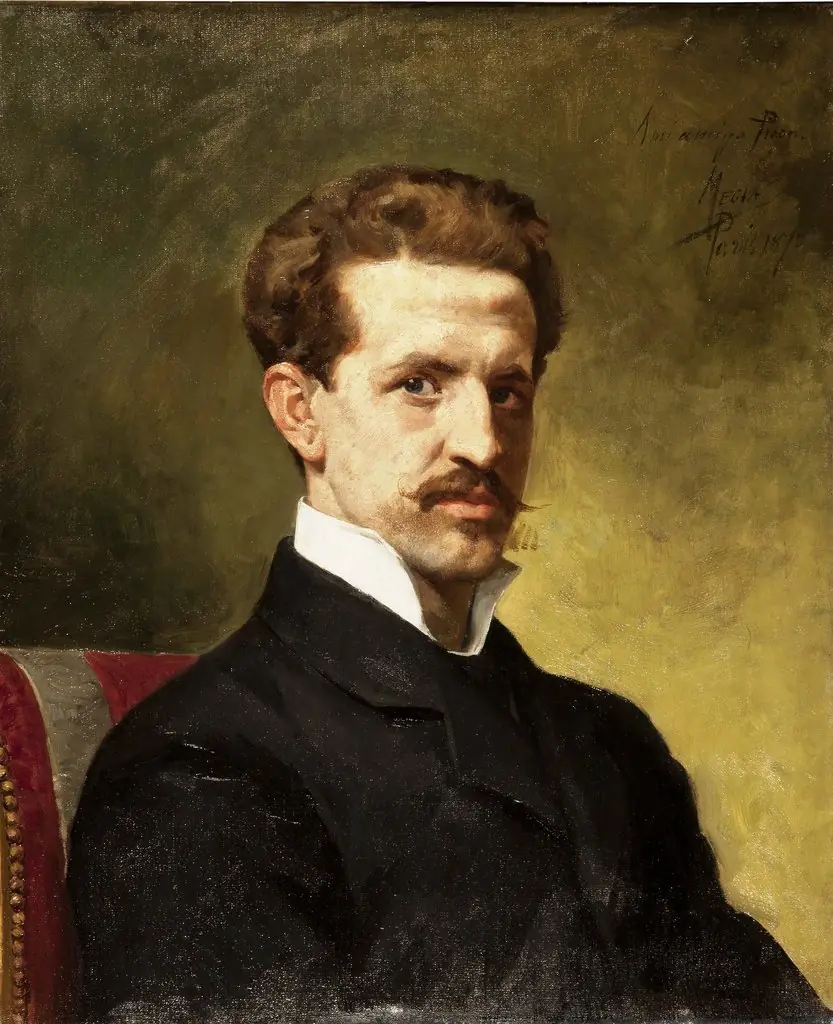 Jacinto Octavio Picón
 Vladimir Girshman
 Self-portrait