Artwork
Portrait of Antonino Calcagnadoro
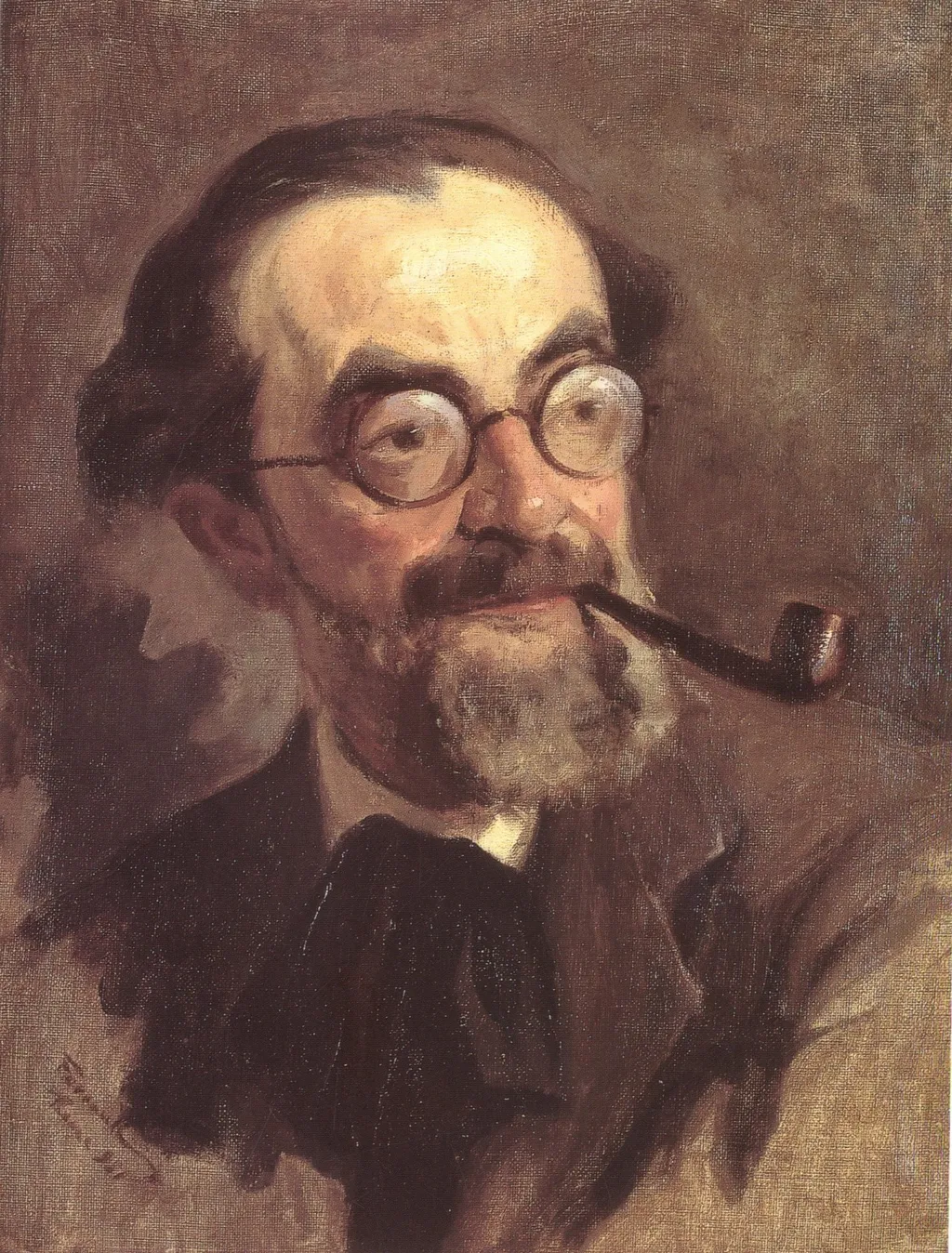
Portrait of Antonino Calcagnadoro is an oil painting by the Orientalist artist Moustafa Farroukh. It dates from 1939 and is held in the collection of the Sursock Museum.
About this work
Overview
Painted around 1939, this oil portrait captures Antonino Calcagnadoro, an Italian figure likely known to the artist through cultural circles in Beirut.
Painted around 1939, this oil portrait captures Antonino Calcagnadoro, an Italian figure likely known to the artist through cultural circles in Beirut. Created by Moustafa Farroukh, a prominent Lebanese painter of the era, the work reflects a quiet realism rather than overt theatricality. It resides in the Sursock Museum’s collection, where it stands as one of Farroukh’s more intimate studies of an individual rather than a grand historical or mythological scene.
Subject & Meaning
The subject, Antonino Calcagnadoro, is portrayed with solemn composure, his direct gaze engaging the viewer without sentimentality. His attire—a dark jacket, white collar, and pipe—suggests a cultivated, perhaps intellectual or professional identity. The absence of symbolic props or elaborate setting shifts focus to the man’s presence, emphasizing character over narrative. The painting conveys dignity through restraint, aligning with early 20th-century portraiture that valued psychological depth over ornamentation.
Technique & Style
Farroukh employs a controlled realism, rendering facial features and fabric textures with precise brushwork. Chiaroscuro is used subtly to model the face and jacket, lending volume without dramatic contrast. The muted brown background recedes softly, isolating the figure and enhancing the focus on his form. The glasses and mustache are rendered with careful attention, reinforcing the subject’s identity without exaggeration. The style avoids stylization, favoring observational accuracy grounded in European academic traditions.
History & Provenance
The painting was completed in 1939 during Farroukh’s mature period, when he was actively engaged in Beirut’s artistic community. It entered the Sursock Museum’s holdings in the decades following its creation, likely through donation or acquisition by the museum’s founding family. Its preservation in this institution reflects its significance as a representative work of Lebanese modernism, bridging local context with broader Mediterranean artistic currents of the time.
Context
Farroukh’s work emerged amid Lebanon’s cultural awakening under the French Mandate, where artists negotiated European techniques with regional identity. While sometimes associated with Orientalism, this portrait avoids exoticism, instead presenting a Westernized subject with neutrality. The painting reflects a broader trend among Levantine painters who used realism to document personal and intellectual figures, contributing to a new visual language distinct from colonial stereotypes.
Legacy
Though not widely reproduced, the portrait remains a quiet reference point in studies of Lebanese modern art. It exemplifies Farroukh’s ability to merge technical precision with psychological subtlety, influencing later generations who sought to portray local figures without romanticization. Its presence in the Sursock Museum ensures continued access for scholars and viewers interested in the quiet, humanist currents of early 20th-century Middle Eastern portraiture.
Artist & collection
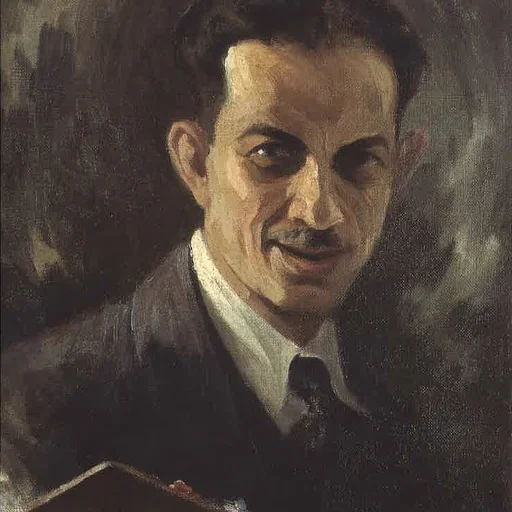
Artist
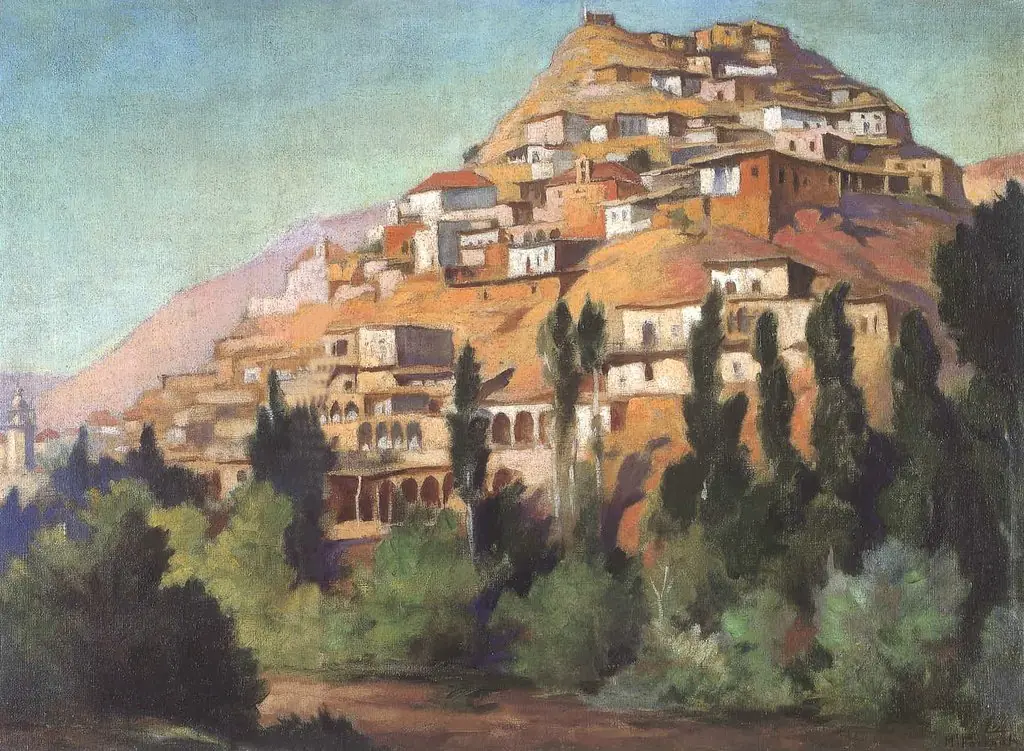
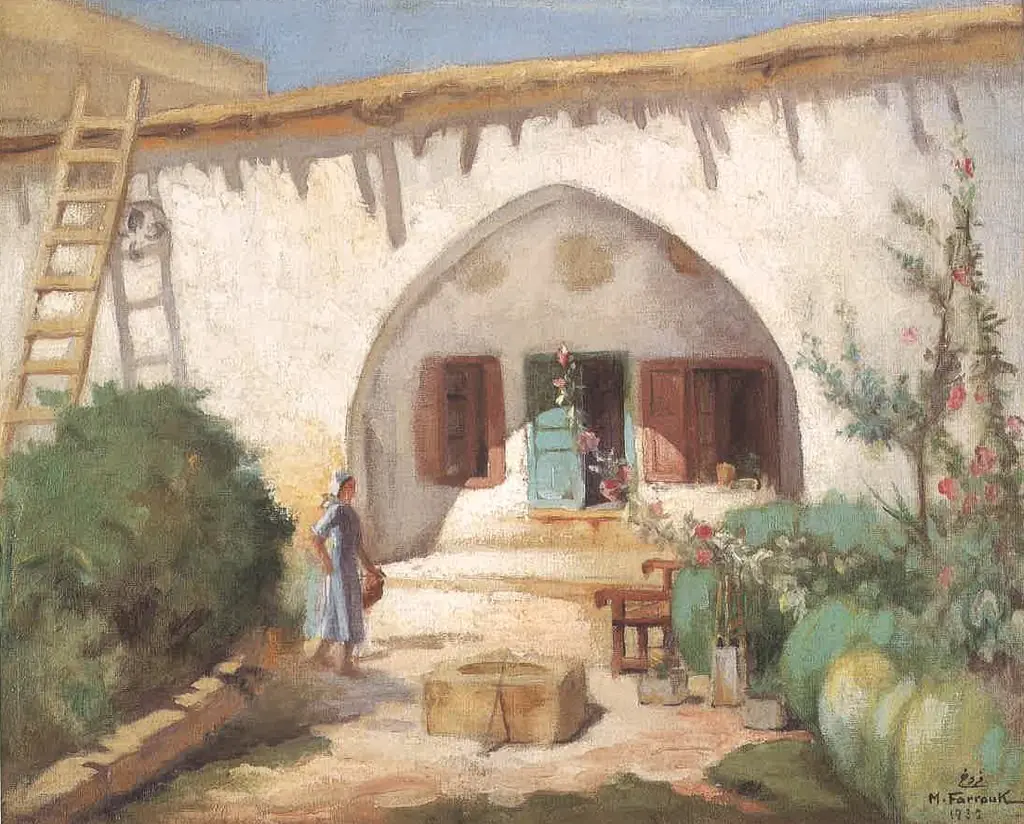
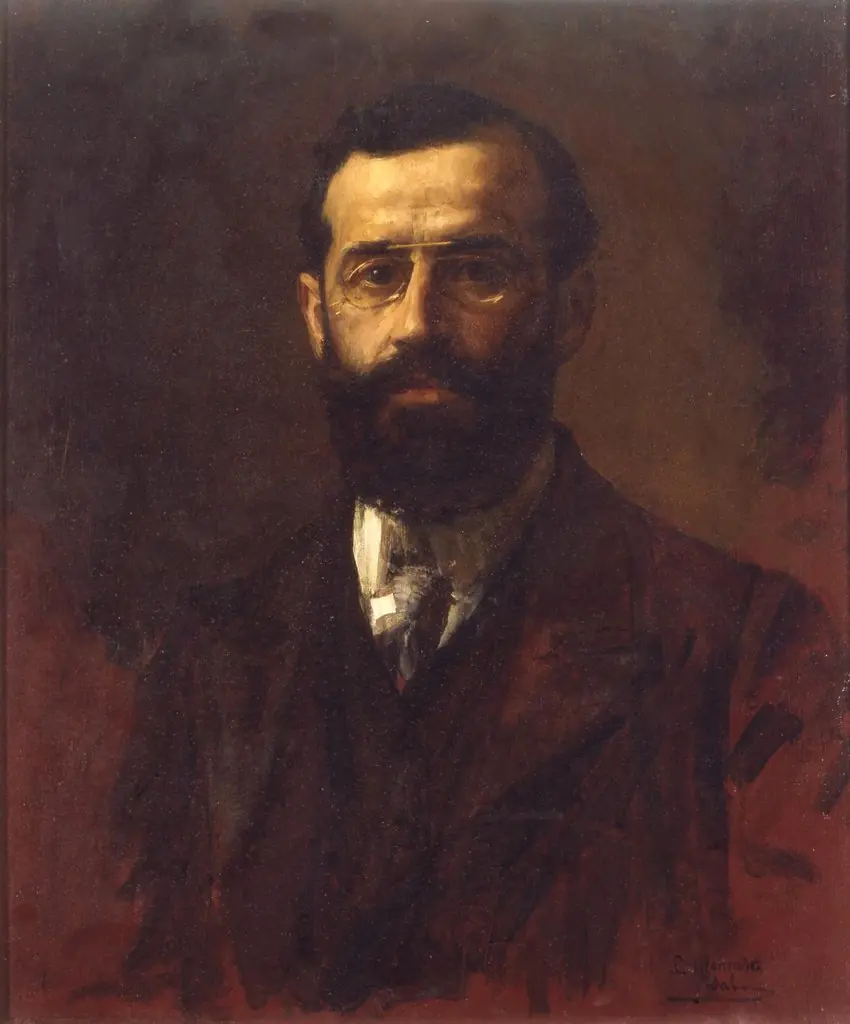
Moustafa Farroukh (Arabic: مصطفى فروخ; 1901 – 1957) was one of Lebanon's most prominent painters of the 20th century.

 Self-portrait
 El pintor Francisco Pradilla
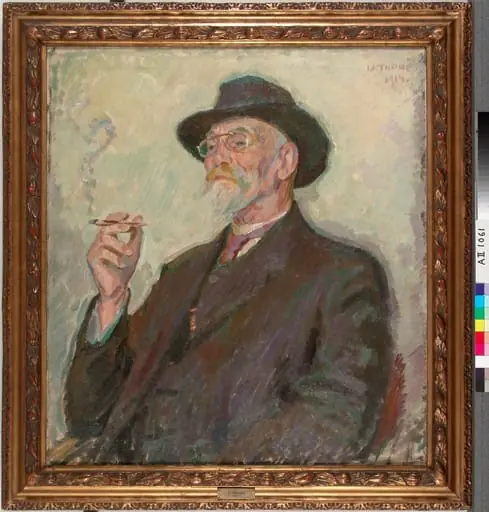 Metsänhoitaja, vapaaherra Ernst Wreden muotokuva
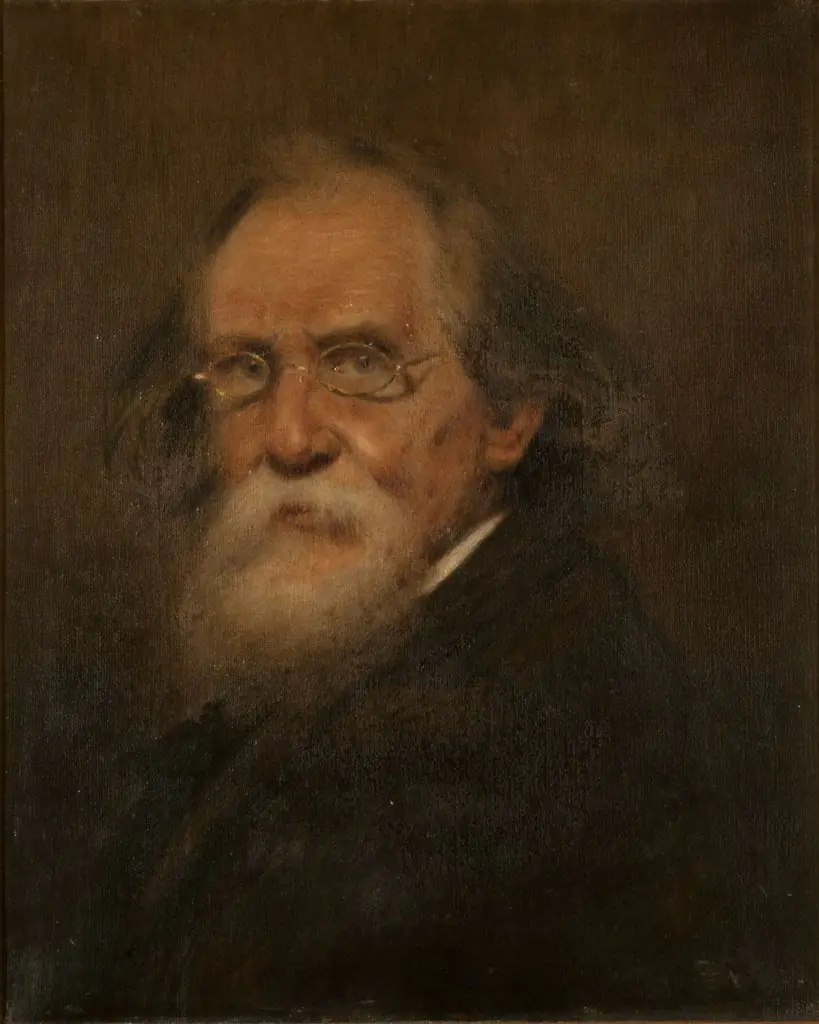 Self-portrait
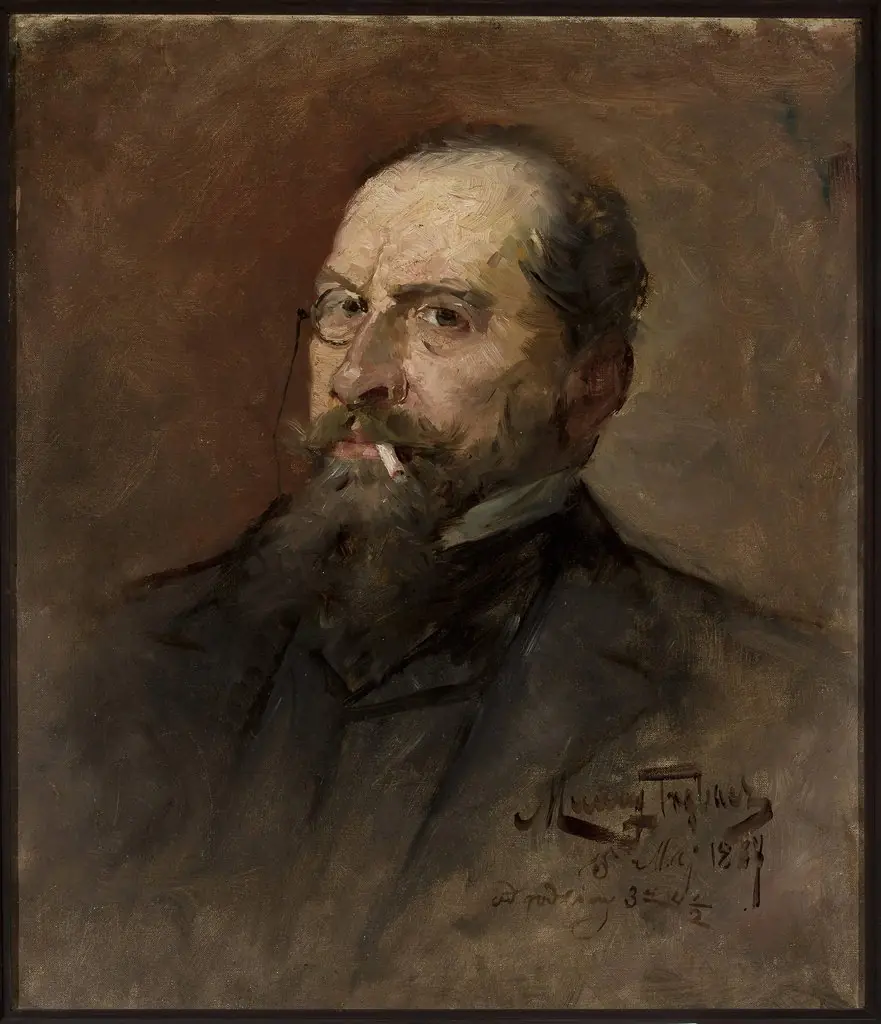 Portrait of Lucjan Wrotnowski, painter
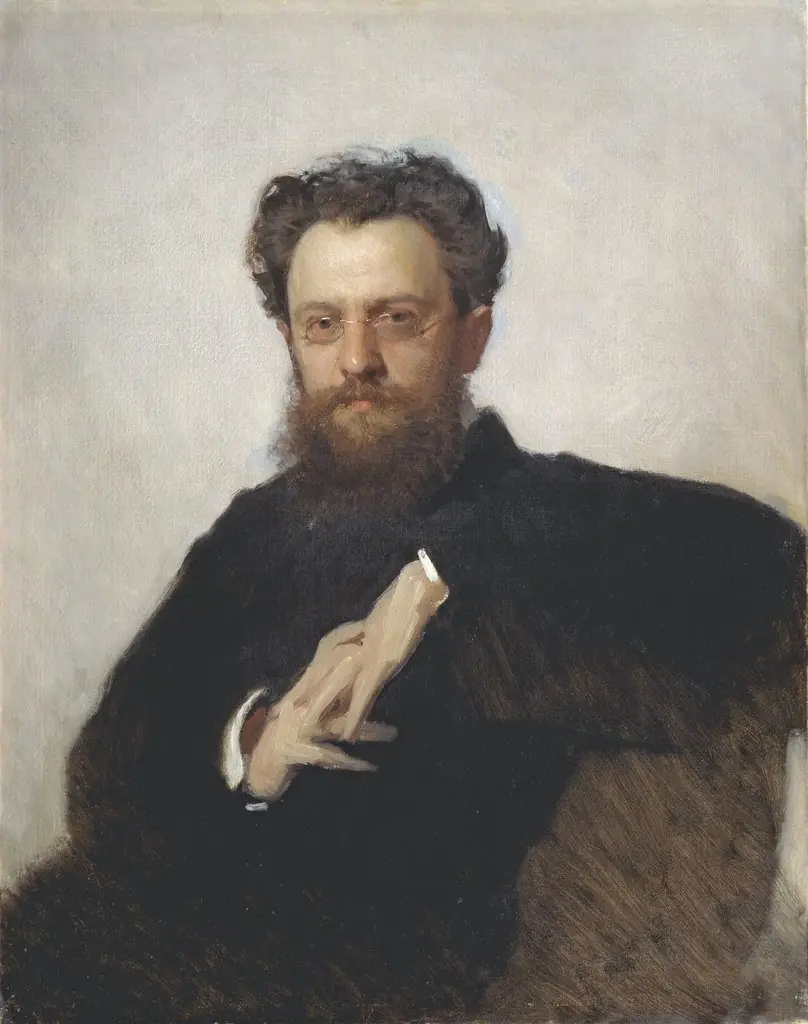 Portrait of Adrian Viktorovich Prakhov
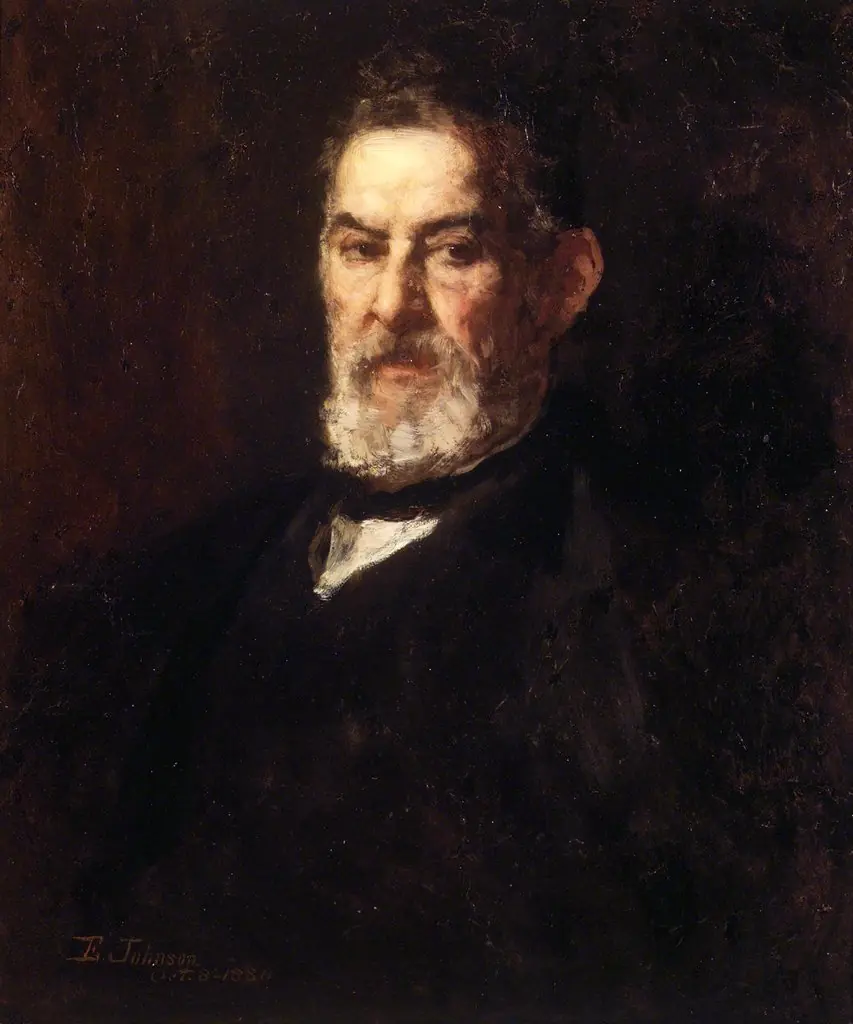 Captain Folger of Nantucket
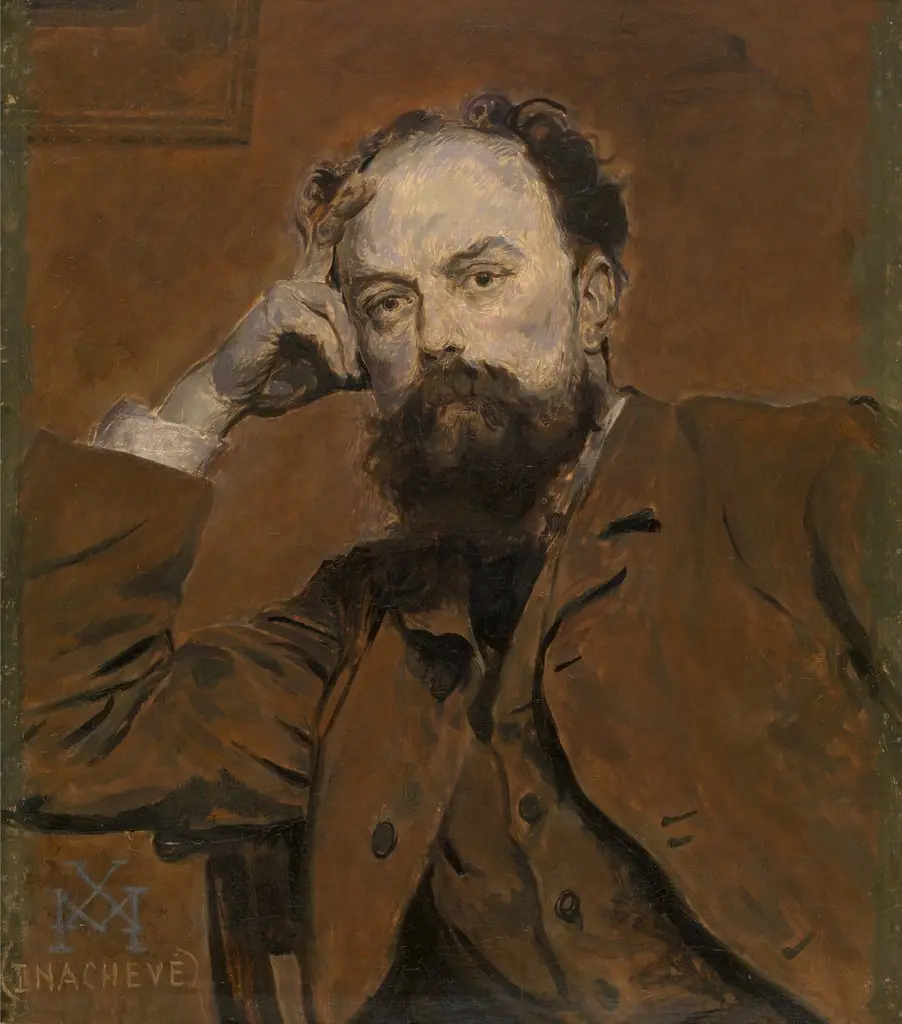 The Sculptor Paul De Vigne
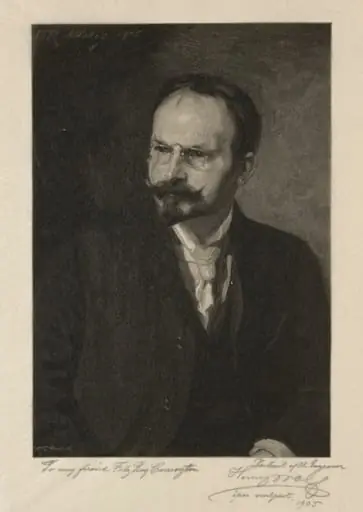 Self-Portrait
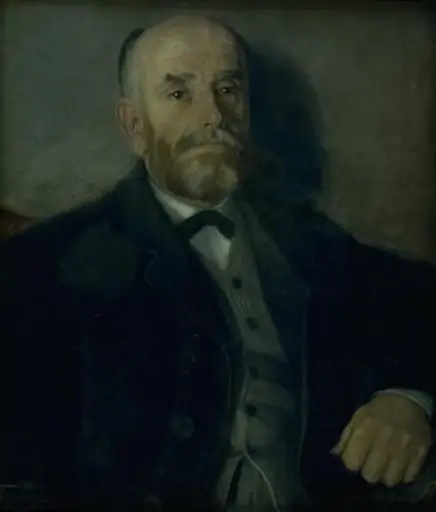 Bagermester B
 Selbstporträt
 Portrait of José Prudencio Guerrico