Artwork
Sheikh Abdulhamid Zahraoui (1855 - 1916)
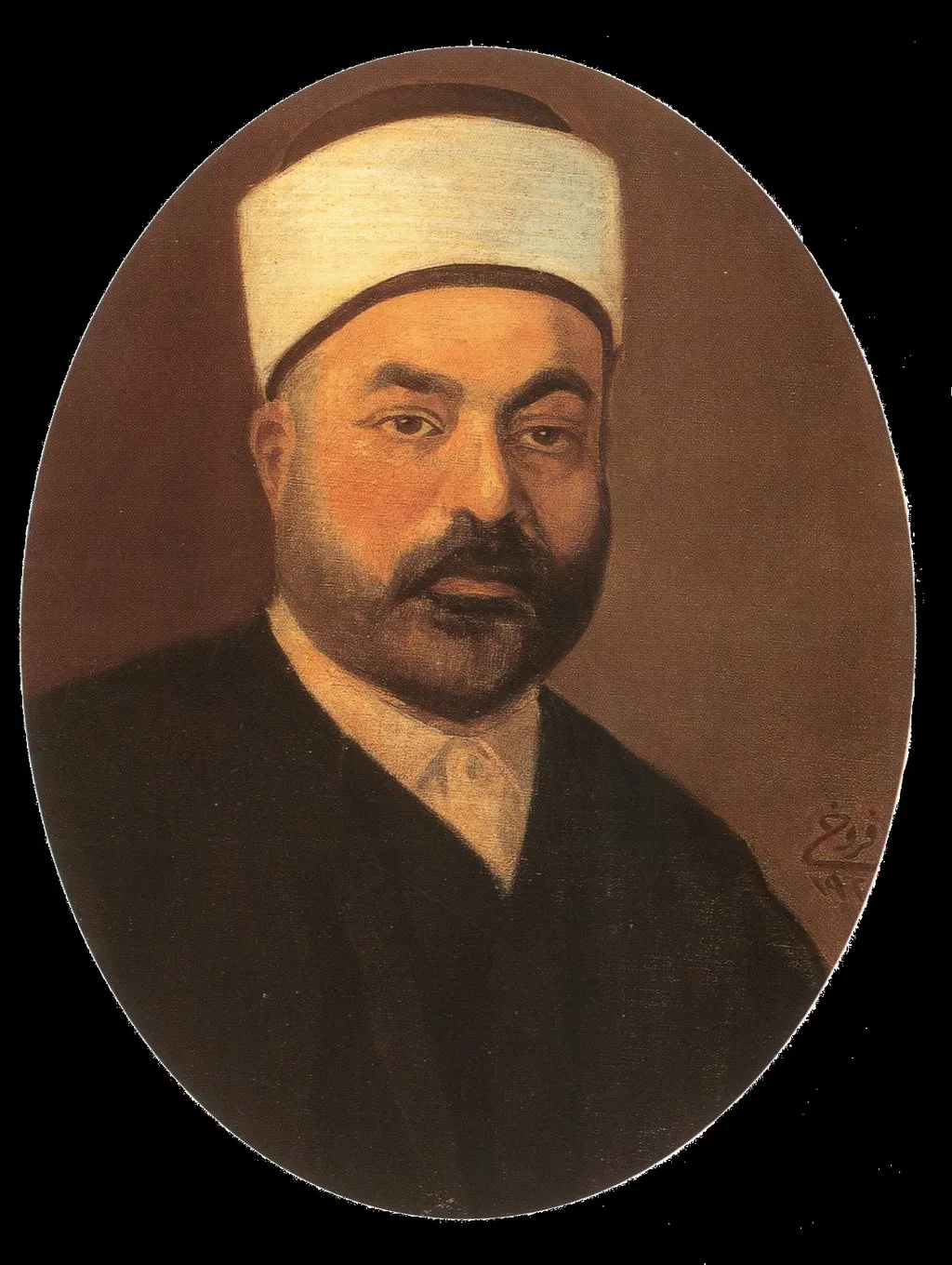
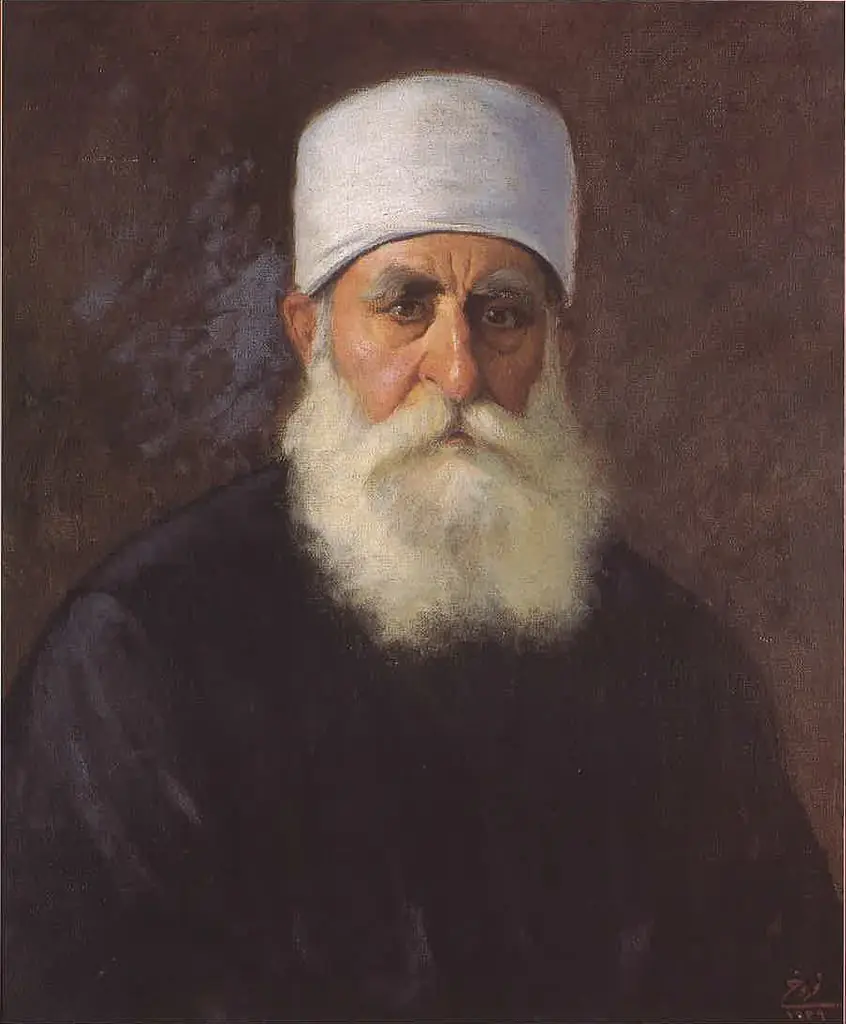
Sheikh Abdulhamid Zahraoui (1855 - 1916) is an oil painting by the Orientalist artist Moustafa Farroukh. It dates from 1939 and is held in the collection of the Sursock Museum.
About this work
Overview
Sheikh Abdulhamid Zahraoui is an oil painting created by Lebanese artist Moustafa Farroukh around 1939, portraying a namesake figure who lived from 1855 to 1916. The work is part of the Sursock Museum's collection.
Subject & Meaning
The painting focuses on ʻAbd al-Ḥamīd Zahrāwī, depicted with a serious expression, directly engaging the viewer with his gaze. His attire—a white turban with a black band, black robe over a white shirt and tie, and dark beard—conveys a sense of dignity and traditional authority.
Technique & Style
Executed in oil paint, the portrait emphasizes the subject's face with detailed facial features, set against a solid brown background that minimizes distraction. The style aligns with the Orientalist movement, though specific techniques characteristic of Farroukh's approach are not detailed here.
History & Provenance
Created circa 1939 by Moustafa Farroukh, the painting is currently held in the Sursock Museum's collection, with no detailed provenance provided for the period between its creation and acquisition.
Context
As part of the Orientalist movement, the painting reflects early 20th-century artistic fascinations with Middle Eastern subjects. However, the specific cultural or historical context in which Sheikh Abdulhamid Zahraoui was depicted is not elaborated upon.
Legacy
While the painting's individual impact is not specified, it contributes to the broader legacy of Moustafa Farroukh as a prominent Lebanese painter of the 20th century, with the Sursock Museum housing a significant part of his and similar works.
Artist & collection
Artist
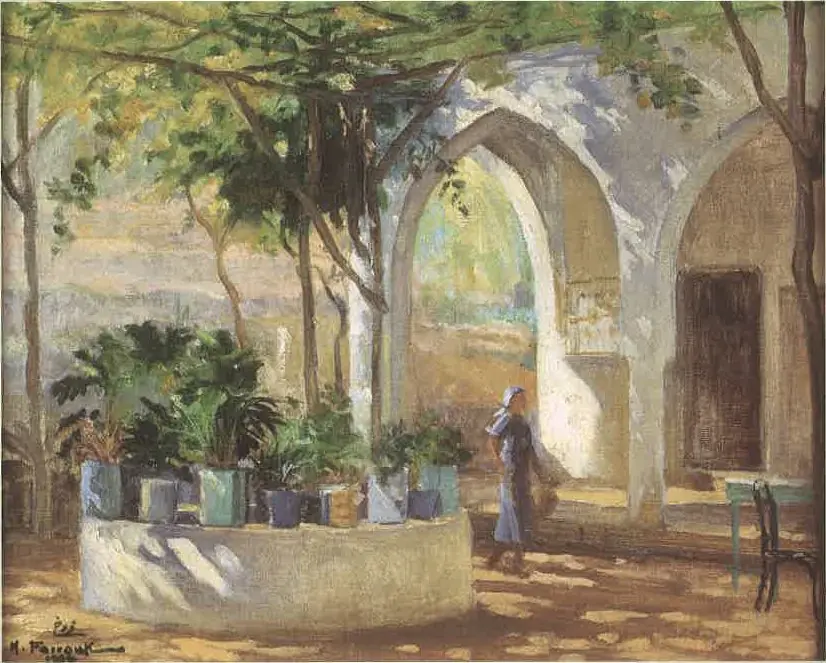
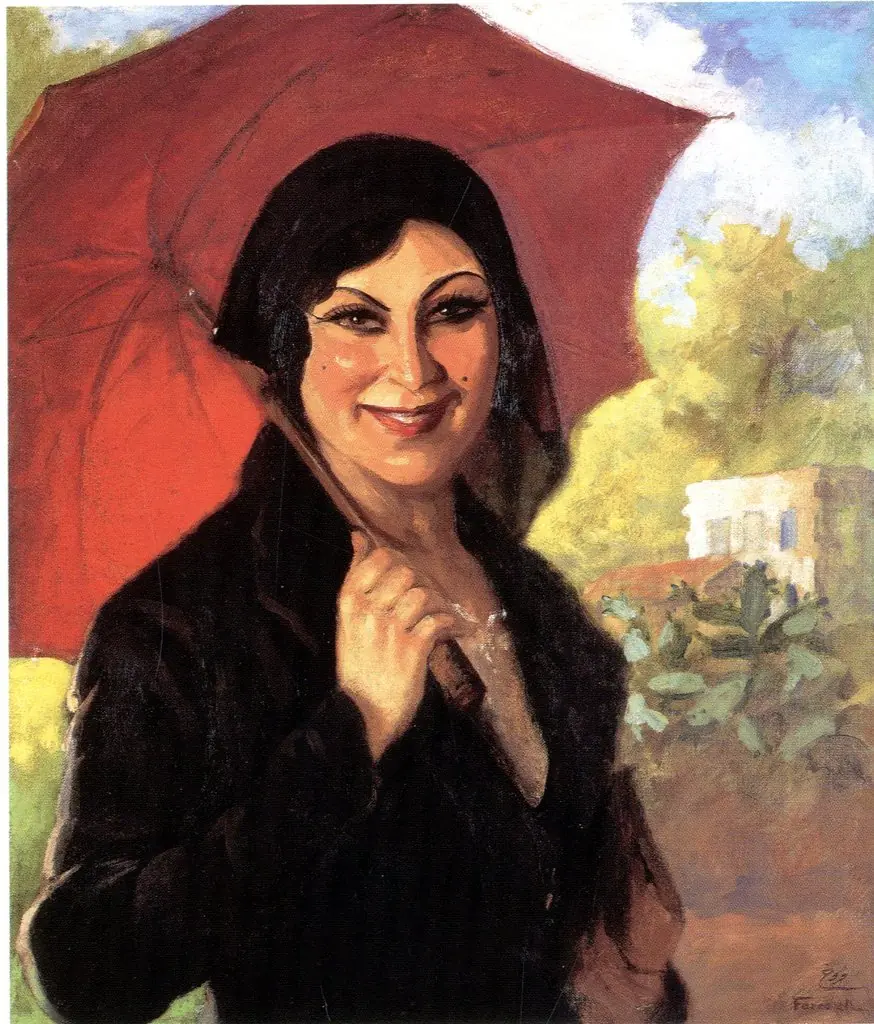
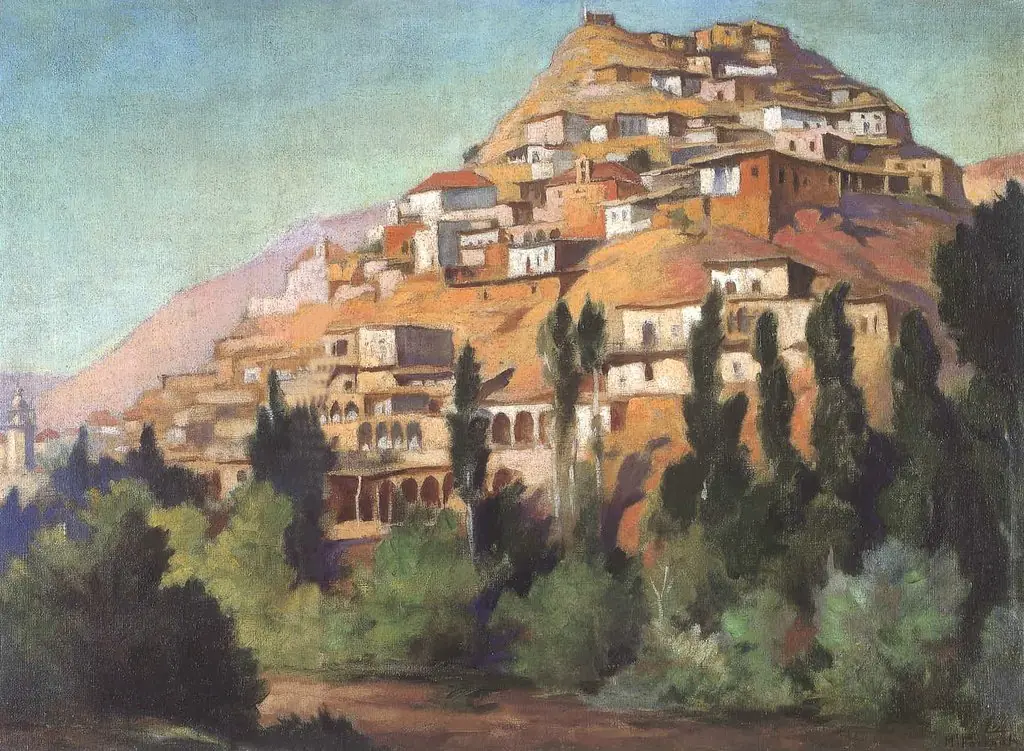
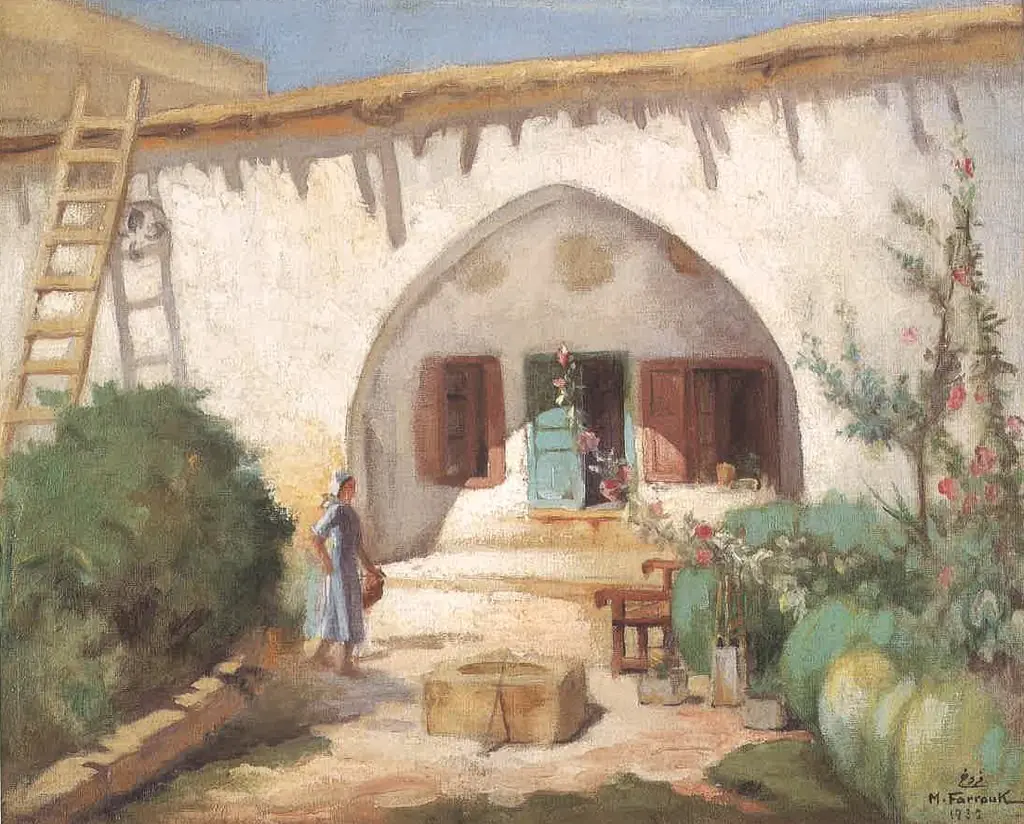
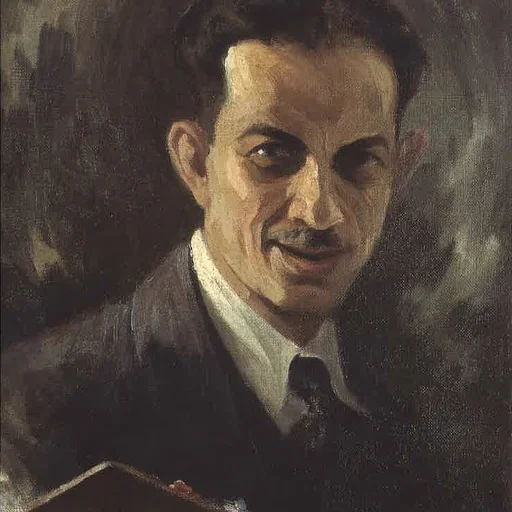
Moustafa Farroukh (Arabic: مصطفى فروخ; 1901 – 1957) was one of Lebanon's most prominent painters of the 20th century.