Artwork
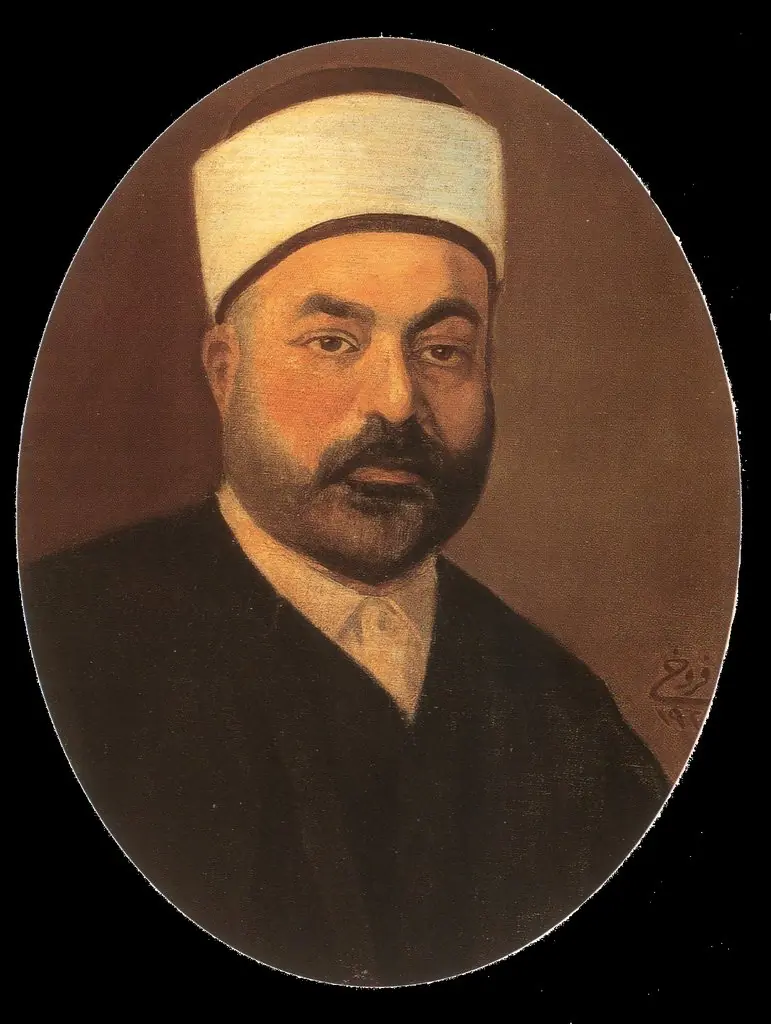
Imam Muhammad Abduh
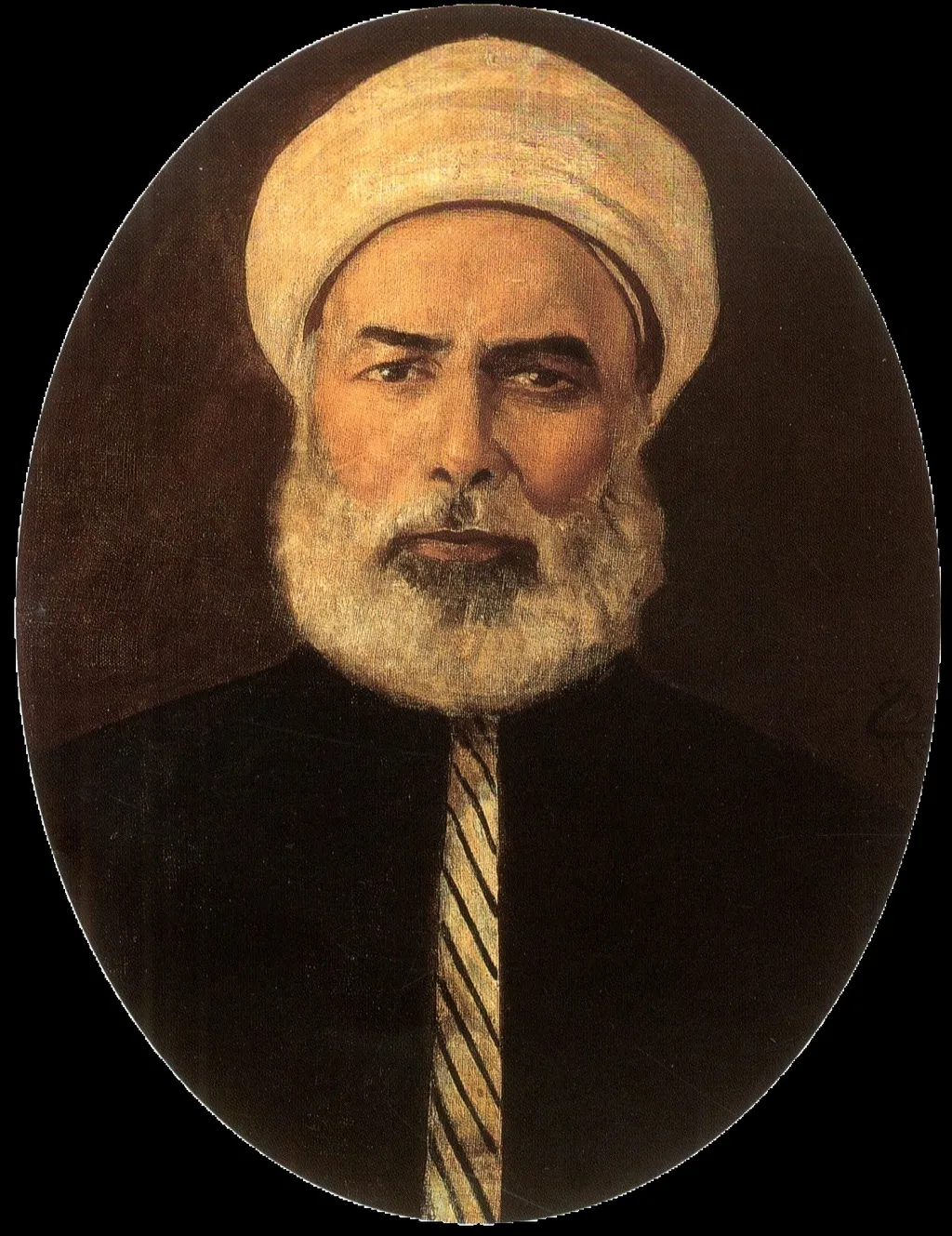
Imam Muhammad Abduh is an oil painting by Moustafa Farroukh. It dates from 1939 and is held in the collection of the Sursock Museum.
About this work
Overview
Created circa 1939, this oil portrait by Lebanese artist Moustafa Farroukh presents the Egyptian reformist scholar Muhammad Abduh. The composition centers on the figure’s face, accentuated by a white turban and a flowing white beard, set against a muted, dark backdrop that draws the viewer’s attention to his expression.
Subject & Meaning
The work captures Abduh, a pivotal Islamic modernist of the late 19th and early 20th centuries, in traditional attire that underscores his religious authority while his contemplative gaze hints at his intellectual reform agenda. The portrait functions both as a personal likeness and as a visual homage to his role in shaping contemporary Islamic thought.
Technique & Style
Farroukh employs oil’s capacity for depth, using chiaroscuro to model the scholar’s features with pronounced light and shadow. The dark background recedes, allowing the illuminated turban and beard to dominate. Brushwork is smooth yet textured, lending a tactile quality to the fabrics and emphasizing the three‑dimensional presence of the sitter.
History & Provenance
The painting resides in the collection of the Sursock Museum in Beirut, reflecting Farroukh’s long‑standing ties to the institution. Farroukh, prolific with over two thousand canvases and author of several books, including a biography, produced this portrait during a period of heightened cultural exchange between Lebanon and Egypt.
Artist & collection
Artist
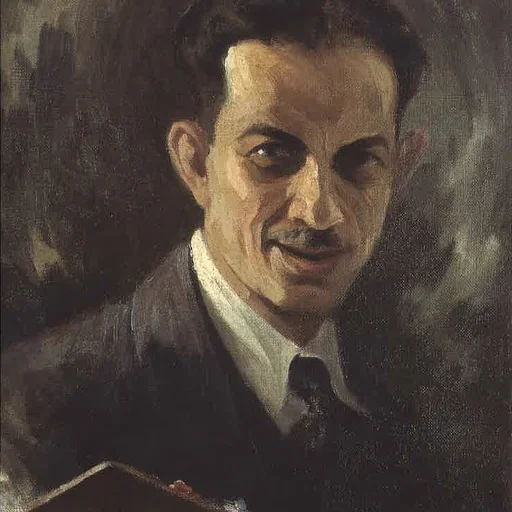
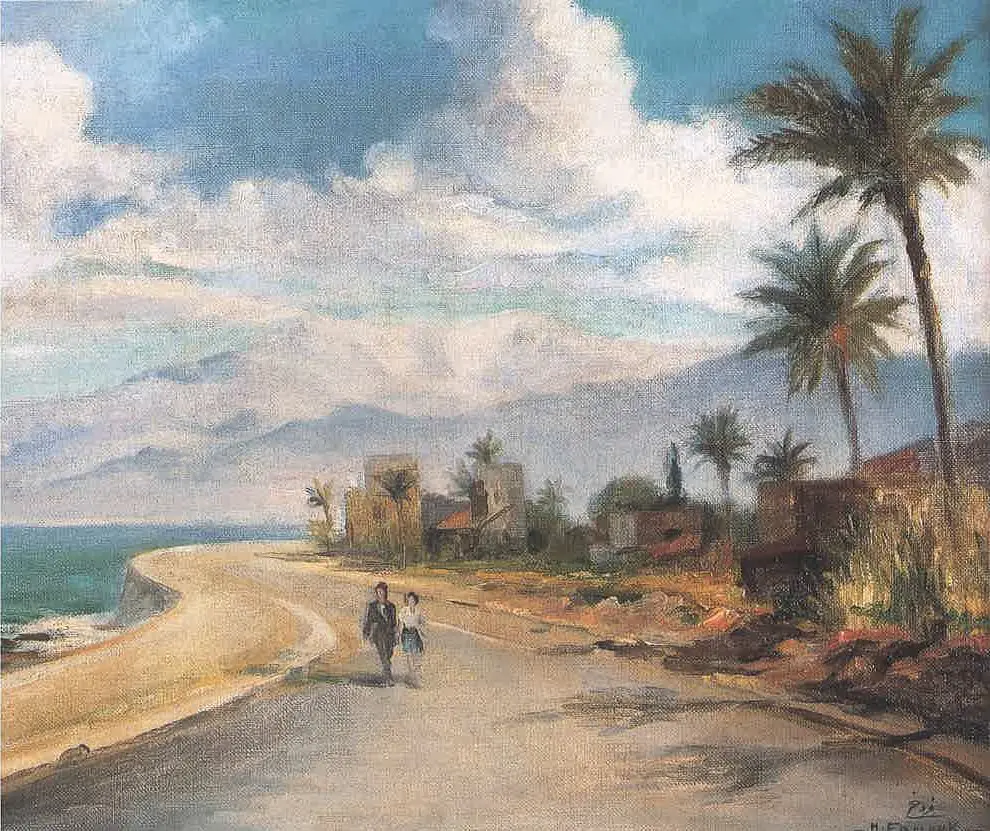
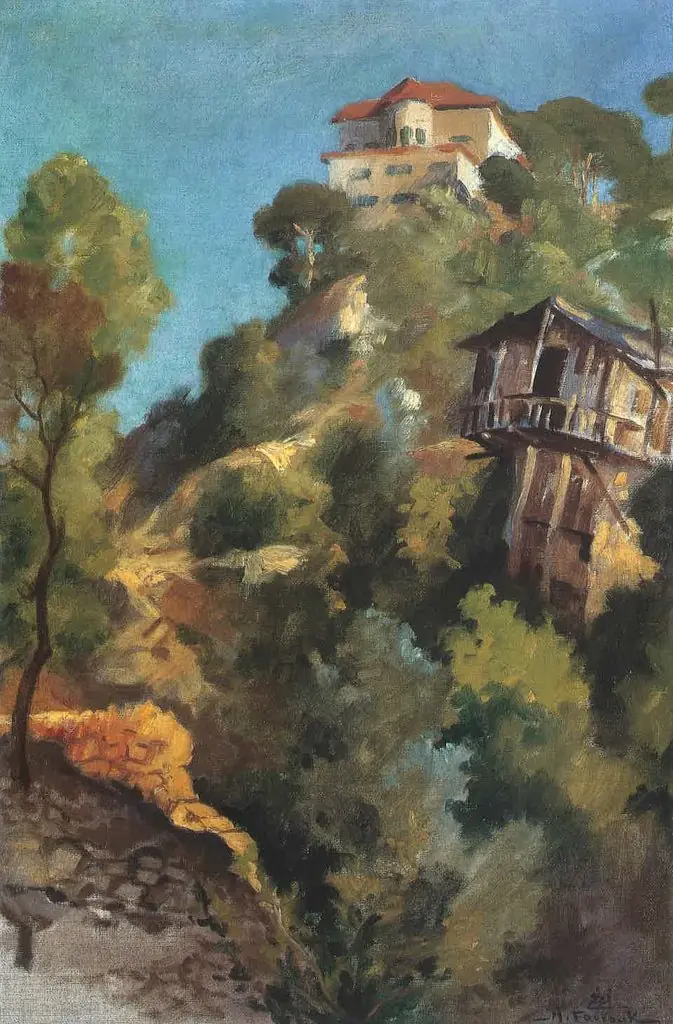
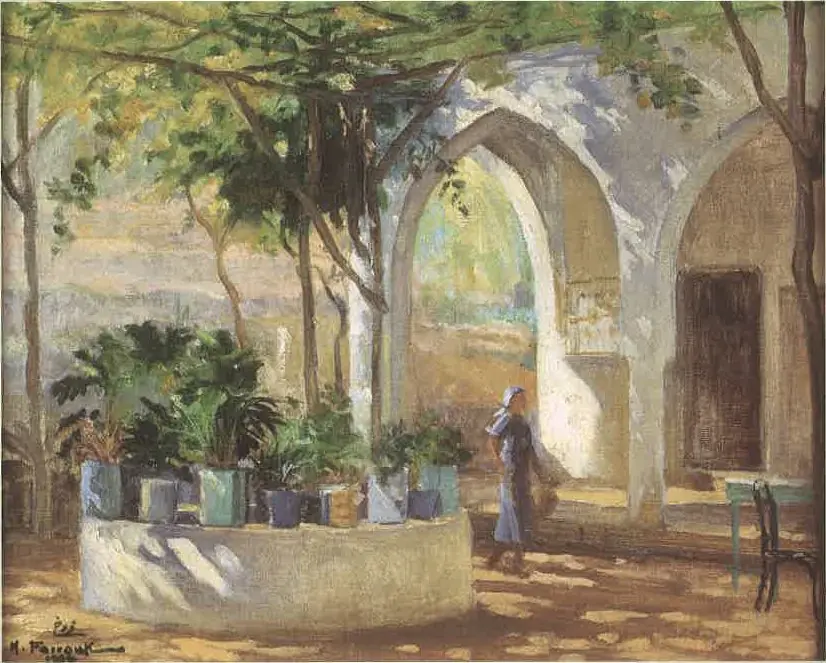
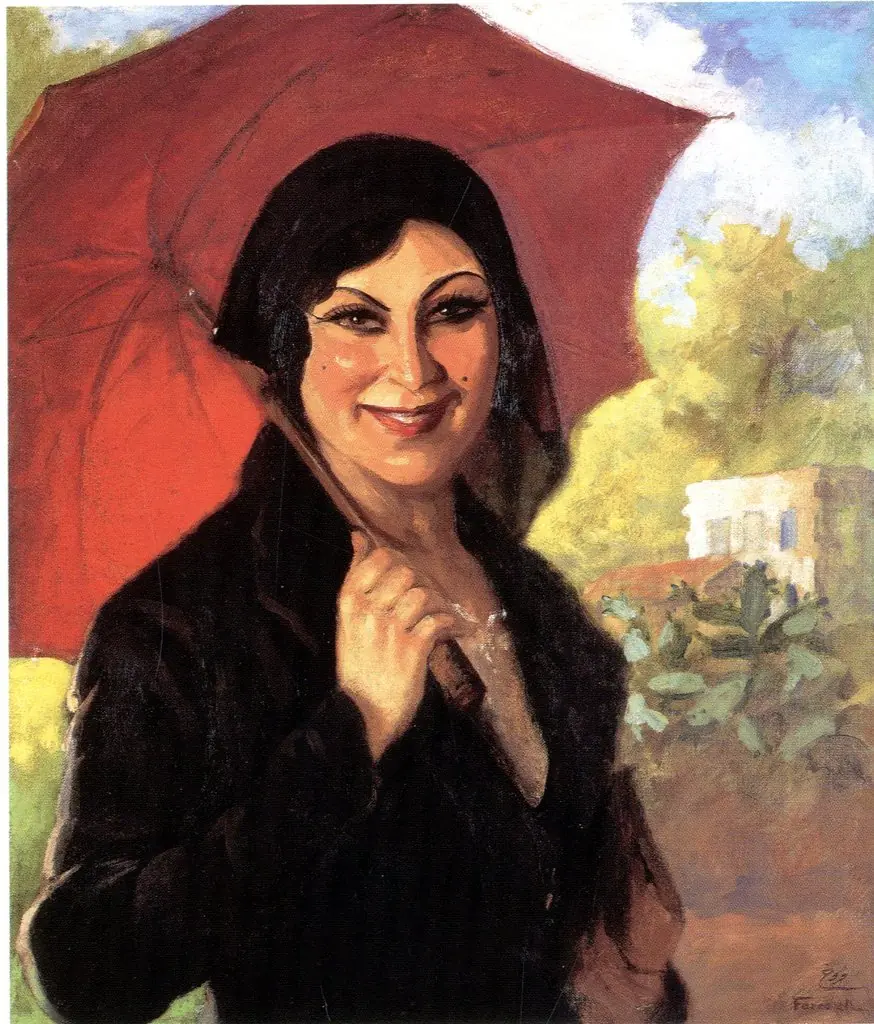
Moustafa Farroukh (Arabic: مصطفى فروخ; 1901 – 1957) was one of Lebanon's most prominent painters of the 20th century.

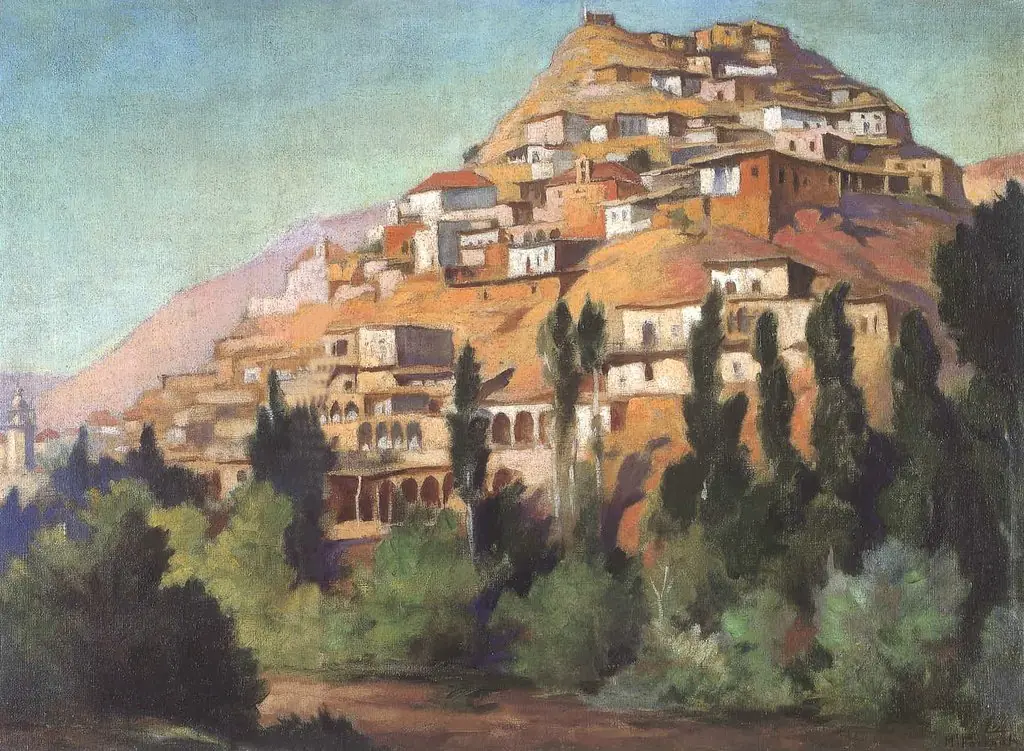
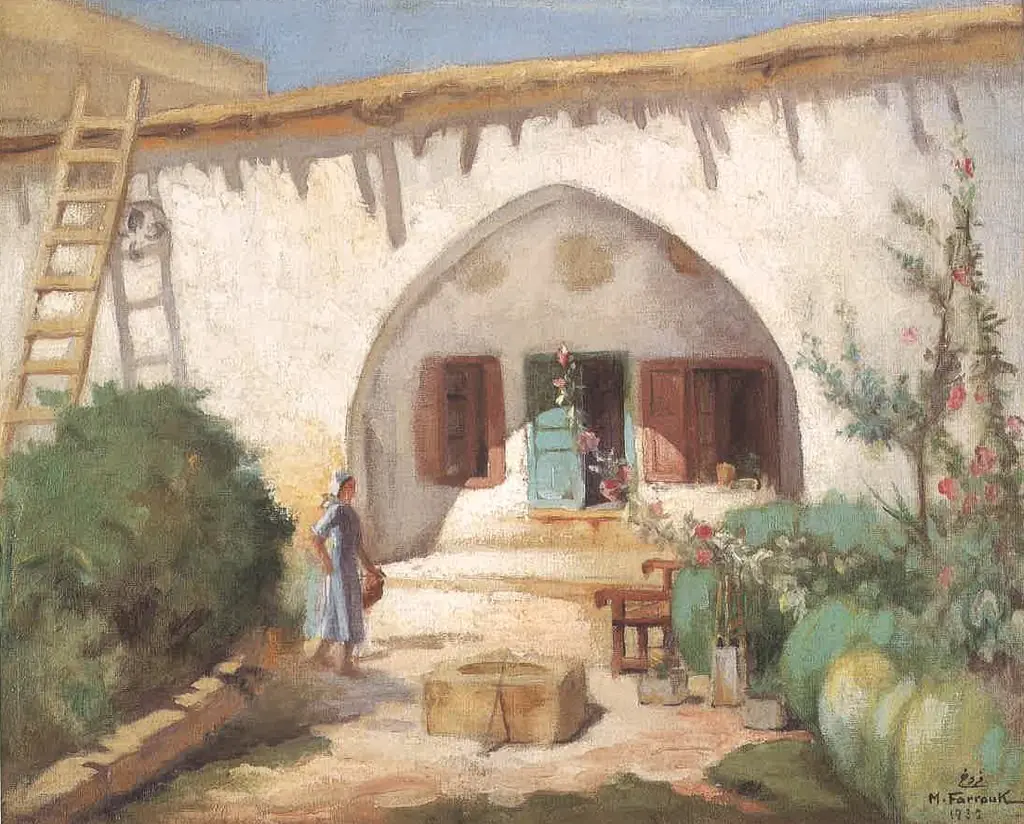
 Sheikh Abdulhamid Zahraoui (1855 - 1916)
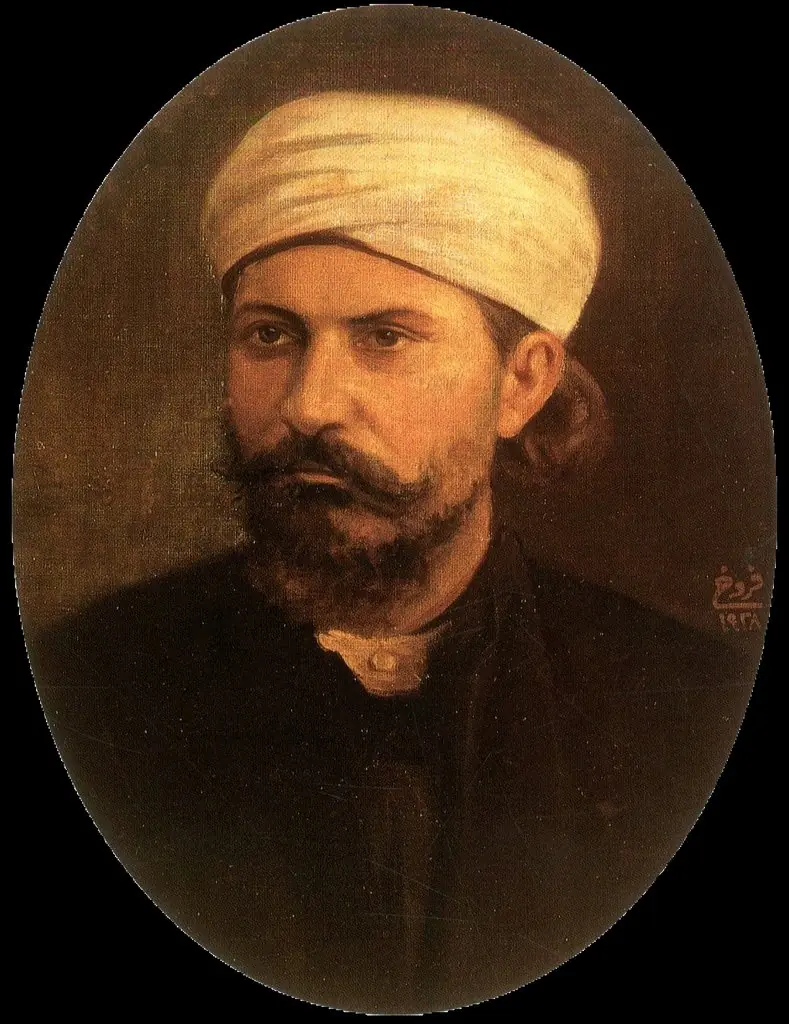 Al-Dāʿīa Jamal Al-Din Al-Afghani
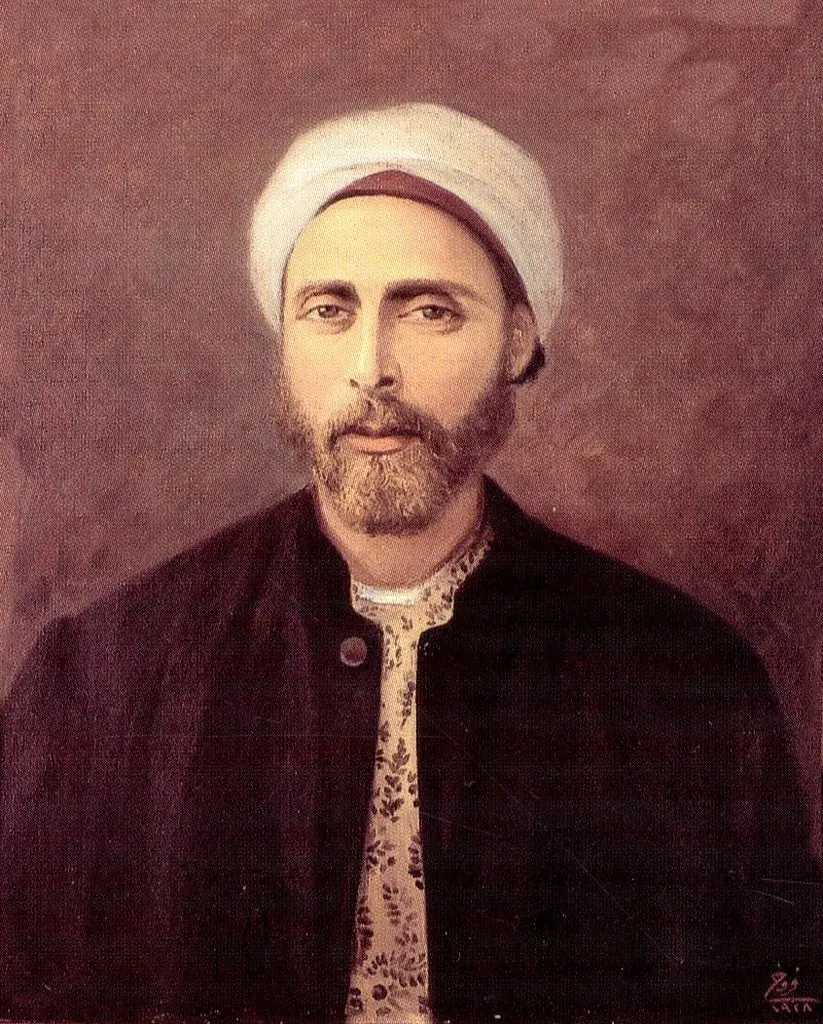 Hajj Hussein Beyhum
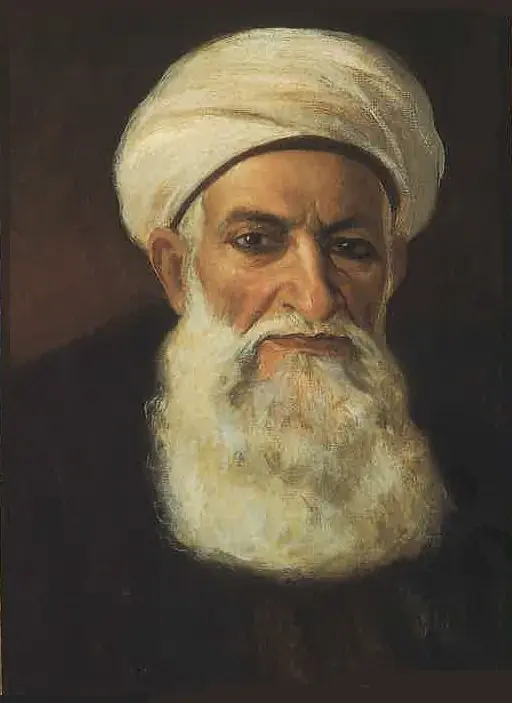 Portrait of Sheikh Selim Nasser
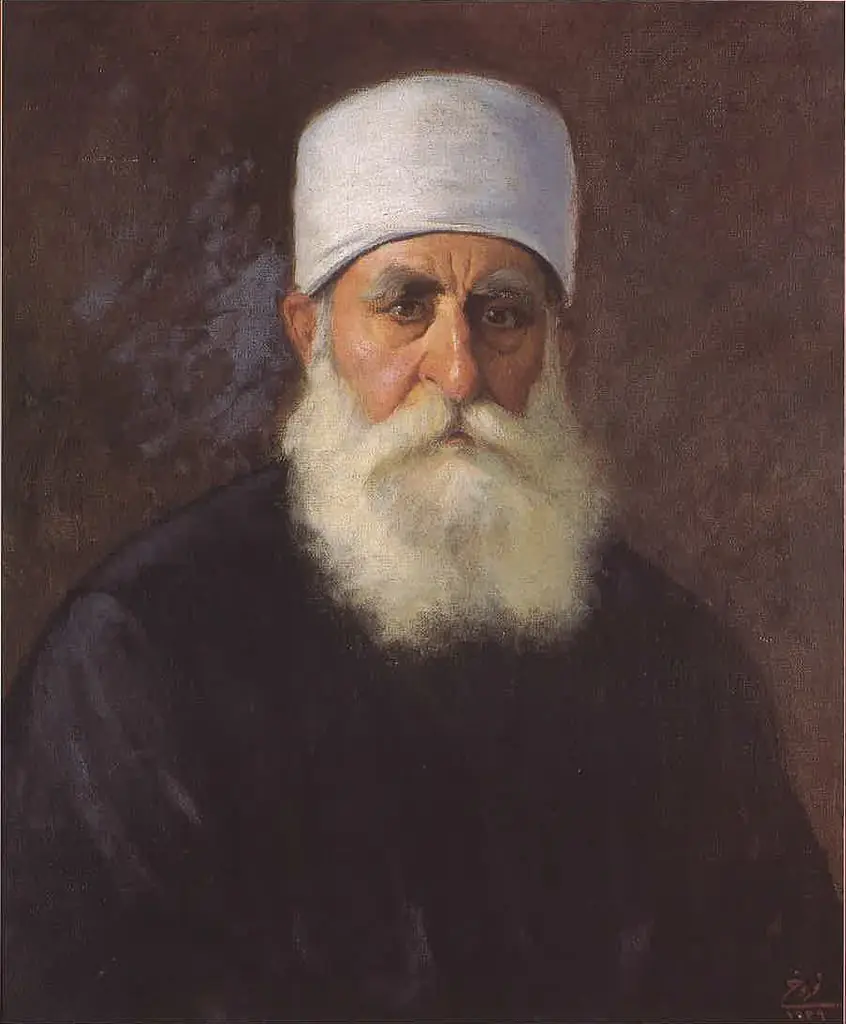 Portrait of Sheikh Saïd Hamdane
 Portetul lui Alexandru Villara
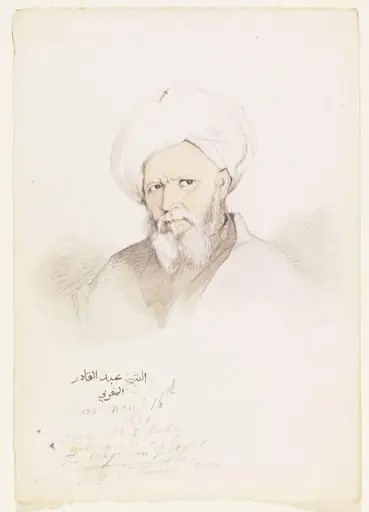 Sheik Abdul Kadir Mugrabi - The Magician of Egypt
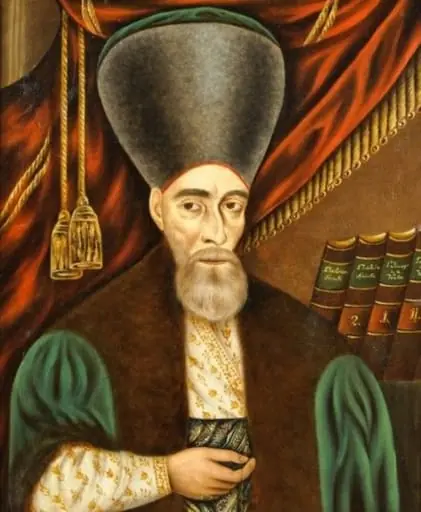 Hatmanul Manolache Manu
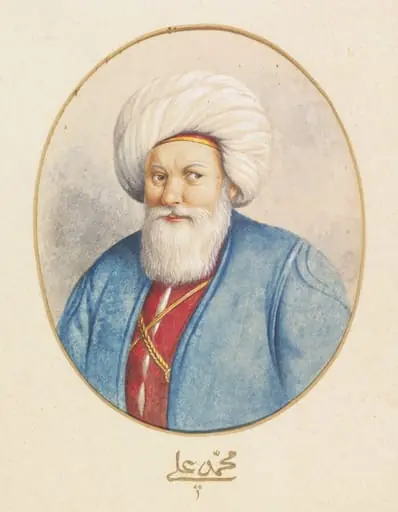 Portrait of Muhammad Ali
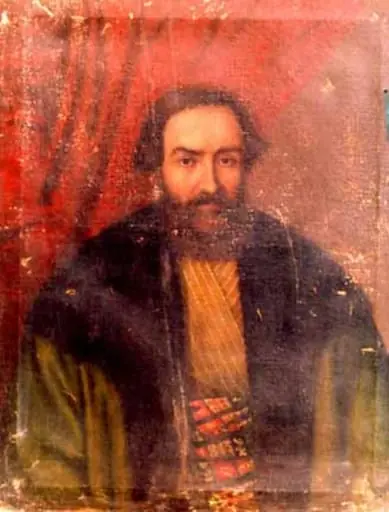 Portret de bărbat
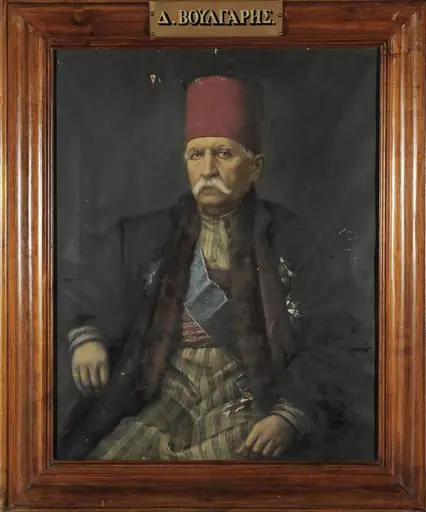 Προσωπογραφία του Δημητρίου Βούλγαρη
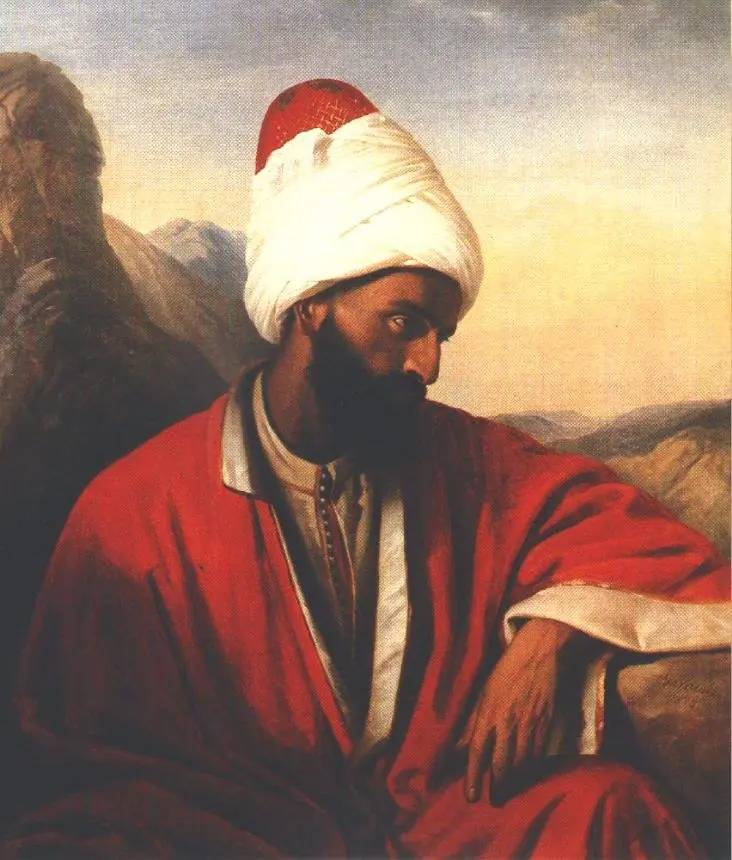 Arab Man (A Dervish)