Artwork
The Noon Paryer
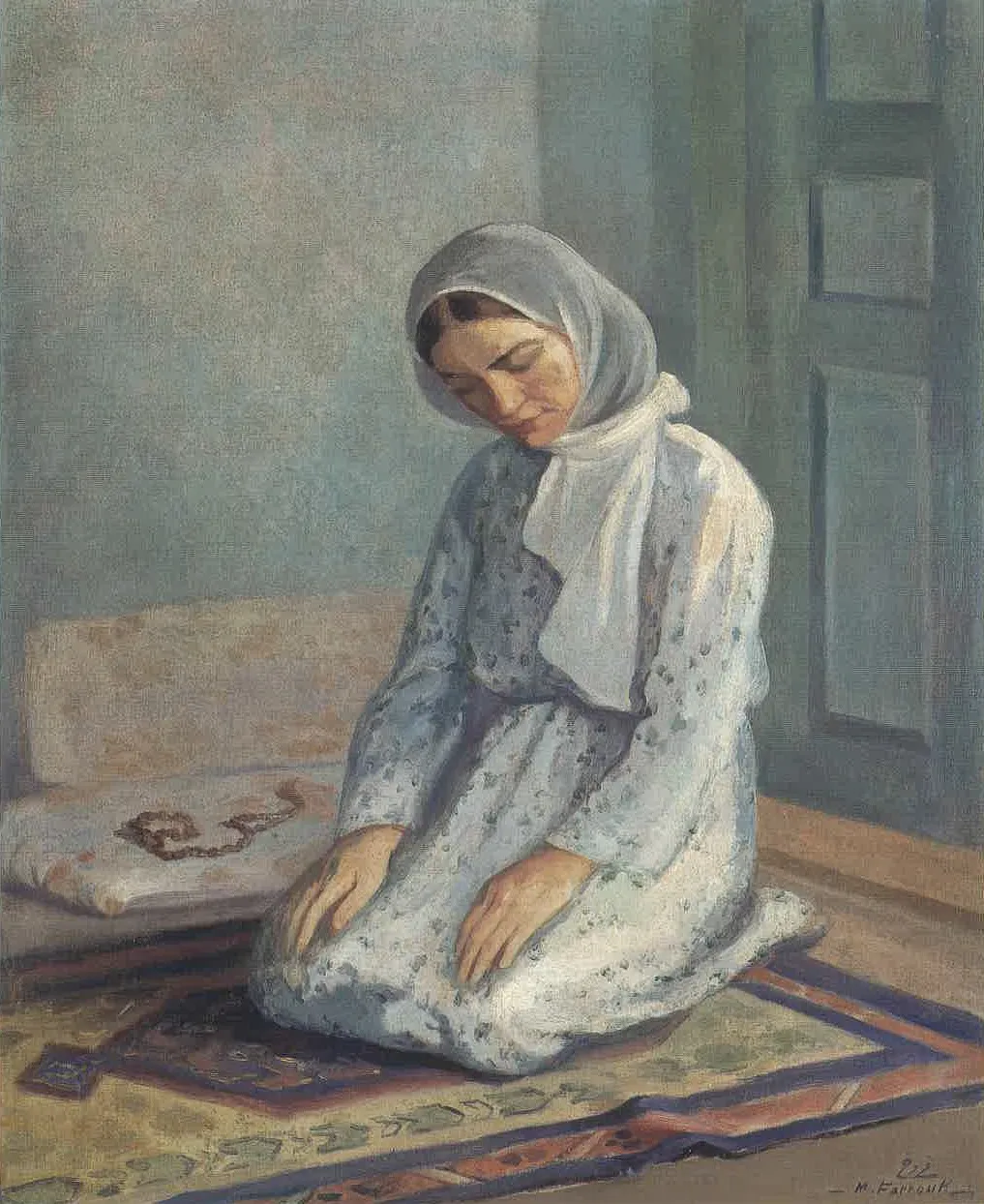
The Noon Paryer is an oil painting by Moustafa Farroukh. It dates from 1939 and is held in the collection of the Sursock Museum.
About this work
Overview
Painted around 1939 by Lebanese artist Moustafa Farroukh, *The Noon Prayer* is an oil on canvas depicting a solitary woman in the act of salah. Farroukh, a central figure in Lebanon’s modern art scene, produced this work during a phase of intense creative output. The painting is part of the Sursock Museum’s collection, reflecting its significance in the national artistic heritage.
Subject & Meaning
Dressed in a white robe adorned with blue floral motifs and a matching headscarf, she kneels on a patterned rug, her hands resting on her thighs.
The subject is a woman engaged in midday prayer, her posture and gaze conveying quiet devotion. Dressed in a white robe adorned with blue floral motifs and a matching headscarf, she kneels on a patterned rug, her hands resting on her thighs. The absence of overt symbolism and the intimate framing suggest a personal, interior moment rather than a public ritual, emphasizing stillness and spiritual focus.
Technique & Style
Farroukh employs chiaroscuro to model the figure with subtle gradations of light and shadow, lending volume to the robe and headscarf. The gray background, slightly darker on the right, implies an architectural space without distraction. The rug’s floral pattern and the woman’s clothing are rendered with restrained detail, directing attention to the calm geometry of her posture and the soft contrast between fabric and wall.
History & Provenance
Created during a period of active artistic development in Lebanon, the painting entered the Sursock Museum’s collection in the 20th century. Farroukh, who produced over two thousand works and authored several publications, was widely recognized in his lifetime. The painting’s preservation in a major Lebanese institution underscores its role in documenting domestic religious practice through modern visual language.
Context
In late 1930s Lebanon, artists like Farroukh increasingly turned to local life as subject matter, moving beyond European academic traditions. *The Noon Prayer* reflects this shift, portraying an everyday spiritual act with dignity and restraint. It aligns with broader regional efforts to define a modern Arab visual identity rooted in cultural specificity rather than external models.
Legacy
The painting remains a quiet reference point in Lebanese modernism for its sensitive portrayal of private devotion. While not widely exhibited, its presence in the Sursock Museum ensures continued access for scholars and the public. Farroukh’s approach—calm, observational, and unembellished—has influenced later generations seeking to depict religious life without sentimentality.
Artist & collection
Artist
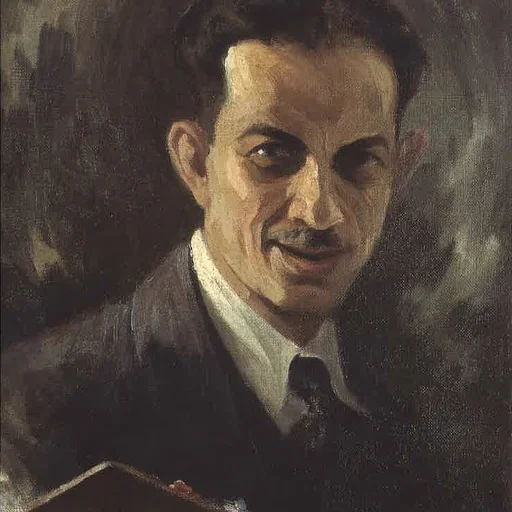
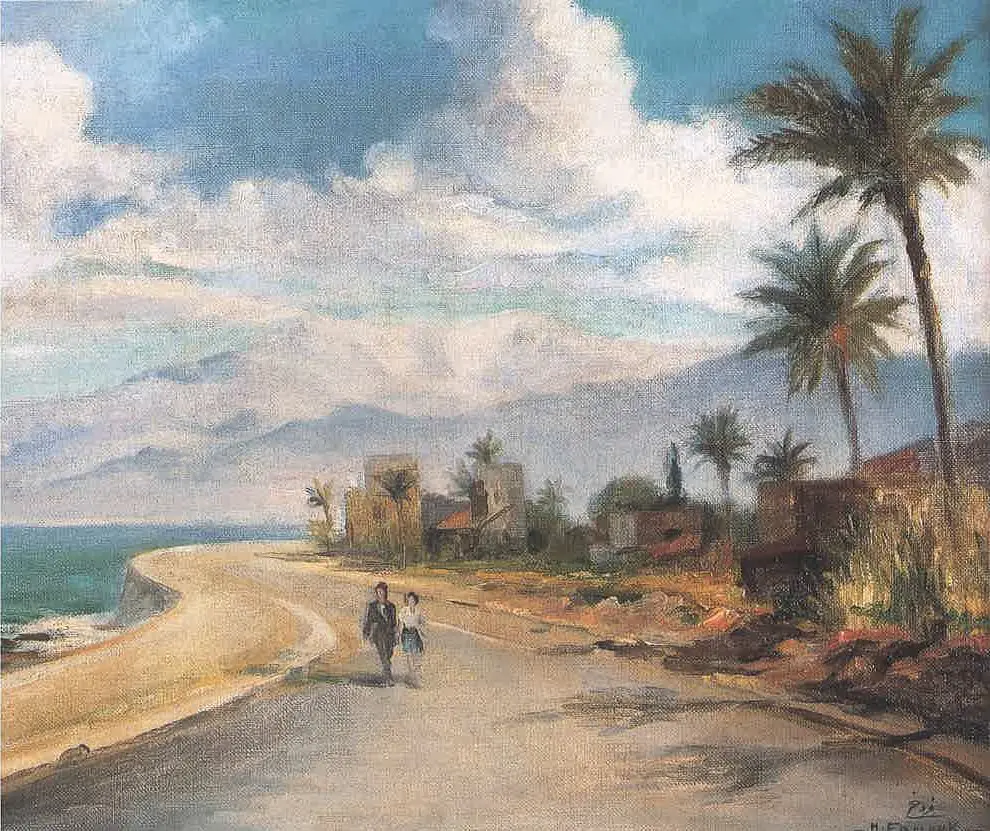
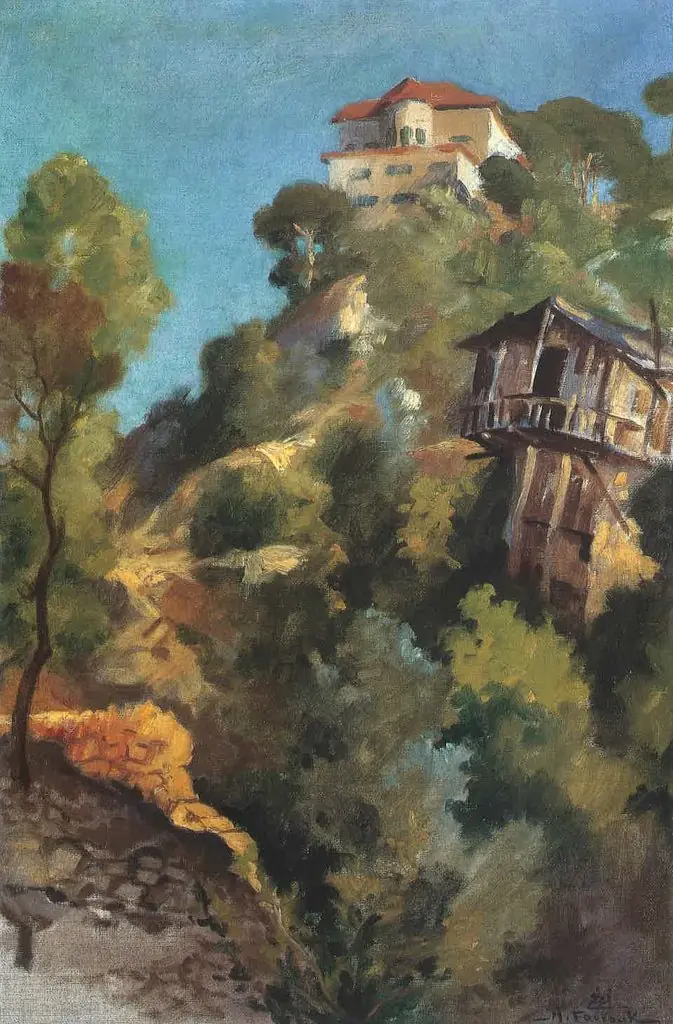
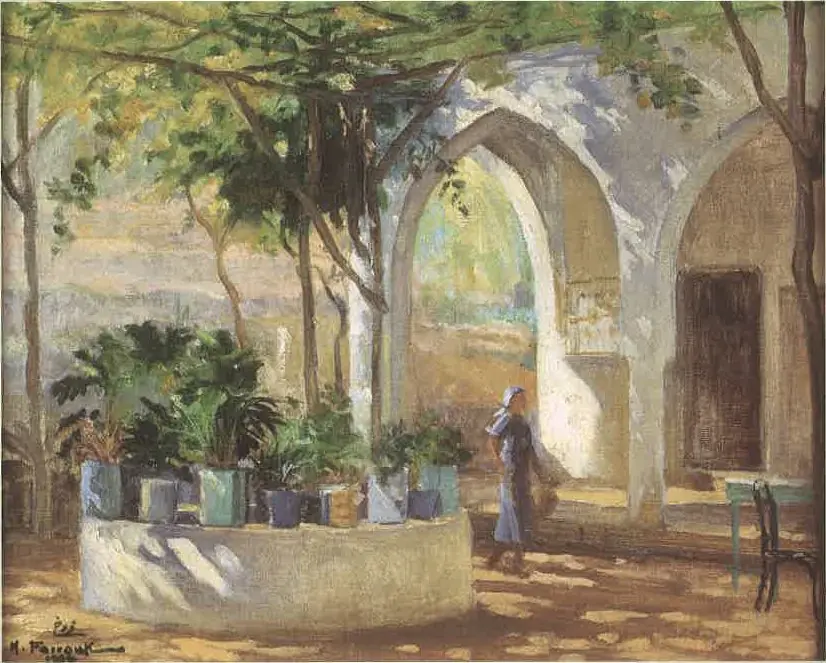
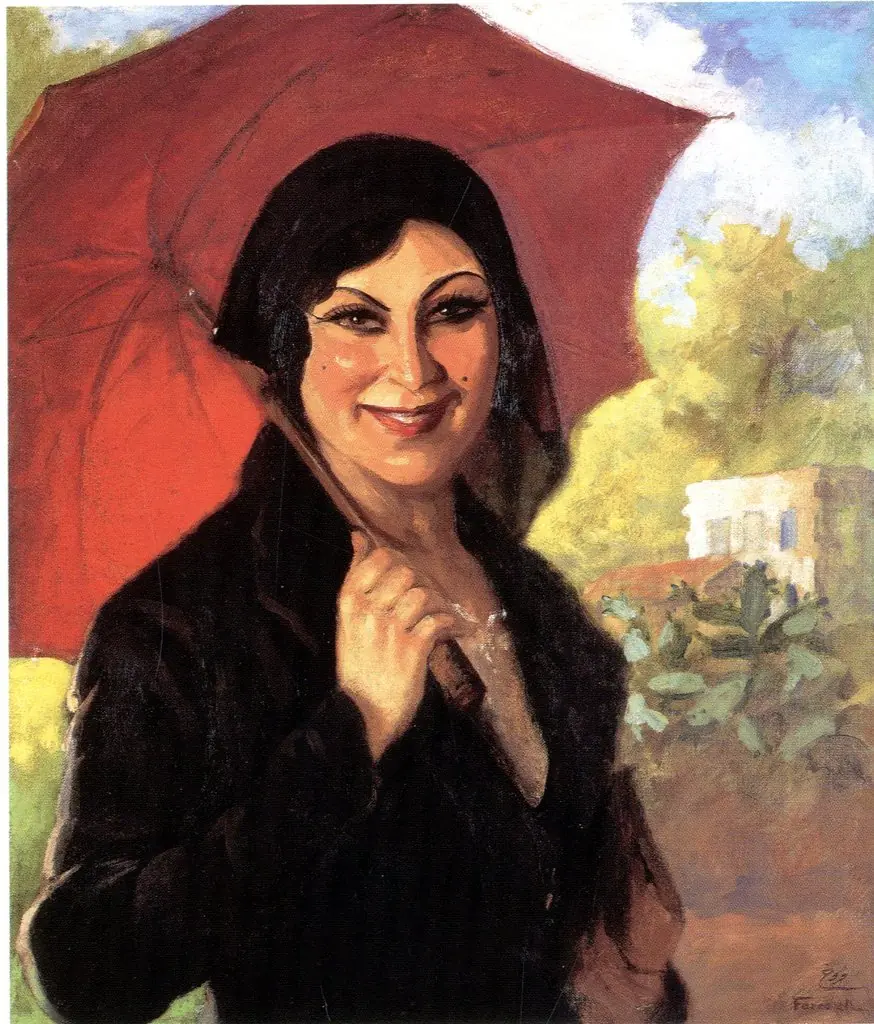
Moustafa Farroukh (Arabic: مصطفى فروخ; 1901 – 1957) was one of Lebanon's most prominent painters of the 20th century.

 Tătăroaică cu țibulcă (Odaliscă)
 A Model
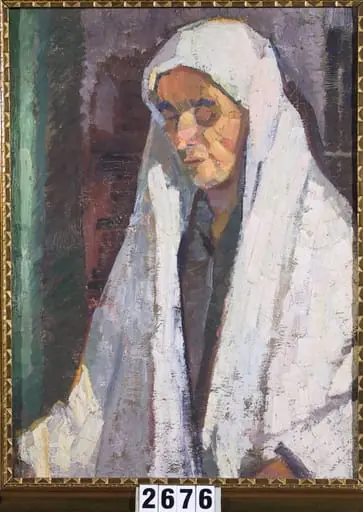 Femeie bătrână cu maramă
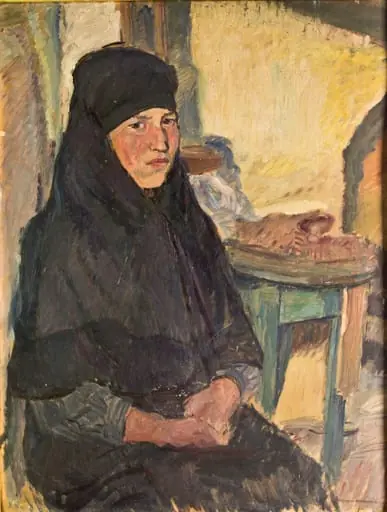 Turcoaică cu feregea - Aișe
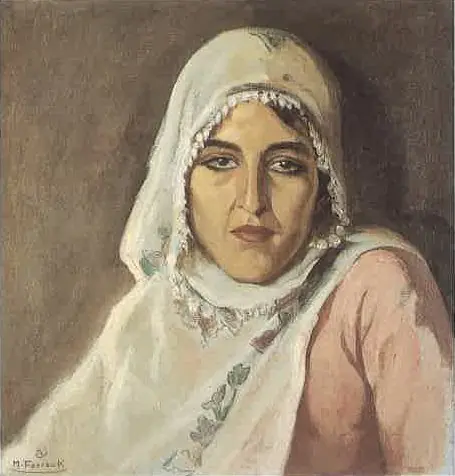 A Woman from the South
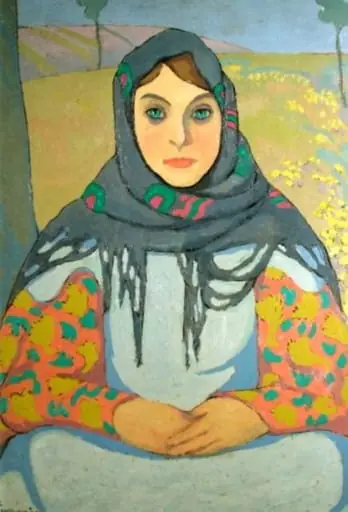 Portret de lipoveancă
 Odaliscă
 Odaliscă cu instrument (Paulina)
 Portret de țărancă
 Portrait of actress Pelageya Antipevna Strepetova in the role of Elizabeth
 From the first stop in the desert. From the journey to Palestine
 Portret de tătăroaică