Artwork
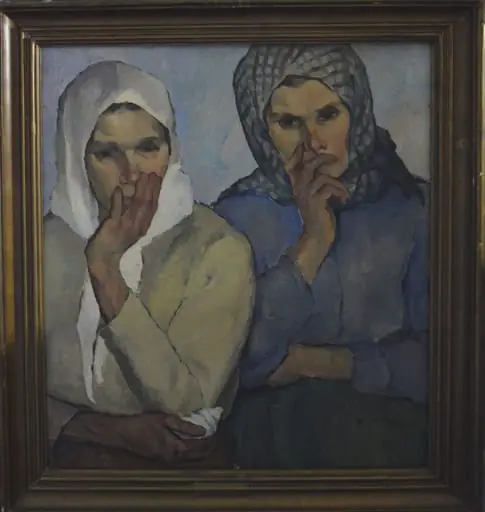
Portret de țărancă
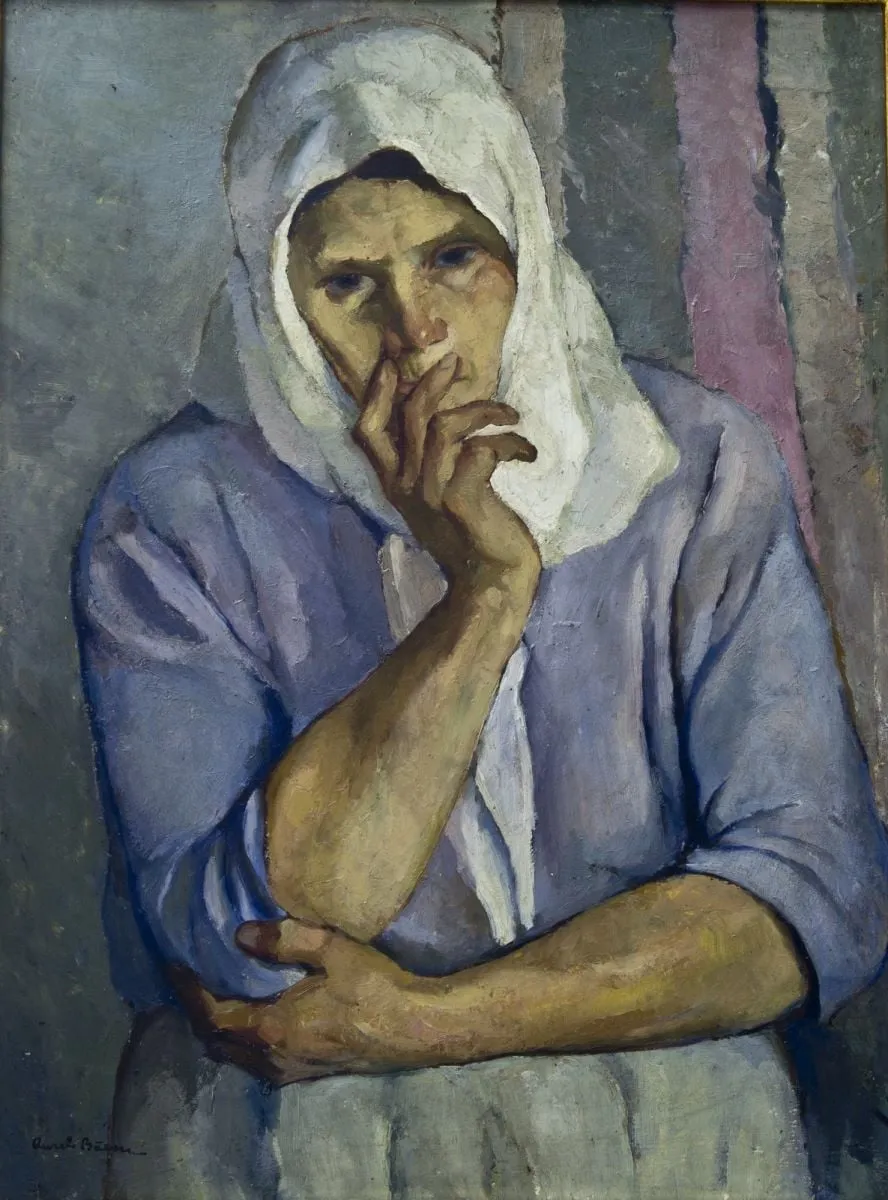
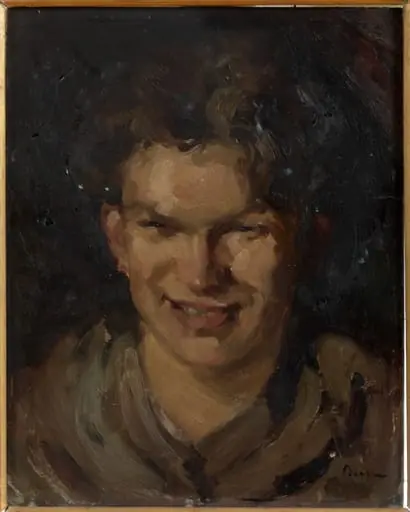
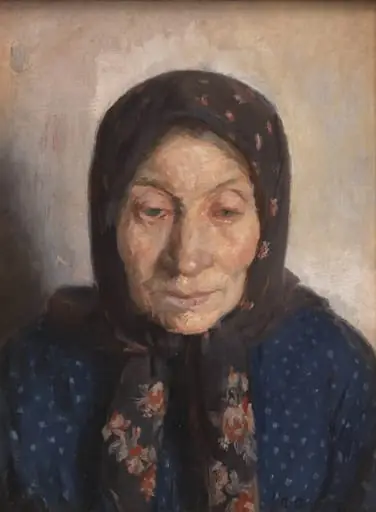
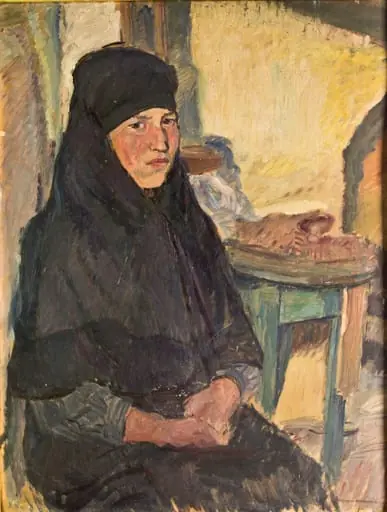
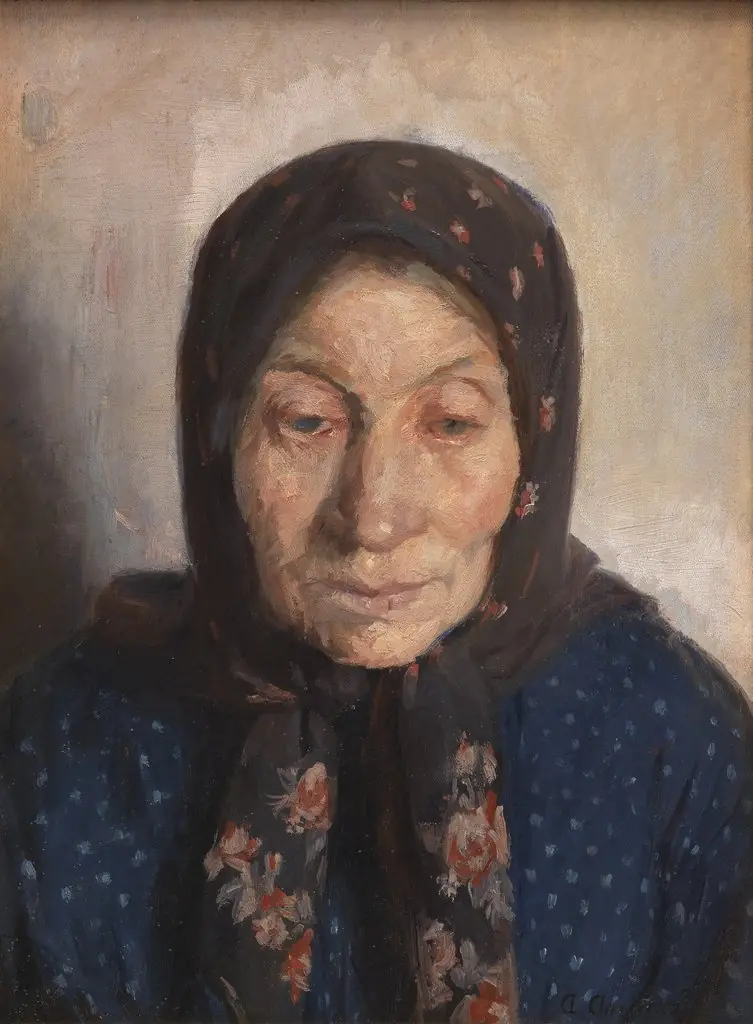
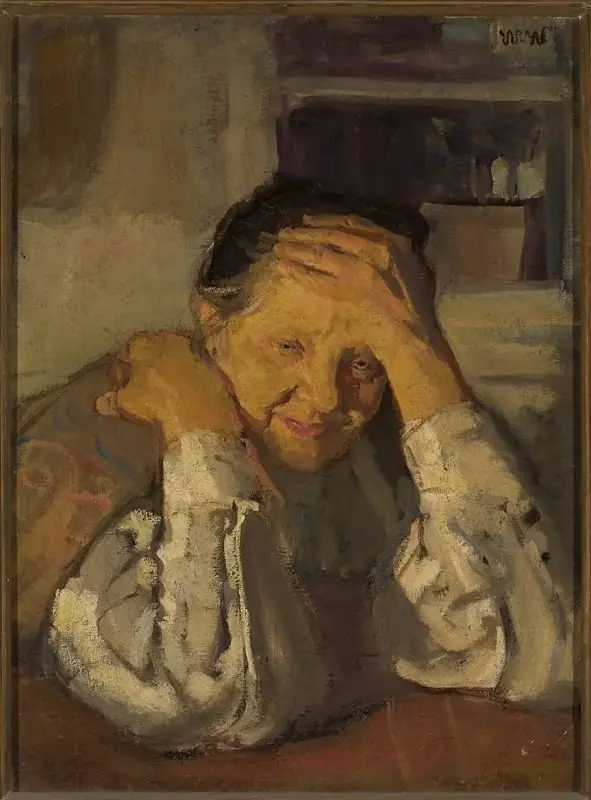
Portret de țărancă is a print by Aurel Băeșu. It dates from 1923 and is held in the collection of the National Museum of Art of Romania.
About this work
Overview
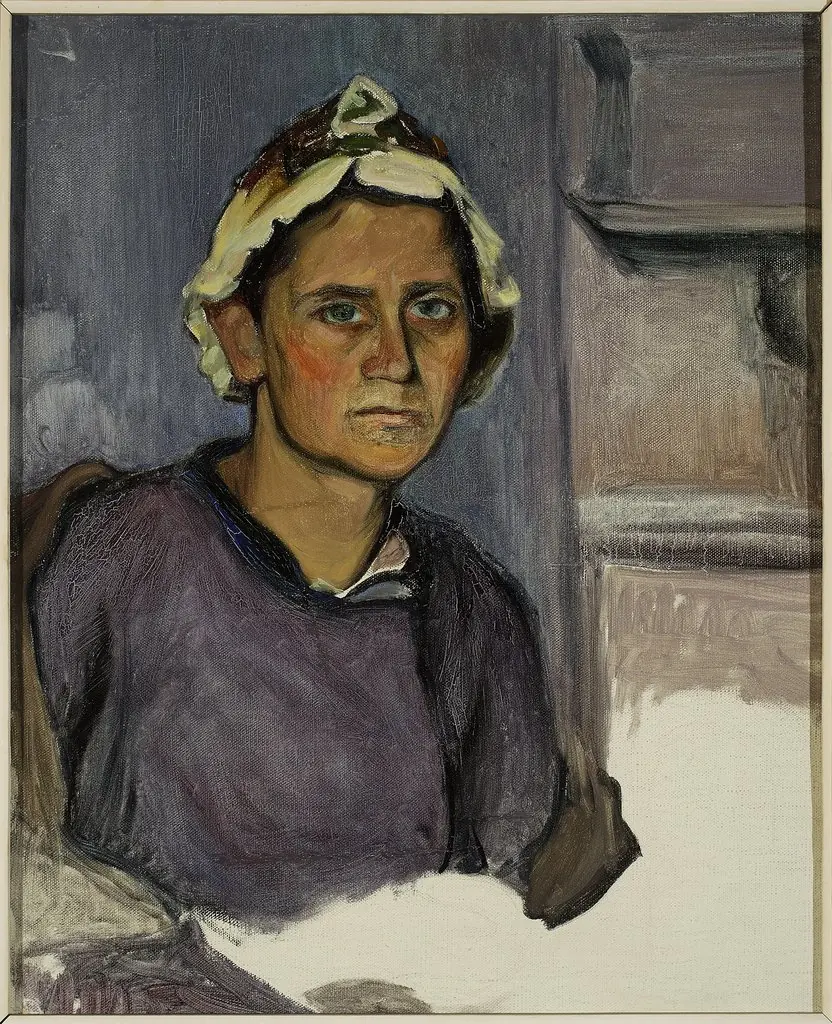
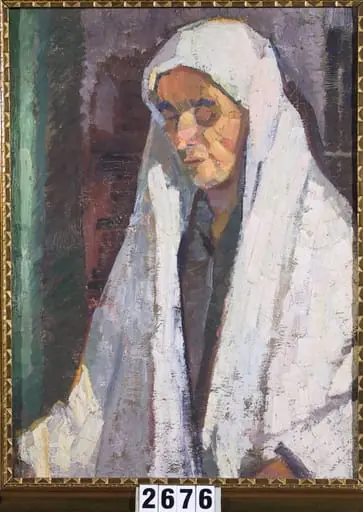
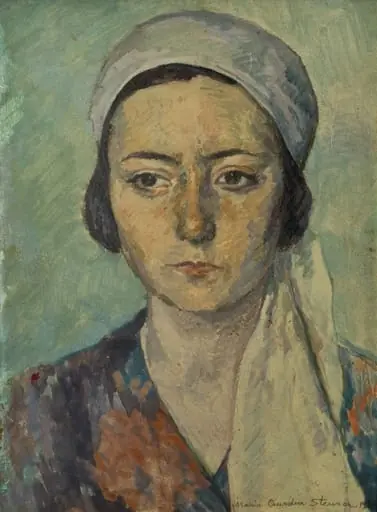
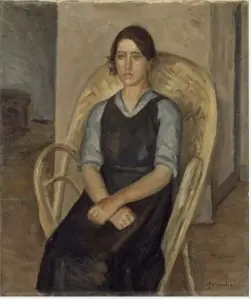
Portret de țărancă, created circa 1923 by Romanian Impressionist Aurel Băeșu, is a portrait of a contemplative peasant woman, exemplifying the artist's adherence to Impressionist principles in his portraiture.
Subject & Meaning
The subject, a woman in humble attire (white headscarf, loose blue dress), is portrayed in introspection, her pose (hands on lap, finger to chin) conveying deep thought. The depiction reflects Băeșu's interest in capturing everyday life, particularly the lives of common people, through Impressionist portraiture.
Technique & Style
Characterized by thick, visible brushstrokes and an impasto technique, the painting boasts a textured, handmade quality. Soft lighting emphasizes the subject's face, contrasting with the shadowy, roughly textured background of faint pink and gray stripes.
History & Provenance
Created around 1923, the work is influenced by Băeșu's admiration for Nicolae Grigorescu, a pivotal figure in Romanian art. Specific provenance details are not provided in the available information.
Context
Emerging from the early 20th-century Romanian art scene, *Portret de țărancă* situates Băeșu within the Impressionist movement, focusing on the portrayal of common life with a unique, textured brushwork style.
Legacy
While specific legacy details of *Portret de țărancă* are not provided, the work contributes to Băeșu's overall body of Impressionist portraiture, reflecting his contribution to Romanian art history.
Artist & collection
Artist
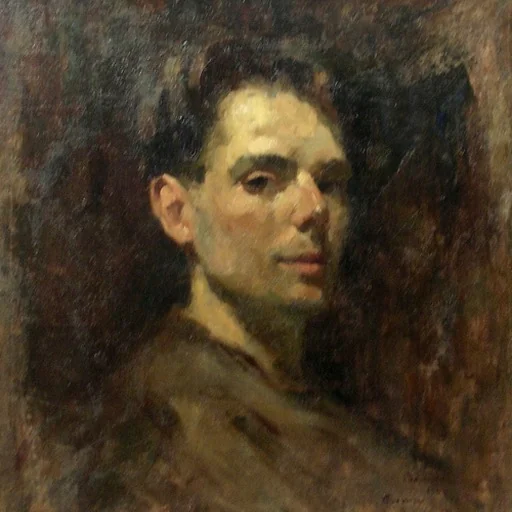
Aurel Băeșu (26 May 1896 – 24 August 1928) was a Romanian Impressionist landscape and portrait painter. Many of his works show the influence of Nicolae Grigorescu; an influence that was common among painters of his generation.