Artwork
Ballantrae
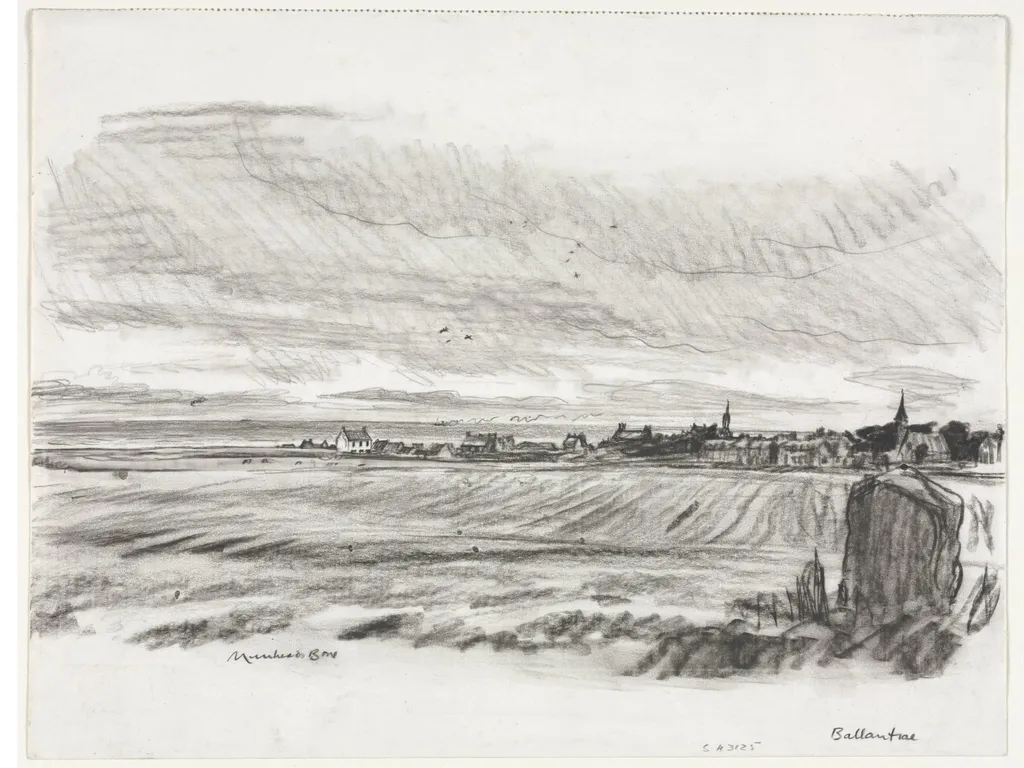
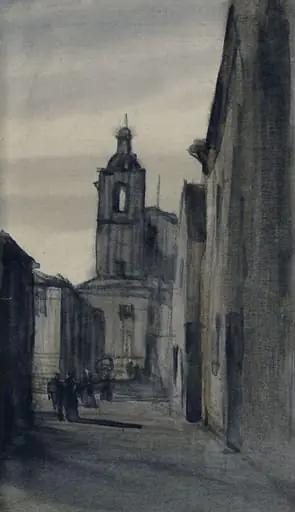
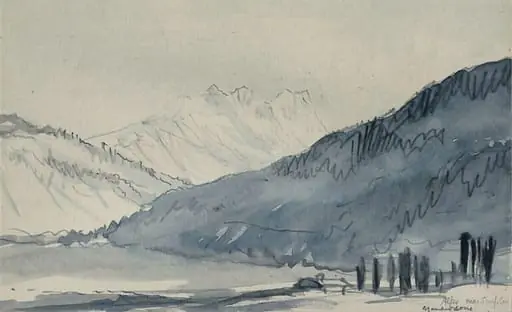
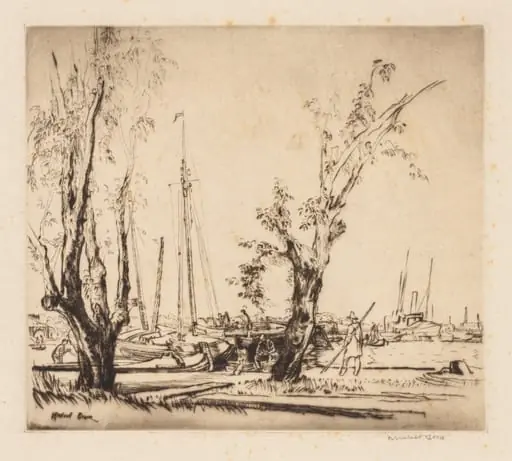
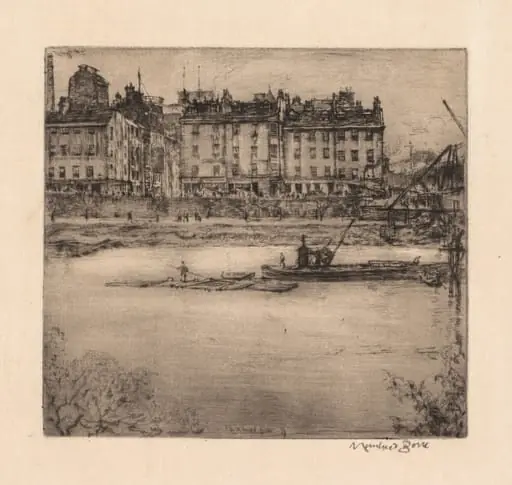
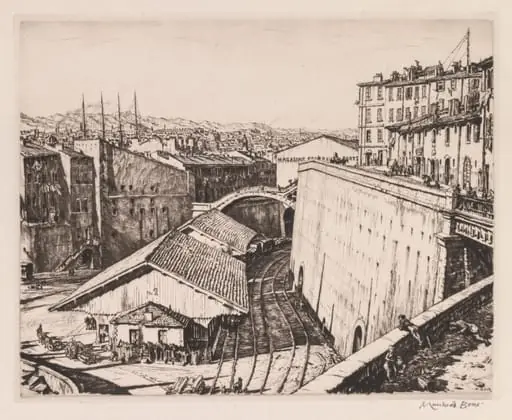
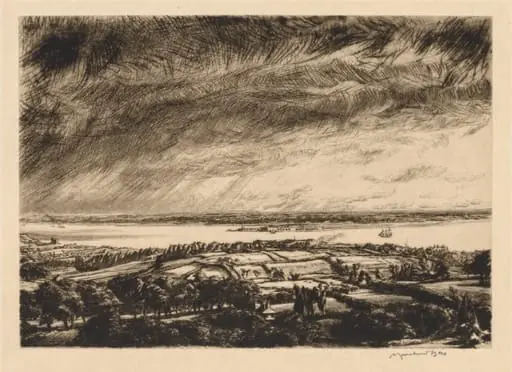
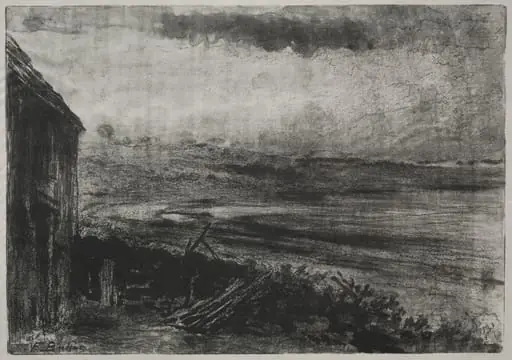
Ballantrae is a drawing by Muirhead Bone. It dates from 1907 and is held in the collection of the Cleveland Museum of Art.
About this work
A closer look reveals the artist's attention to detail, with the brushstrokes and textures of the painting creating a sense of depth and atmosphere.
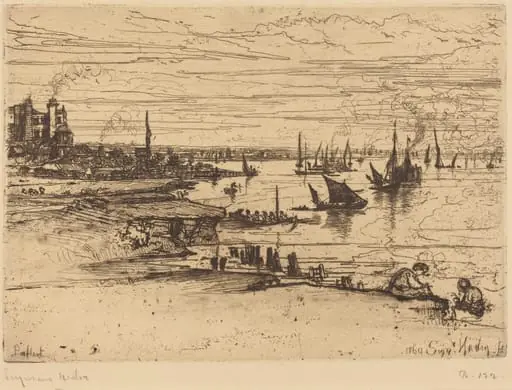
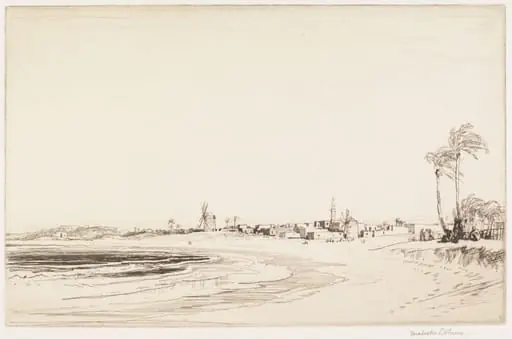
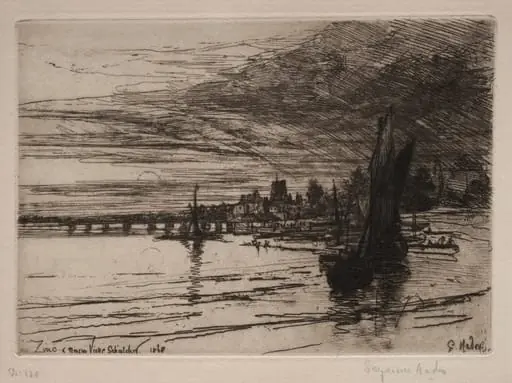
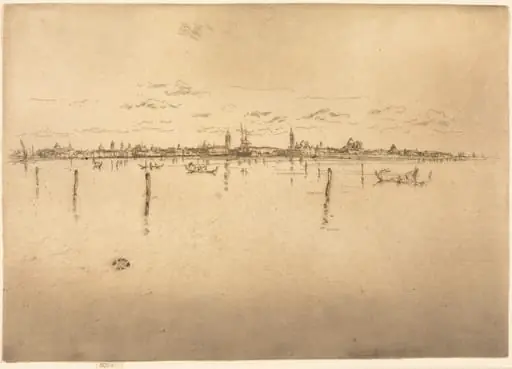
This landscape painting, titled Ballantrae, features a serene rural scene. In the foreground, a field stretches out, with a few buildings visible in the distance. The sky above is cloudy, with a subtle gradient of grays.
A closer look reveals the artist's attention to detail, with the brushstrokes and textures of the painting creating a sense of depth and atmosphere. The overall mood of the piece is one of quiet contemplation.
If you're interested in exploring more works by this artist, you might want to check out Muirhead Bone (British, 1876–1953).
Overview
Muirhead Bone, a Scottish artist active in the early 20th century, produced *Ballantrae* around 1907 as a detailed drawing in the tradition of the Etching Revival. Though often associated with etchings of urban and industrial scenes, this work shifts focus to a quiet rural landscape. Executed with precision, it reflects Bone’s broader interest in architectural and environmental form, even when rendered in a more subdued, natural setting.
Subject & Meaning
The scene depicts a tranquil stretch of countryside near Ballantrae, a coastal village in Ayrshire. Low-lying buildings cluster in the middle distance, surrounded by open fields that recede toward a muted, overcast sky. There is no human activity visible; the absence of figures enhances the sense of stillness. The work conveys a quiet reverence for the land, emphasizing the relationship between human habitation and the natural environment without narrative or drama.
Technique & Style
Bone employed fine, controlled linework and subtle tonal gradations to model form and atmosphere. The texture of the field and the weight of the clouds are suggested through layered hatching and delicate washes, avoiding bold contrasts. His approach prioritizes accuracy and spatial clarity, characteristic of his training in architectural draftsmanship. The restrained palette of grays and earth tones reinforces the calm, observational tone of the piece.
History & Provenance
The drawing entered the collection of the Cleveland Museum of Art, where it remains today. While Bone’s architectural etchings were widely collected and sold at high prices before 1929, this landscape represents a less commercially prominent but equally considered facet of his output. Its preservation suggests recognition of its technical merit and its value as a record of early 20th-century British landscape observation.
Context
Created during the waning years of the Etching Revival, *Ballantrae* reflects a broader cultural interest in detailed, handcrafted prints and drawings. Though Bone was known for urban subjects, this work aligns with contemporary European trends favoring intimate, atmospheric landscapes. It also echoes the Scottish tradition of topographical drawing, where place and precision were valued over romantic idealization.
Legacy
Though less celebrated than his industrial etchings, *Ballantrae* exemplifies Bone’s consistent commitment to careful observation and technical discipline. It contributes to a nuanced understanding of his oeuvre, demonstrating that his interest in structure and space extended beyond architecture into the natural world. The work remains a quiet testament to his ability to convey presence through restraint.
Own this work as a print
Artist & collection
Artist
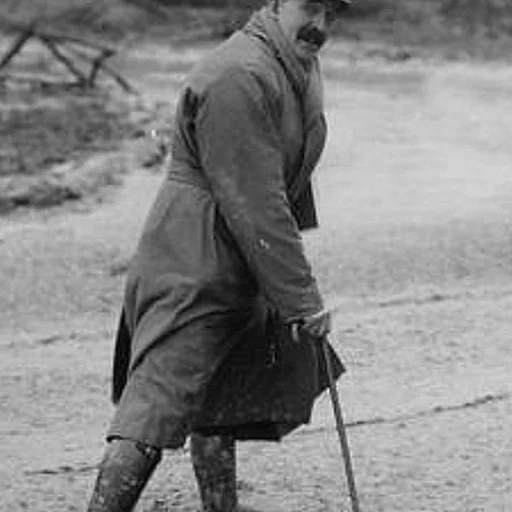
Sir Muirhead Bone (23 March 1876 – 21 October 1953) was a Scottish etcher and watercolourist who became known for his depiction of industrial and architectural subjects and his work as a war artist in both the First and Second World Wars.