Artwork
Etchings of Glasgow: Gorbals
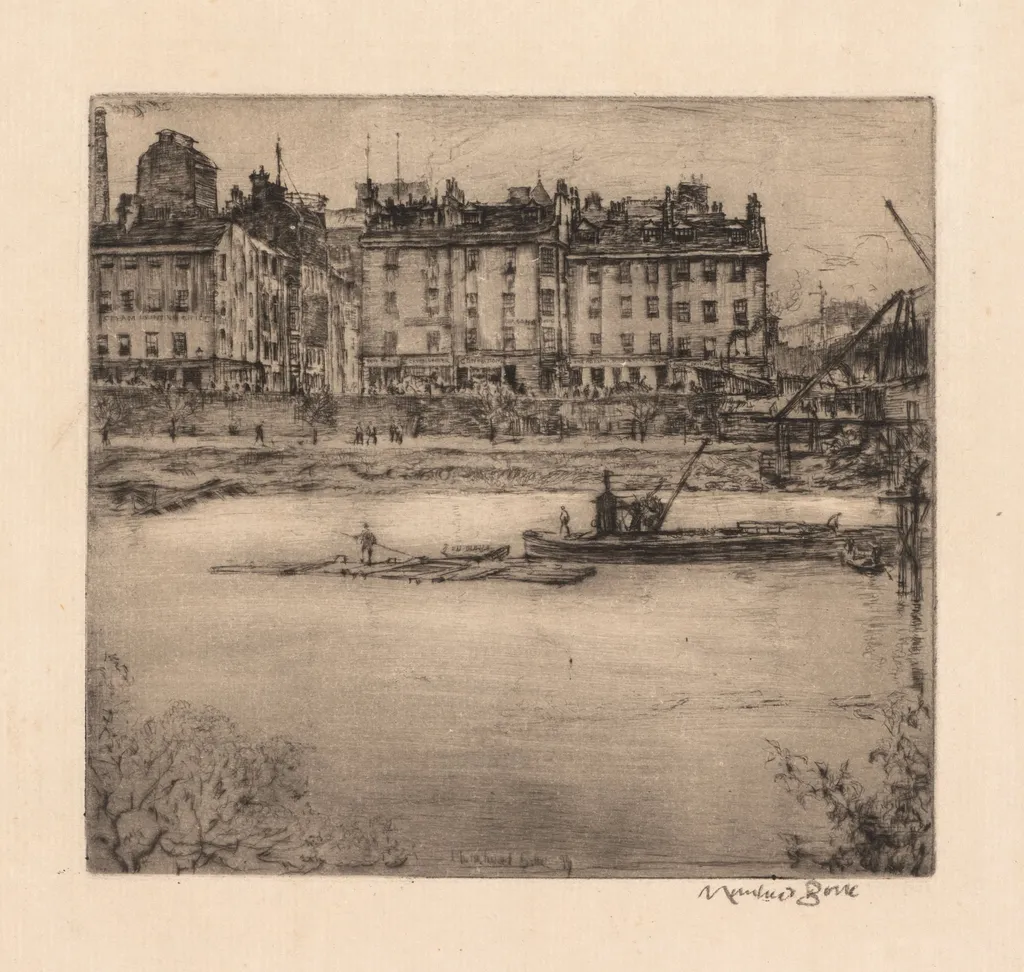
Etchings of Glasgow: Gorbals is a print by the Impressionist artist Muirhead Bone. It dates from 1899 and is held in the collection of the Cleveland Museum of Art.
About this work
Overview
As part of his early series documenting urban Scotland, the work reflects Bone’s commitment to recording industrial landscapes with precision.
Muirhead Bone’s 1899 etching *Etchings of Glasgow: Gorbals* captures a working-class district along the River Clyde. As part of his early series documenting urban Scotland, the work reflects Bone’s commitment to recording industrial landscapes with precision. The composition emphasizes architectural density and atmospheric depth, rendered through the meticulous line work characteristic of the Etching Revival movement in late 19th-century Britain.
Subject & Meaning
The scene portrays the Gorbals neighborhood, a densely populated area marked by tenement housing and industrial activity. Bone avoids romanticizing poverty, instead presenting the environment with documentary clarity. The inclusion of a small boat on the river and distant bridge suggests movement and connection, grounding the urban mass in a broader geographic and economic context without overt narrative.
Technique & Style
Bone employed drypoint and etching techniques to build tonal depth through layered lines and controlled ink pressure. His use of chiaroscuro—sharp contrasts between dark shadows and light-etched areas—creates volume and spatial recession. Unlike Impressionist approaches, his style prioritizes structural clarity over atmospheric blur, aligning with Realist traditions while retaining the fine detail prized in printmaking of the period.
History & Provenance
Created during Bone’s formative years as a printmaker, this etching was among those that established his reputation in Britain and abroad. It circulated in limited editions and was collected by institutions and private patrons until the market for fine prints declined after 1929. The work remains part of institutional collections, reflecting its role in documenting Glasgow’s industrial heritage.
Context
In the late 1890s, Glasgow was a hub of industrial expansion, and its working districts like the Gorbals drew attention from artists and social reformers. Bone’s etchings contributed to a broader visual record of urban life, distinct from idealized landscapes. His focus on architecture and labor environments aligned with contemporary interests in social documentation through art.
Legacy
Bone’s *Etchings of Glasgow: Gorbals* helped define the role of printmaking in urban documentation. While later generations shifted toward abstraction or photography, his precise, tonally rich etchings remain reference points for studies of industrial Britain. The work endures not as aesthetic spectacle but as a calibrated record of place and material conditions.
Own this work as a print
Artist & collection
Artist
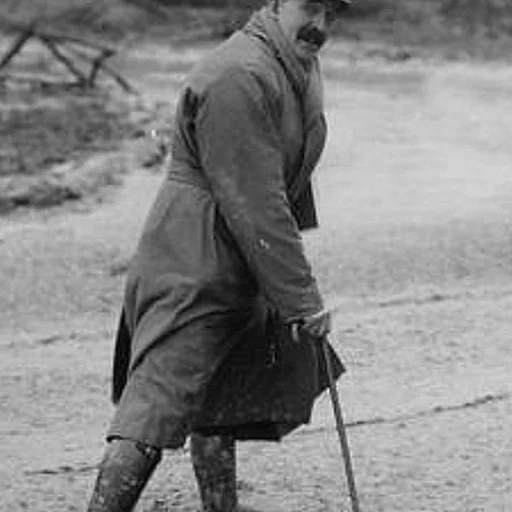
Sir Muirhead Bone (23 March 1876 – 21 October 1953) was a Scottish etcher and watercolourist who became known for his depiction of industrial and architectural subjects and his work as a war artist in both the First and Second World Wars.

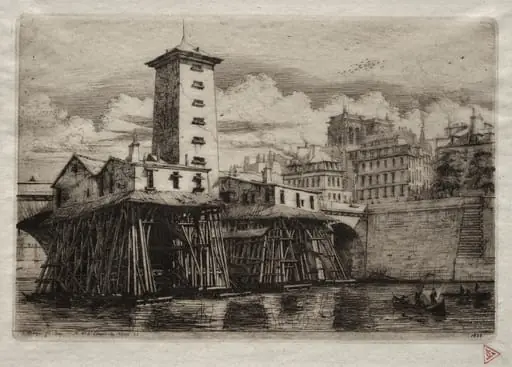 Etchings of Paris: The Notre Dame Pump
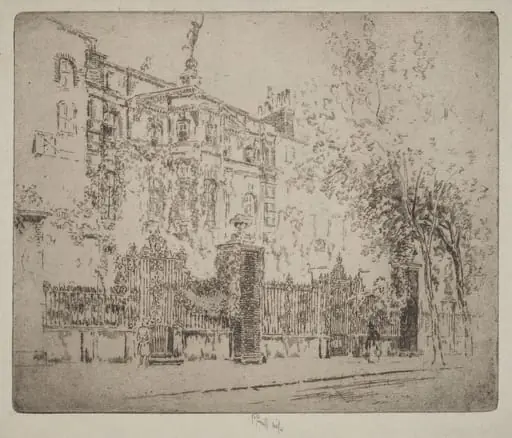 Rossetti's House
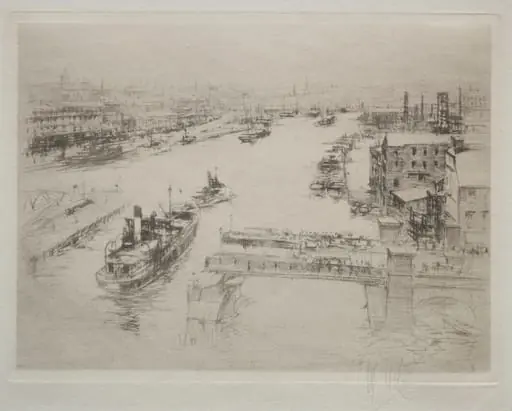 Arteries of Great Britain: The Tyne
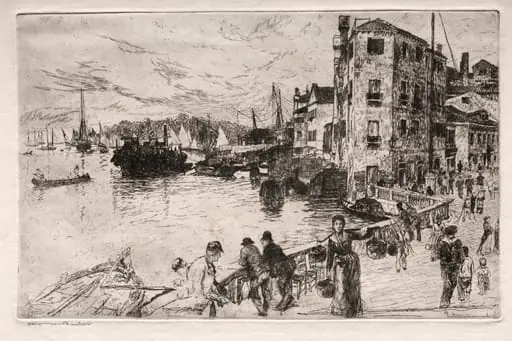 Etchings of Venice: Castello Quarters, Riva
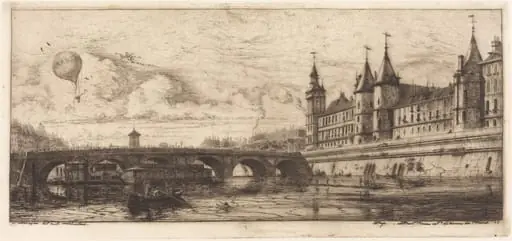 Le Pont-au-Change, Paris
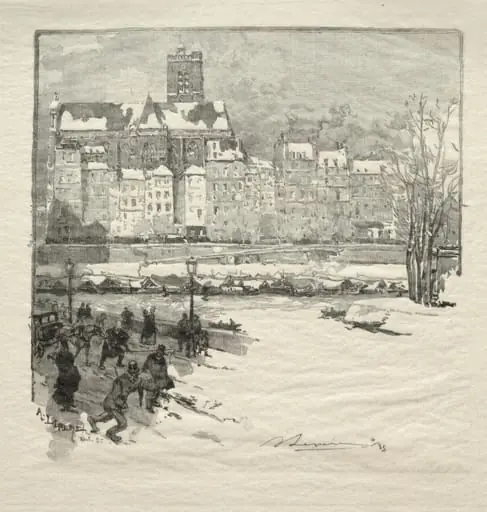 Quai de l'Hôtel de Ville
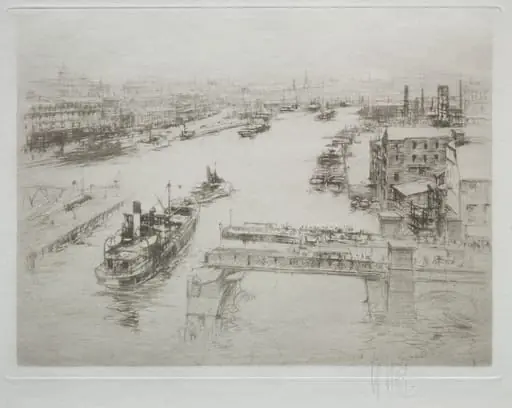 Arteries of Great Britain: The Tyne
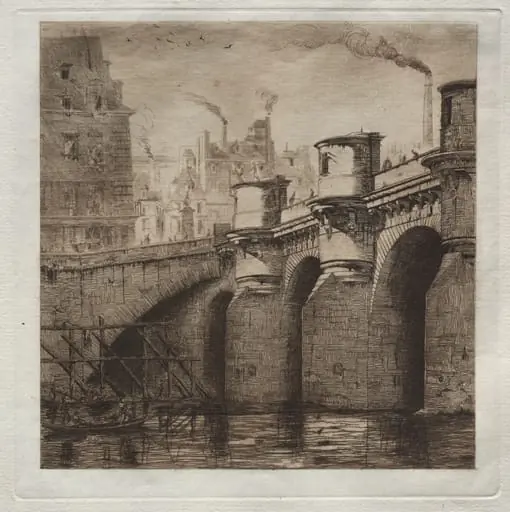 Le Pont Neuf
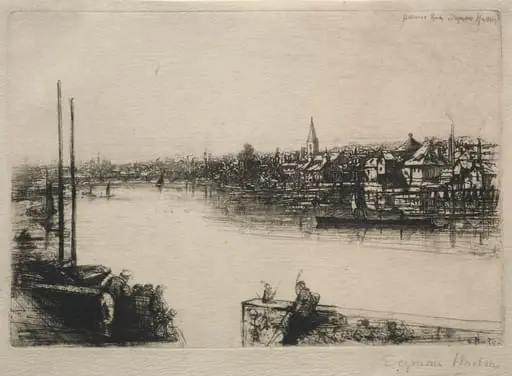 Battersea Reach
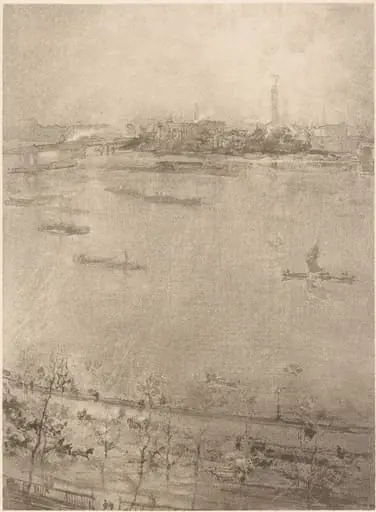 The Thames
 Waterloo Bridge
 Etchings of Paris: The Exchange Bridge