Artwork
Parnassus
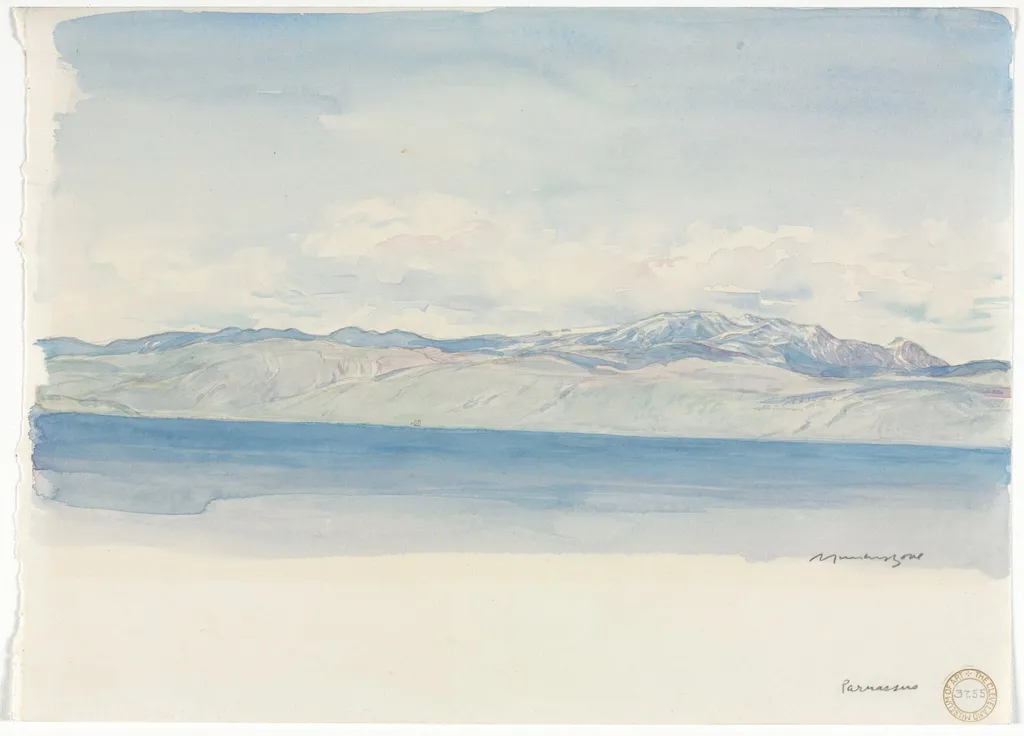
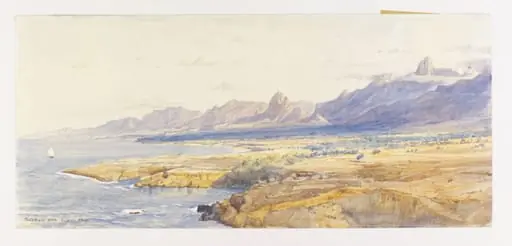
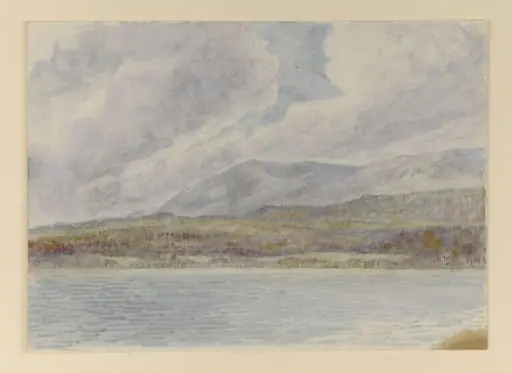
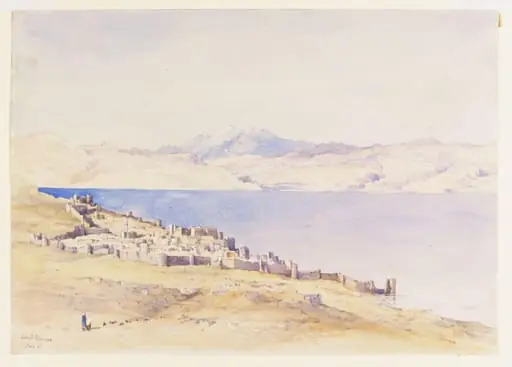
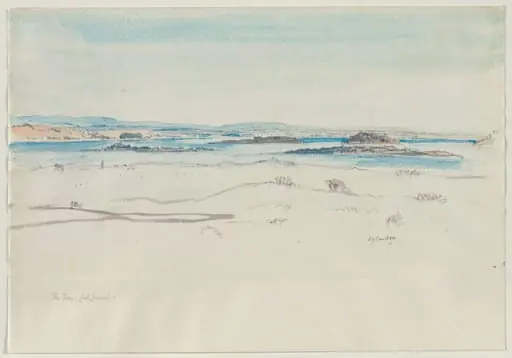
Parnassus is a drawing by the Impressionist artist Muirhead Bone. It dates from 1914 and is held in the collection of the Cleveland Museum of Art.
About this work
Overview
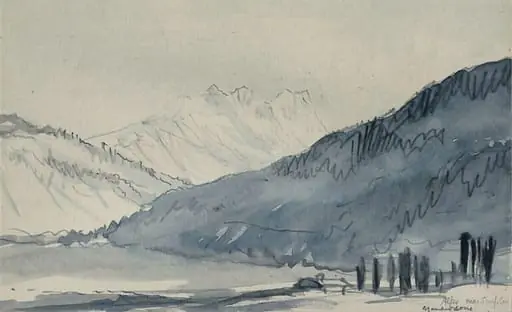
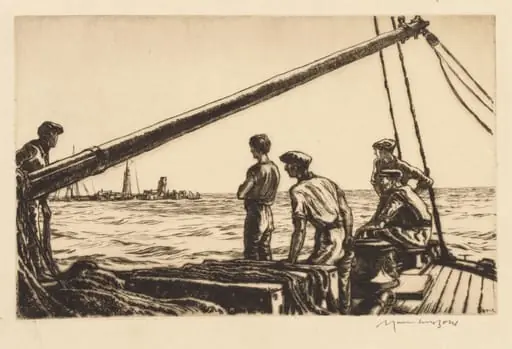
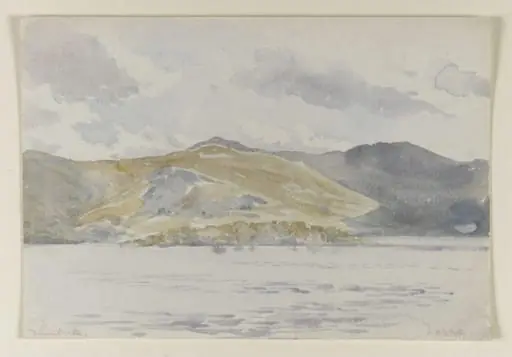
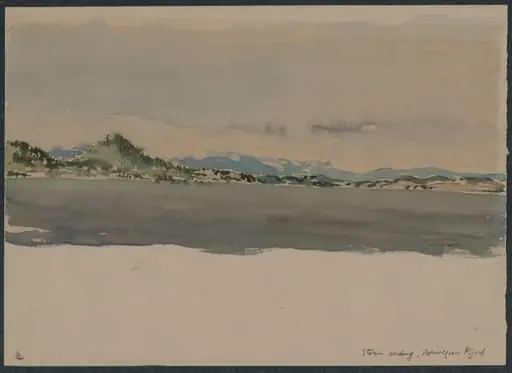
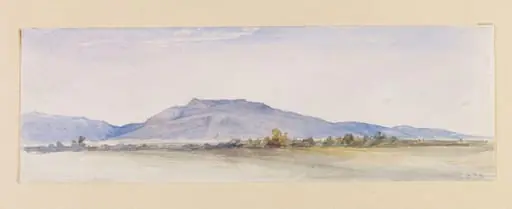
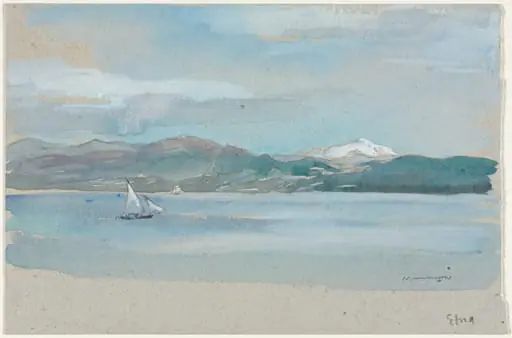
Parnassus, a 1914 drawing by Scottish artist Muirhead Bone, presents a serene coastal landscape characterized by soft, rolling hills, a calm sea, and a pale blue sky with light clouds. The piece is marked by muted colors and loose brushwork, prioritizing the capture of light and mood over detailed rendering.
Subject & Meaning
Despite its title referencing the mythological Mount Parnassus, the drawing does not overtly convey mythological or poetic themes. Instead, it offers a peaceful, everyday landscape, with the title potentially serving as a subtle, suggestive element rather than a direct narrative guide.
Technique & Style
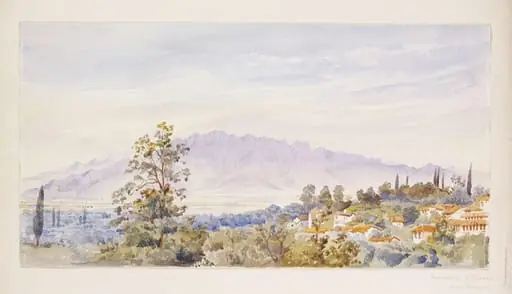
Bone employed loose, expressive brushstrokes in Parnassus, consistent with Impressionist principles that emphasize light capture and atmospheric effect. The muted color palette, dominated by blues, grays, and faint greens, further reinforces the serene and natural ambiance of the scene.
History & Provenance
Created in 1914 by Muirhead Bone, a notable figure in the Etching Revival and war artist in both World Wars, Parnassus is now part of The Cleveland Museum of Art's collection. Bone's work transitioned from highly valued architectural etchings to other subjects as the etching market declined post-1929.
Artist & collection

Artist
Sir Muirhead Bone (23 March 1876 – 21 October 1953) was a Scottish etcher and watercolourist who became known for his depiction of industrial and architectural subjects and his work as a war artist in both the First and Second World Wars.