Artwork
Ferdinand I of Brunswick
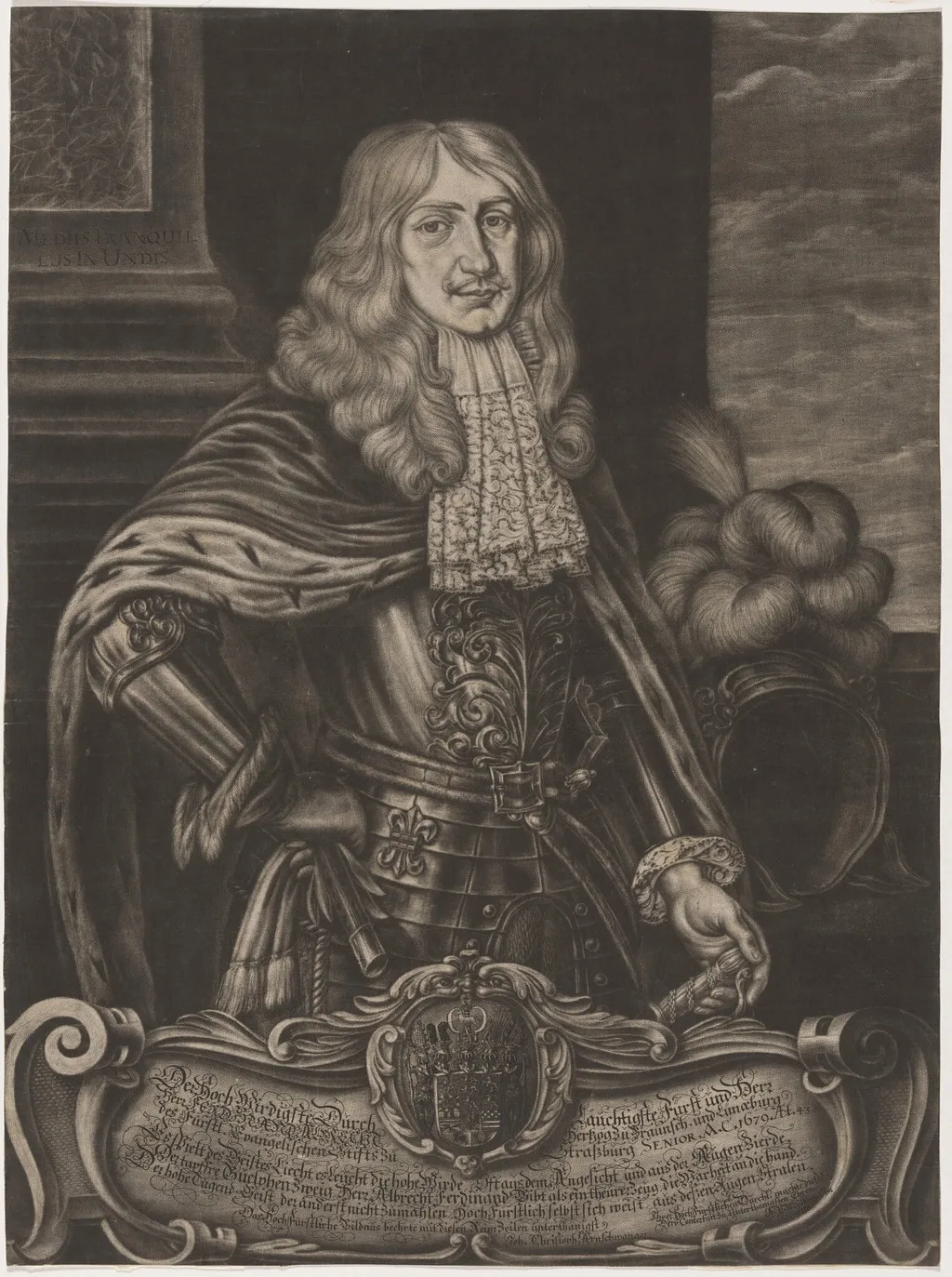
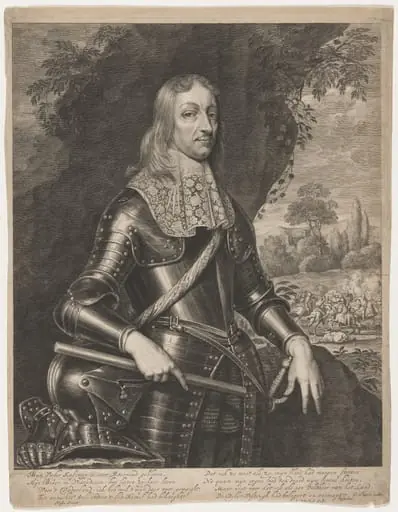
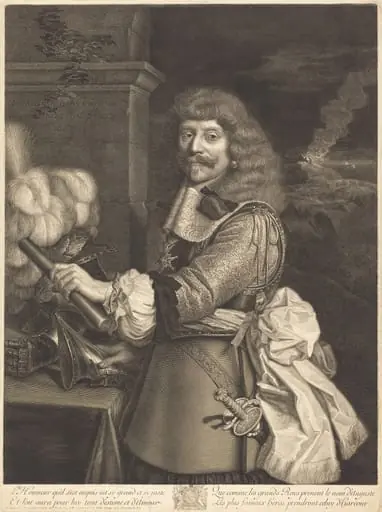
Ferdinand I of Brunswick is an ink print by the Baroque artist Andreas Paul Multz. It dates from 1655 and is held in the collection of the National Gallery of Art.
About this work
Overview
The work belongs to a tradition of portraiture that sought to affirm noble identity through visual detail and composition.
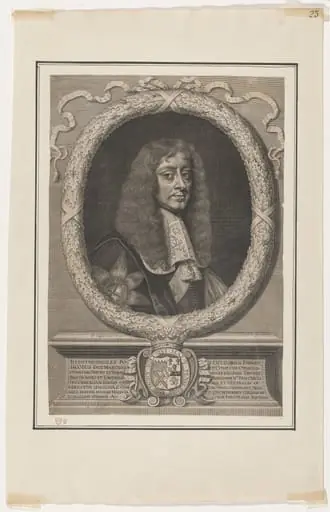
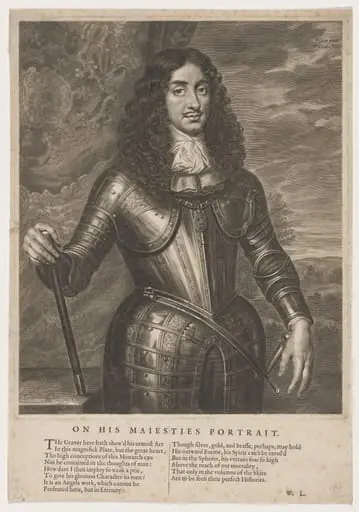
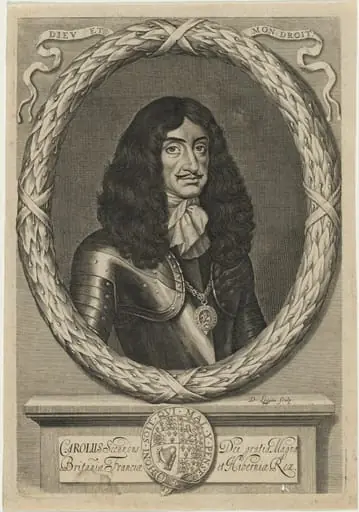
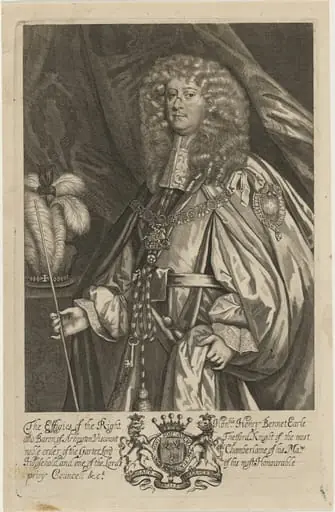
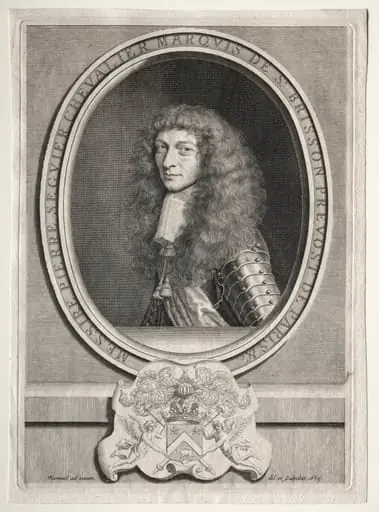
This 1655 mezzotint by Andreas Paul Multz depicts Ferdinand I, Duke of Brunswick-Lüneburg, in formal attire. The print combines tonal gradations of mezzotint with engraved inscriptions to convey authority and status. The dark background isolates the figure, emphasizing his presence and the precision of his dress. The work belongs to a tradition of portraiture that sought to affirm noble identity through visual detail and composition.
Subject & Meaning
Ferdinand I is portrayed with a direct gaze and composed demeanor, projecting gravitas befitting his rank. His elaborate coat, high collar, and lace cravat reflect aristocratic fashion of the mid-17th century. The inclusion of a heraldic frame and textual elements reinforces his lineage and political standing. The image functions not merely as likeness but as a statement of dynastic legitimacy and noble duty.
Technique & Style
Multz employed mezzotint to achieve rich, velvety shadows and subtle transitions in light, a technique well-suited to rendering fabric textures and facial depth. Engraved text around the border adds formal context, a common practice in portrait prints of the period. The style aligns with Baroque portraiture’s emphasis on drama, texture, and psychological presence, though executed with the precision expected in printmaking.
History & Provenance
Created in 1655, the print likely served to circulate Ferdinand’s image among allies and courtiers, reinforcing his status during a turbulent period in the Holy Roman Empire. While specific early ownership records are sparse, such prints were often commissioned by noble households or distributed through print dealers. Its survival suggests continued interest in the duke’s legacy beyond his lifetime.
Context
In mid-17th-century Germany, portraiture in print was a key medium for political representation, especially among lesser nobility lacking access to court painters. Mezzotint, recently introduced from England, offered new tonal possibilities. Ferdinand’s portrait reflects both local traditions and broader European trends in using visual media to assert aristocratic identity amid religious and territorial conflicts.
Legacy
The print remains a documented example of how German nobility used print culture to project authority. Though Multz is not widely known today, this work illustrates the role of skilled engravers in shaping public perception of rulers. It contributes to the broader understanding of how image-making supported political presence in an era before photography.
Artist & collection