Artwork
William Frederick of Nassau
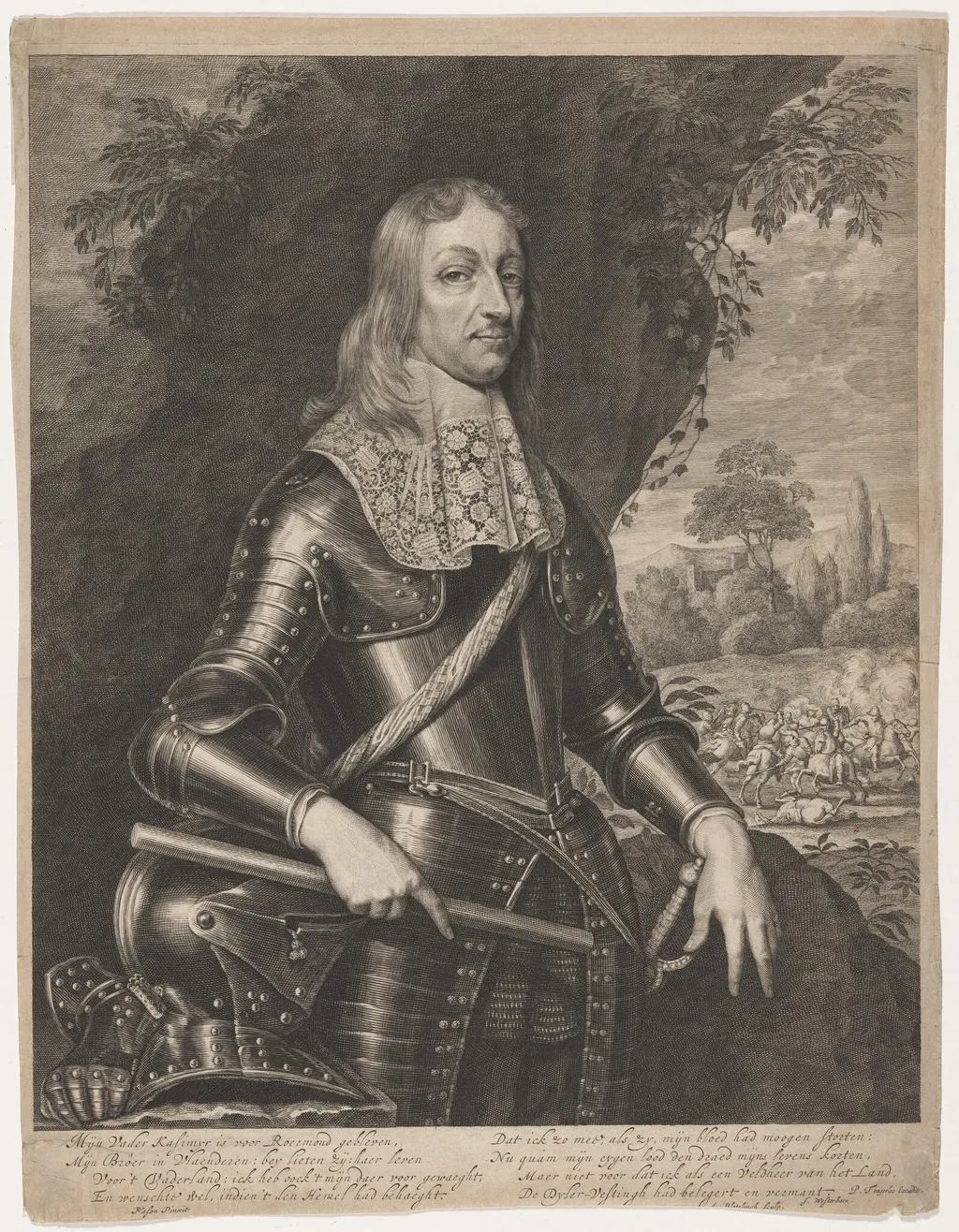
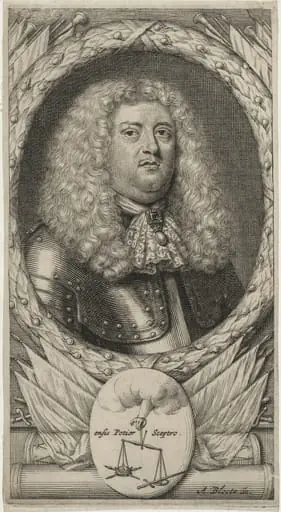
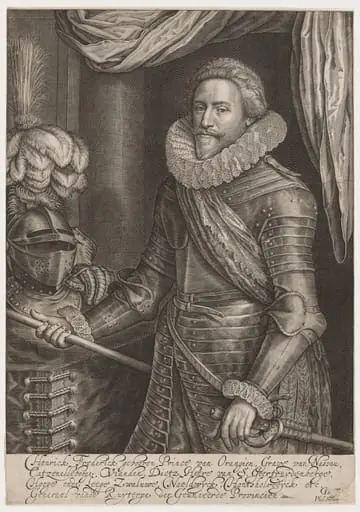
William Frederick of Nassau is an ink print by the Baroque artist Abraham Blooteling. It dates from 1665 and is held in the collection of the National Gallery of Art.
About this work
Overview
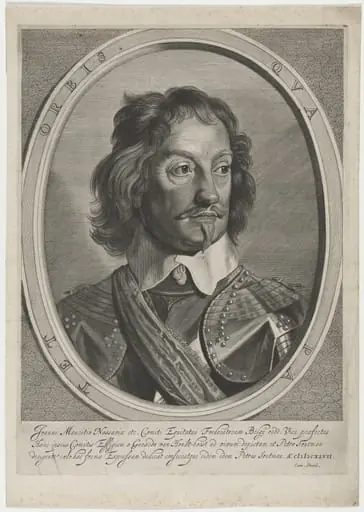
Abraham Blooteling’s 1665 engraving presents William Frederick of Nassau in full plate armor. Rendered in black and white, the print shows the nobleman holding a sword in one hand and a helmet in the other, his gaze directed forward. A modest landscape with trees and a distant castle forms the background, while Dutch text frames the image along its edges.
Subject & Meaning
The portrait emphasizes William Frederick’s military status through the detailed depiction of his armor, lace‑trimmed garments, and weaponry. The inclusion of a castle and natural scenery suggests both his noble lineage and his role as a defender of territorial holdings, reinforcing the image of a disciplined, authoritative figure.
Technique & Style
Blooteling employs fine, parallel lines and cross‑hatching to convey the texture of metal, fabric, and foliage. The precise shading creates a subtle gradation of light across the armor’s surfaces, while the crisp outlines give the figure a sculptural presence typical of mid‑seventeenth‑century Dutch engraving.
History & Provenance
Created in 1665, the print was likely produced for circulation among the Dutch aristocracy, serving both as a commemorative portrait and a demonstration of Blooteling’s skill. Surviving copies bear the original Dutch inscription, indicating its intended audience and the practice of labeling prints for identification.
Context
The work belongs to a period when engraved portraits functioned as a means of documenting and disseminating the likenesses of prominent individuals. Blooteling, an established engraver in Amsterdam, contributed to this visual culture, which combined artistic craftsmanship with the emerging market for printed portraiture.
Artist & collection

 John Maurice, Count of Nassau
 Charles II
 Ferdinand I of Brunswick
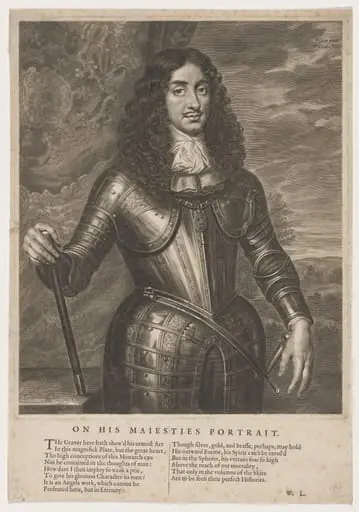 Charles II
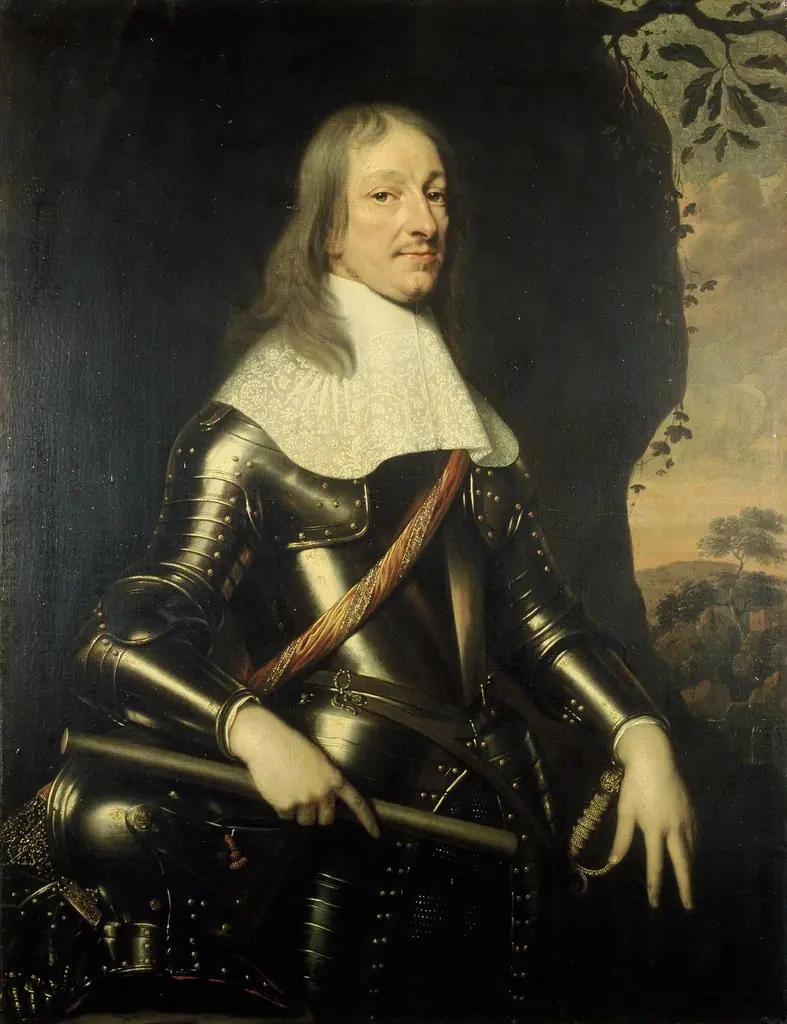 Portrait of Stadholder Willem Frederik (1613- 1664)
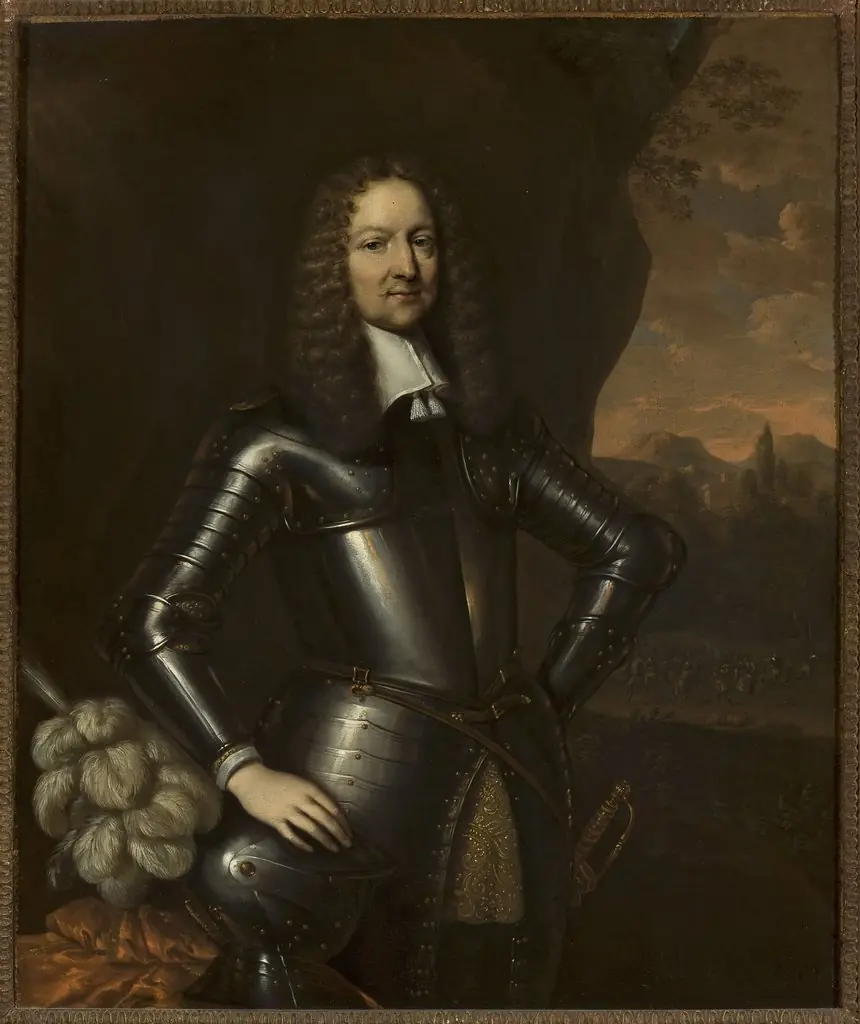 Portrait of Kronprinz Wilhelm Heinrich zu Brandenburg
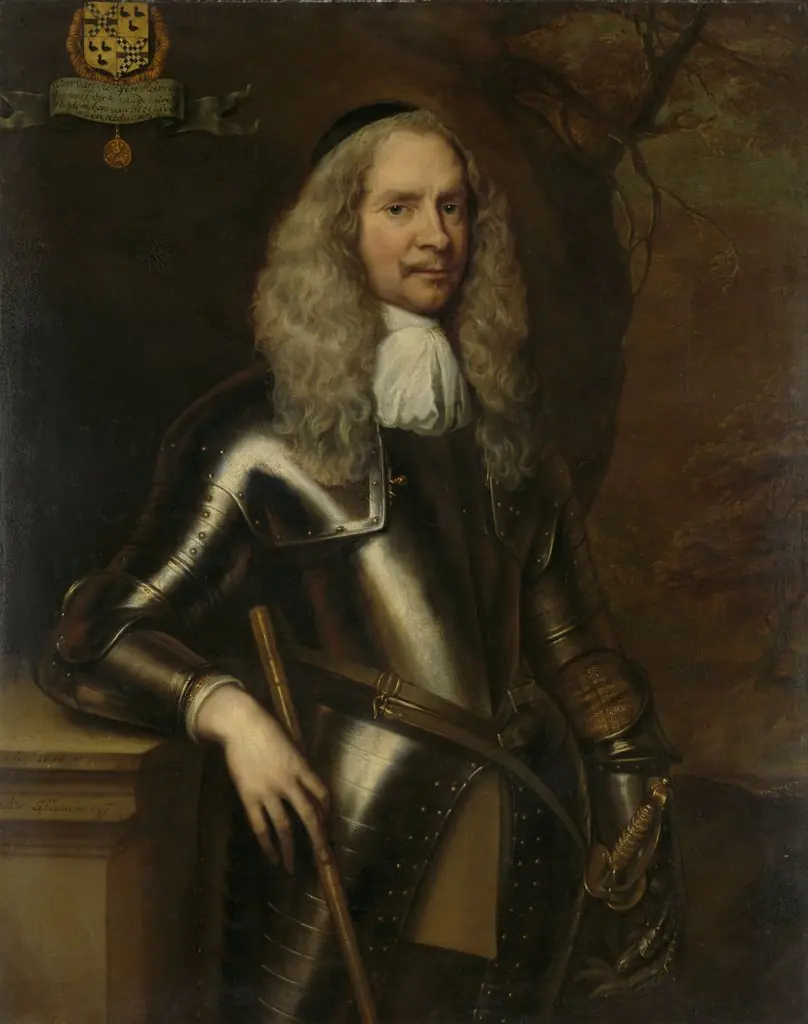 Cornelis van Aerssen (1600-62), lord of Sommelsdijk. Colonel of cavalry
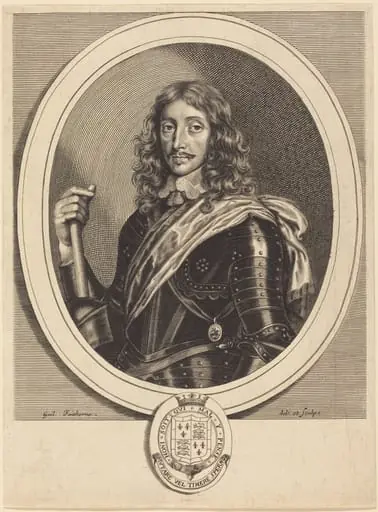 Henry Somerset, 1st Duke of Beaufort, K.G.
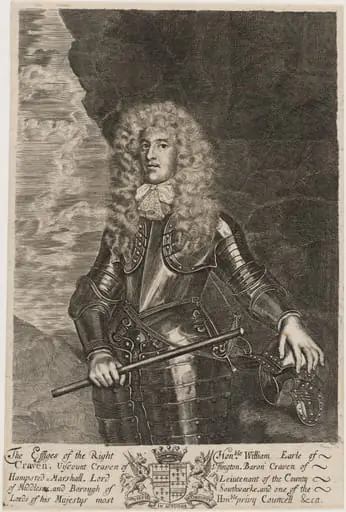 William, Earl of Craven
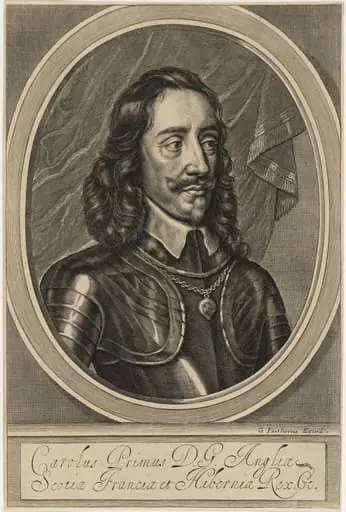 Charles I
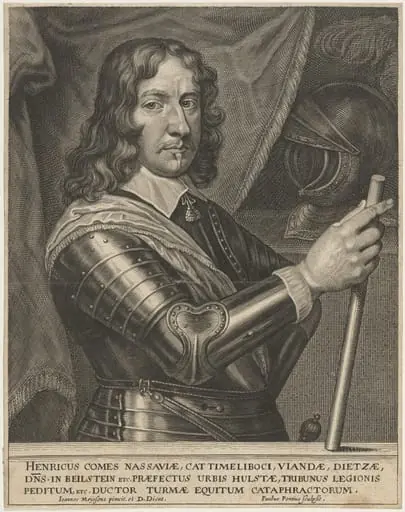 Henry of Nassau
 Frederick Henry, Prince of Orange