Artwork
Henry Bennett, Earl of Arlington
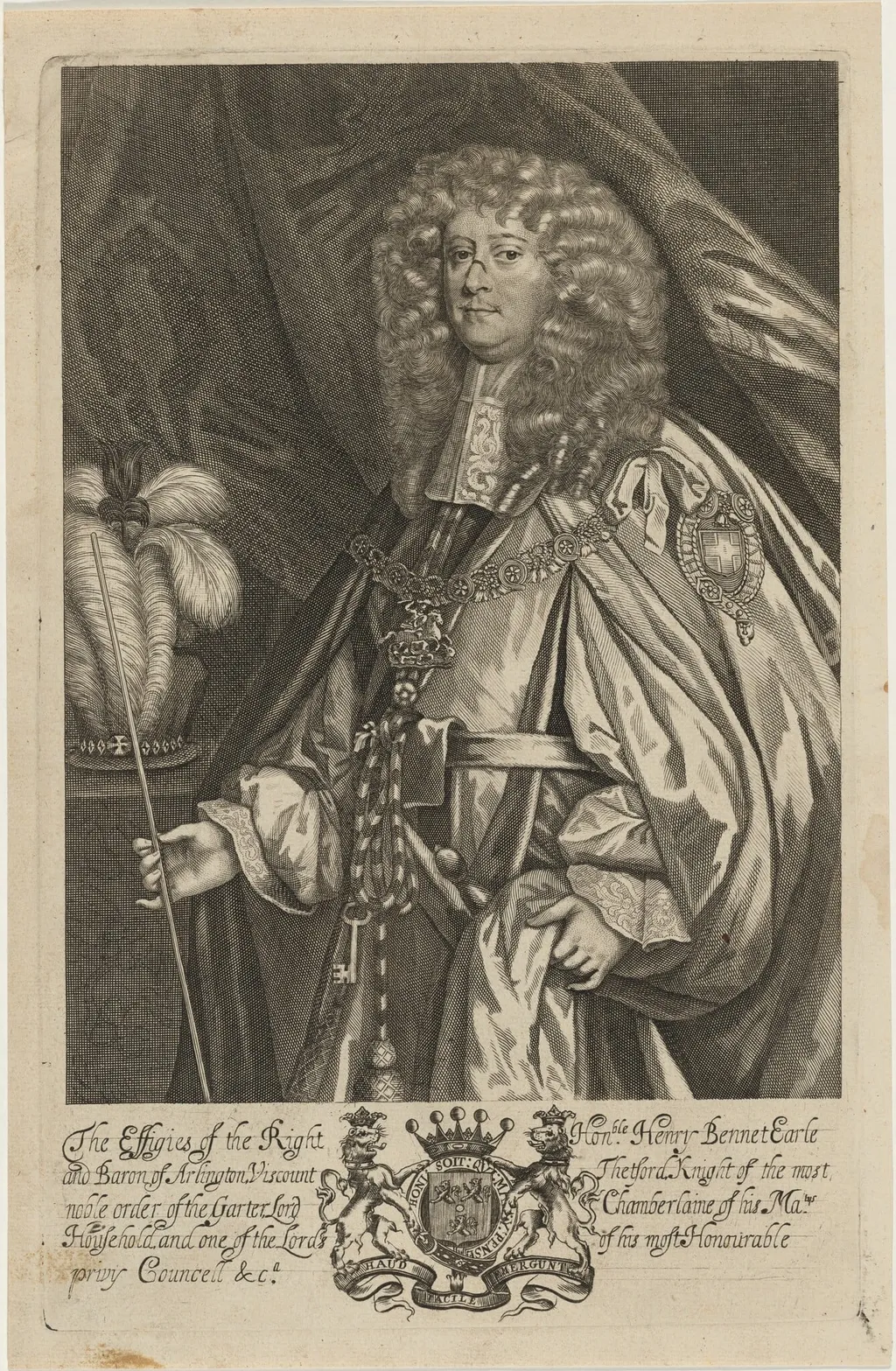
Henry Bennett, Earl of Arlington is an ink print by the Baroque artist Unknown 19th Century. It dates from 1679 and is held in the collection of the National Gallery of Art. The print is a black‑and‑white engraving portraying Henry Bennett, styled as Earl of Arlington and Lord High Steward.
About this work
Overview
The print is a black‑and‑white engraving portraying Henry Bennett, styled as Earl of Arlington and Lord High Steward. He is depicted in formal 17th‑century dress, complete with a powdered wig, a buttoned coat, a sash, and a feathered hat held in his left hand. A set of keys rests in his right, and the background is left plain to focus attention on the figure.
Subject & Meaning
The portrait emphasizes Bennett’s rank and official duties. The inclusion of the keys, a traditional emblem of custodial authority, underscores his role as Lord High Steward, while the elaborate attire signals aristocratic status. The solemn expression reinforces the gravitas associated with his governmental responsibilities during the Restoration period.
Technique & Style
Executed in fine line engraving, the image relies on meticulous incising to render textures of fabric, wig curls, and metal keys. The contrast between deep shadows and delicate hatching creates a sense of volume, while the restrained background reflects the period’s preference for clear, authoritative portraiture without ornamental distraction.
History & Provenance
The print originates from the late 17th century, a time when engraved portraiture served both as a means of disseminating the likenesses of the nobility and as a record of office‑holders. It likely circulated among court circles and was possibly included in collections of official portraits documenting the English peerage.
Context
During the Restoration, the English aristocracy used portraiture to assert loyalty and legitimacy after the interregnum. Engravings such as this one functioned as visual affirmations of rank, often reproduced for political and social purposes, reinforcing the hierarchical order of the restored monarchy.
Artist & collection

Artist

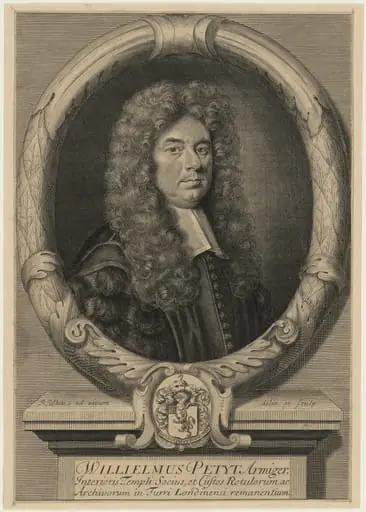 William Petyt, Keeper of the Records in the Tower
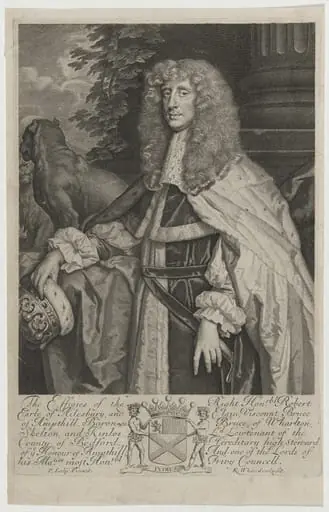 Robert Bruce, First Earl of Arlesbury
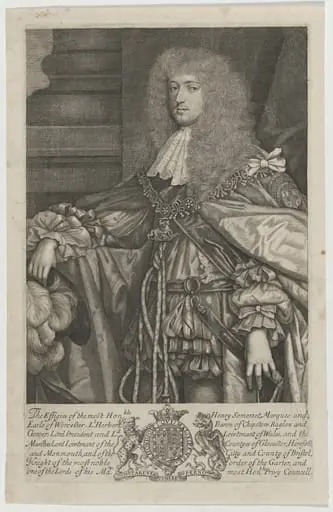 Henry Somerset, First Duke of Beaufort
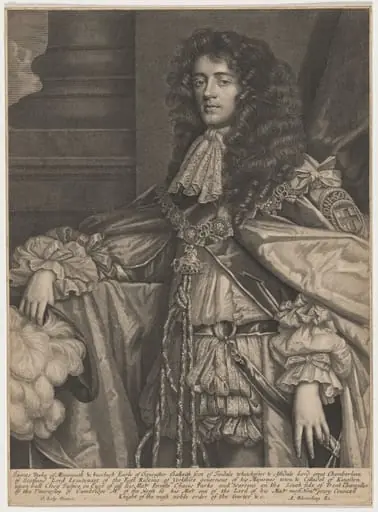 James, Duke of Monmouth and Buccleuch
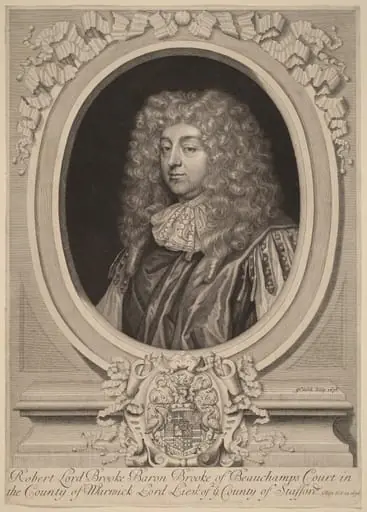 Robert Greville, Lord Brooke
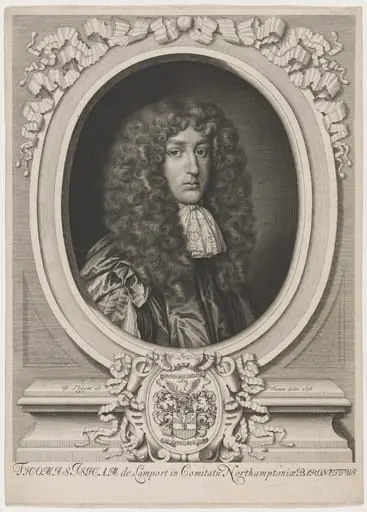 Sir Thomas Isham
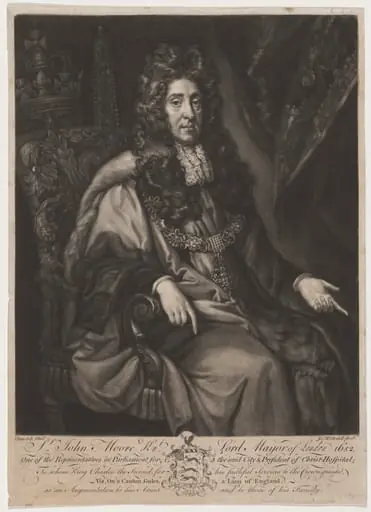 Sir John Moore
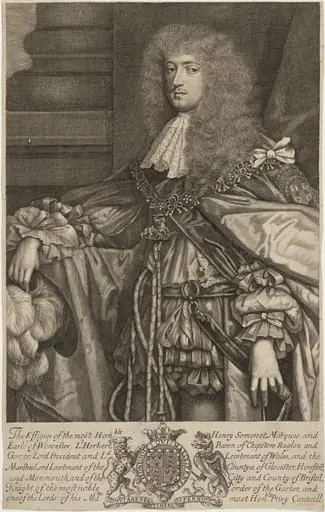 Henry Somerset, Earl of Worcester, First Dukeof Beaufort
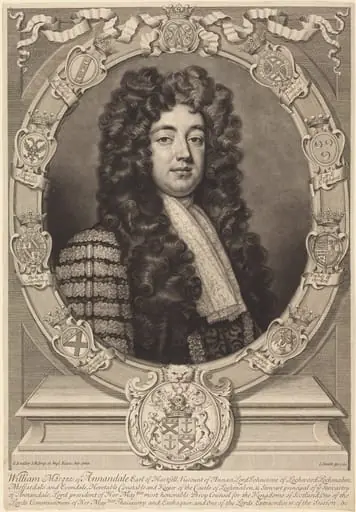 William Johnston, Marquess of Annandale
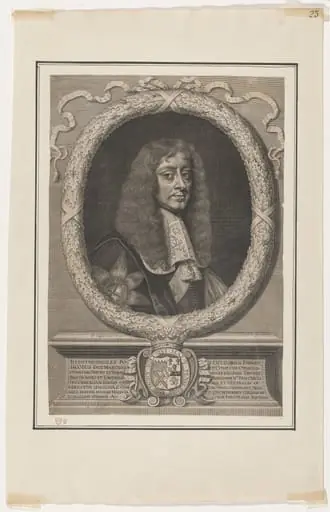 James Butler, First Duke of Ormonde
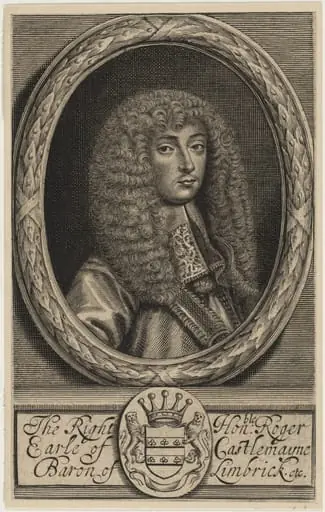 Roger Palmer, Earl of Castlemain
 John Browne