Artwork
Travelling Friar
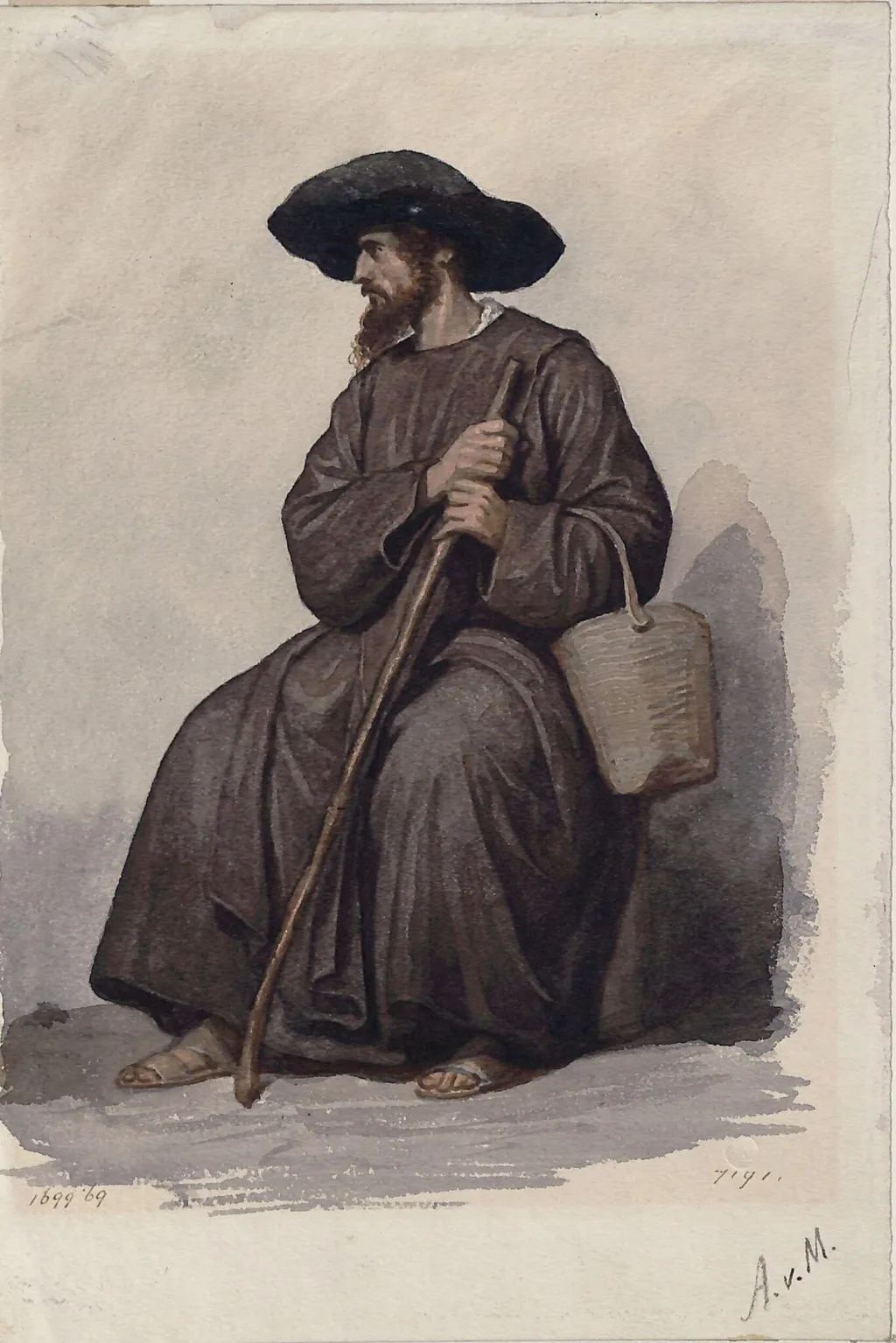
Travelling Friar is a watercolor work on paper by Alfred van Muyden. It dates from 1850 and is held in the collection of the Victoria and Albert Museum.
About this work
The use of chiaroscuro, a technique that uses strong contrasts between light and dark to create a sense of volume, adds depth and texture to the painting.
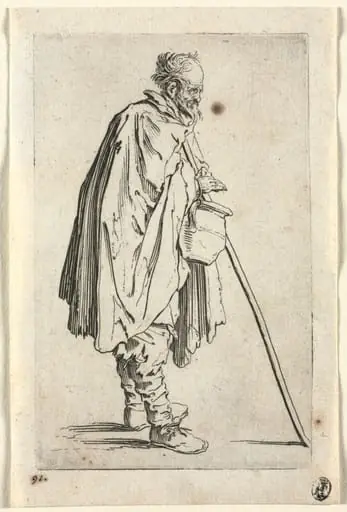
This watercolour painting depicts a man dressed in a long, dark robe and a wide-brimmed hat. He is seated, holding a staff in his right hand and a basket in his left. The man's attire and accessories suggest he is a travelling friar, likely on a journey.
The artist has used a range of dark colours to create a sense of depth and dimension in the painting. The friar's robes are rendered in shades of brown and grey, while the background is a soft, creamy white. The overall effect is one of quiet contemplation, as if the friar is lost in thought.
The use of chiaroscuro, a technique that uses strong contrasts between light and dark to create a sense of volume, adds depth and texture to the painting. This technique is characteristic of many watercolour paintings from the mid-19th century.
Overview
Travelling Friar is a watercolour painting created by Alfred van Muyden around 1850. It is part of the collection at the Victoria and Albert Museum.
Subject & Meaning
The painting depicts a seated man, identifiable as a travelling friar by his attire, including a long, dark robe and wide-brimmed hat. He holds a staff and a basket, suggesting he is on a journey. The composition conveys a sense of quiet contemplation, implying the friar is introspective.
Technique & Style
Van Muyden employed a predominantly dark colour palette with shades of brown and grey for the friar's robes, set against a soft, creamy white background. The use of chiaroscuro creates depth and volume, enhancing the overall texture and dimensionality of the work.
History & Provenance
Created circa 1850, the painting's history prior to its acquisition by the Victoria and Albert Museum is not detailed here. Its current location indicates its recognition as a significant piece of 19th-century watercolour art.
Context
While specific contextual details about the painting's creation are scarce, it reflects 19th-century interests in depicting everyday and religious life through watercolour, a medium popular for its expressive potential.
Legacy
The painting's legacy is marked by its inclusion in the Victoria and Albert Museum's collection, suggesting its enduring value as an example of mid-19th-century watercolour technique and thematic focus.
Artist & collection
Artist
Alfred van Muyden’s watercolours bring 19th-century Europe to life with quiet detail.

 An Italian peasant boy
 Wanderer by Vasily Perov
 The Beggars: One-Eyed Woman
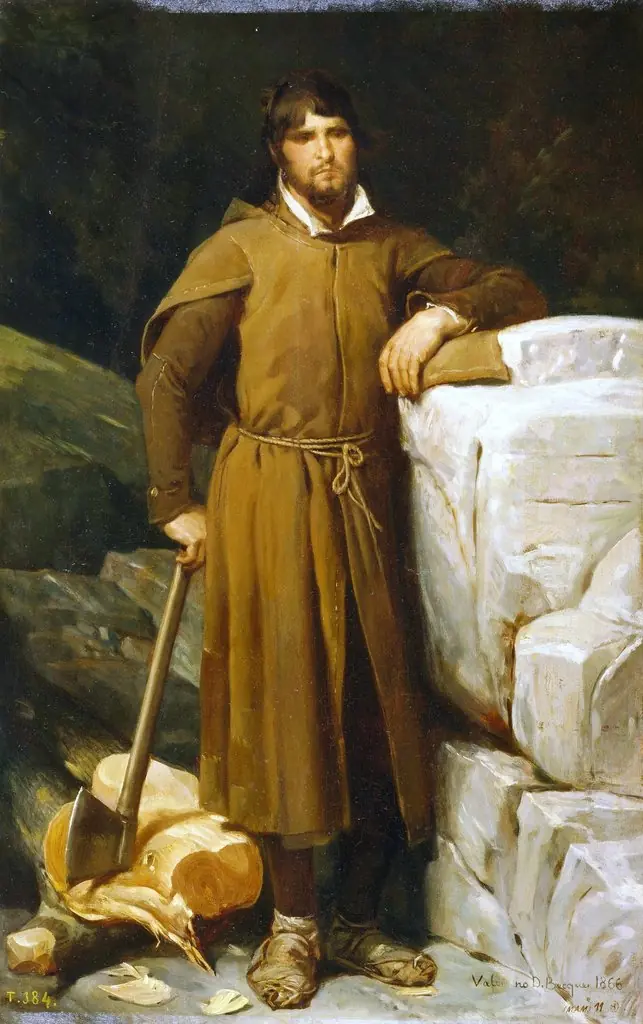 The Woodcutter
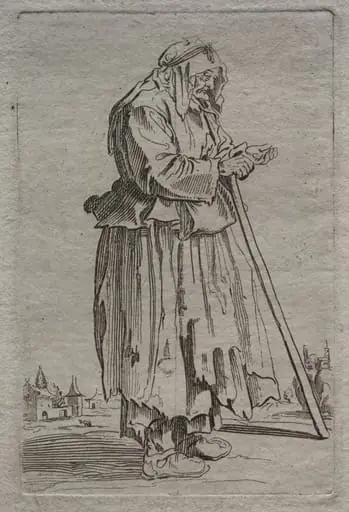 Old Beggar Woman
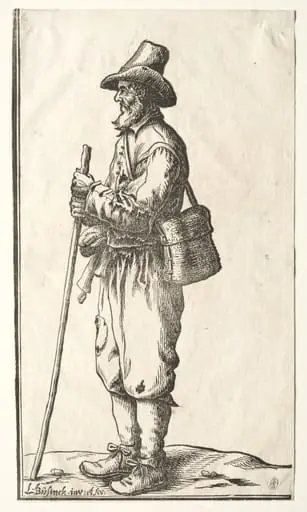 Beggar in Profile Toward Left
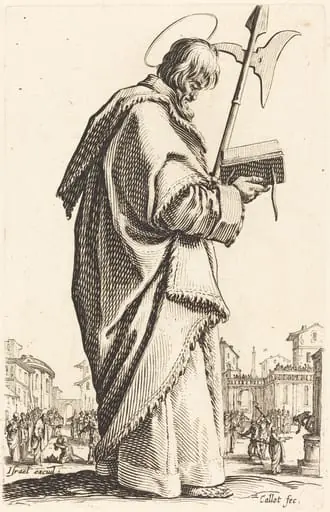 Saint Matthias
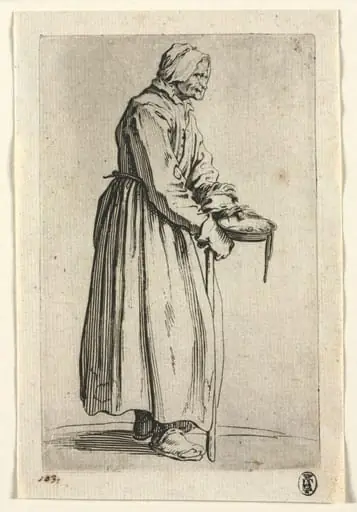 The Beggars: Beggar Woman with Her Alms Bowl
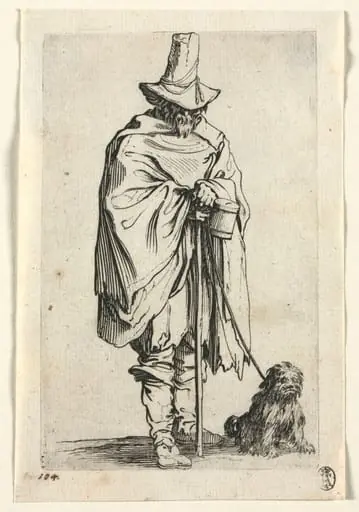 The Beggars: Blind Man with His Dog
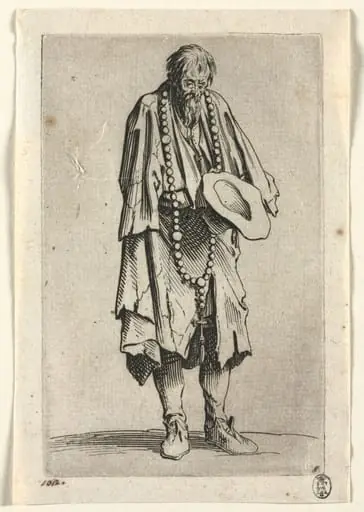 The Beggars: Beggar with Rosary
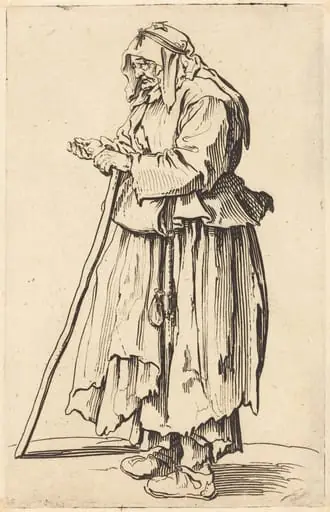 Beggar Woman Receiving Charity
 The Beggars: Beggar with Pot