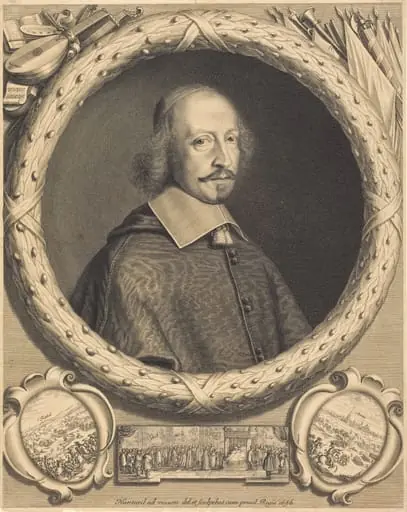
Artwork
Cardinal de Coislin
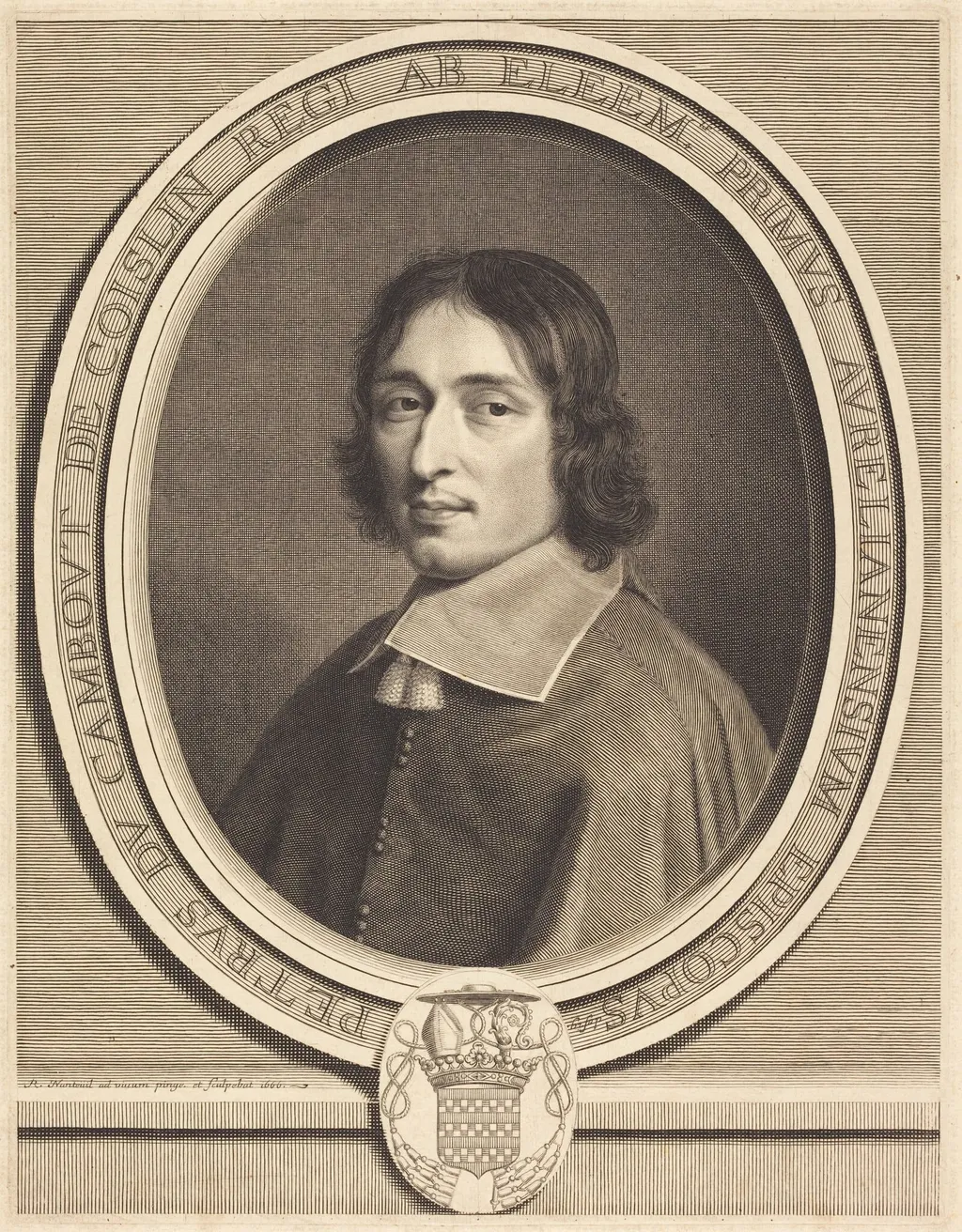
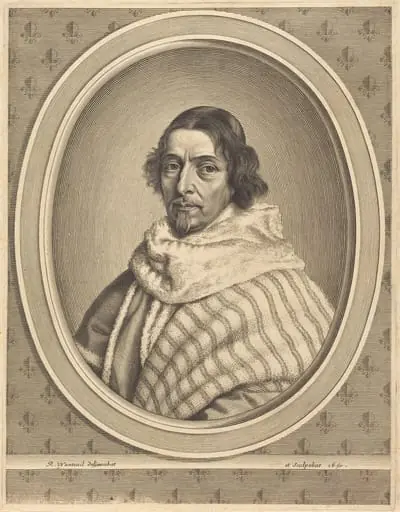
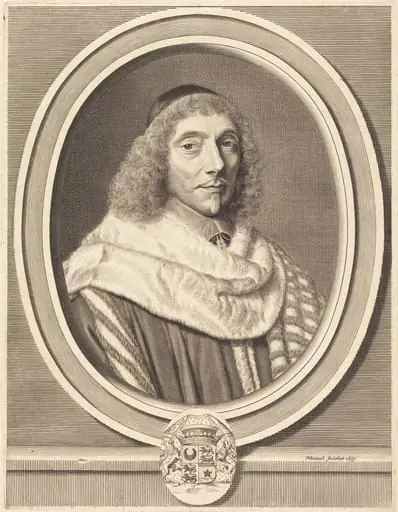
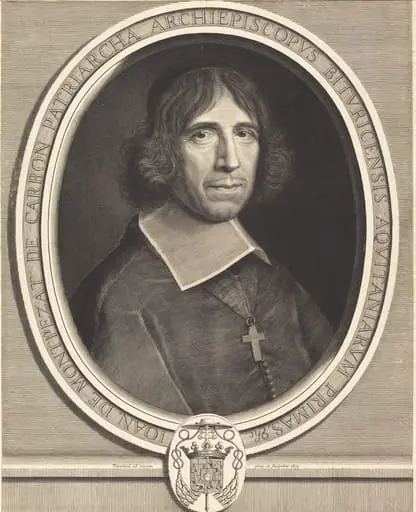
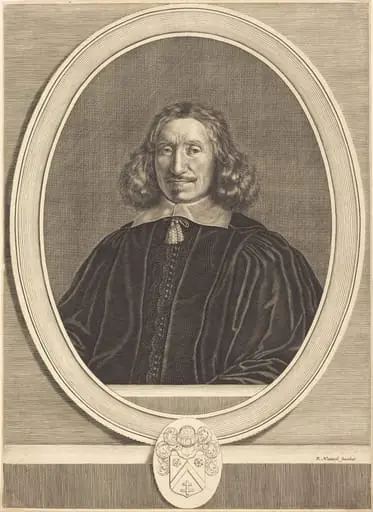
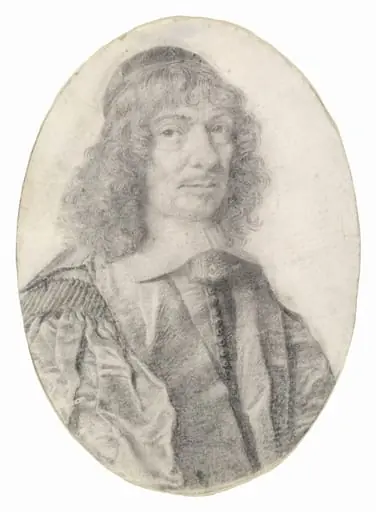
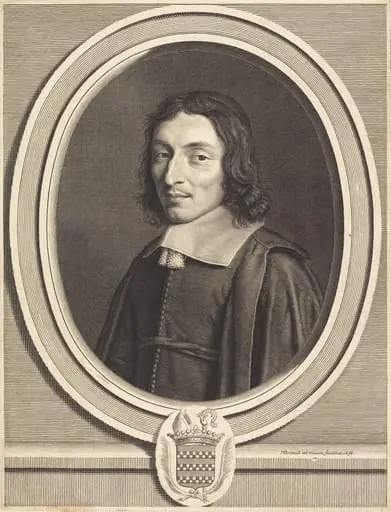
Cardinal de Coislin is an ink print by the Baroque artist Robert Nanteuil. It dates from 1666 and is held in the collection of the National Gallery of Art.
About this work
Overview
Created in 1666 by Robert Nanteuil, this engraving portrays Cardinal de Coislin, a prominent French churchman during the reign of Louis XIV.
Created in 1666 by Robert Nanteuil, this engraving portrays Cardinal de Coislin, a prominent French churchman during the reign of Louis XIV. Nanteuil, celebrated for his precision in portraiture, used fine line work and tonal gradation to render the sitter with quiet authority. The print belongs to a broader tradition of courtly portraiture that emphasized dignity and social standing through meticulous detail.
Subject & Meaning
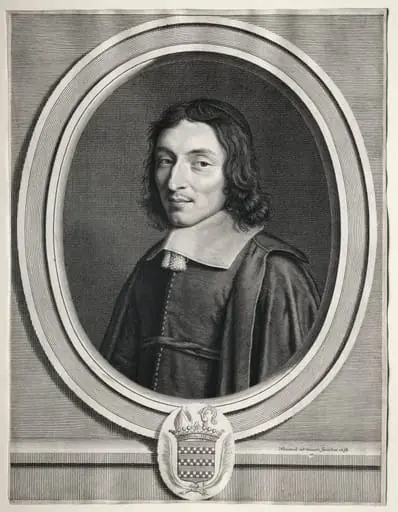
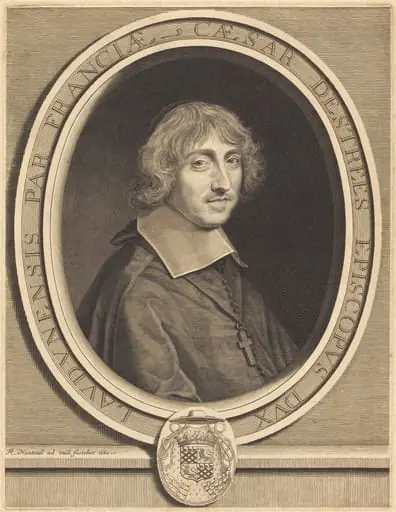
The subject, Cardinal de Coislin, is depicted in formal ecclesiastical attire, his dark coat and white collar signaling his rank within the Church. A small cross rests against his chest, a subtle emblem of spiritual office. His direct gaze and furrowed brow convey solemnity, reflecting the gravity of his position. The portrait avoids ornamentation, focusing instead on the psychological presence of the sitter as a figure of institutional power.
Technique & Style
Nanteuil employed drypoint and etching to achieve delicate tonal transitions and sharp linear definition. The background is left largely unmodeled, directing attention to the face and hands. Fine hatching renders the texture of fabric and the softness of skin, while the mustache and parted hair are rendered with precise, controlled strokes. The composition adheres to Baroque ideals of realism and psychological depth, without theatrical exaggeration.
History & Provenance
The engraving was produced during Nanteuil’s tenure as the principal portraitist to the French royal court. It was likely commissioned by the cardinal’s circle or circulated among elite networks as a token of status. Surviving impressions are held in major European print collections, including the Louvre and the British Museum, attesting to its early reception and enduring scholarly interest.
Context
In mid-17th century France, portraiture served as a tool of political and religious representation. Nanteuil’s engravings of clergy and nobility reinforced the visibility of institutional authority under Louis XIV’s centralized regime. This work aligns with a broader trend in which printmaking democratized access to elite imagery, allowing figures like the cardinal to be recognized beyond court circles.
Legacy
Nanteuil’s engravings set a standard for French portrait printmaking in the Baroque era. His ability to capture likeness with restraint influenced generations of engravers. While not widely exhibited today, *Cardinal de Coislin* remains a reference point in studies of early modern portraiture, valued for its technical discipline and understated psychological insight.
Artist & collection
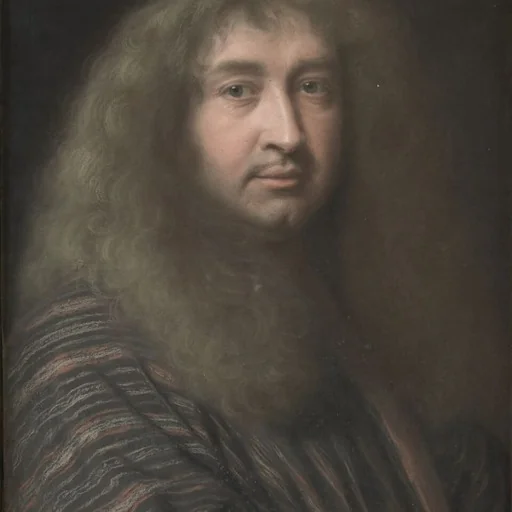
Artist
Robert Nanteuil (French pronunciation: ; 1623 – 9 December 1678) was a French portrait artist: engraver, draughtsman and pastellist to the court of Louis XIV.