Artwork
Cardinal Jules Mazarin
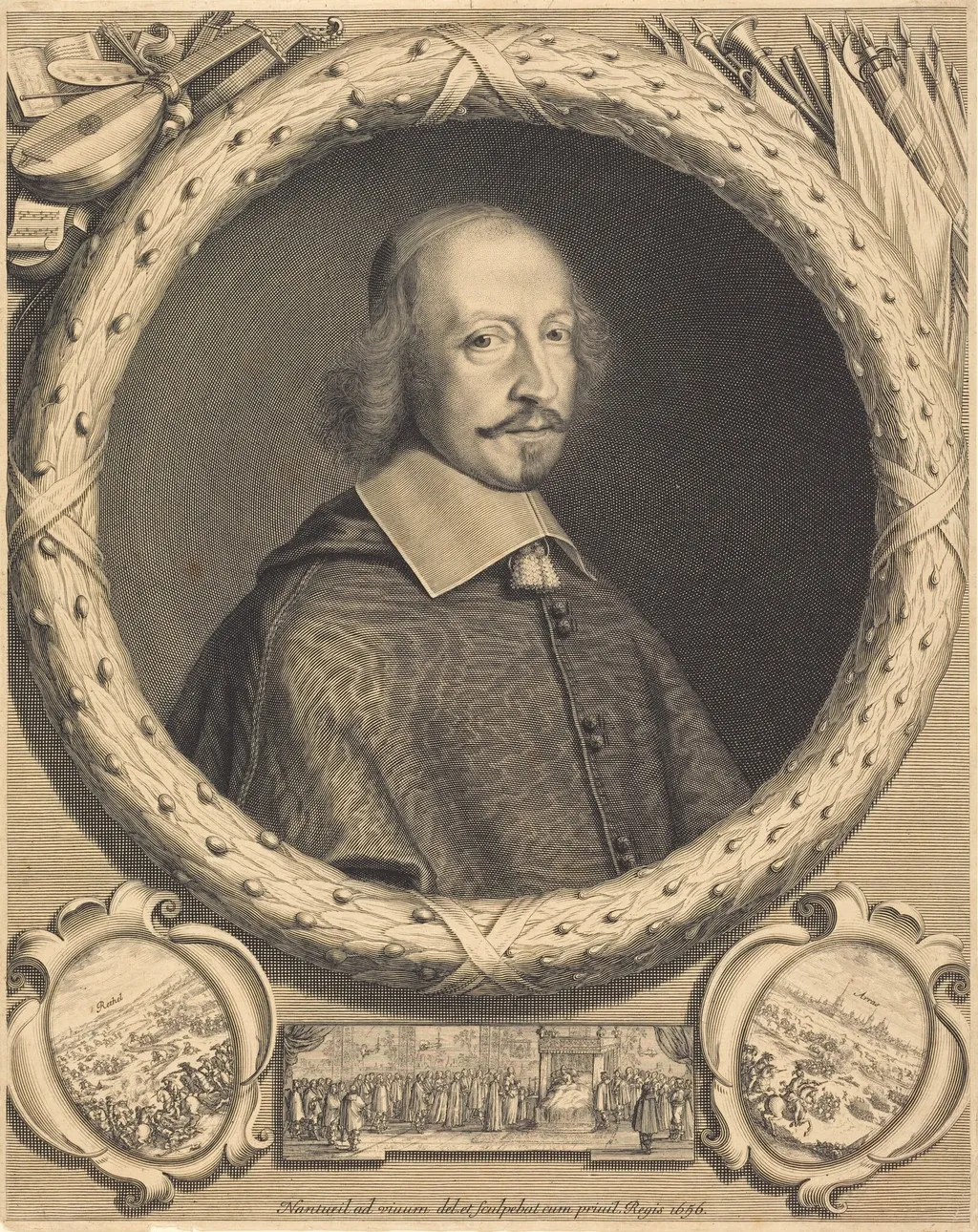
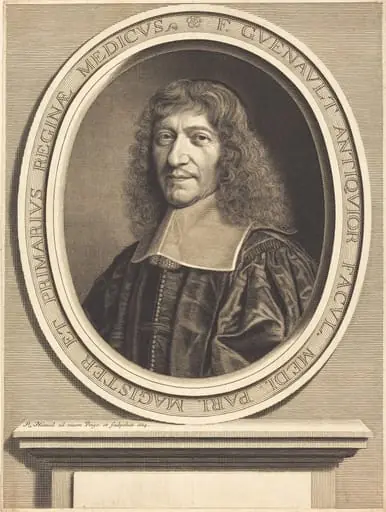
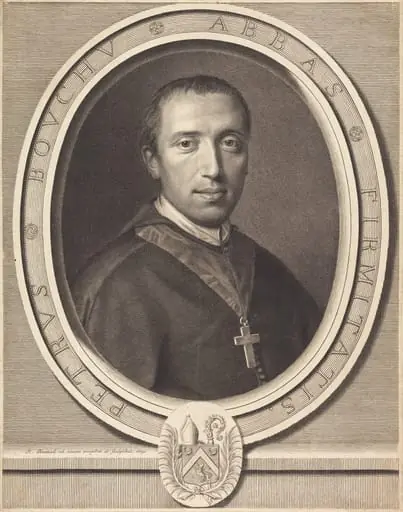
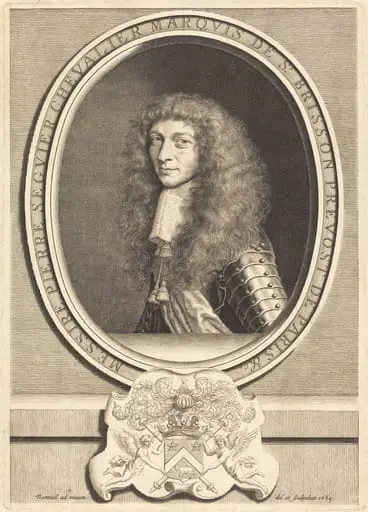
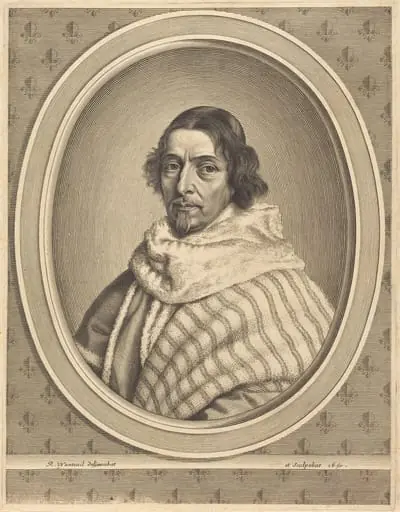
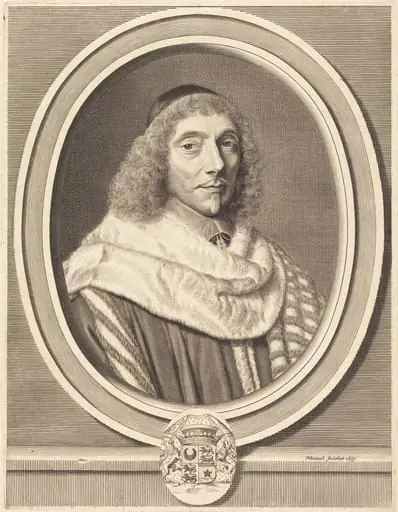
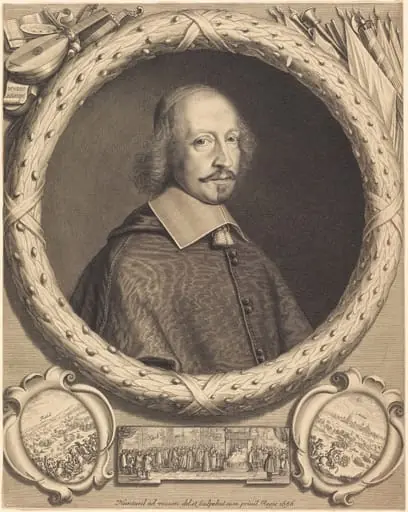
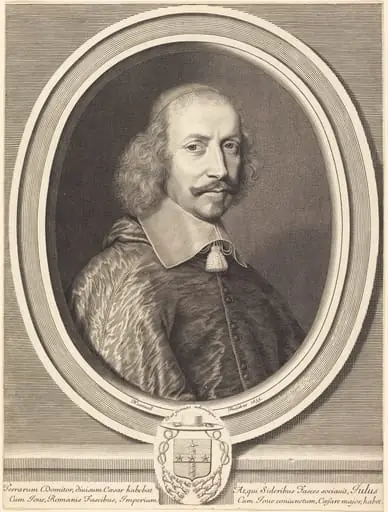
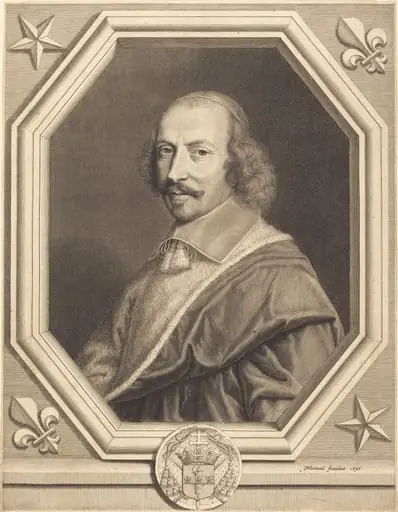
Cardinal Jules Mazarin is an ink print by the Baroque artist Robert Nanteuil. It dates from 1656 and is held in the collection of the National Gallery of Art.
About this work
Overview
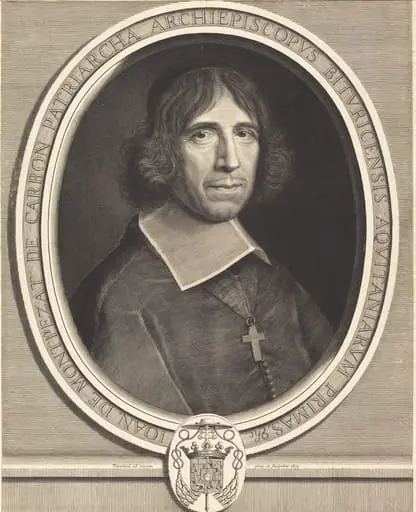
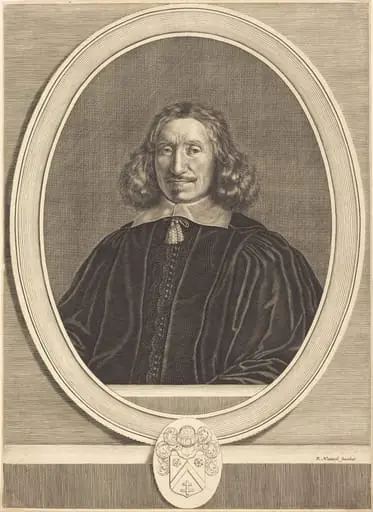
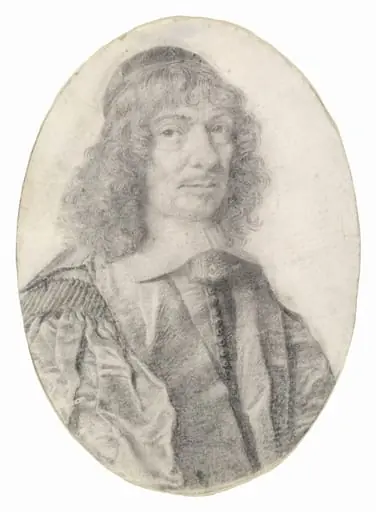
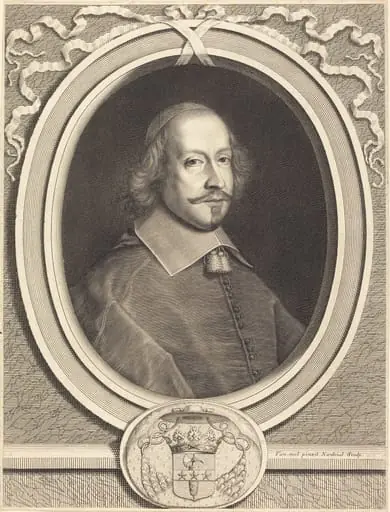
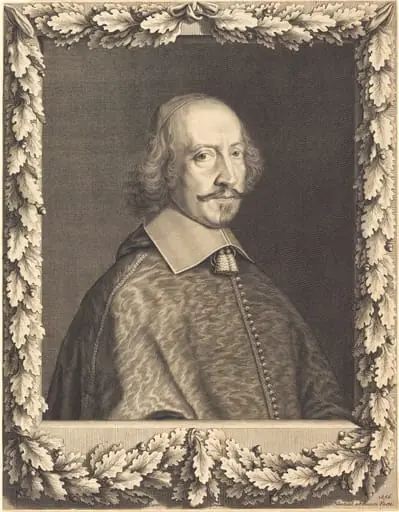
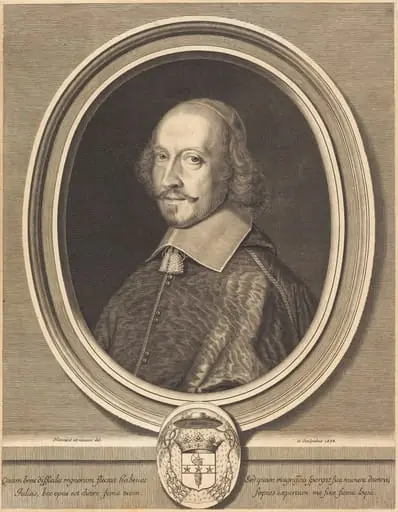
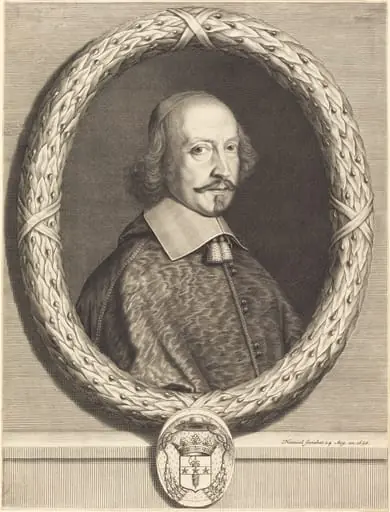
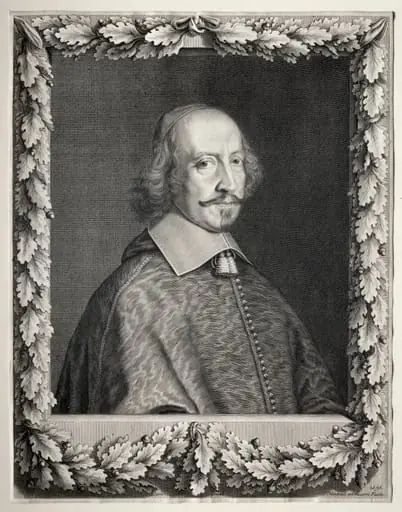
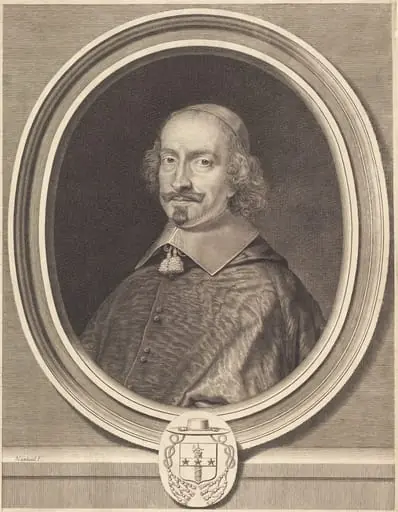
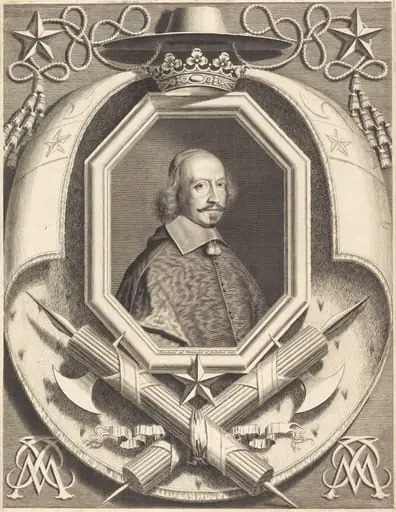
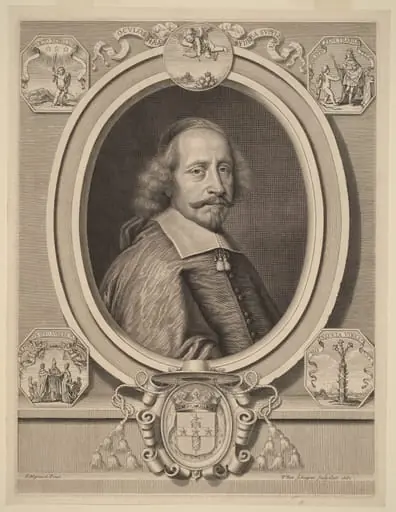
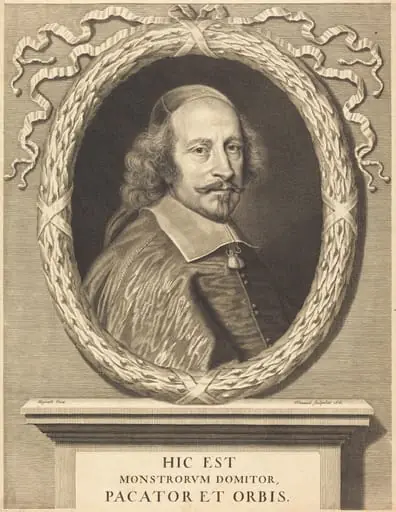
Robert Nanteuil’s 1656 engraving depicts Cardinal Jules Mazarin, a leading French clergyman and statesman of the mid‑seventeenth century. Executed as a black‑and‑white print, the image presents the cardinal in a formal pose, his curly hair and moustache rendered with fine line work, set against a dark oval background edged with decorative swirls.
Subject & Meaning
The portrait emphasizes Mazarin’s authority and solemnity through his serious expression, dark collar, and the dignified compositional framing. The inclusion of three small narrative scenes beneath the main figure, notably a gathering of figures outside a building, hints at Mazarian political activity and public presence.
Technique & Style
Nanteuil employed copper‑plate engraving, incising precise lines that allow subtle gradations of tone. This method, characteristic of French portrait prints of the period, achieves a high level of detail in facial features and fabric texture while maintaining a restrained, elegant aesthetic.
History & Provenance
Created while Nanteuil served the court of Louis XIV, the print reflects the artist’s role as a court portraitist. It was likely circulated among the royal administration and foreign dignitaries as a visual record of Mazarin’s likeness during his tenure as chief minister.
Context
The work belongs to a broader mid‑17th‑century French printmaking tradition that valued individualized, highly finished portraiture. Engravings such as this functioned both as art and as political propaganda, reinforcing the stature of high officials within the absolutist monarchy.
Artist & collection
Artist
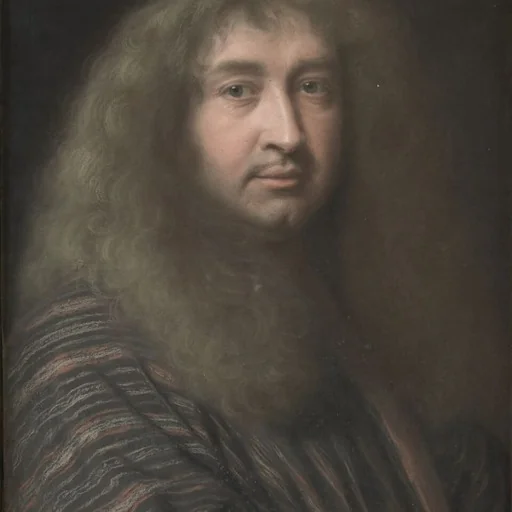
Robert Nanteuil (French pronunciation: ; 1623 – 9 December 1678) was a French portrait artist: engraver, draughtsman and pastellist to the court of Louis XIV.