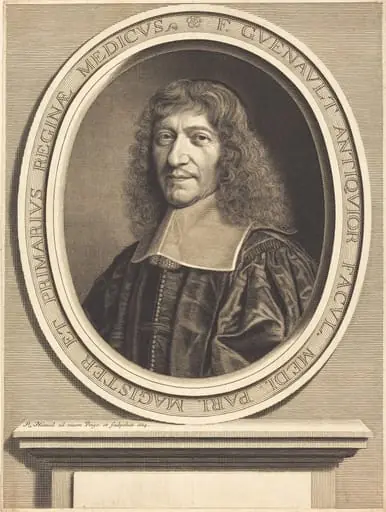
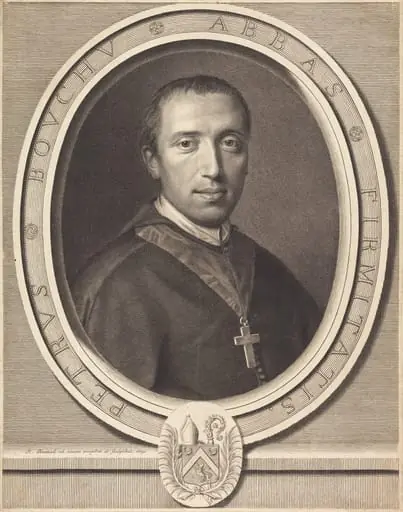
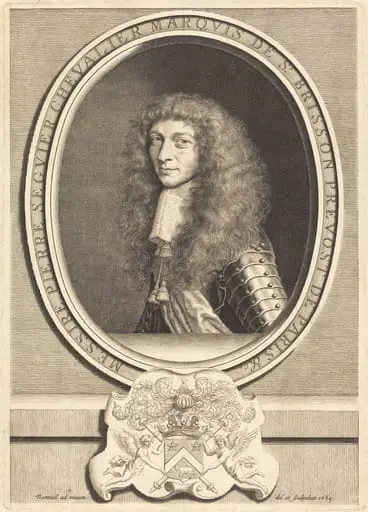
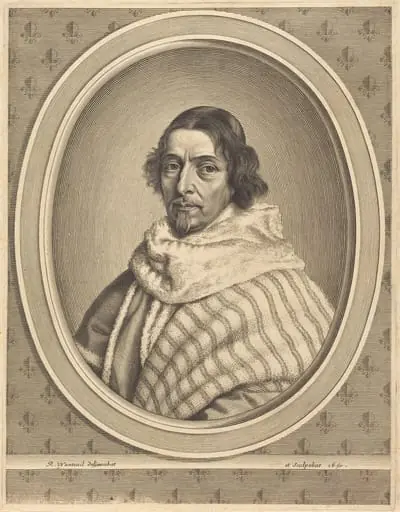
Artwork
Guillaume de Lamoignon
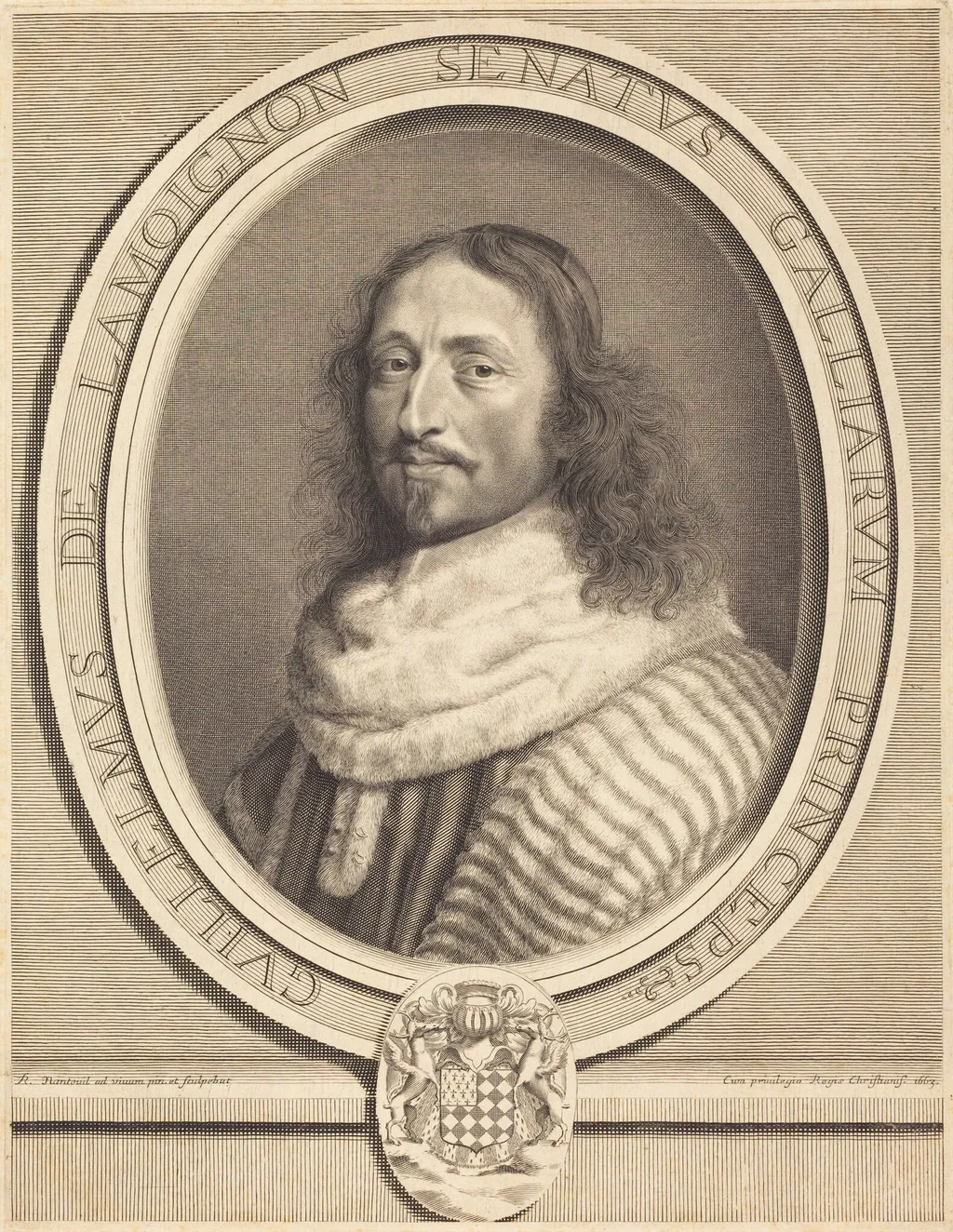
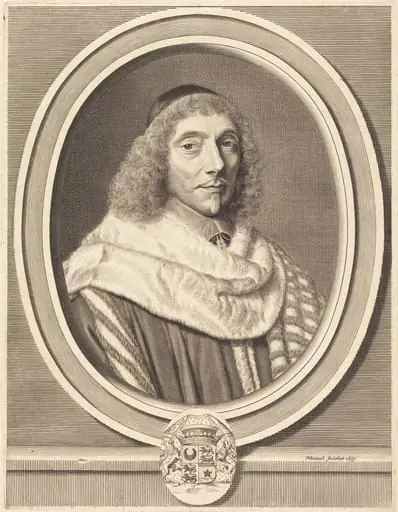
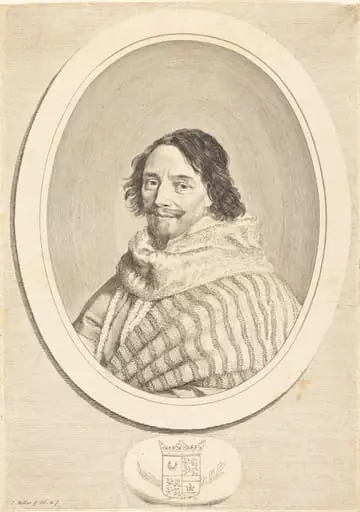
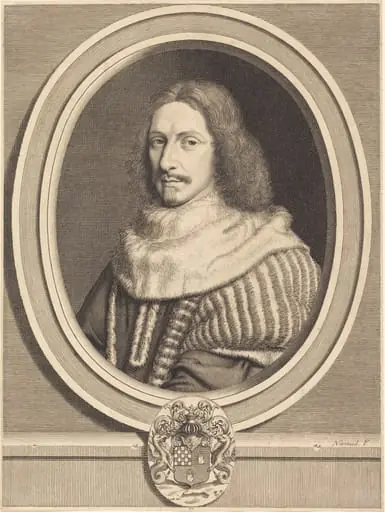
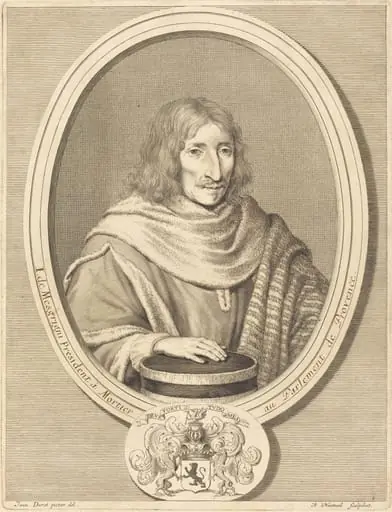
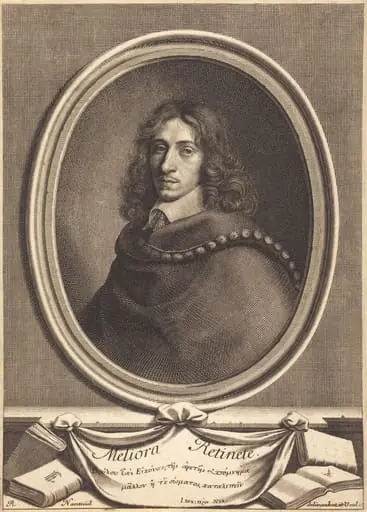
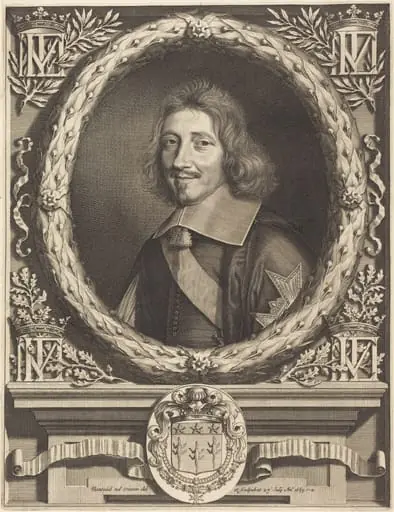
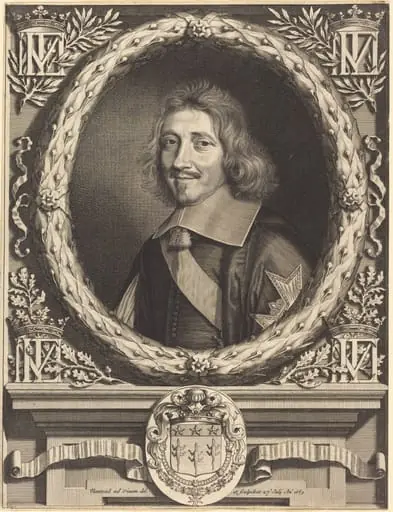
Guillaume de Lamoignon is an ink print by the Baroque artist Robert Nanteuil. It dates from 1663 and is held in the collection of the National Gallery of Art.
About this work
Overview
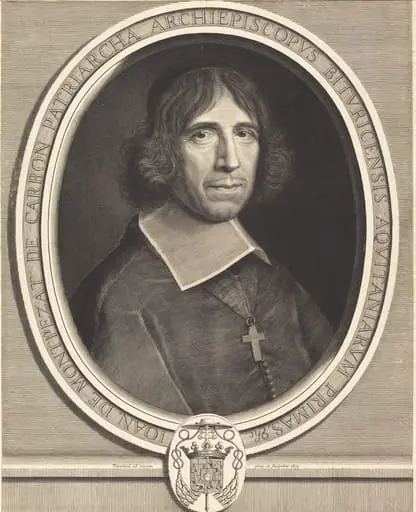
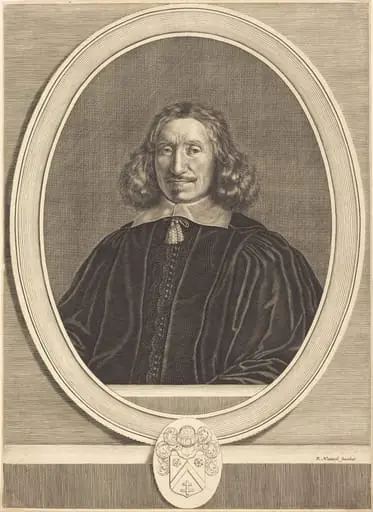
Created early in Nanteuil’s tenure as court portraitist to Louis XIV, the work exemplifies the formal, restrained aesthetic favored at the French royal court.
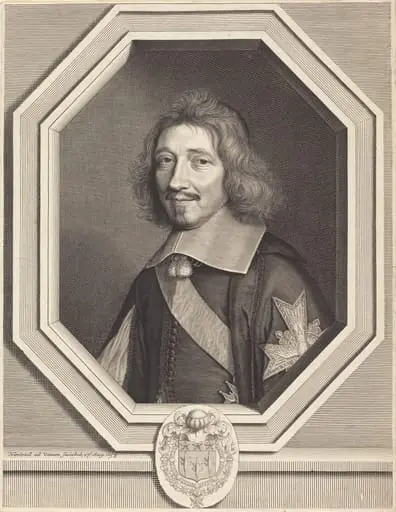
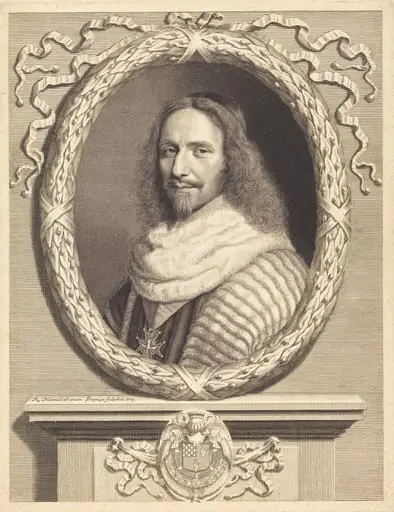
This 1663 engraving by Robert Nanteuil depicts Guillaume de Lamoignon, a prominent French magistrate. Created early in Nanteuil’s tenure as court portraitist to Louis XIV, the work exemplifies the formal, restrained aesthetic favored at the French royal court. The portrait is part of a series of official likenesses that helped define Nanteuil’s reputation for capturing authority through quiet precision rather than grandeur.
Subject & Meaning
Guillaume de Lamoignon, a key legal figure in Louis XIV’s administration, is portrayed with solemn composure. His neutral gaze and formal attire convey institutional gravitas rather than personal emotion. The inclusion of fur trim and layered clothing signals his social rank, while the absence of symbolic objects emphasizes his role as a functionary of state law, not a nobleman or warrior.
Technique & Style
Nanteuil employed fine, controlled lines and delicate hatching to model the subject’s face and textures of fabric and hair. The subtle gradations in tone, particularly in the fur collar and shirt stripes, demonstrate mastery of chiaroscuro without overt drama. The background fades softly into neutral tones, directing focus entirely to the figure’s presence and attire, a hallmark of French classical portraiture.
History & Provenance
The engraving was produced during Nanteuil’s rise as the principal portraitist to the French court. It was likely commissioned to reinforce Lamoignon’s public image as a pillar of royal justice. As part of a broader project to document key officials, the print circulated among administrative elites and was later collected by institutions interested in the visual culture of absolutism.
Context
In mid-17th century France, portraiture served political ends, with engravings used to disseminate the likenesses of state figures across the kingdom. Nanteuil’s style aligned with the monarchy’s preference for order and restraint. This portrait reflects a shift away from Baroque flamboyance toward a more controlled, intellectual representation of power, suited to the emerging bureaucratic state.
Legacy
Nanteuil’s portraits, including this one, became benchmarks for French engraving. His ability to render dignity through subtlety influenced generations of portraitists. The image of Lamoignon remains a reference point for understanding how legal authority was visually constructed during the early years of Louis XIV’s reign, preserving the quiet authority of the ancien régime’s administrators.
Artist & collection
Artist
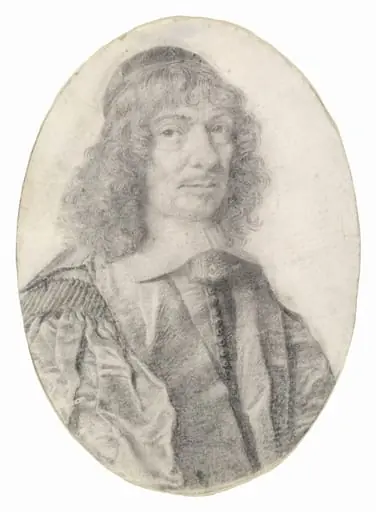
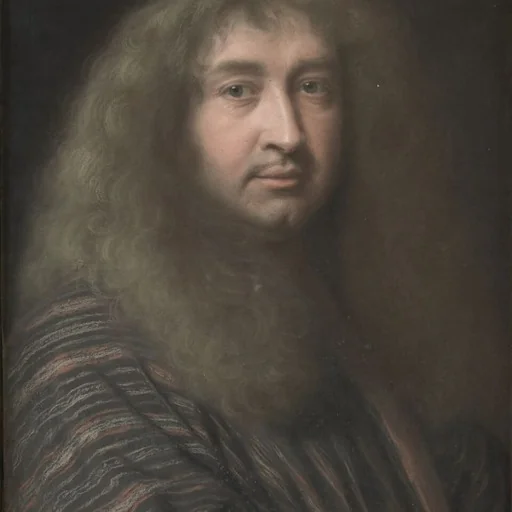
Robert Nanteuil (French pronunciation: ; 1623 – 9 December 1678) was a French portrait artist: engraver, draughtsman and pastellist to the court of Louis XIV.