Artwork
Jean Loret
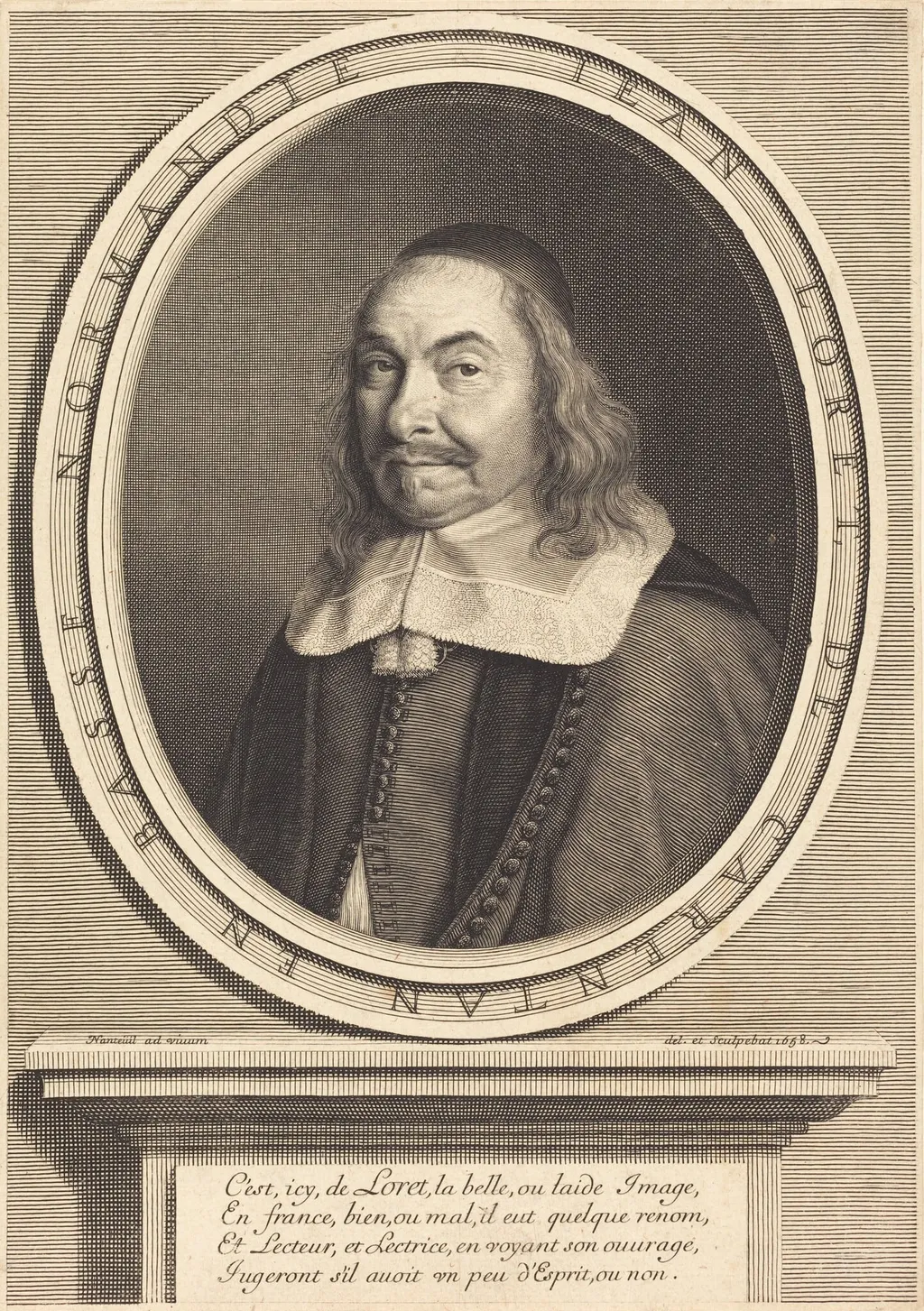
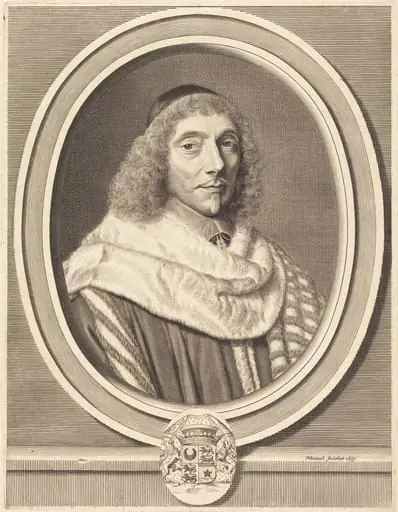
Jean Loret is an ink print by the Baroque artist Robert Nanteuil. It dates from 1658 and is held in the collection of the National Gallery of Art.
About this work
Overview
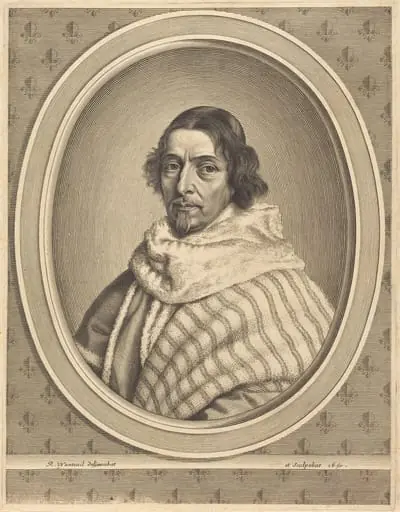
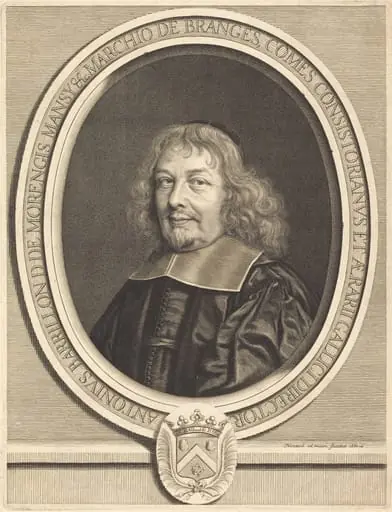
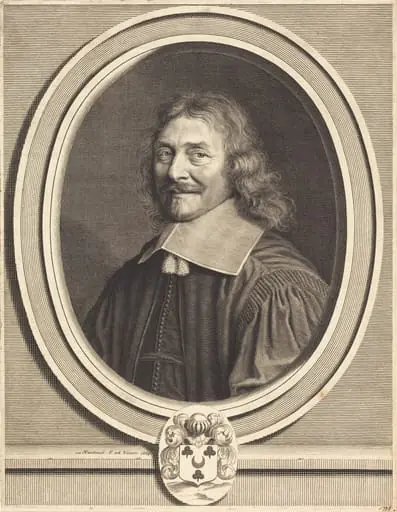
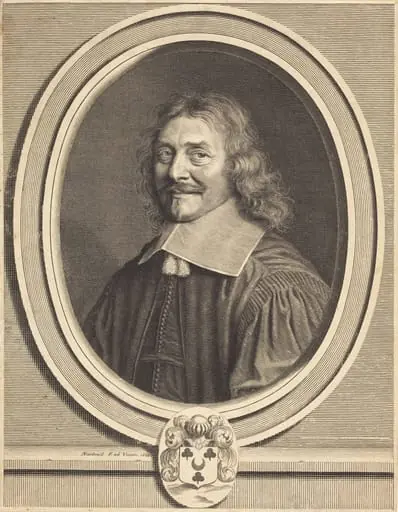
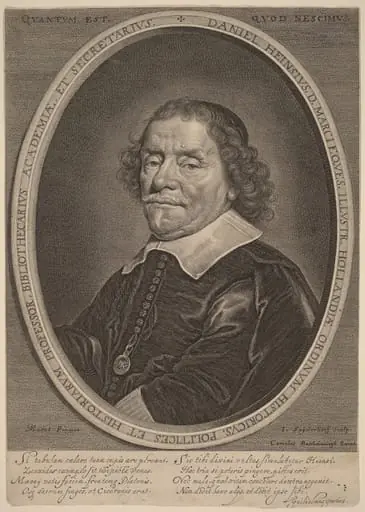
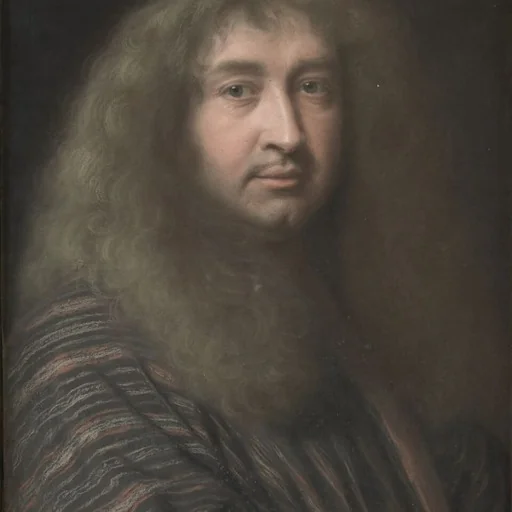
Jean Loret is an engraving by Robert Nanteuil, created in 1658. The work is a portrait of Jean Loret, a French poet and journalist, executed in black and white. It features a serious, high-collared figure set against a dark oval background, adorned with a chain and framed by intricate line work.
Subject & Meaning
The engraving portrays Jean Loret, known for publishing *La Muze historique*, a weekly newsletter. The depiction emphasizes his status, consistent with the conventions of portraying intellectuals and nobility in 17th-century French art.
Technique & Style
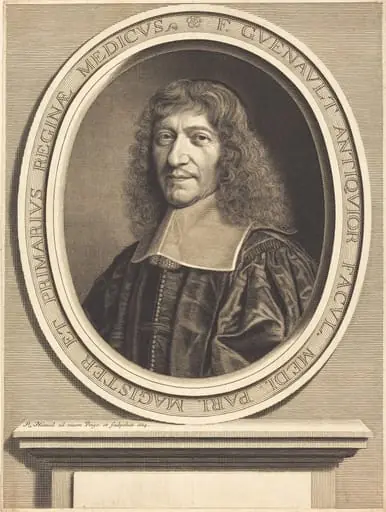
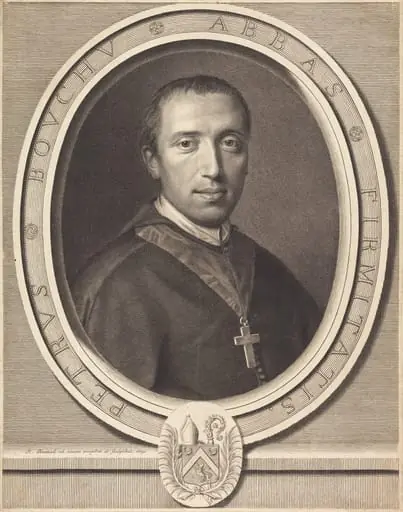
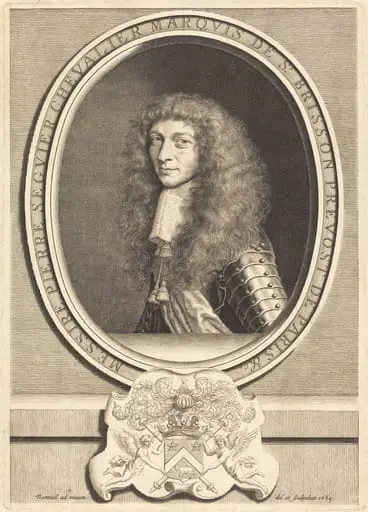
Nanteuil employed refined engraving techniques, including fine line work and cross-hatching, to achieve clarity, elegance, and depth. The portrait's details, such as facial features and textures, are rendered through precise, tiny lines.
History & Provenance
Created in 1658 by Robert Nanteuil, who served as engraver to the court of Louis XIV, this piece reflects the artist's specialization in capturing the likenesses and statuses of notable figures of the time.
Context
This engraving aligns with mid-17th-century French portrait conventions, prioritizing likeness, status, and aesthetic refinement. It would have been recognized as a representation of Loret's literary and social standing.
Legacy
While specific lasting impacts of this engraving are not detailed, it contributes to the broader legacy of Nanteuil's precise portrait style and the historical record of Jean Loret's influence in French literary circles.
Artist & collection
Artist
Robert Nanteuil (French pronunciation: ; 1623 – 9 December 1678) was a French portrait artist: engraver, draughtsman and pastellist to the court of Louis XIV.