Artwork
Jules, Duc d'Enghien
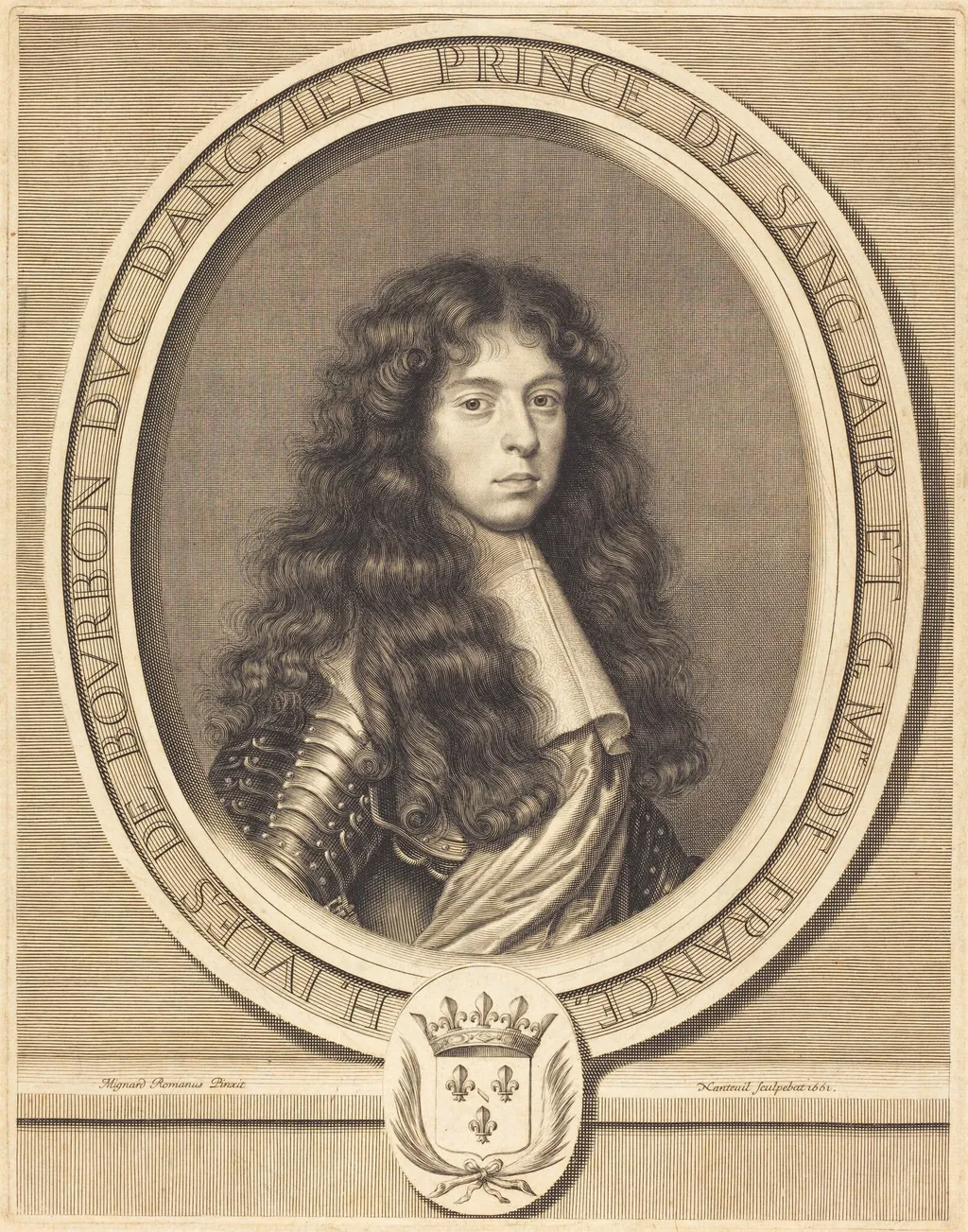
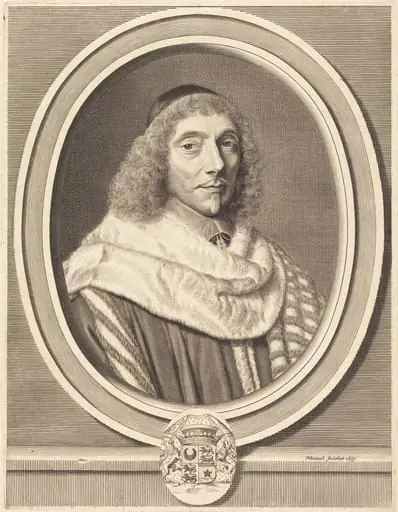
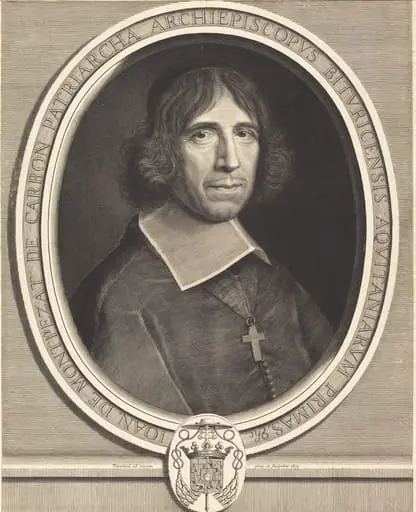
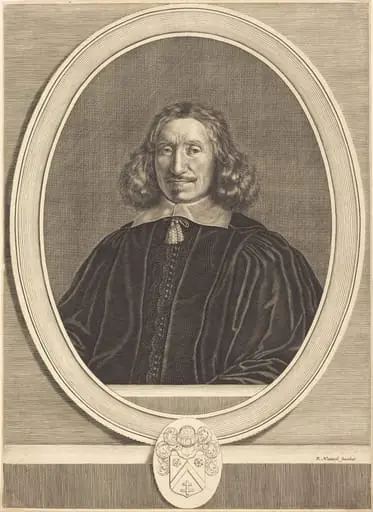
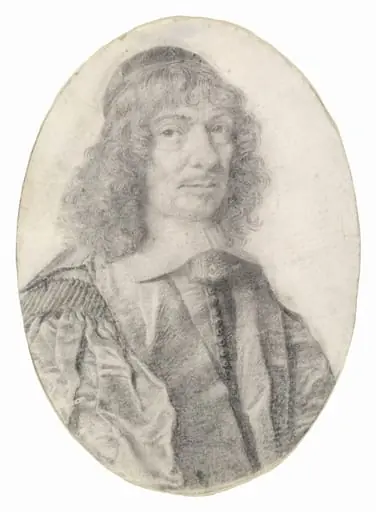
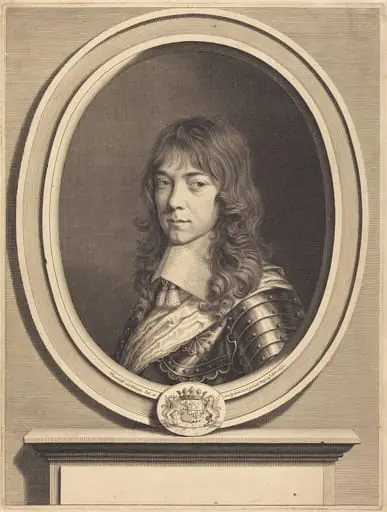
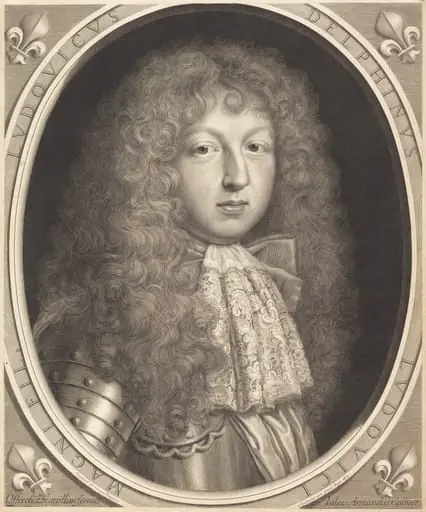
Jules, Duc d'Enghien is an ink print by the Baroque artist Robert Nanteuil. It dates from 1661 and is held in the collection of the National Gallery of Art.
About this work
Overview
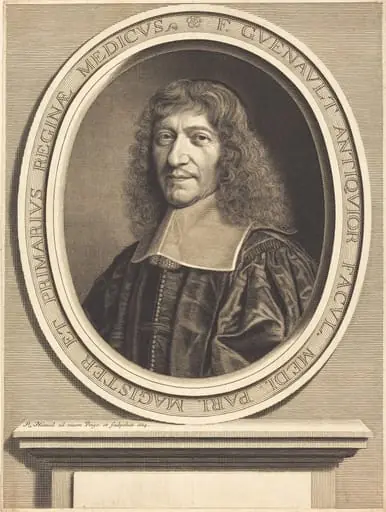
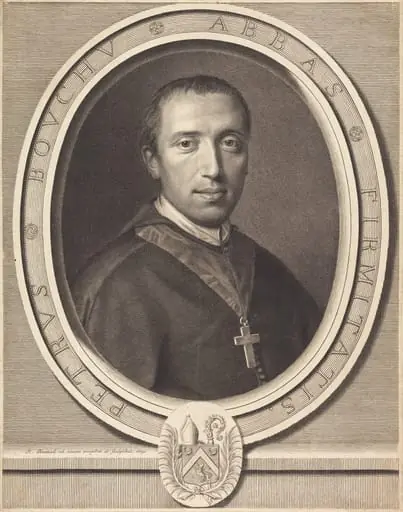
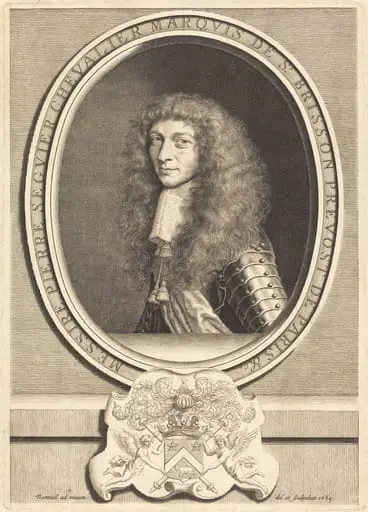
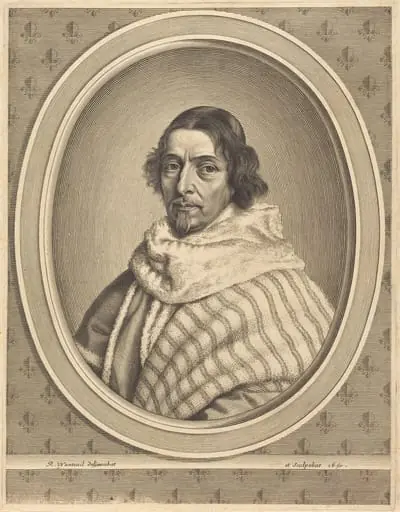
Jules, Duc d'Enghien is a 1661 engraving by Robert Nanteuil, portraying the noble subject in a formal, period-typical portrait. The work exemplifies Nanteuil's role in producing refined, detailed likenesses of prominent figures for the court of Louis XIV.
Subject & Meaning
The engraving focuses on Jules, Duc d'Enghien, emphasizing his dignified presence through a serious expression and formal attire, including armor, signifying his noble and possibly military status.
Technique & Style
Executed in black and white, the engraving showcases Nanteuil's mastery of the medium through fine lines, intricate textures, and detailed rendering of hair, clothing, and armor, characteristic of Baroque realism.
History & Provenance
Created in 1661 for the court of Louis XIV, the engraving was part of Nanteuil's official output as a court artist, utilizing printmaking to disseminate portraits of nobility.
Context
The work is contextualized within the Baroque movement, evident in its detailed realism and dramatic (implied) lighting effects, though the latter is subtly suggested in the black and white format.
Legacy
As a precise and detailed example of 17th-century French court portraiture, Jules, Duc d'Enghien contributes to the legacy of Nanteuil's contributions to the evolution of portrait engraving in Europe.
Artist & collection
Artist
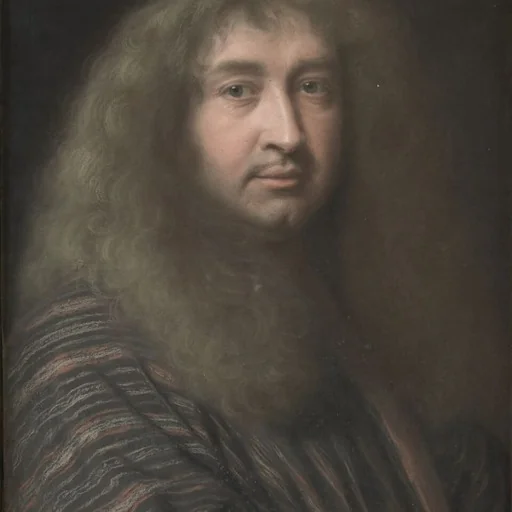
Robert Nanteuil (French pronunciation: ; 1623 – 9 December 1678) was a French portrait artist: engraver, draughtsman and pastellist to the court of Louis XIV.