Artwork
Philibert-Emmanuel de Beaumanoir Lavardin
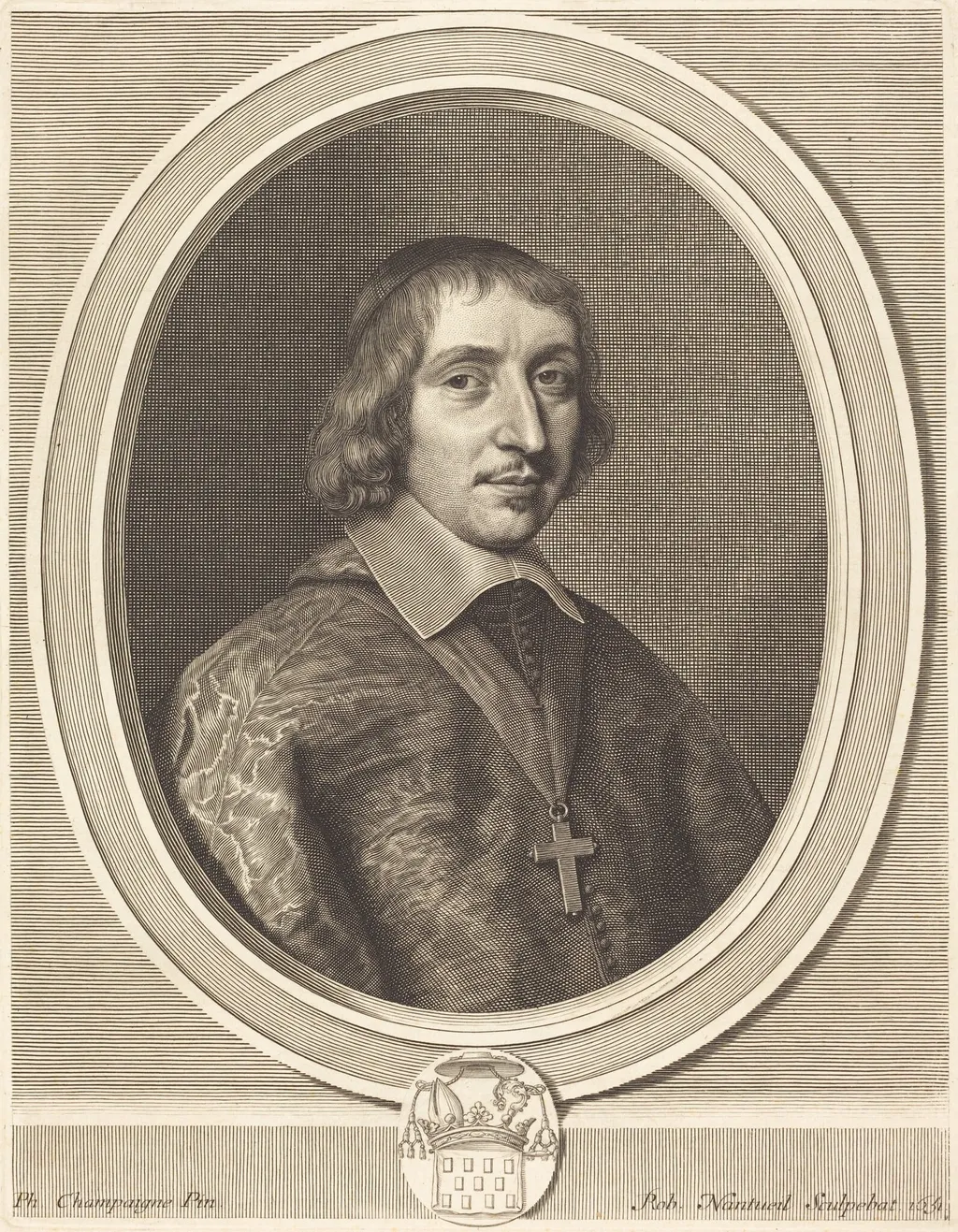
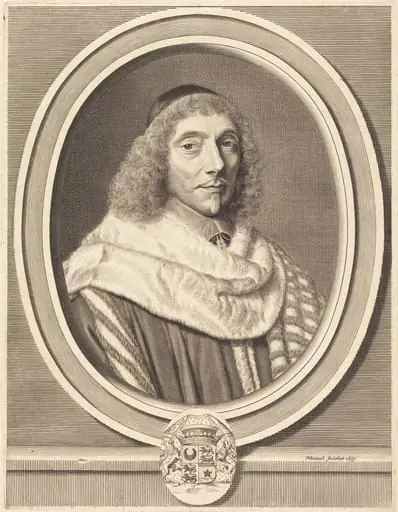
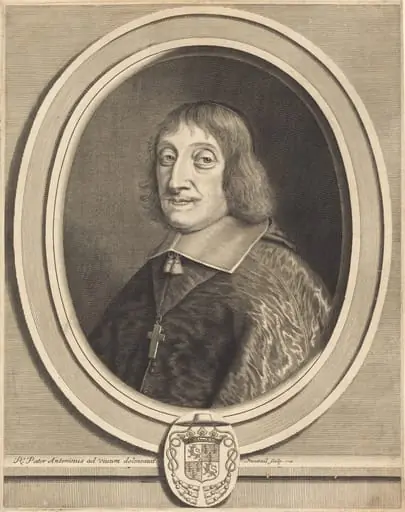
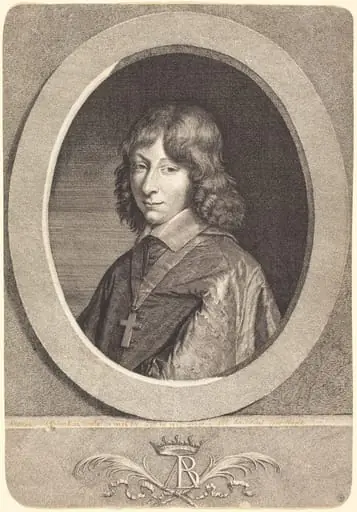
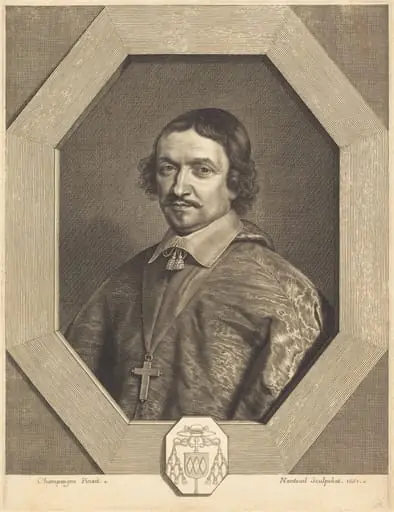
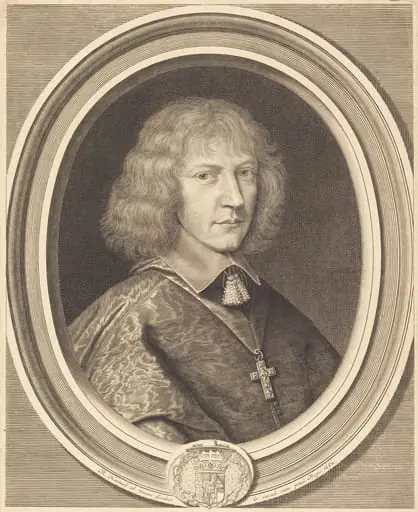
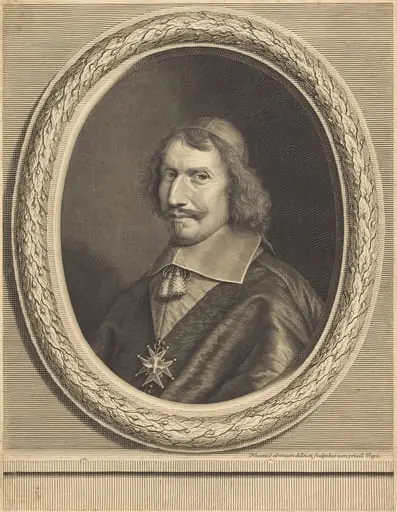
Philibert-Emmanuel de Beaumanoir Lavardin is an ink print by the Baroque artist Robert Nanteuil. It dates from 1651 and is held in the collection of the National Gallery of Art.
About this work
Overview
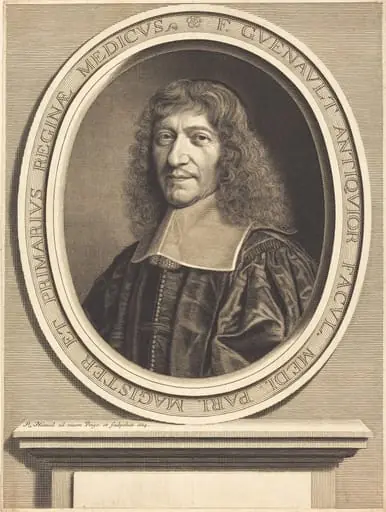
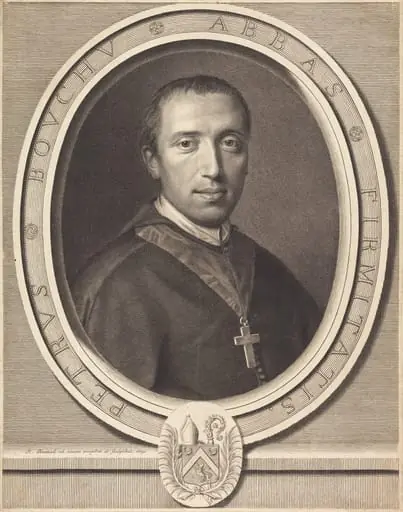
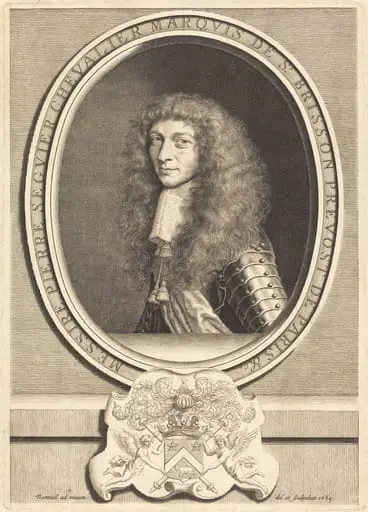
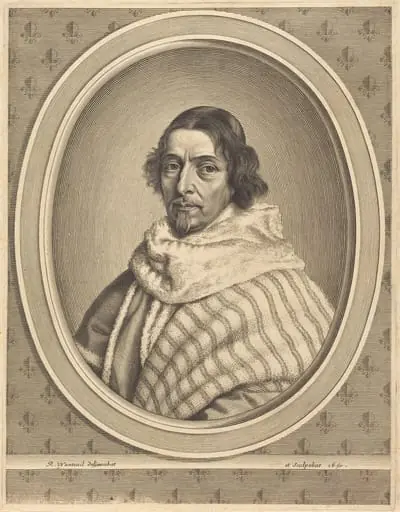
The 1651 engraving by Robert Nanteuil presents Philibert‑Emmanuel de Beaumanoir, seigneur de Lavardin, a French aristocrat of the mid‑17th century. Executed in black and white, the print follows the conventions of French court portraiture, emphasizing a composed demeanor and clear, precise line work.
Subject & Meaning
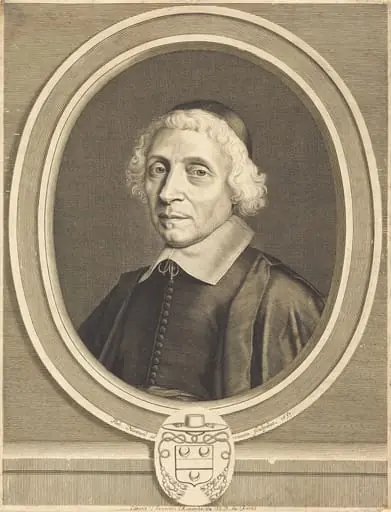
The sitter is shown with tightly curled hair, a sober expression, and attire that includes a ruffled collar and a dark coat, conveying his rank and seriousness. A small architectural motif at the lower left functions as a heraldic emblem, reinforcing his noble lineage.
Technique & Style
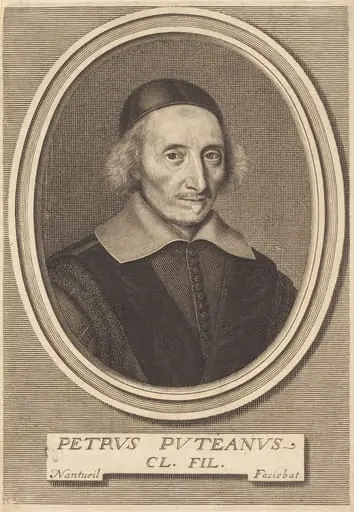
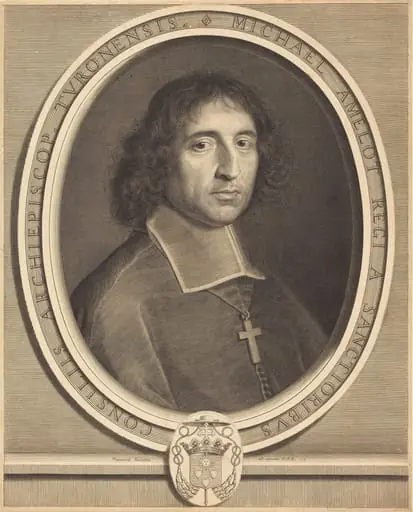
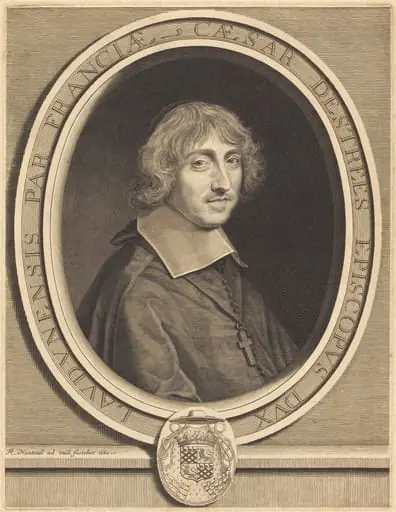
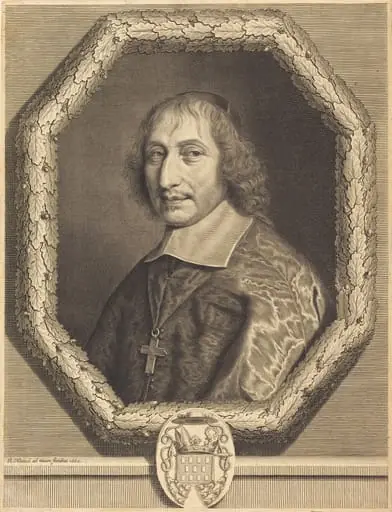
Nanteuil employs fine, intersecting lines to model facial features and fabric textures, while the surrounding oval frame is filled with dense cross‑hatching that creates a subtle tonal background. The overall effect relies on line density rather than shading, a hallmark of the period’s engraving practice.
History & Provenance
Robert Nanteuil, appointed official engraver to Louis XIV, produced this portrait during his most active phase. The print was likely circulated among the court and the sitter’s family, serving both as a record of status and as a collectible object within the French aristocratic network.
Context
Mid‑17th‑century French portraiture favored restrained elegance and meticulous draftsmanship, reflecting the centralizing aesthetic of the Sun King’s reign. Nanteuil’s work aligns with this trend, offering a dignified visual statement that complements contemporary painted portraits of the same elite.
Artist & collection
Artist
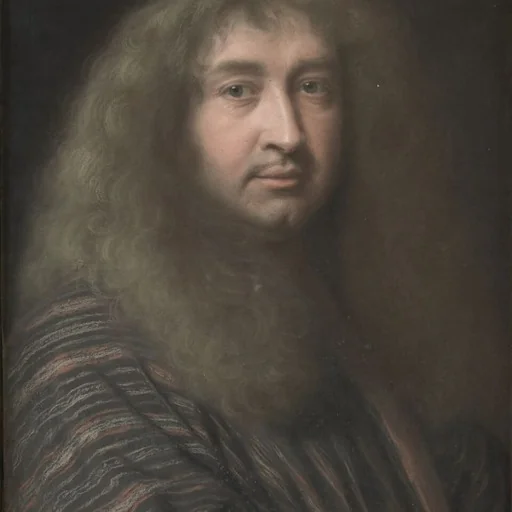
Robert Nanteuil (French pronunciation: ; 1623 – 9 December 1678) was a French portrait artist: engraver, draughtsman and pastellist to the court of Louis XIV.