Artwork
Roger Palmer, Earl of Castlemain
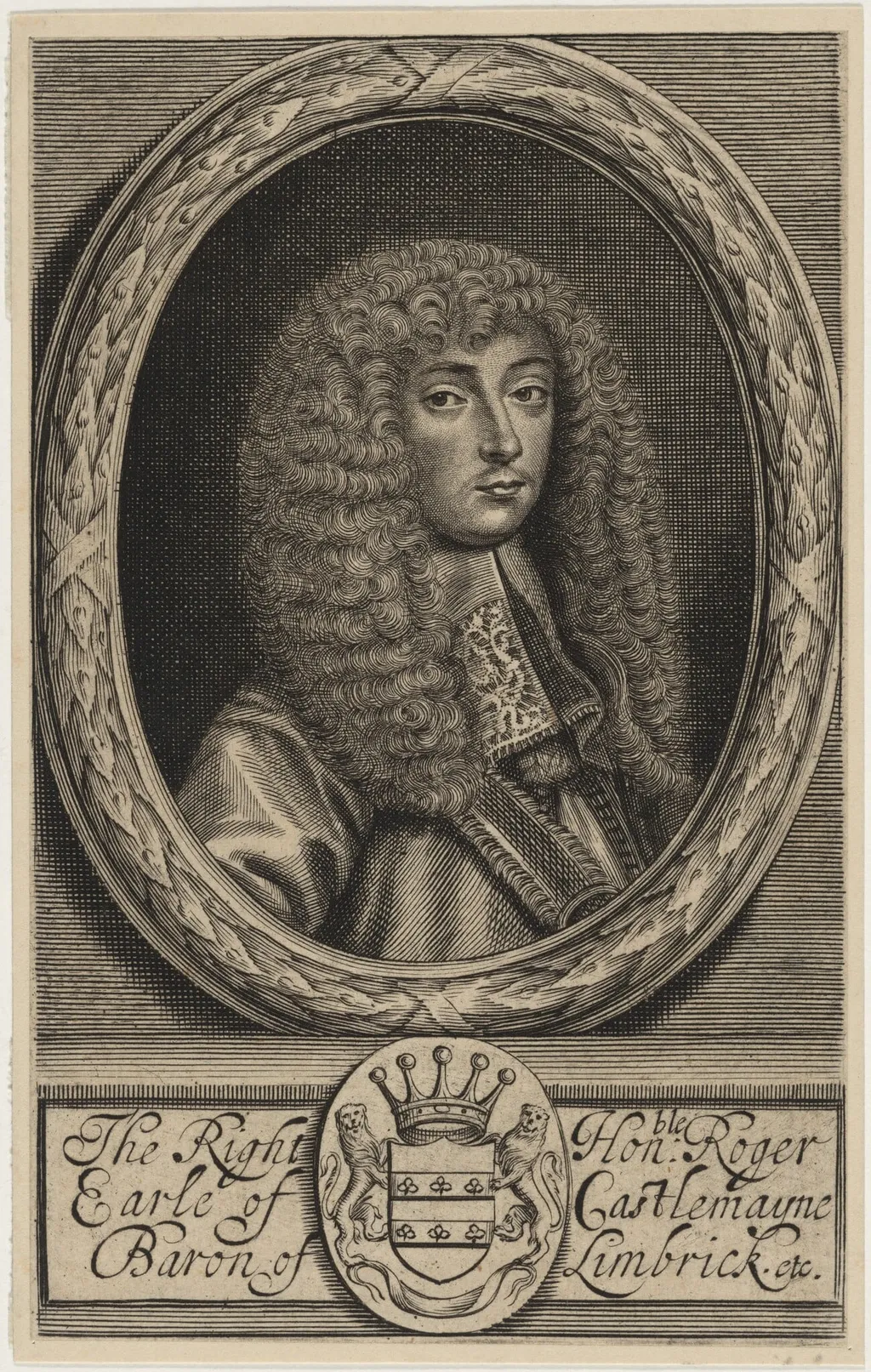
Roger Palmer, Earl of Castlemain is an ink print by the Baroque artist William Faithorne. It dates from 1671 and is held in the collection of the National Gallery of Art.
About this work
Overview
Executed in black and white, the portrait is centered within a circular frame against a plain background, bordered by ornamental detail.
This 1671 engraving by William Faithorne depicts Roger Palmer, Earl of Castlemaine, in formal attire. Executed in black and white, the portrait is centered within a circular frame against a plain background, bordered by ornamental detail. Below the image, a heraldic emblem and inscribed text identify the sitter’s full title and noble status, reflecting the conventions of aristocratic portraiture in late 17th-century England.
Subject & Meaning
Roger Palmer, a courtier and diplomat, is presented with the dignity befitting his title as Earl of Castlemaine and Baron of Limbrick. The inclusion of his coat of arms and formal title emphasizes lineage and social rank. The portrait functions not merely as likeness but as a visual assertion of status, aligning the sitter with the traditions of noble representation prevalent among England’s elite during the Restoration period.
Technique & Style
Faithorne employed fine, precise lines to render texture in the subject’s curled hair, lace collar, and fabric folds. The engraving technique—incising lines into a copper plate—allowed for intricate detail and tonal variation through line density. The restrained palette and clean composition focus attention on the sitter’s face and regalia, showcasing Faithorne’s mastery of the medium and his adherence to the portraiture norms of his time.
History & Provenance
Created in 1671, the engraving likely served as a circulated image of the earl among his peers and patrons. Faithorne, a leading English engraver, was known for producing portraits of prominent figures, often commissioned for private collections or diplomatic gifts. The work’s survival suggests it was valued within aristocratic circles, though its specific early ownership remains undocumented.
Context
In post-Restoration England, engraved portraits were a primary means of disseminating the likenesses of nobility. With limited access to painted originals, engravings like this one allowed the gentry to affirm social identity through visual culture. Faithorne’s work reflects the era’s emphasis on heraldry and formal presentation, reinforcing the connection between image, power, and lineage.
Legacy
Faithorne’s engraving of Roger Palmer stands as a representative example of English portrait engraving in the late 1600s. While not widely known today, it contributes to the broader understanding of how aristocratic identity was visually constructed and reproduced in print. The work remains a reference for studying the intersection of print technology and social hierarchy in early modern Britain.
Artist & collection
Artist
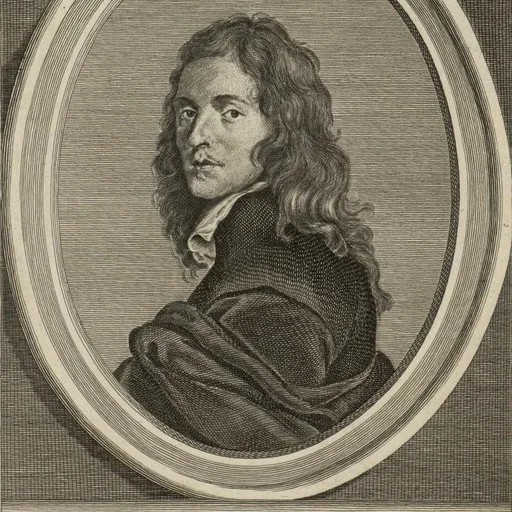
William Faithorne (1616–1691) was a British artist, born in Greater London.

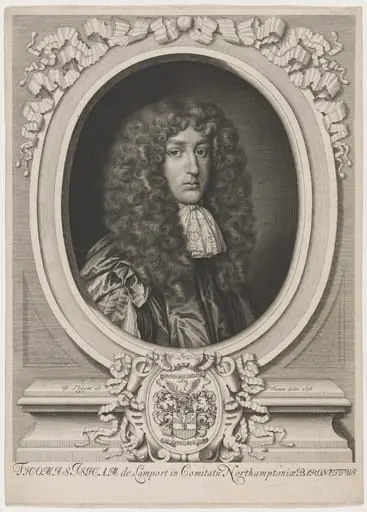 Sir Thomas Isham
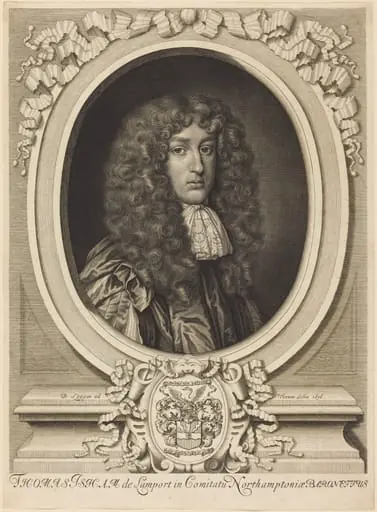 Sir Thomas Isham
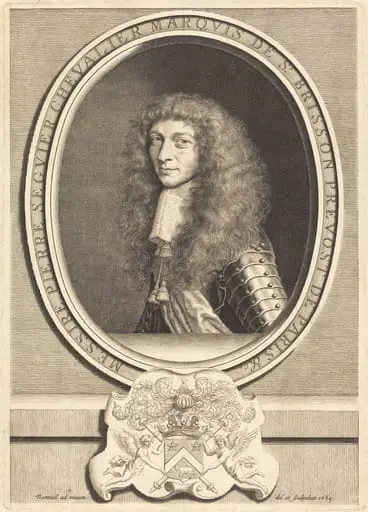 Pierre Seguier, Marquis de Saint-Brisson
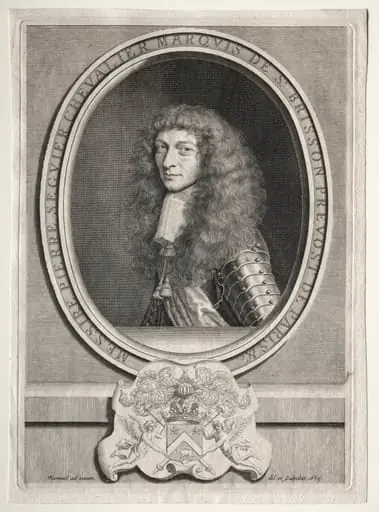 Pierre Seguier Chevalier, Marquis de St. Brisson
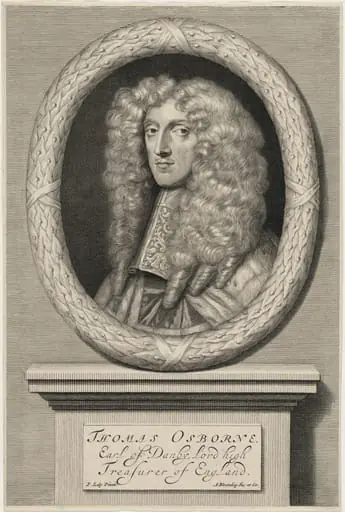 Thomas Osborne, First Duke of Leeds
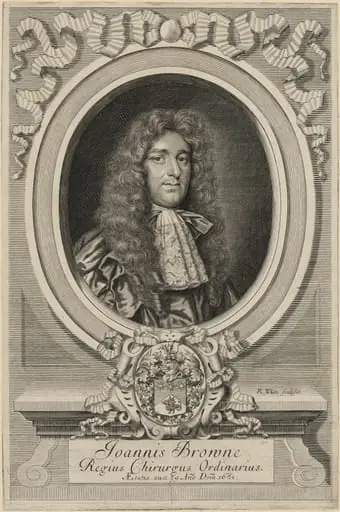 John Browne
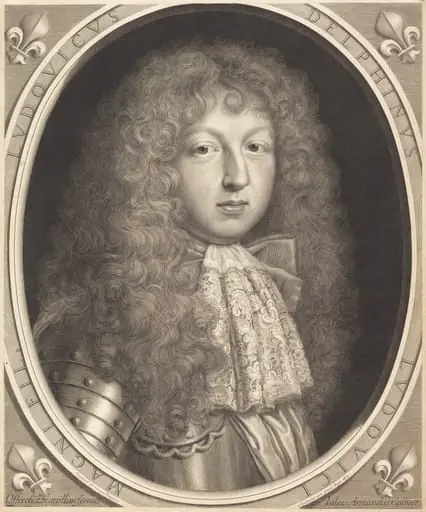 Louis, Dauphin de France
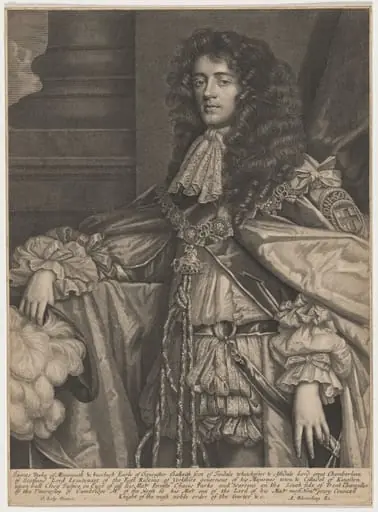 James, Duke of Monmouth and Buccleuch
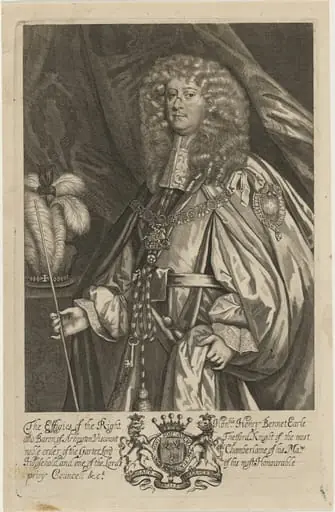 Henry Bennett, Earl of Arlington
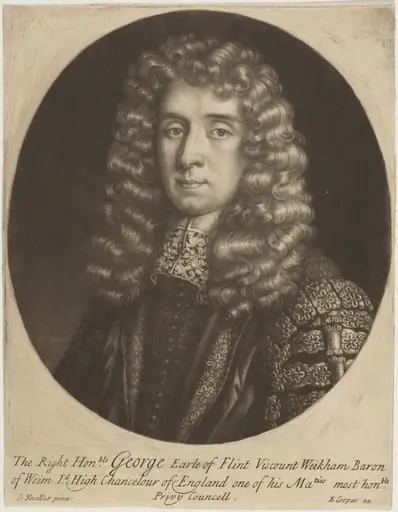 George Jeffreys, Earl of Flint, Viscount Weikham