Artwork
The Mill in the Davydov's Estate
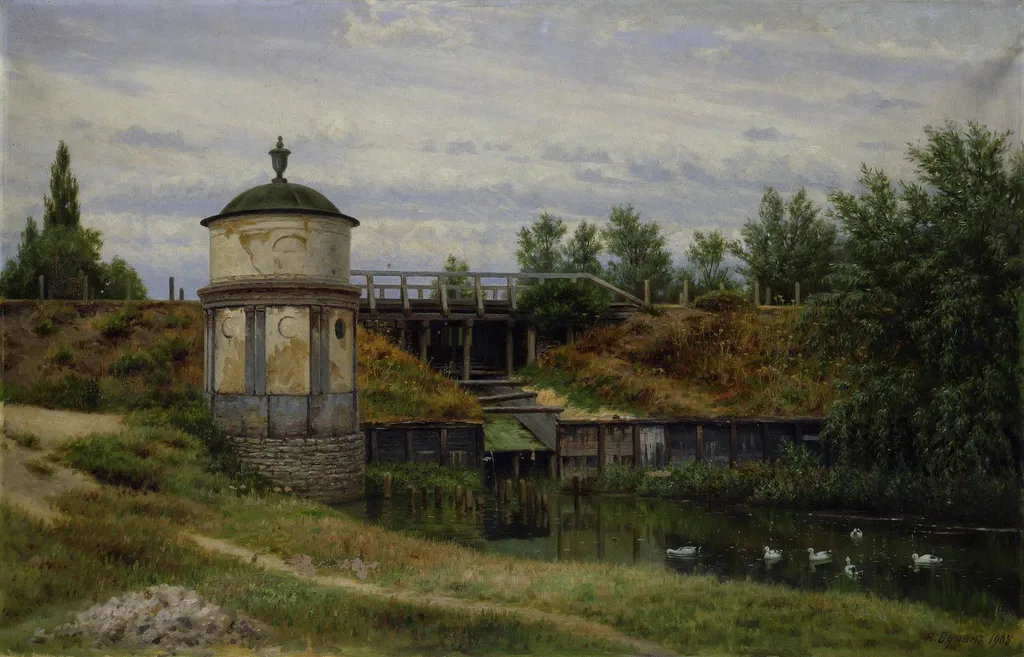
The Mill in the Davydov's Estate is an oil painting by the American Impressionist artist Narkiz Bunin. It dates from 1908 and is held in the collection of the Hermitage Museum.
About this work
Overview
Painted in 1908 by Narkiz Bunin, this oil-on-canvas landscape depicts a rural mill situated within the Davydov estate.
Painted in 1908 by Narkiz Bunin, this oil-on-canvas landscape depicts a rural mill situated within the Davydov estate. The work is part of the permanent collection at the State Hermitage Museum in Saint Petersburg. It captures a quiet, unpopulated scene where architecture and nature coexist with subtle harmony, reflecting early 20th-century Russian interest in regional vernacular and atmospheric landforms.
Subject & Meaning
The central subject is a weathered stone mill, its wooden roof showing signs of age, standing beside a still body of water. A bridge connects the structure to the distant shore, suggesting utility and quiet continuity. The absence of human figures emphasizes solitude and the passage of time, inviting contemplation of labor, decay, and the enduring presence of rural infrastructure in the Russian countryside.
Technique & Style
Bunin employs a restrained palette of earth tones and muted greens, with careful modulation of light to define form. Chiaroscuro is used subtly to model the mill’s stone surfaces and the play of shadow across the water’s surface. Textures are rendered through layered brushwork—rough for the walls, smoother for the water—creating tactile realism without overt detail, aligning with the quiet realism of late 19th-century Russian landscape traditions.
History & Provenance
The painting was completed in 1908 and entered the State Hermitage Museum’s collection shortly thereafter. It was likely acquired during a period of increased institutional interest in regional Russian art. No records indicate prior private ownership, suggesting the artist or estate may have donated it directly. Its preservation in a major public collection underscores its recognition as a representative work of its time and place.
Context
Created during a time when Russian artists were turning away from academic idealism toward intimate, localized scenes, this painting reflects broader cultural interest in the countryside’s material heritage. The mill, a common but vanishing feature of rural life, was increasingly viewed as emblematic of a disappearing way of life. Bunin’s treatment aligns with contemporaries who sought dignity in the ordinary, avoiding romanticism in favor of quiet observation.
Legacy
Though not widely exhibited outside Russia, the painting remains a quiet reference in studies of early 20th-century Russian landscape painting. Its restrained composition and attention to material texture have influenced later regional artists interested in preserving visual records of rural architecture. It stands as a modest but enduring example of how everyday structures could carry historical weight through careful depiction.
Artist & collection
Artist
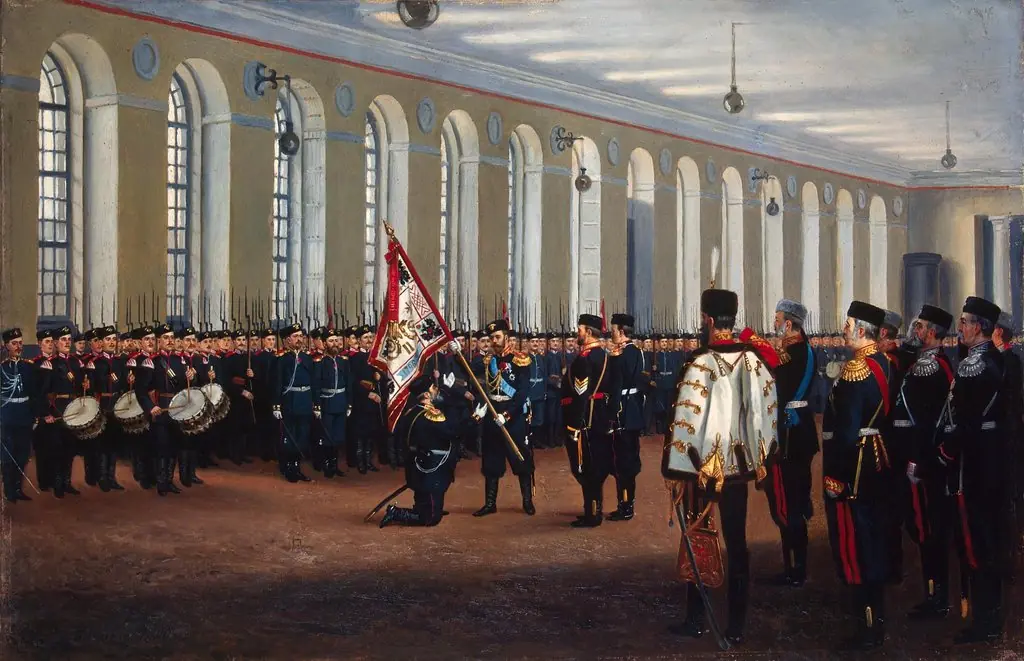
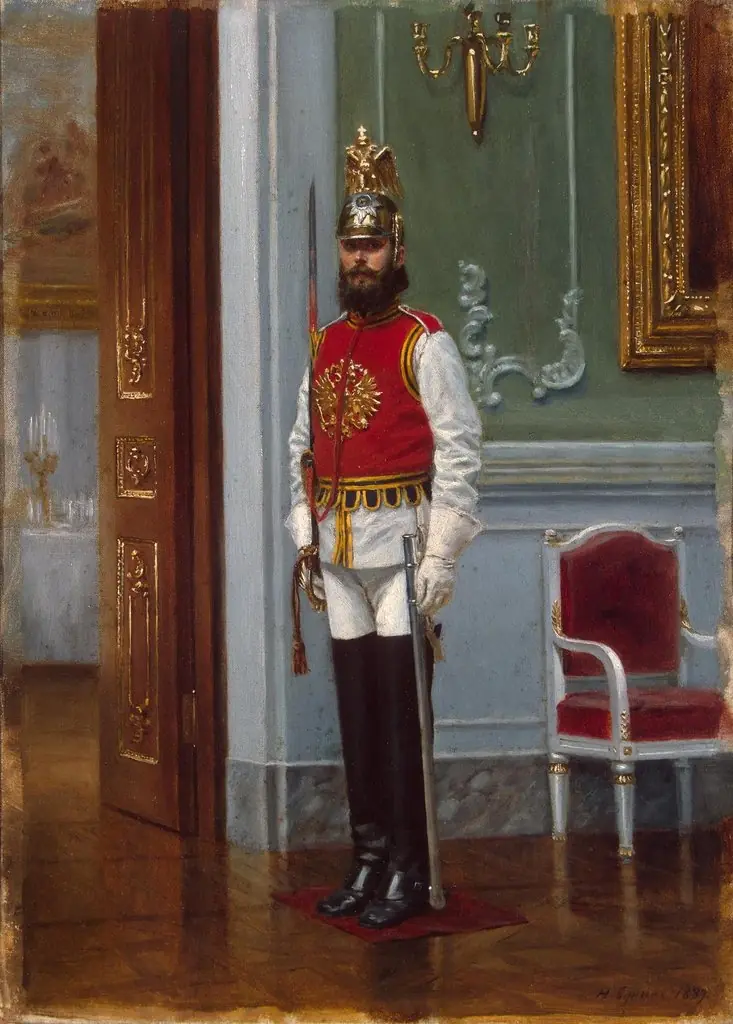
Russian military life at the turn of the 1900s shows up in Narkiz Bunin’s oil paintings.

 En sommerdag. Motiv fra Horneland ved Fåborg
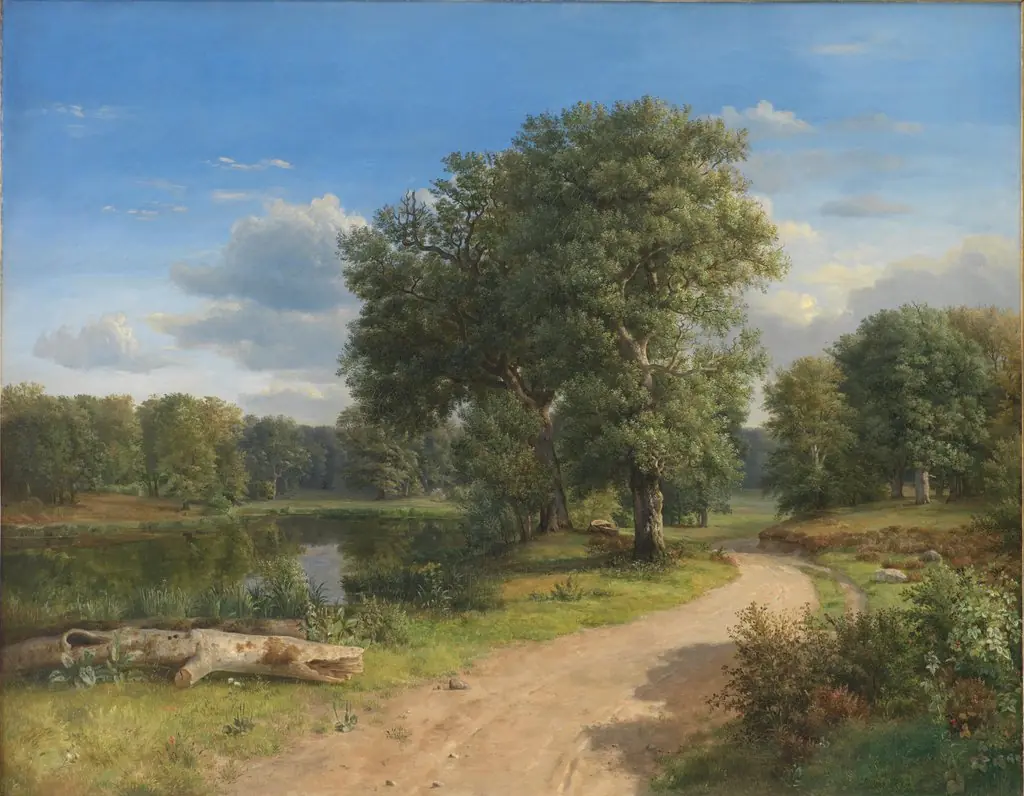 Landscape near Hammermøllen, North Zealand
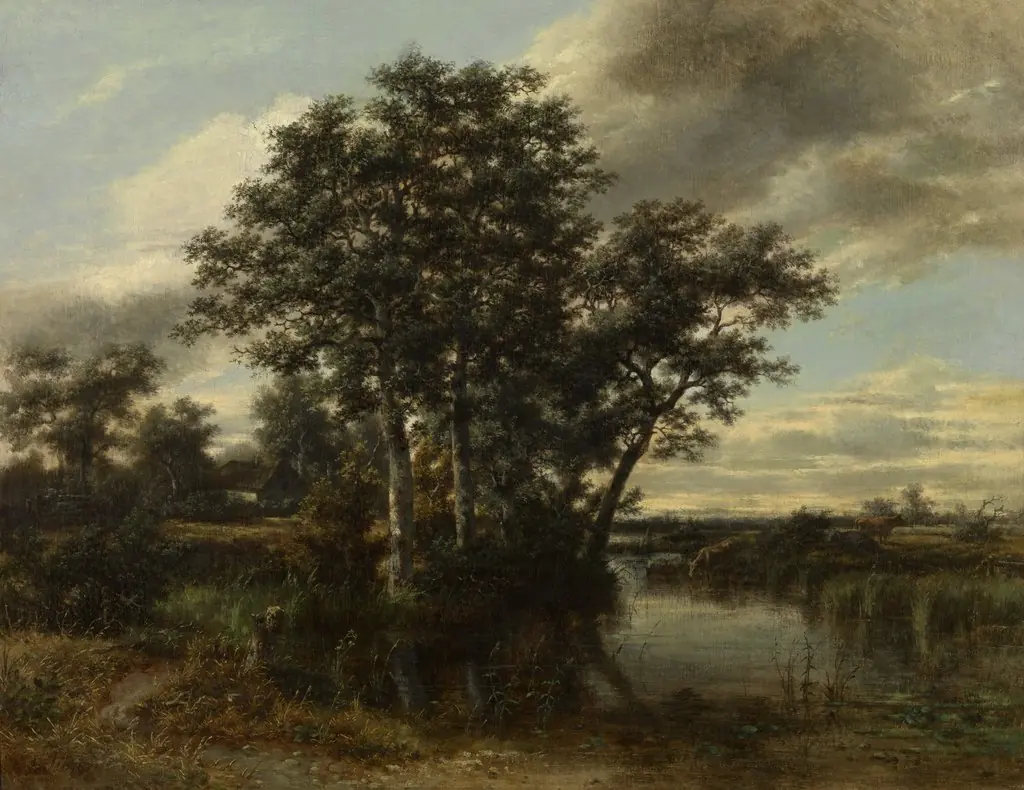 Pool
Pool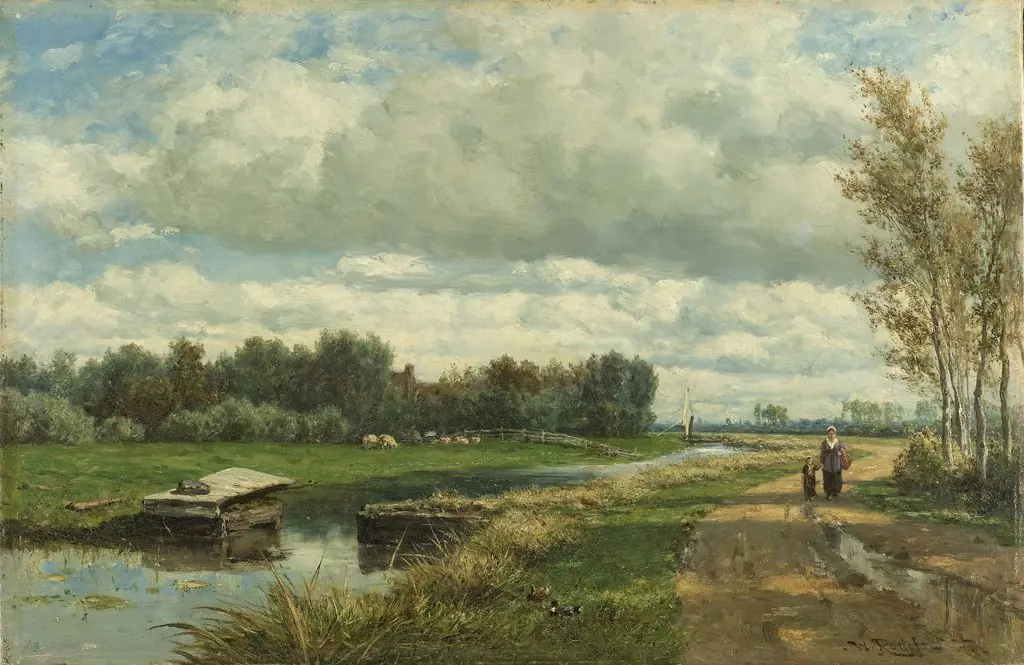 Landscape in the Environs of The Hague
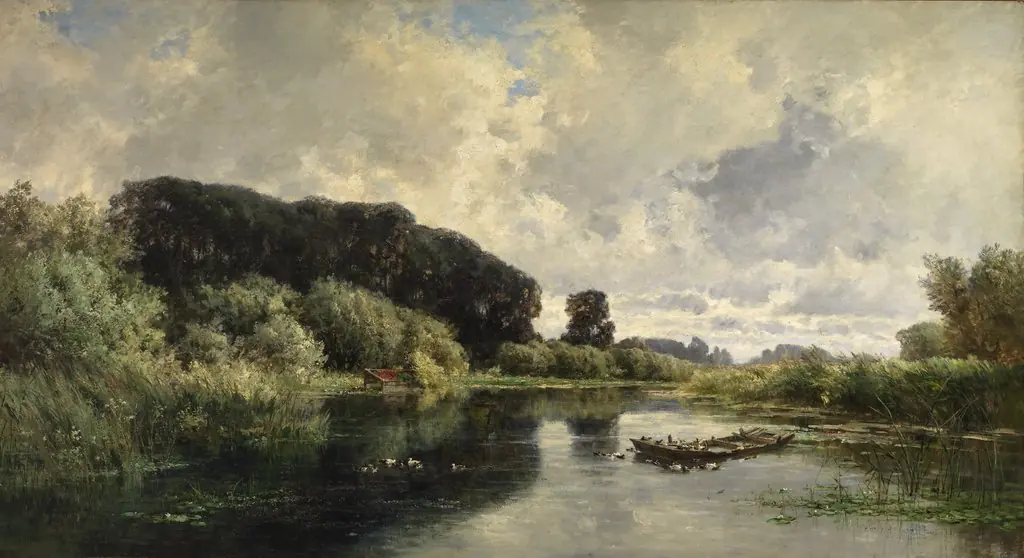 Cercanías de Vriesland (Holanda)
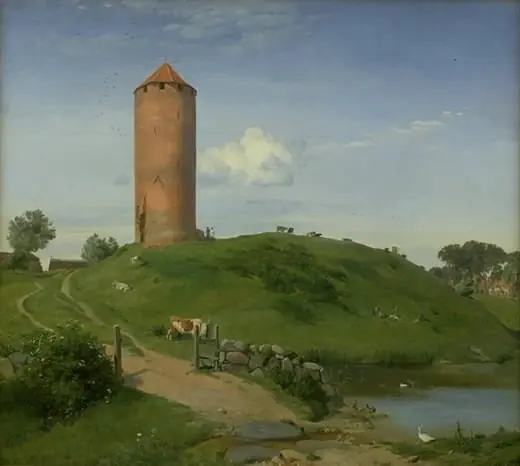 The Goose Tower in Vordingborg, Zealand
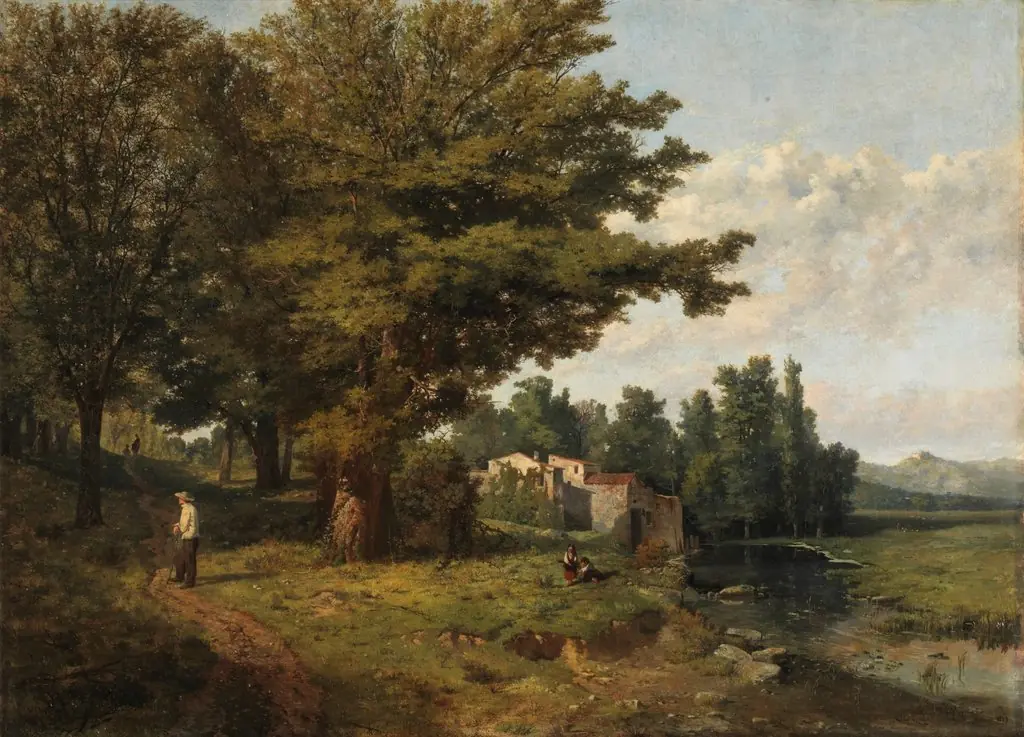 Paisaje de Portland
 The Goose Tower in Vordingborg, Zealand
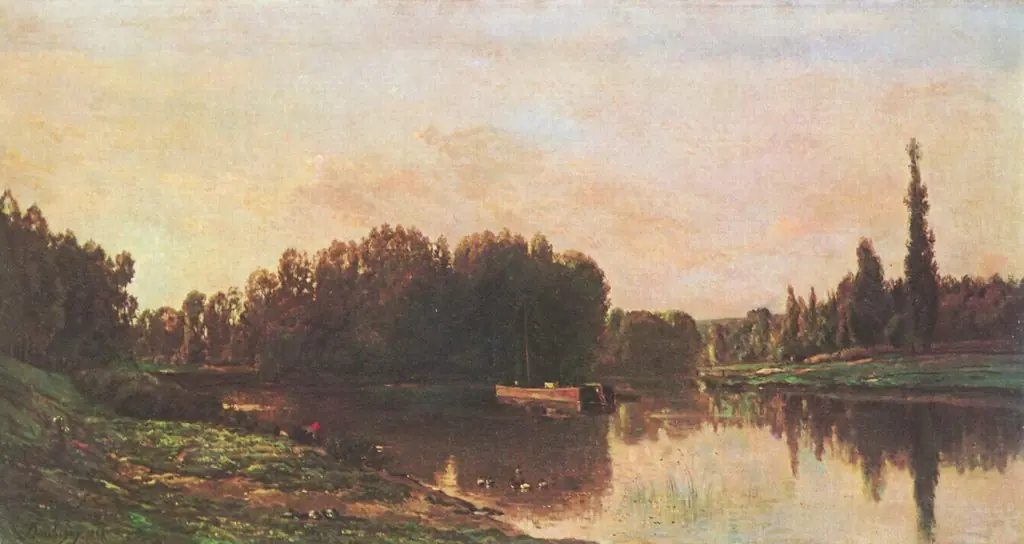 The Confluence of the Rivers Seine and Oise
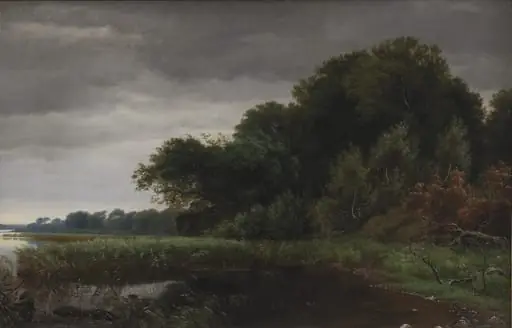 Opklarende vejr efter en regnbyge ved Gurre Sø
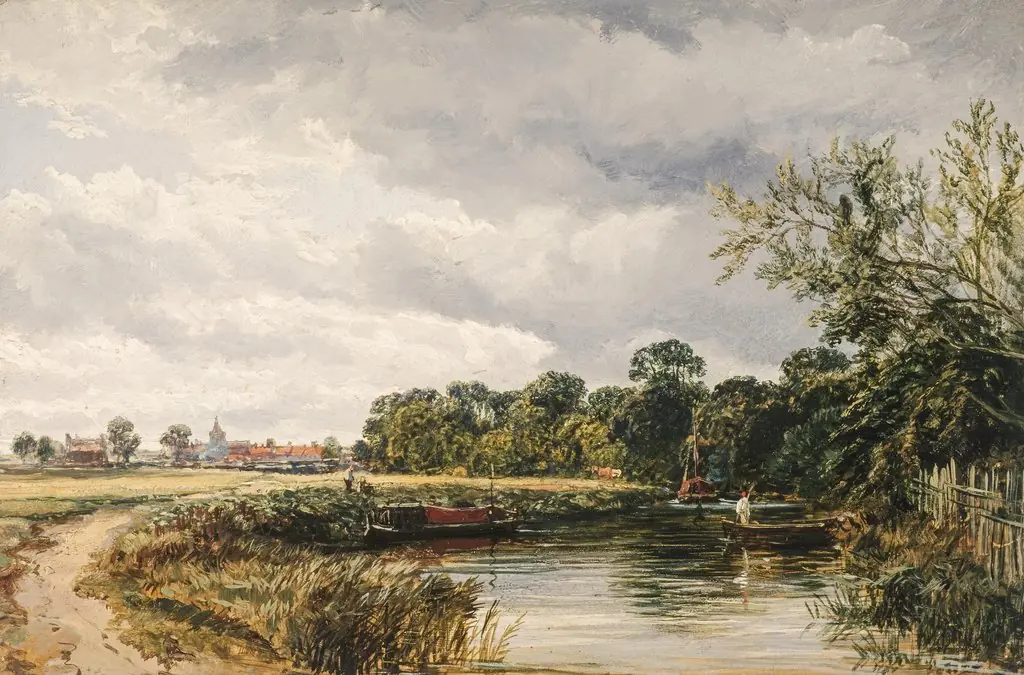 An English Canal Scene
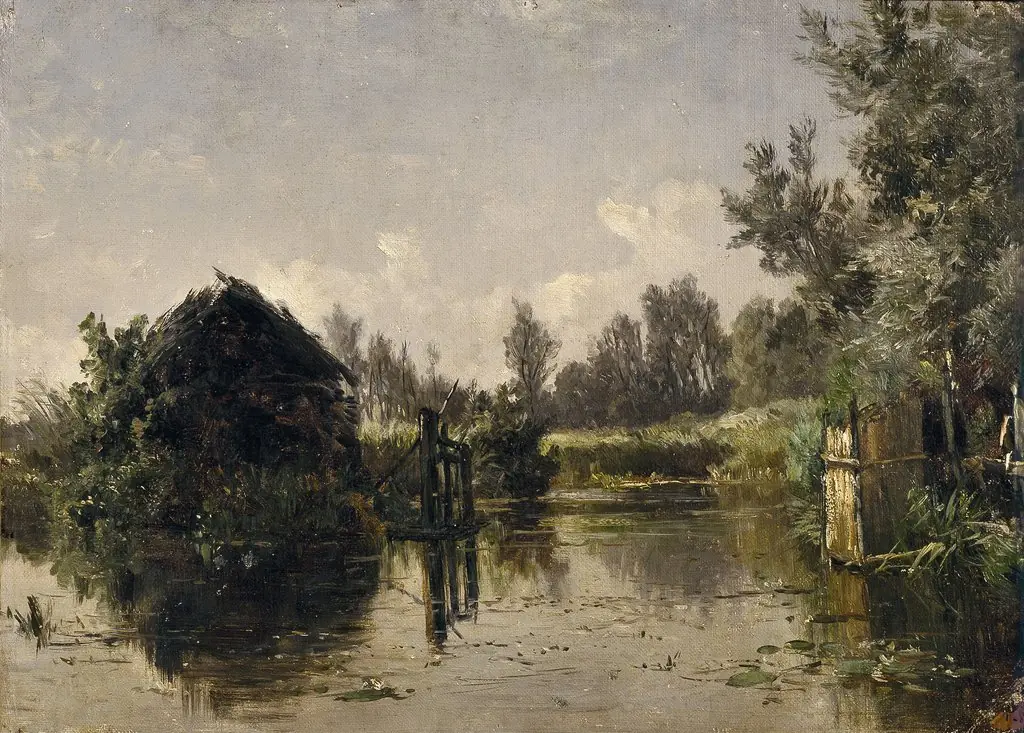 Canal abandonado en Vriesland (Holanda)