Artwork
The Wave
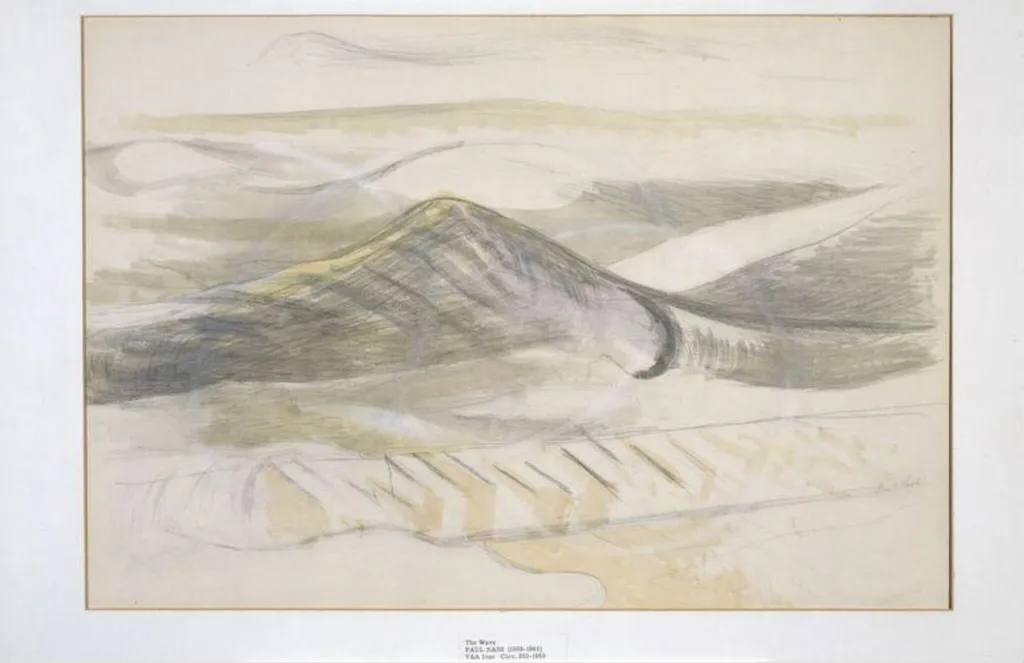
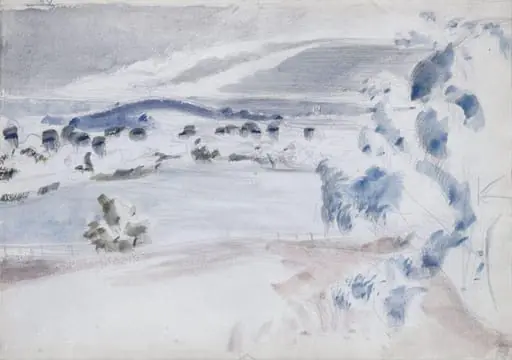
The Wave is a watercolor work on paper by Paul Nash. It is held in the collection of the Victoria and Albert Museum.
About this work
Overview
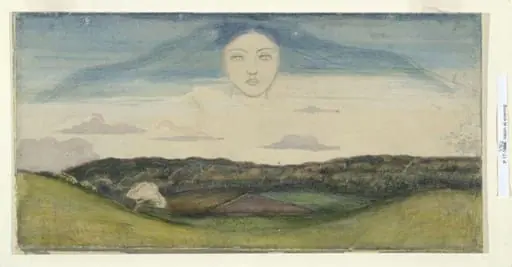
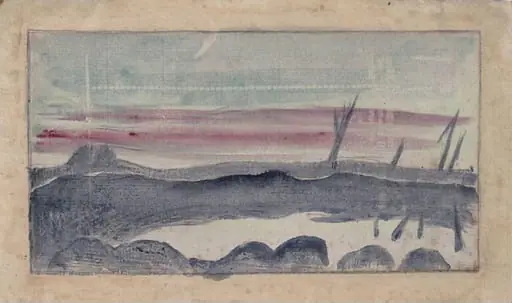
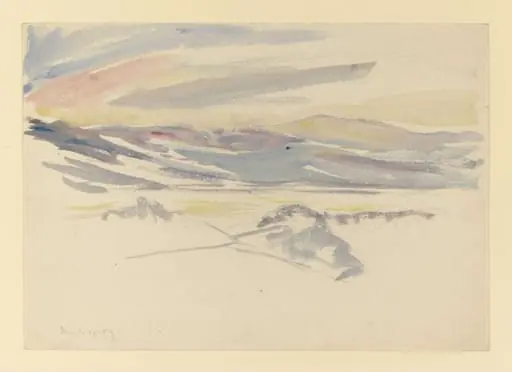
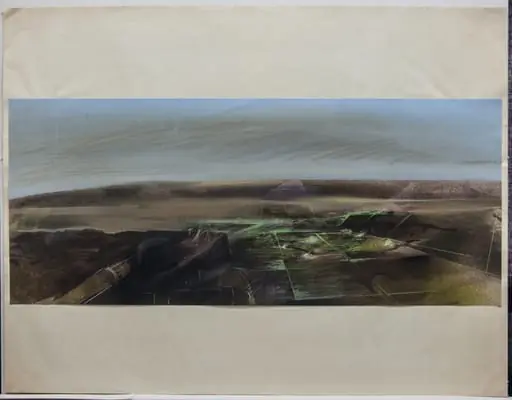
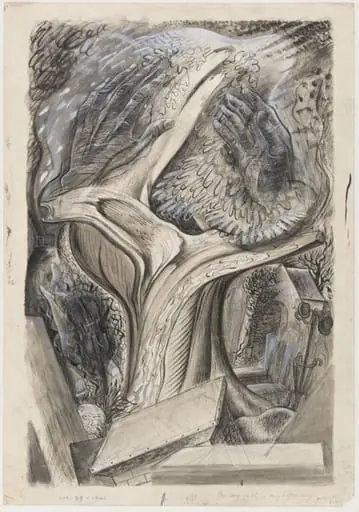
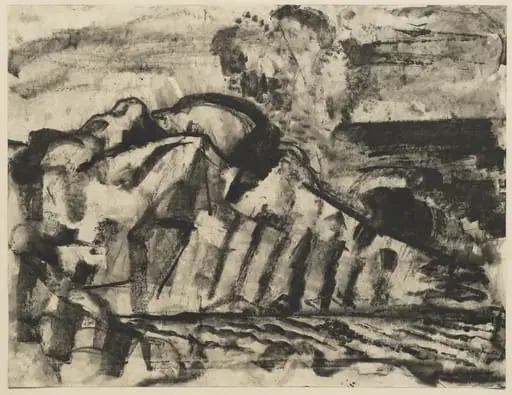
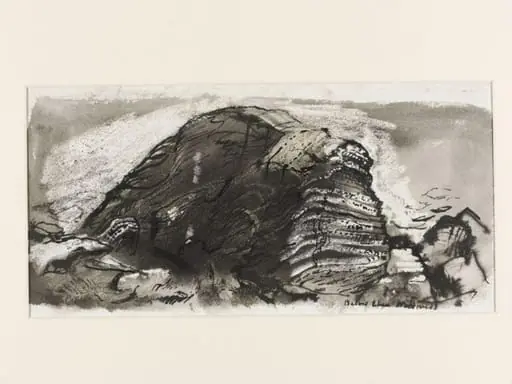
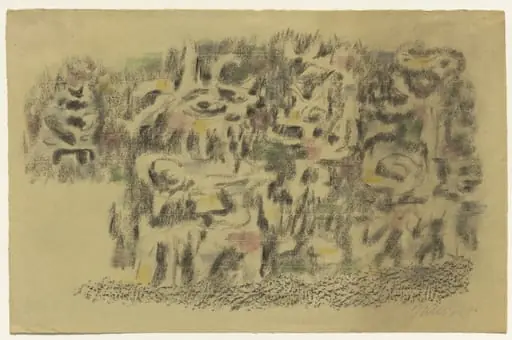
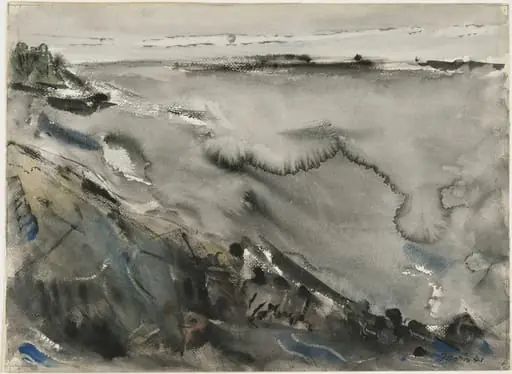
Created circa 1950, *The Wave* is a watercolour by Paul Nash that presents a tranquil, rolling landscape. A central, dark‑toned hill dominates the composition, its curved form set against a lighter sky and distant elevations. The muted palette of browns and greys, rendered in soft washes, gives the scene a quiet, atmospheric presence.
Subject & Meaning
The work depicts an undulating countryside, with the central hill suggesting a natural barrier or wave frozen in terrain. Nash’s interest in the British landscape often merged physical geography with a sense of timelessness, hinting at layers of history and myth that lie beneath the surface of ordinary scenery.
Technique & Style
Employing delicate brushwork, Nash builds the image through translucent layers that blur edges and soften contrasts. The watercolour medium allows for subtle gradations of tone, creating a hazy, dream‑like effect. The limited chromatic range and restrained handling of light and shadow reflect his modernist leanings while maintaining a lyrical quality.
History & Provenance
Born in London in 1889, Nash trained at the Slade School before becoming a prominent figure in English modernism and a war artist. *The Wave* entered the Victoria and Albert Museum’s collection, where it remains part of the institution’s holdings of early‑mid‑20th‑century British watercolours.
Artist & collection
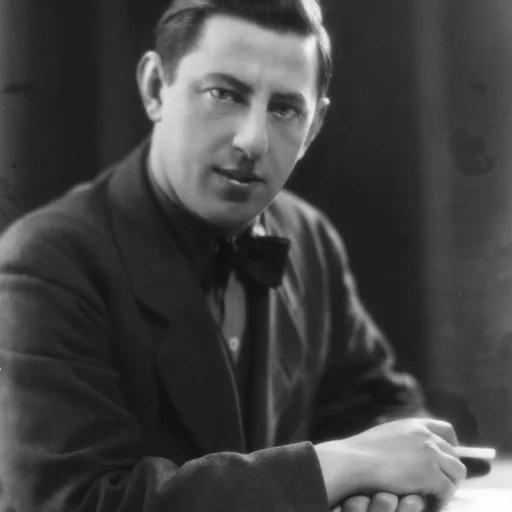
Artist
Paul Nash (11 May 1889 – 11 July 1946) was a British surrealist painter and war artist, as well as a photographer, writer and designer of applied art.