Artwork
Cavalier with a Harlot
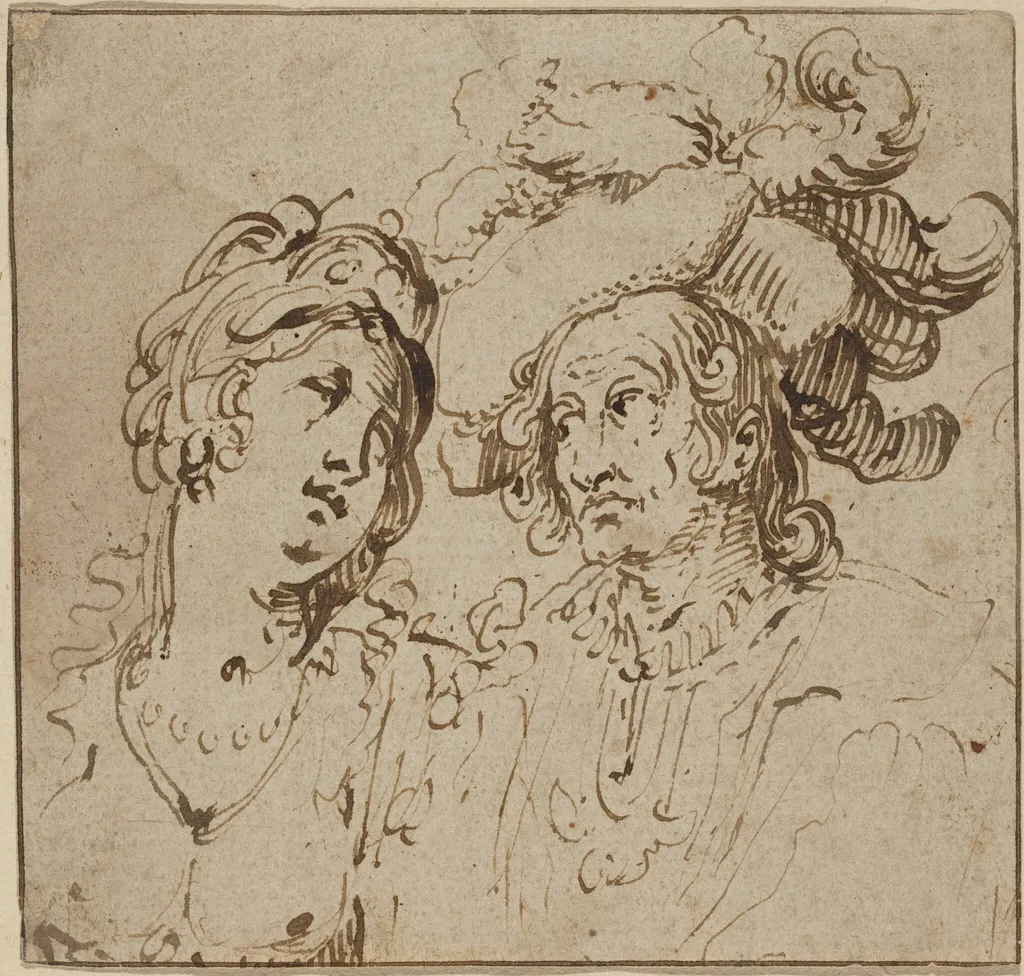
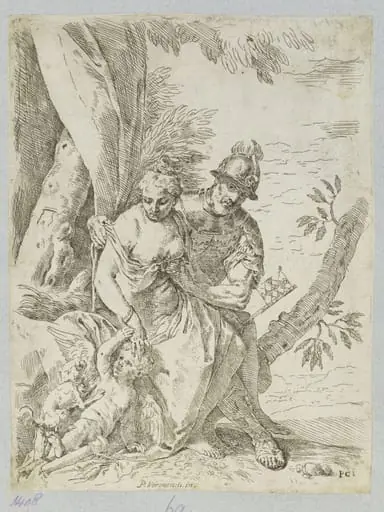
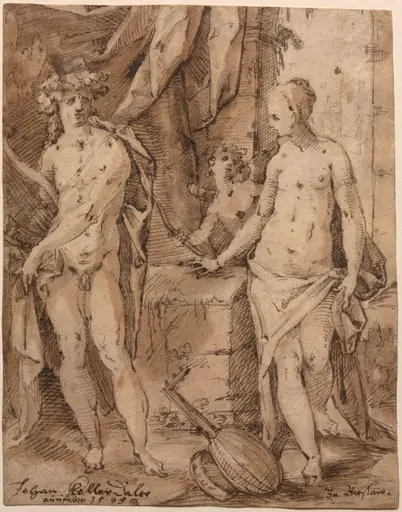
Cavalier with a Harlot is an ink drawing by the Baroque artist Netherlandish 17th Century. It dates from 1601 and is held in the collection of the National Gallery of Art. This pen and brown‑ink drawing depicts a man and a woman dressed in 17th‑century attire, positioned face to face.
About this work
It is held at the National Gallery of Art in Washington, and is a great example of the style and technique of Netherlandish 17th Century artists.
This pen and brown ink drawing shows a man and a woman in 17th-century dress. The man is wearing a hat and a cloak, and the woman has a large hat and a dress with a low neckline. They are standing together, looking at each other.
The drawing is done in a detailed and realistic style, with lots of lines and shading to create depth and texture. The artist has used a range of techniques, including hatching and cross-hatching, to create different tones and textures.
The drawing is an example of Baroque art, which was popular in Europe during the 17th century. It is held at the National Gallery of Art in Washington, and is a great example of the style and technique of Netherlandish 17th Century artists.
Overview
This pen and brown‑ink drawing depicts a man and a woman dressed in 17th‑century attire, positioned face to face. The male figure wears a hat and cloak, while the female figure is shown in a large hat and a low‑necked dress. The composition focuses on their interaction, captured through careful line work and shading.
Subject & Meaning
The work presents a paired scene of a cavalier and a harlot, suggesting a narrative of courtship or social encounter typical of genre scenes from the period. The direct gaze between the figures invites contemplation of the dynamics of desire, status, and morality in early modern European society.
Technique & Style
Executed with pen and brown ink, the drawing employs dense hatching and cross‑hatching to render volume, fabric texture, and atmospheric depth. The linear precision and tonal modulation reflect the Baroque emphasis on realism and dramatic chiaroscuro, while the meticulous detail aligns with Netherlandish drawing practices of the 1600s.
History & Provenance
The piece is part of the collection of the National Gallery of Art in Washington, D.C. Its acquisition history traces back to the museum’s early 20th‑century efforts to assemble representative works of Dutch and Flemish Baroque drawing, though the original artist remains unidentified.
Context
Created during the height of the Baroque period, the drawing exemplifies the era’s fascination with everyday subjects rendered with heightened naturalism. Netherlandish artists of the 17th century frequently explored themes of morality and social interaction, using intimate studies such as this to reflect broader cultural attitudes.
Artist & collection

Artist
This artist was born in the Netherlands in the early 1600s and made drawings and engravings.

 The Assumption of the Virgin
 Market Scene
 Head of Cabbage with Insects
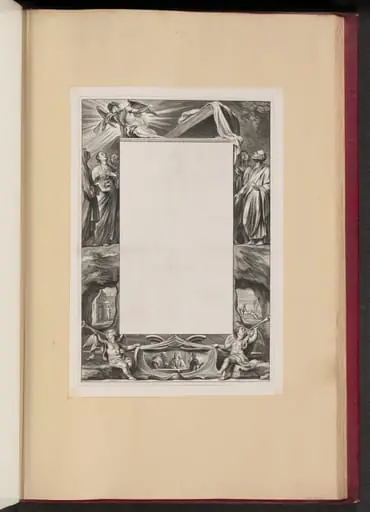 Border Illustration with Saints and Scenes from the Life of Christ
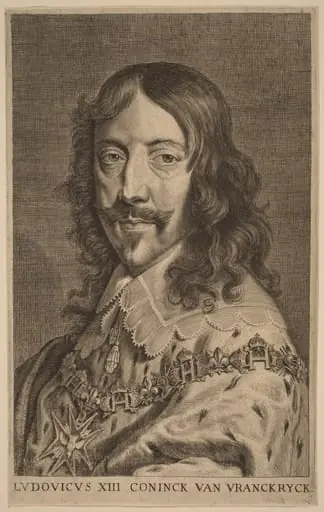 Louis XIII
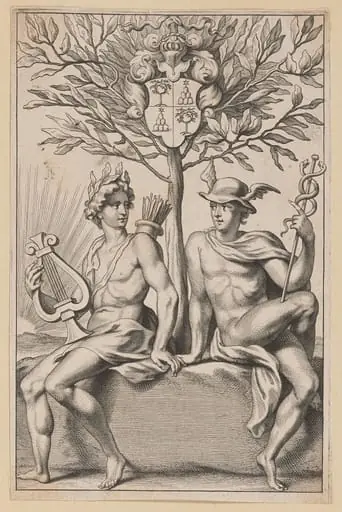 Title Page for Philomathi Musae Juveniles
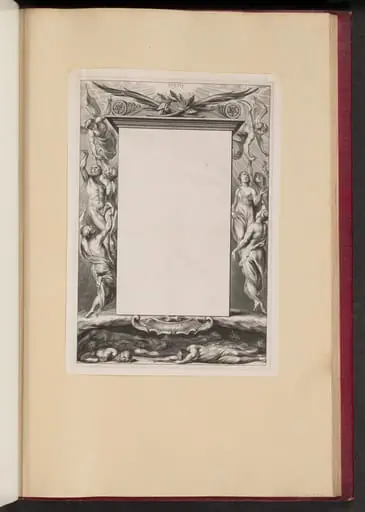 Border Illustration with Heaven and Hell "Corpora S.S."
 Title Page for Anatomia Totivs Avgvstissimae Doctrinae Avgvstinae
 The Meeting of Antony and Cleopatra
 Two Standing Soldiers, One Wearing a Hat
 Allegory of Age
 Alexander and Thaïs Setting Fire to Persepolis
 Two Standing Saints
 Caricature with Mola Protecting Himself from a Man Holding a Viper
 Three Oriental Heads
 Untitled
 A woman approaching a kneeling man
 Youth Sitting on a Wall in Conversation with Two Men
 Elegant Young Woman with a Pearl Necklace
 Apollo with Erato and Cupid