Artwork
The Assumption of the Virgin
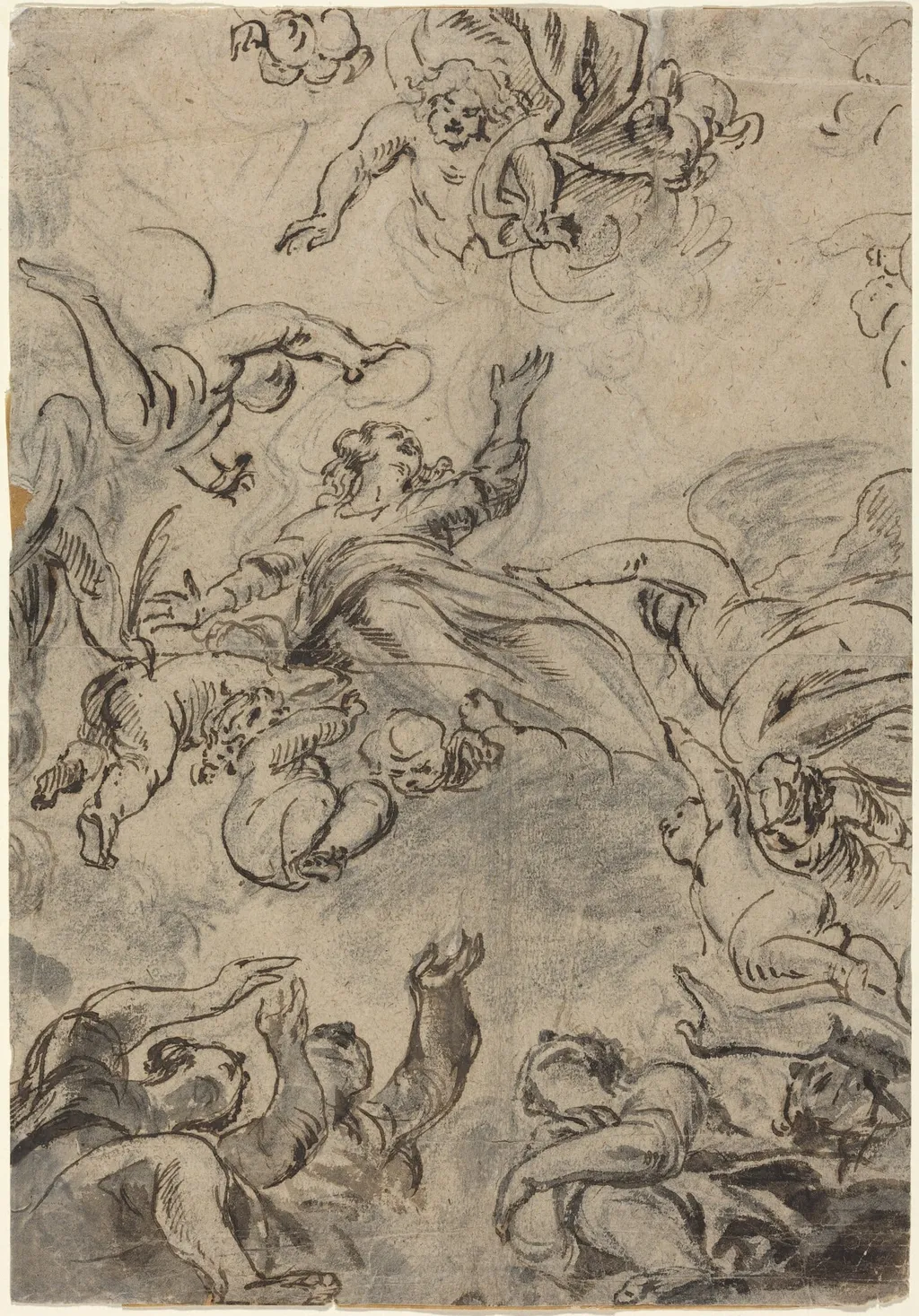
The Assumption of the Virgin is an ink drawing by the Baroque artist Netherlandish 17th Century. It dates from 1601 and is held in the collection of the National Gallery of Art.
About this work
Overview
The work titled “The Assumption of the Virgin” is a drawing executed on laid paper. The artist employed pen and brown ink, enhanced with brown and gray washes applied over an initial black chalk sketch. The composition is rendered in a monochromatic palette, emphasizing line and tonal variation rather than color.
Technique & Style
The piece combines several drawing media: a foundation of black chalk outlines, over which pen and brown ink define the forms, and subsequent washes of brown and gray create depth and atmospheric shading. The use of laid paper, with its characteristic ribbed texture, contributes to the work’s tactile quality and supports the subtle gradations achieved through the washes.
Subject & Meaning
Depicting the Assumption of the Virgin, the drawing illustrates the theological moment when Mary is taken up into heaven. The composition likely follows traditional iconography, presenting the figure in a vertical ascent, surrounded by attendant angels or clouds, to convey the spiritual elevation and divine acceptance central to the narrative.
Artist & collection

Artist
This artist was born in the Netherlands in the early 1600s and made drawings and engravings.

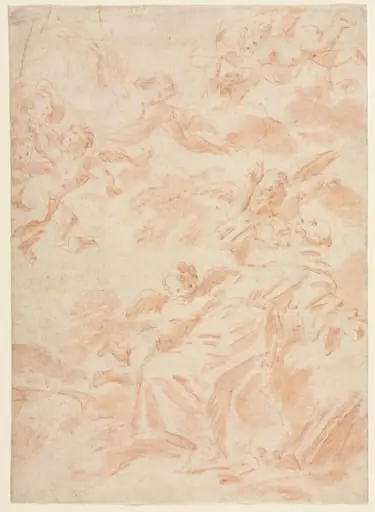 The Stigmatization of Saint Francis
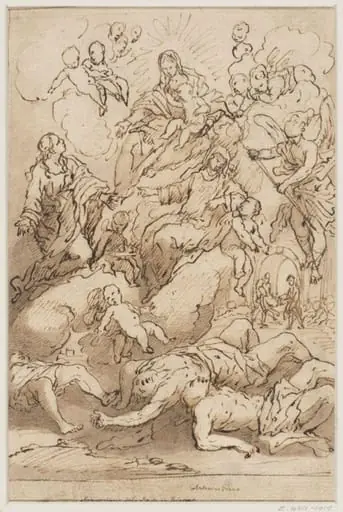 Anniversary of the Plague at Palermo
![The Ecstasy of Saint Francis [recto], by Sebastiano Ricci](https://artifactworldgallery.com/img/sebastiano-ricci--the-ecstasy-of-saint-francis-recto--5f53f9b59775e5dd-w320.webp) The Ecstasy of Saint Francis [recto]
The Ecstasy of Saint Francis [recto]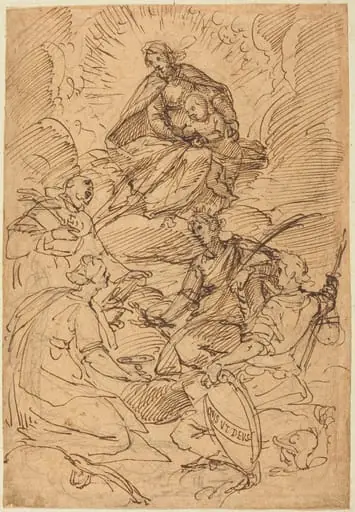 The Madonna and Child in Glory Adored by Saints
![Bradamante Tries to Catch Hold of the Hippogryph [recto], by Jean Honoré Fragonard](https://artifactworldgallery.com/img/jean-honore-fragonard--bradamante-tries-to-catch-hold-of-the-hippogryph-recto--f9c9ee68fd17e997-w320.webp) Bradamante Tries to Catch Hold of the Hippogryph [recto]
Bradamante Tries to Catch Hold of the Hippogryph [recto]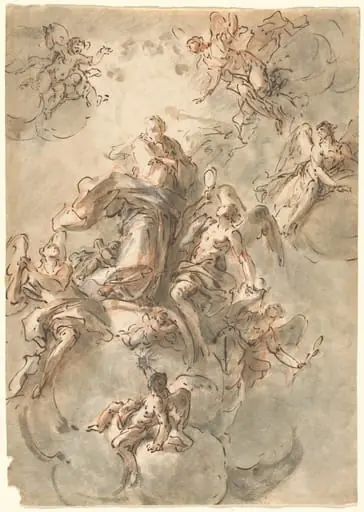 Virgin of the Immaculate Conception
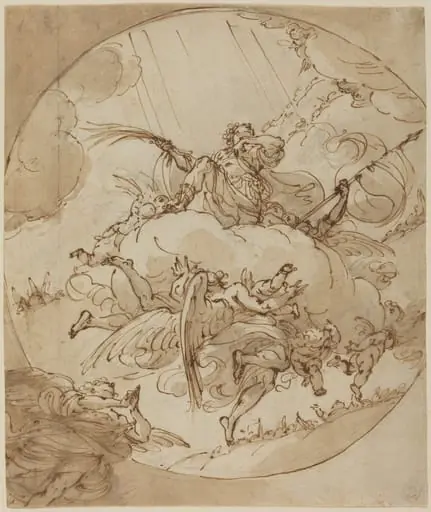 The Apotheosis of San Vitale
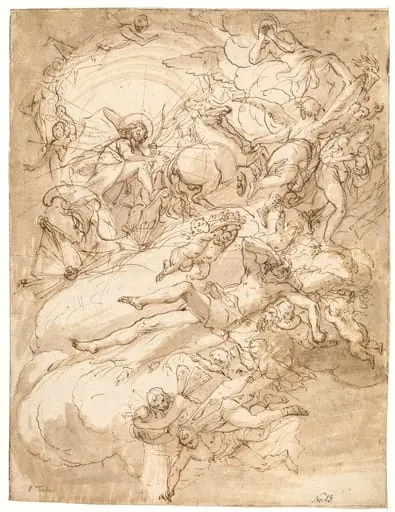 Apollo in his chariot, design for a ceiling painting
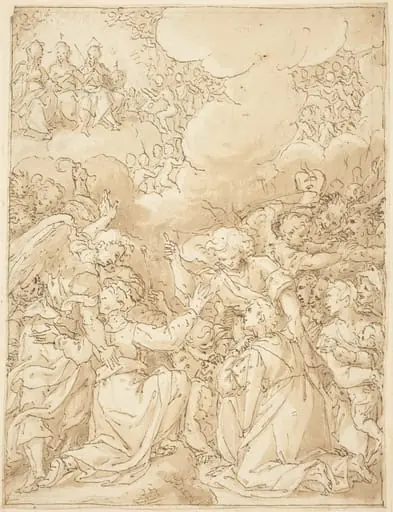 The Last Judgment
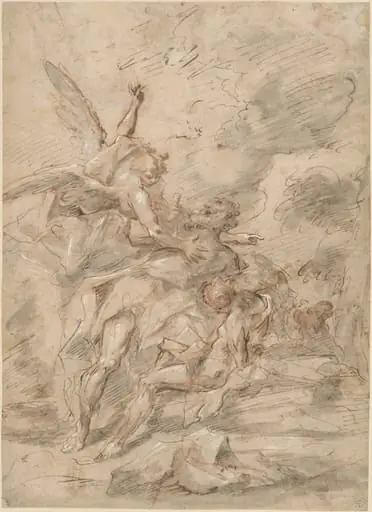 The Sacrifice of Isaac
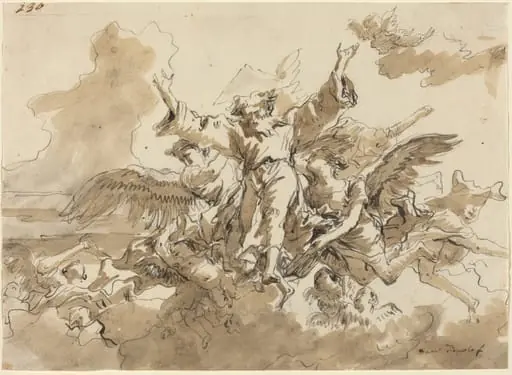 Creation of the Universe
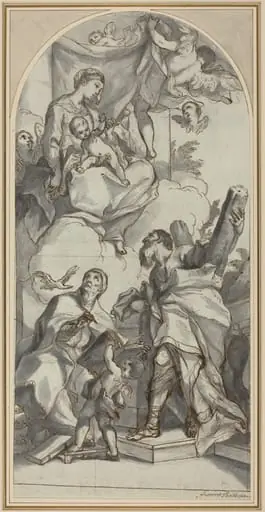 The Madonna and Child in Glory with Saints Gregory the Great and Andrew