Artwork
Robert Dudley, Earl of Leicester
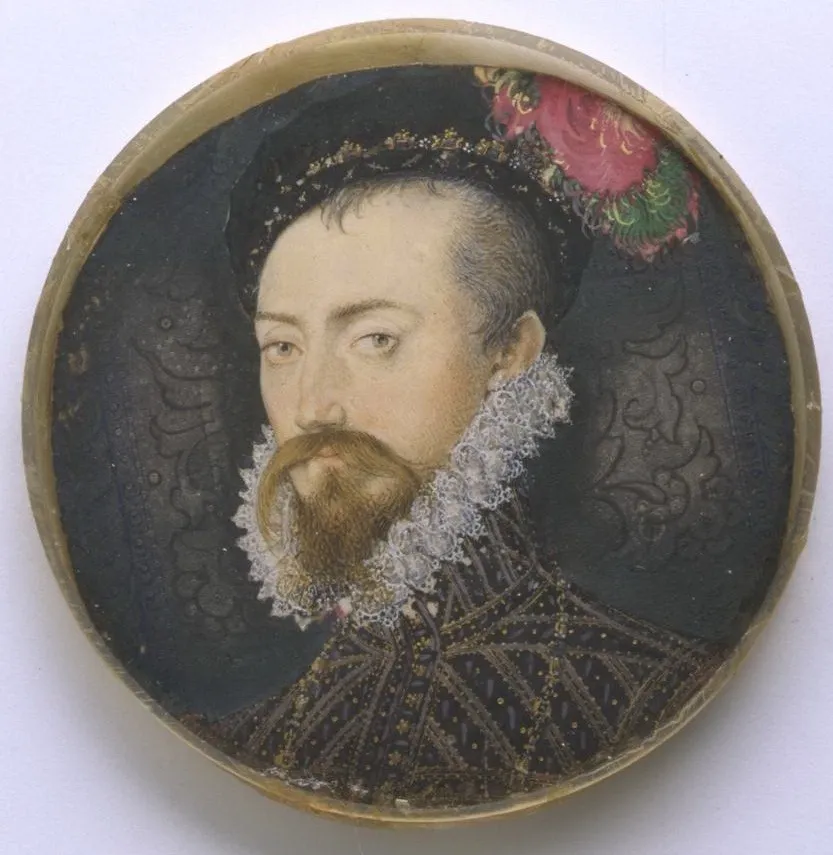
Robert Dudley, Earl of Leicester is a watercolor painting by the Mannerist artist Nicholas Hilliard. It dates from 1572 and is held in the collection of the Victoria and Albert Museum.
About this work
Overview
The work exemplifies his precision and control, capturing subtle expressions and textures within a compact format, typical of Elizabethan court portraiture.
This portrait, painted in 1572 by Nicholas Hilliard, depicts Robert Dudley, Earl of Leicester, on vellum—a durable animal skin commonly used for miniature portraits in Tudor England. Hilliard, trained as a goldsmith, specialized in small-scale likenesses for the royal court. The work exemplifies his precision and control, capturing subtle expressions and textures within a compact format, typical of Elizabethan court portraiture.
Subject & Meaning
Robert Dudley, a favored courtier and close confidant of Queen Elizabeth I, is portrayed with quiet authority. His dark attire, adorned with gold embroidery, signals status without overt opulence. The red feather in his hat adds a touch of personal distinction, possibly alluding to his military or ceremonial roles. The direct gaze and restrained composition convey dignity and political presence, aligning with the image of a loyal servant to the crown.
Technique & Style
Hilliard employed fine brushwork and layered pigments to render textures with remarkable clarity: the sheen of silk, the gleam of gold thread, and the softness of facial skin. The vellum surface allowed for delicate detail, while the dark background isolates the figure, focusing attention on his features. His style, rooted in Mannerist elegance, emphasizes refinement over naturalism, reflecting the court’s preference for idealized representation.
History & Provenance
Commissioned during Dudley’s peak influence at Elizabeth’s court, the portrait likely served as a personal keepsake or diplomatic gift. It remained within aristocratic collections after his death in 1588. Hilliard’s reputation as a miniaturist endured, though he struggled financially despite royal patronage. The work’s survival reflects its value as both a likeness and a symbol of courtly identity in late 16th-century England.
Context
In the Elizabethan era, portrait miniatures functioned as intimate tokens of favor, often exchanged among courtiers. Hilliard’s work emerged alongside a growing culture of personal portraiture, where appearance conveyed political alignment and social standing. The use of vellum, rather than panel or canvas, suited portability and privacy—qualities essential in a court where loyalty and image were closely intertwined.
Legacy
Hilliard’s miniatures, including this portrait, helped define the aesthetic of English court portraiture for decades. His technical innovations influenced later artists, and his approach to capturing likeness with restrained elegance became a standard. Though overshadowed by larger-scale paintings, his works remain vital records of individual identity and courtly ritual in Tudor England.
Artist & collection
Artist
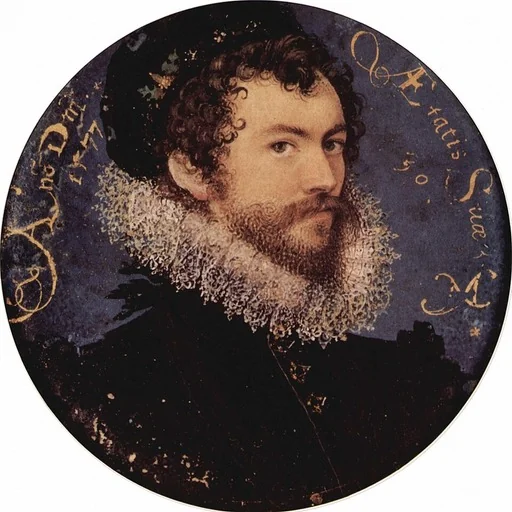
Nicholas Hilliard (c. 1547 – before 7 January 1619) was an English goldsmith and limner best known for his portrait miniatures of members of the courts of Elizabeth I and James I of England. He mostly painted small oval…

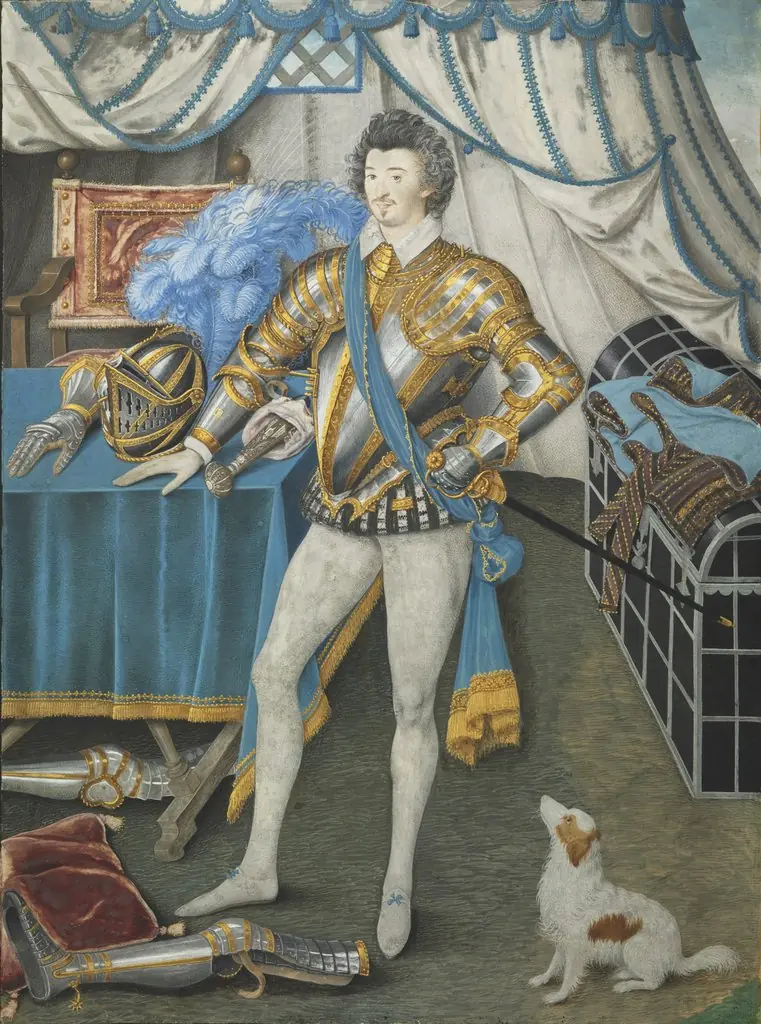 Sir Anthony Mildmay, Knight of Apethorpe, Northamptonshire
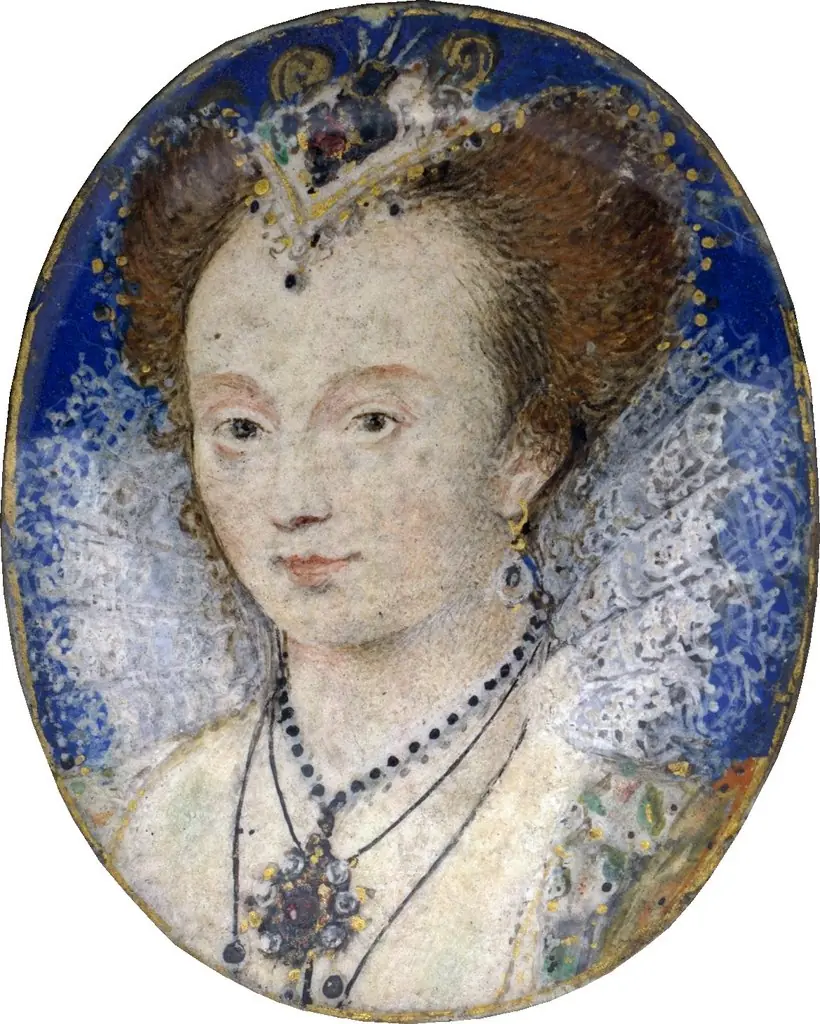 Portrait of a Woman
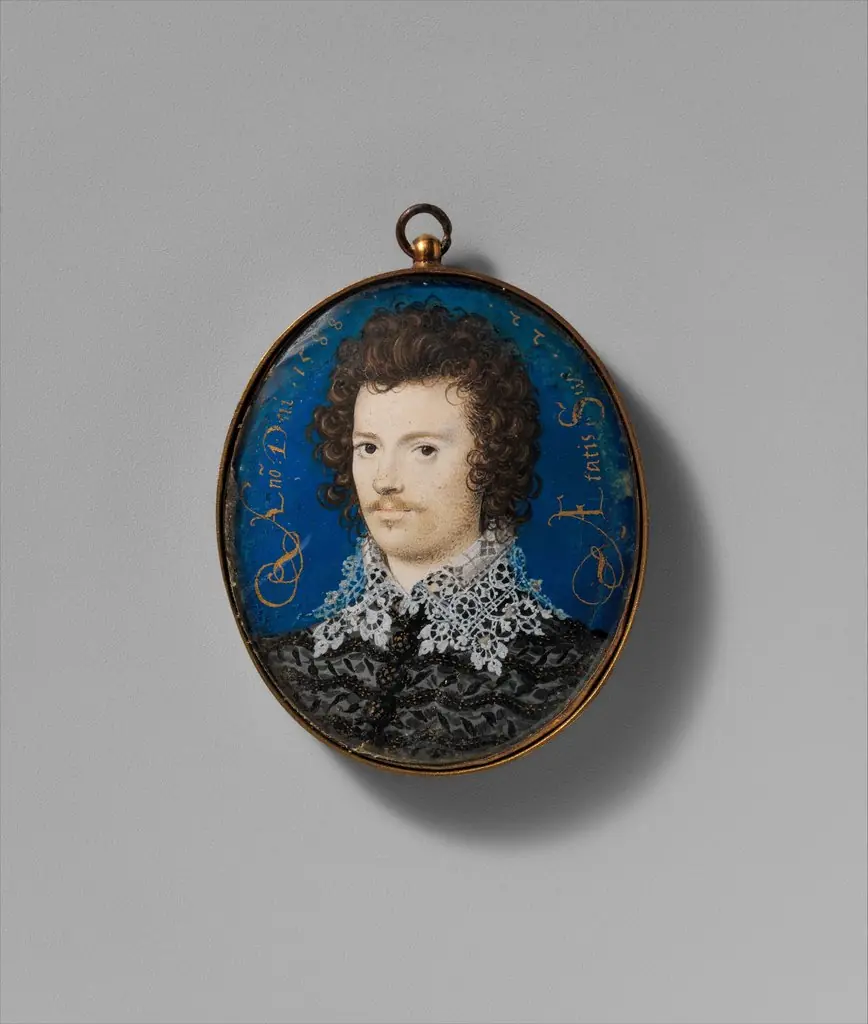 Portrait of a Young Man, Probably Robert Devereux (1566–1601), Second Earl of Essex
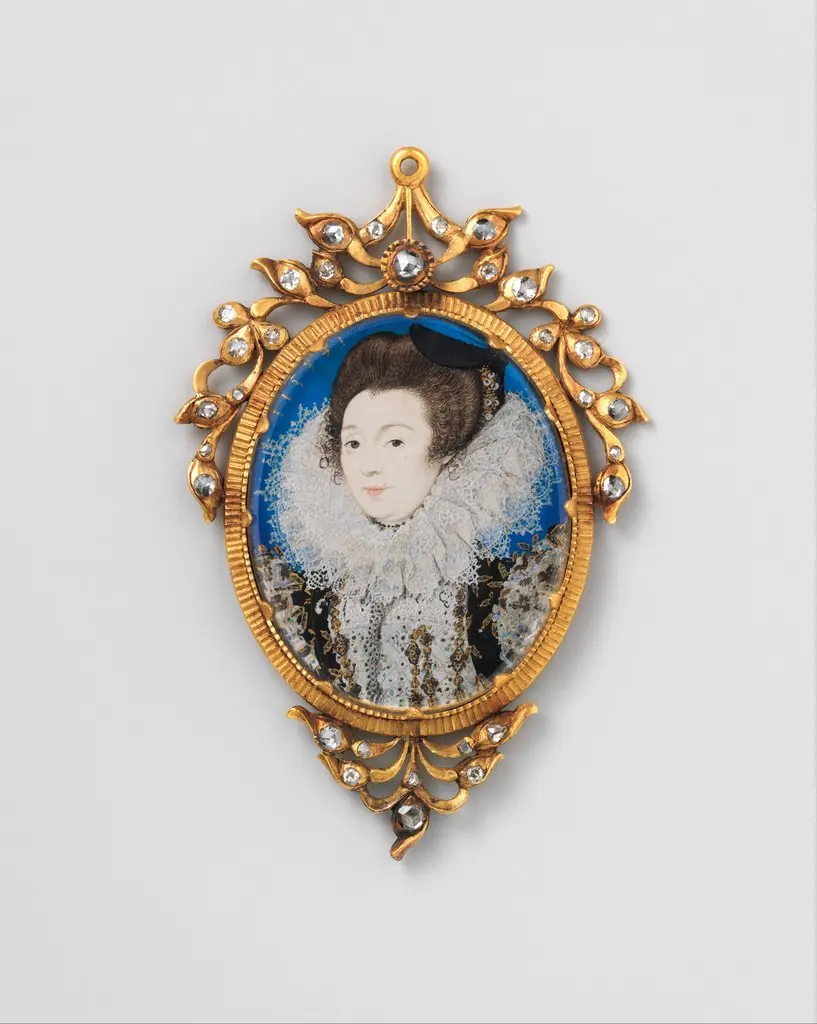 Portrait of a Woman
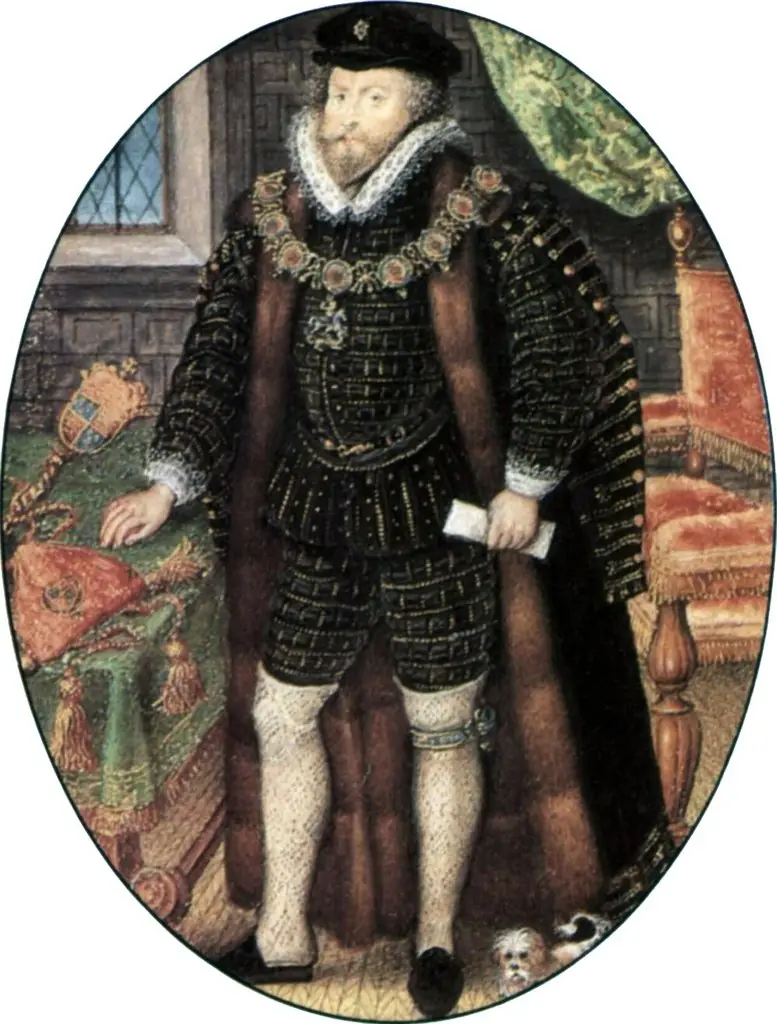 Sir Christopher Hatton
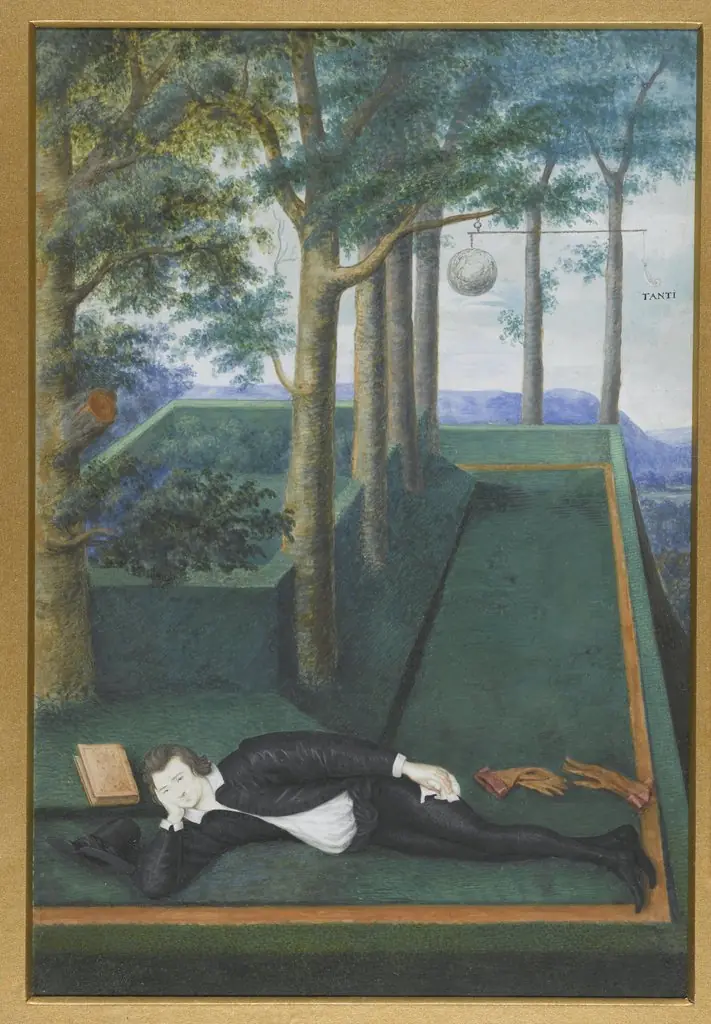 Henry Percy, 9th Earl of Northumberland
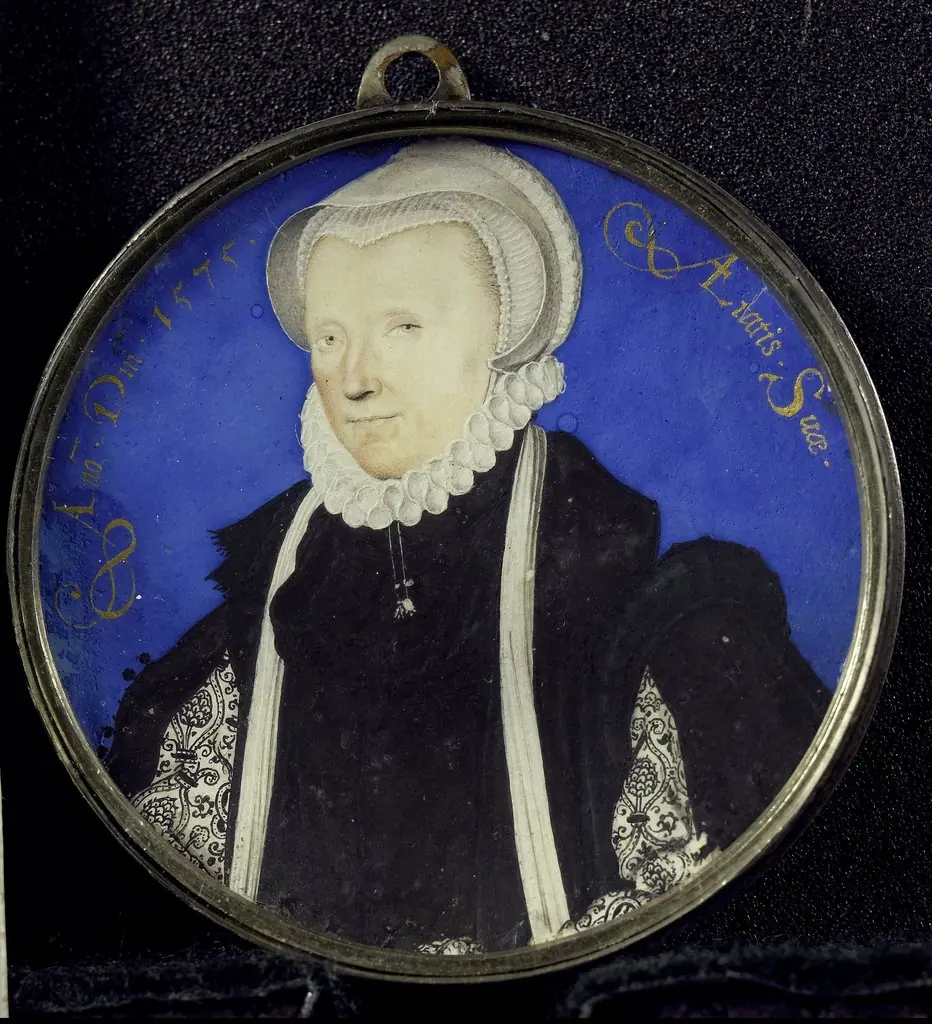 Lady Margaret Douglas, Countess of Lennox
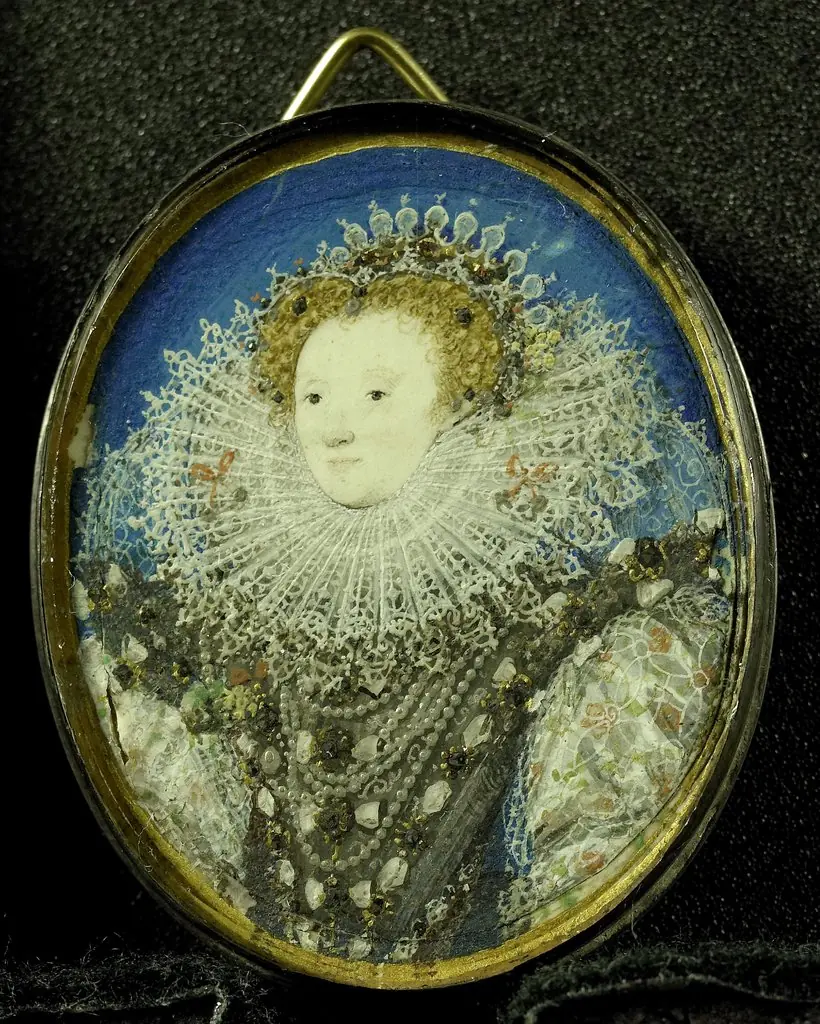 Elizabeth I of England
 Portrait of a Man
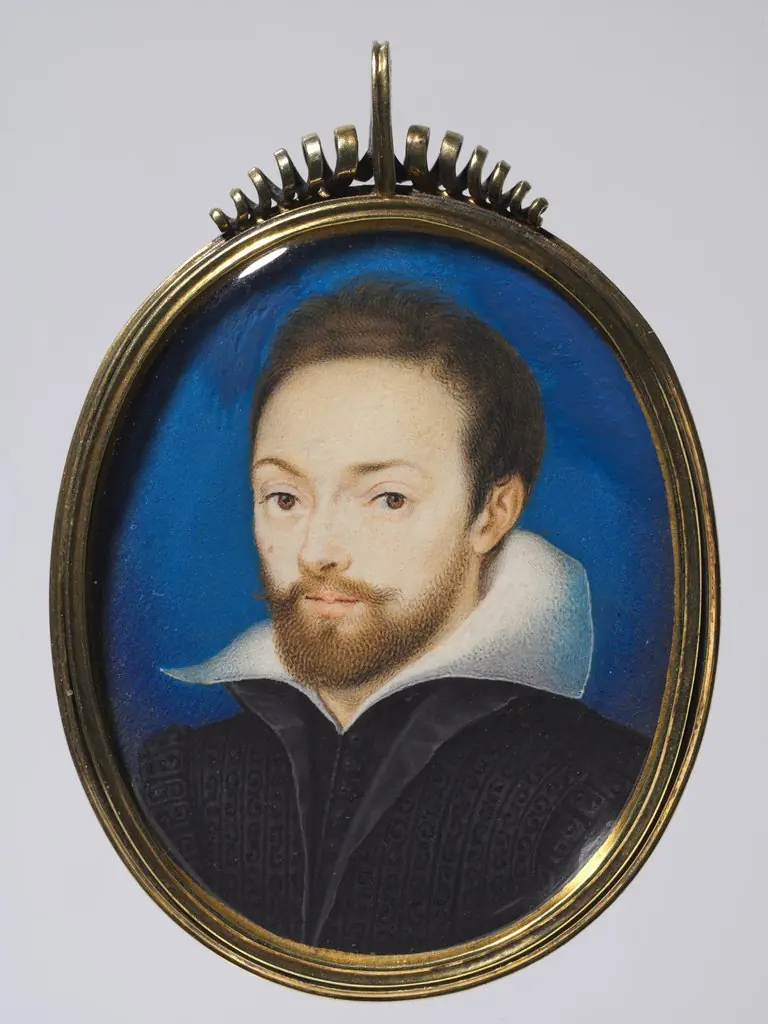 Portrait of a Man
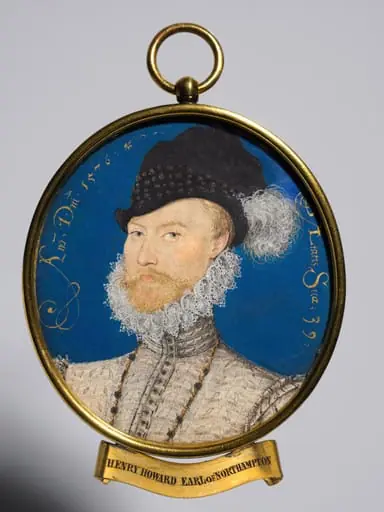 Portrait of Charles Howard, 2nd Baron Howard of Effingham, later 1st Earl of Nottingham
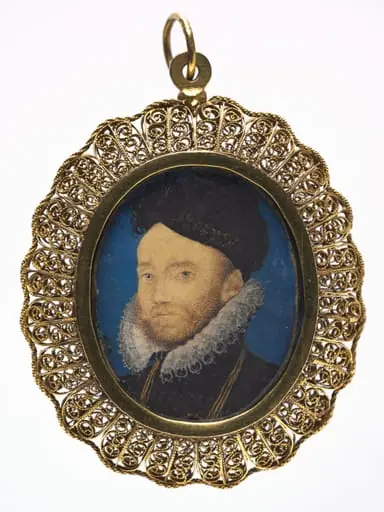 Portrait of a Man
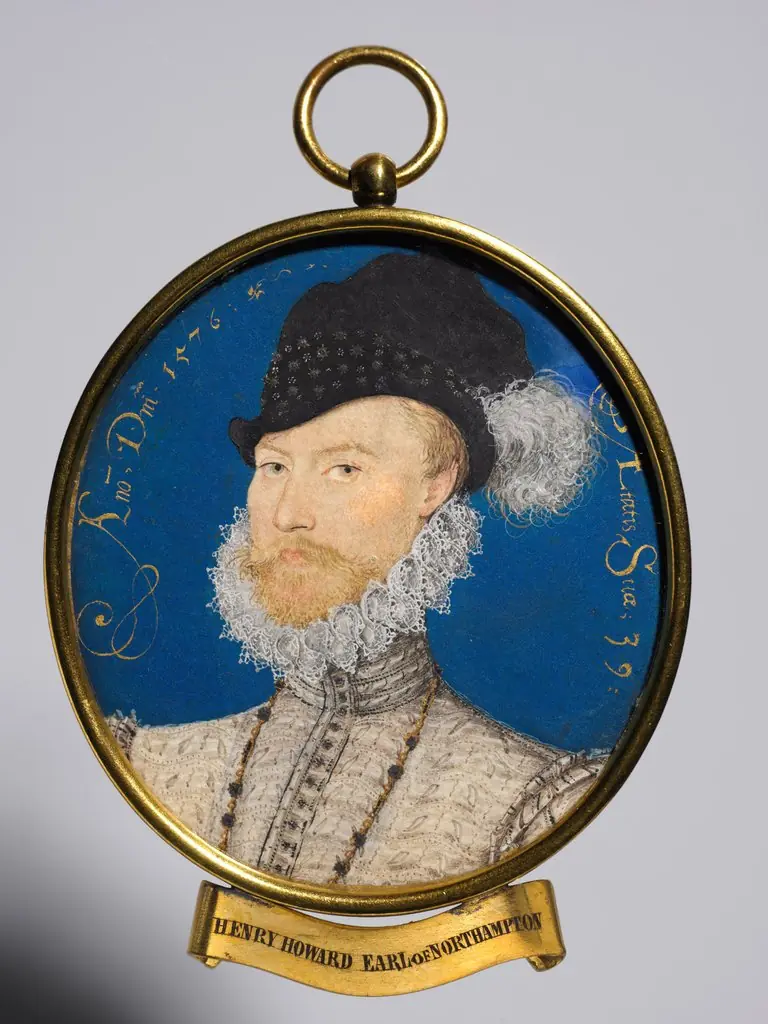 Portrait of Charles Howard, 2nd Baron Howard of Effingham, later 1st Earl of Nottingham
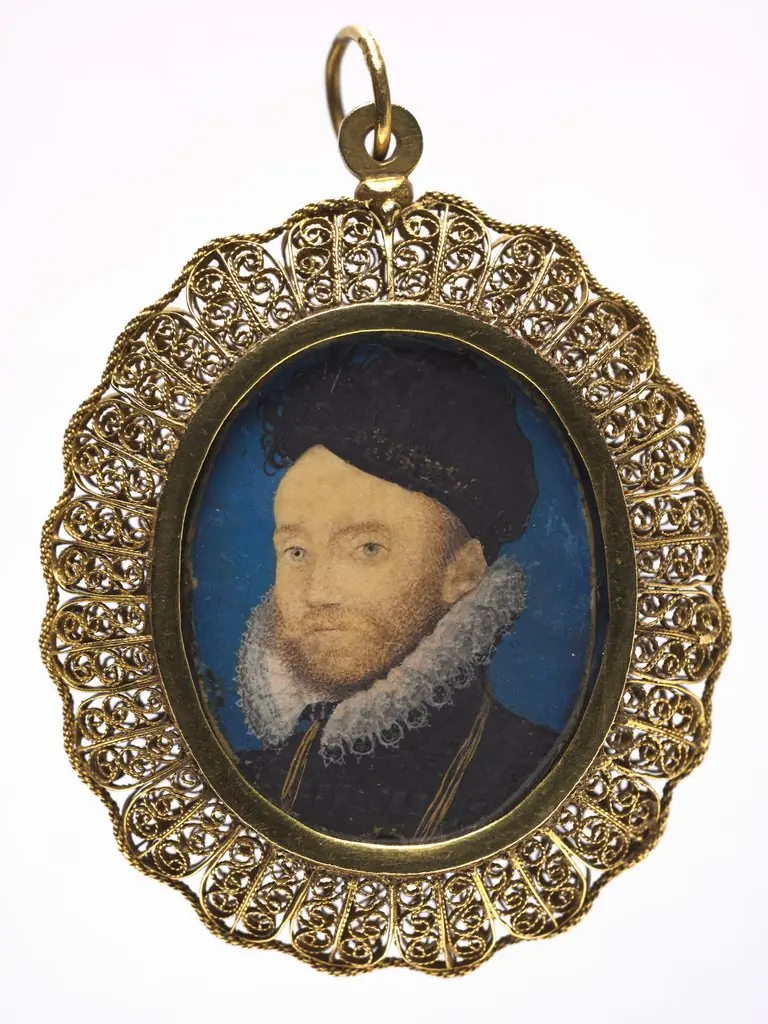 Portrait of a Man
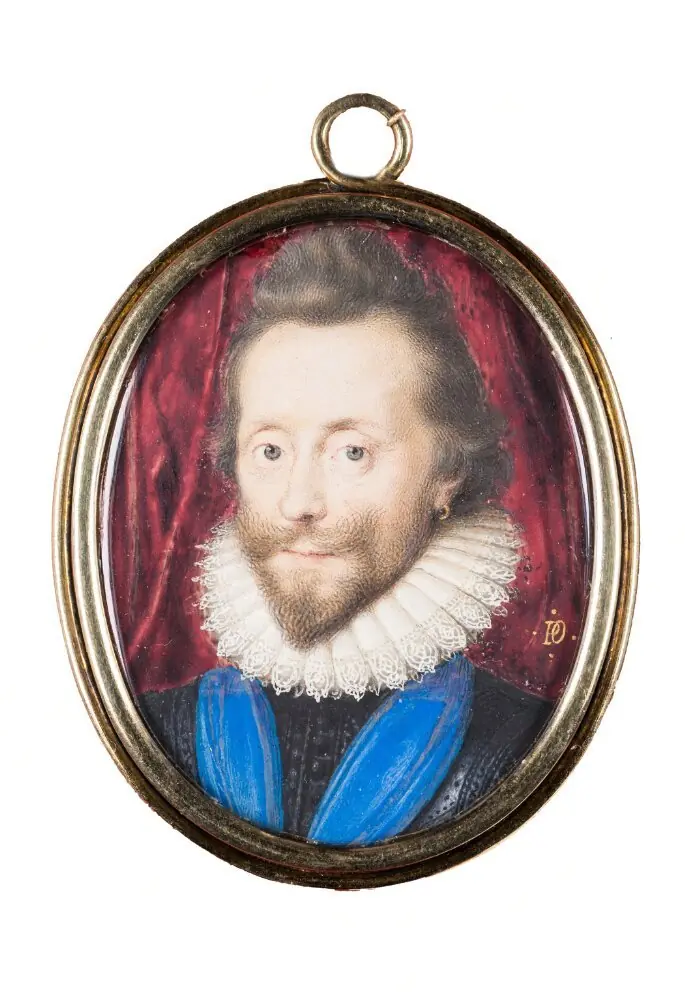 Henry Wristhesley 3rd earl of Southampton
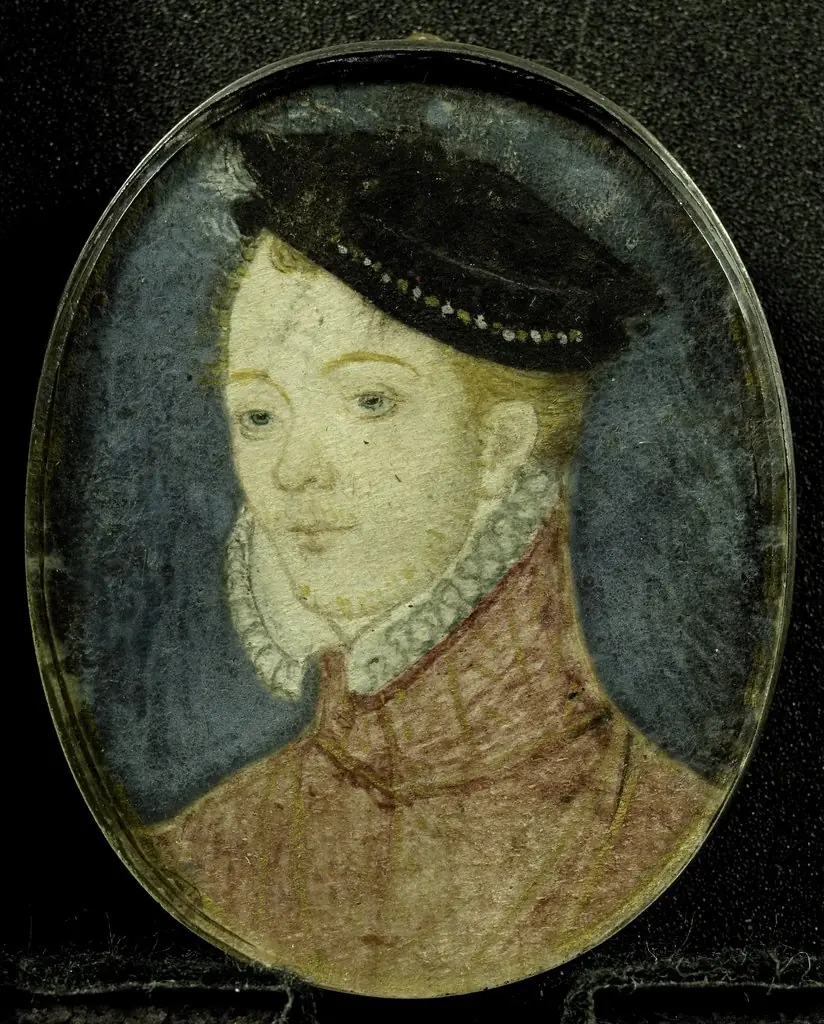 Henry Stewart (1546-67), Lord Darnley. Echtgenoot van Maria Stuart
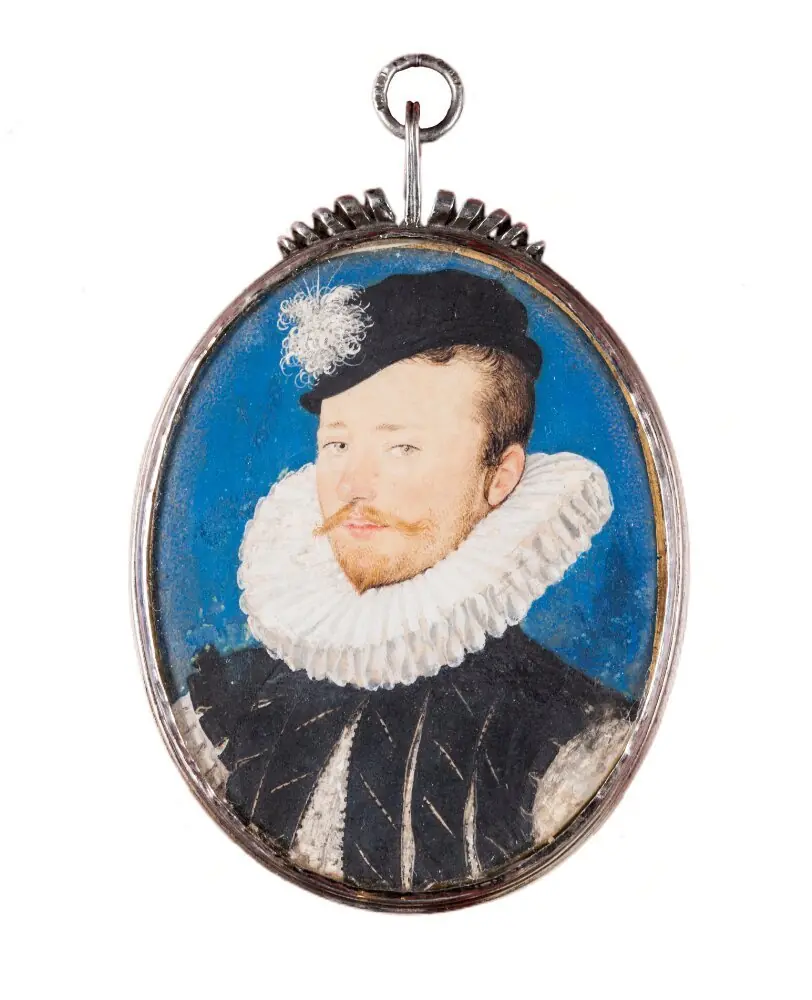 Unknown man