Artwork
The Woman Taken in Adultery
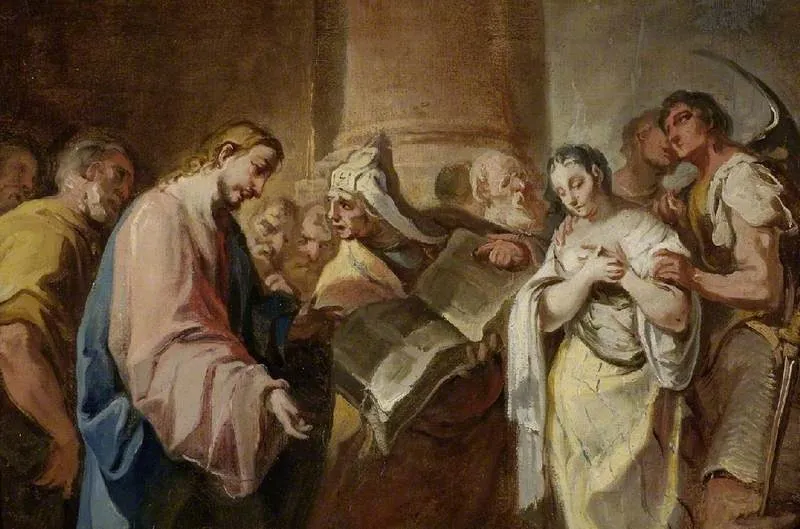
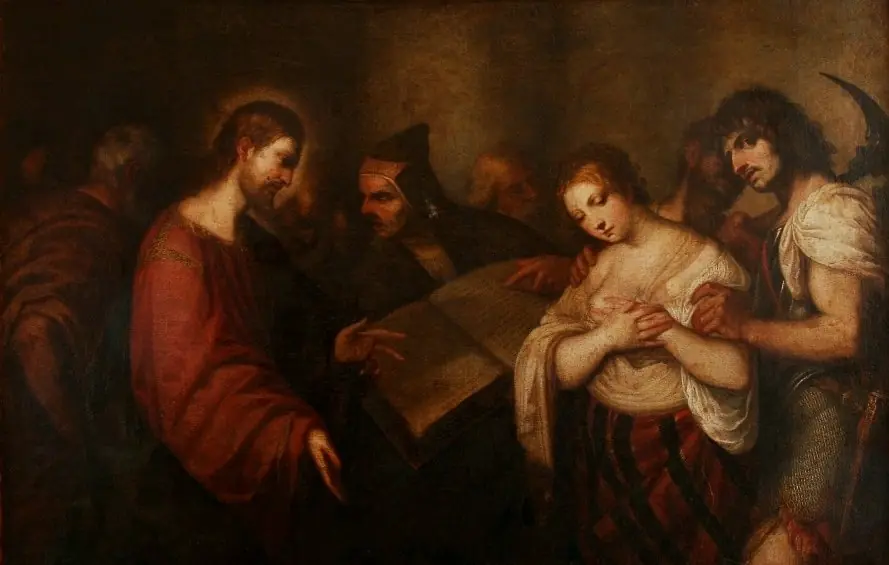
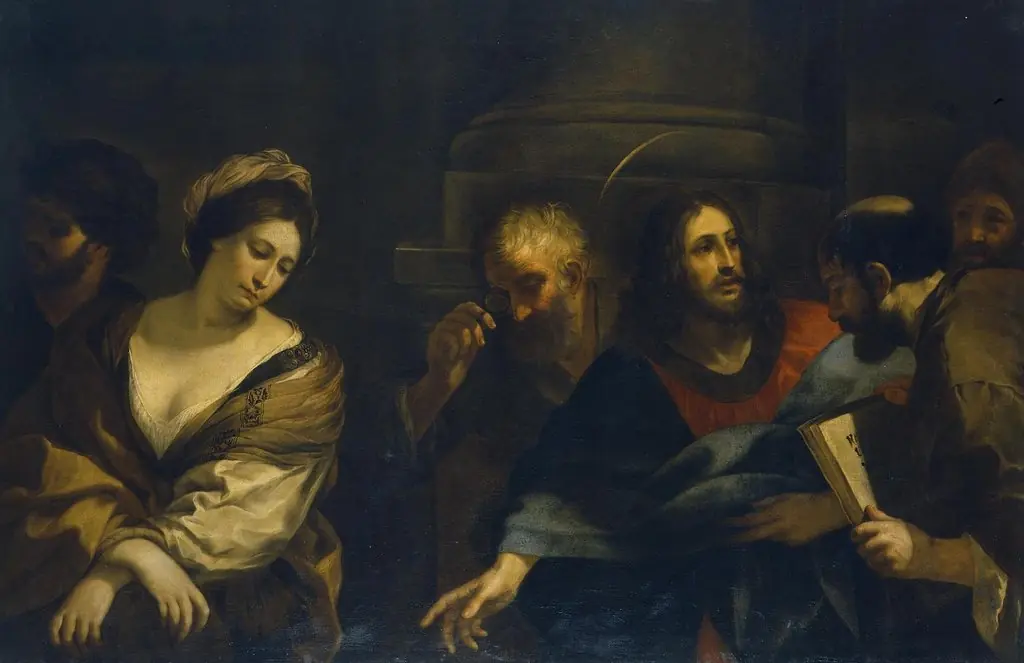
The Woman Taken in Adultery is an oil painting by Nicolò Grassi. It dates from 1725 and is held in the collection of the Fitzwilliam Museum.
About this work
Overview
Nicolò Grassi’s oil painting *The Woman Taken in Adultery*, executed circa 1725, depicts a biblical episode in a compact interior setting. The composition centers on a distressed female figure surrounded by onlookers, their varied dress suggesting a blend of contemporary and timeless attire. The work belongs to the religious genre and is part of the Fitzwilliam Museum’s collection.
Subject & Meaning
The scene illustrates the moment from the Gospel of John when Jesus confronts the accusers of an alleged adulteress. The central woman, seated in a white robe with clasped hands, embodies vulnerability and repentance, while the surrounding figures convey judgment, curiosity, and the tension between law and mercy that the narrative explores.
Technique & Style
Grassi employs a pronounced chiaroscuro, using deep shadows to model the figures and highlight the woman’s anguished face. The contrast between illuminated flesh and darkened background creates a dramatic focus, while the soft rendering of drapery and the subtle handling of light reflect the transitional aesthetics of late Baroque moving toward Rococo sensibilities.
History & Provenance
Created in the early eighteenth century, the painting entered the Fitzwilliam Museum’s holdings through acquisition in the nineteenth century, though the exact path of ownership prior to that remains undocumented. Its presence in the museum aligns with the institution’s broader collection of Italian religious works from the Baroque period.
Context
Grassi worked in Venice during a time when religious commissions still demanded narrative clarity, yet artists were increasingly exploring emotional expression through light and color. *The Woman Taken in Adultery* exemplifies this shift, combining traditional biblical storytelling with a heightened sense of personal drama characteristic of the period’s evolving visual language.
Artist & collection
Artist
Nicolò Grassi (7 April 1682 – 6 October 1748), also known as Nicola Grassi, was an Italian painter, active in a late-Baroque or Rococo style.