Artwork
Portrait of the Marquise of Belas
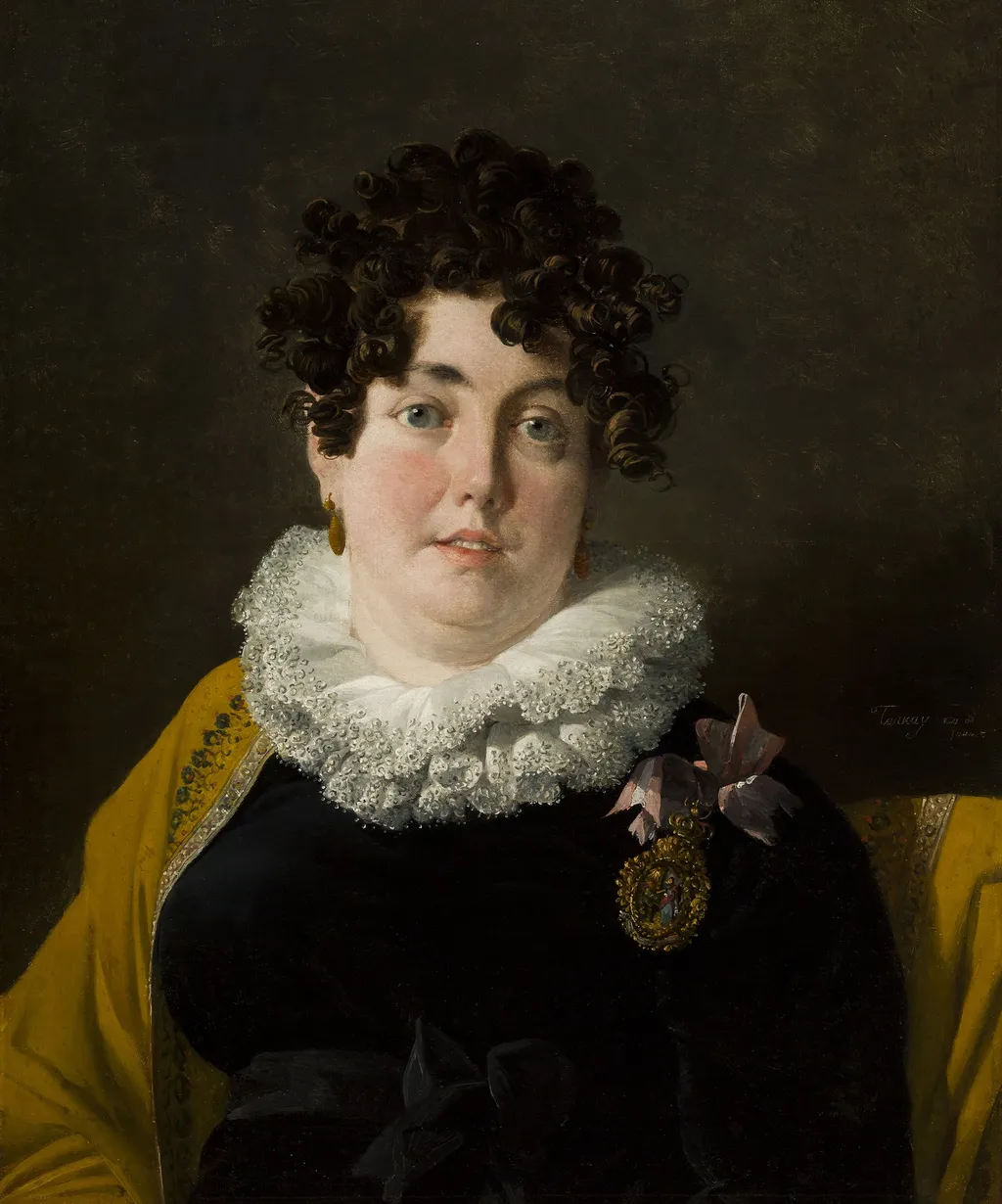
Portrait of the Marquise of Belas is an oil painting by the Neoclassicist artist Nicolas-Antoine Taunay. It dates from 1816 and is held in the collection of the Pinacoteca de São Paulo.
About this work
If you're interested in learning more about the artist who created this portrait, you might want to look up Nicolas-Antoine Taunay.
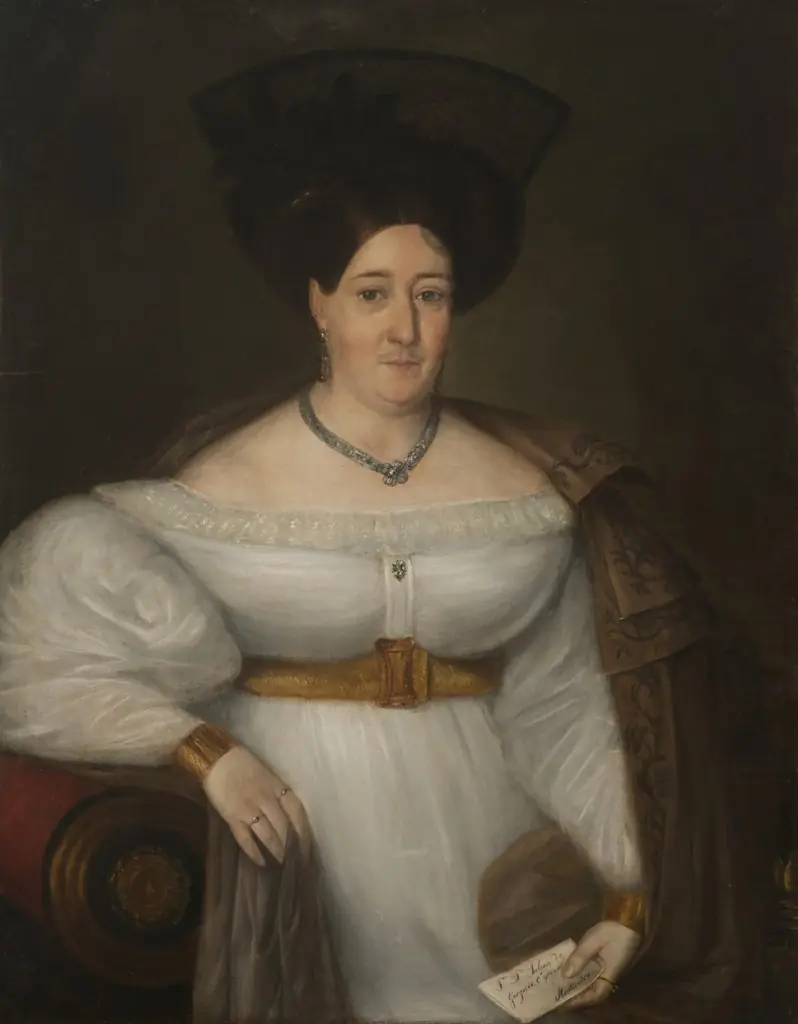
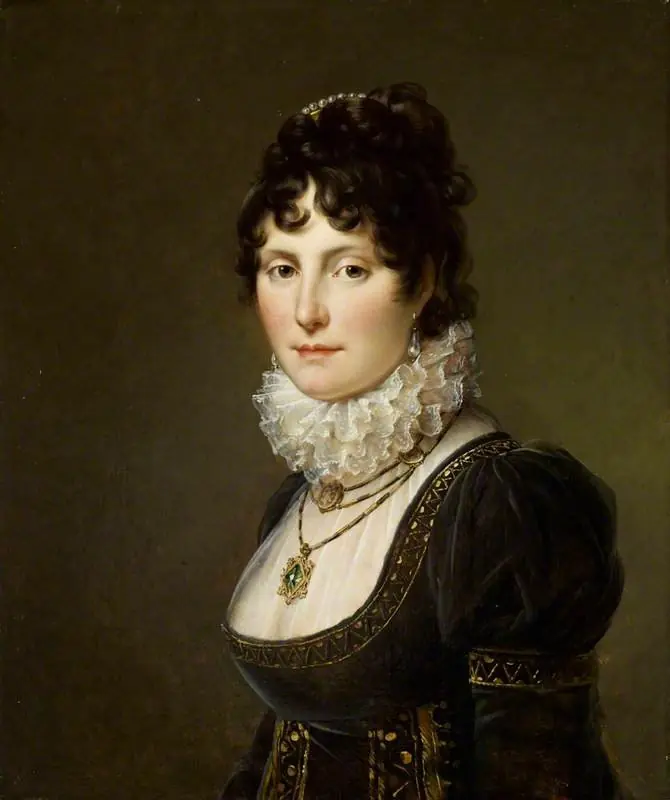
The painting depicts a woman with curly brown hair, wearing a black dress and a white ruffled collar. She is adorned with gold earrings and a brooch on her left shoulder. The background of the painting is dark, which contrasts with the woman's clothing and accessories.
The woman's attire and hairstyle suggest that the painting was created in the early 19th century. The use of dark colors in the background creates a sense of depth and dimensionality in the painting.
If you're interested in learning more about the artist who created this portrait, you might want to look up Nicolas-Antoine Taunay.
Overview
Painted in 1816 by French artist Nicolas-Antoine Taunay, this oil portrait depicts the Marquise of Belas, a figure associated with literary circles of the era. Though Taunay was primarily known for historical and mythological scenes, this work reflects his engagement with portraiture during his time in Brazil. The painting is part of the Pinacoteca do Estado de São Paulo’s collection, where it stands as a rare example of his secular portraiture.
Subject & Meaning
The subject is identified as the Marquise of Belas, a woman linked to intellectual and aristocratic networks in early 19th-century Brazil. Her dignified posture and refined attire suggest social prominence, while the absence of overt symbolism points to a focus on personal presence rather than allegory. The portrait may reflect the cultural aspirations of elite women during a period of transition in colonial society, emphasizing elegance over narrative.
Technique & Style
Taunay employed oil paint with restrained brushwork, emphasizing texture in fabric and the sheen of gold accessories. The dark, unmodeled background isolates the figure, enhancing three-dimensionality through contrast. The white ruffle at the neck and the precise rendering of curls in the hair reflect neoclassical attention to detail, while the overall composition avoids theatricality, favoring quiet composure over dramatic effect.
History & Provenance
Created during Taunay’s stay in Brazil as part of the French Artistic Mission, the portrait was likely commissioned by or for a member of the local elite. It entered the Pinacoteca do Estado de São Paulo’s collection in the 20th century, though its earlier ownership remains undocumented. The painting’s survival offers insight into the cultural exchanges between European artists and Brazilian aristocracy during the post-independence era.
Context
In the early 1800s, Brazil was undergoing political and cultural transformation following its separation from Portugal. European-trained artists like Taunay were invited to establish formal art institutions. Portraits of aristocratic women served both as personal mementos and as symbols of refined taste, aligning local elites with European norms. This work reflects that broader effort to cultivate a cultivated, cosmopolitan identity.
Legacy
Though not among Taunay’s most widely studied works, the portrait contributes to understanding the scope of his output beyond mythological subjects. It remains one of the few surviving portraits of Brazilian aristocratic women painted by a French academic artist during the formative years of Brazil’s national art institutions. Its preservation allows ongoing study of gender, class, and artistic influence in early 19th-century Latin America.
Own this work as a print
Artist & collection
Artist
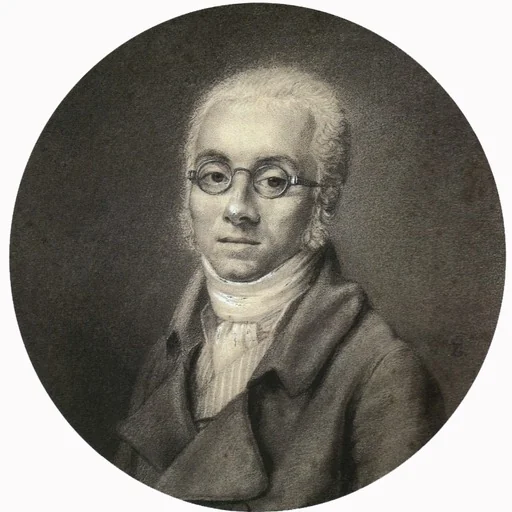
Nicolas-Antoine Taunay (10 February 1755 – 20 March 1830) was a French painter known best for his landscapes with scenes from ancient and modern history, mythology, and religion.

 Portrait of Mrs. Pauline Hagen
 Candelaria Somellera de Espinosa
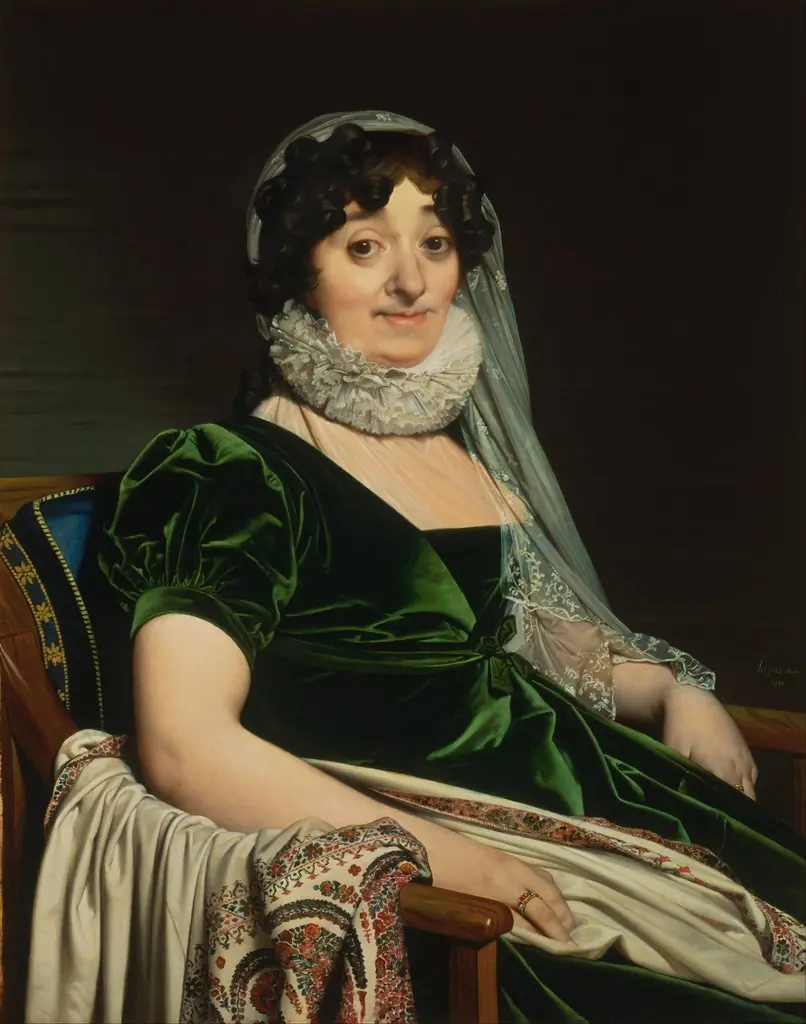 Portrait of the Countess of Tournon
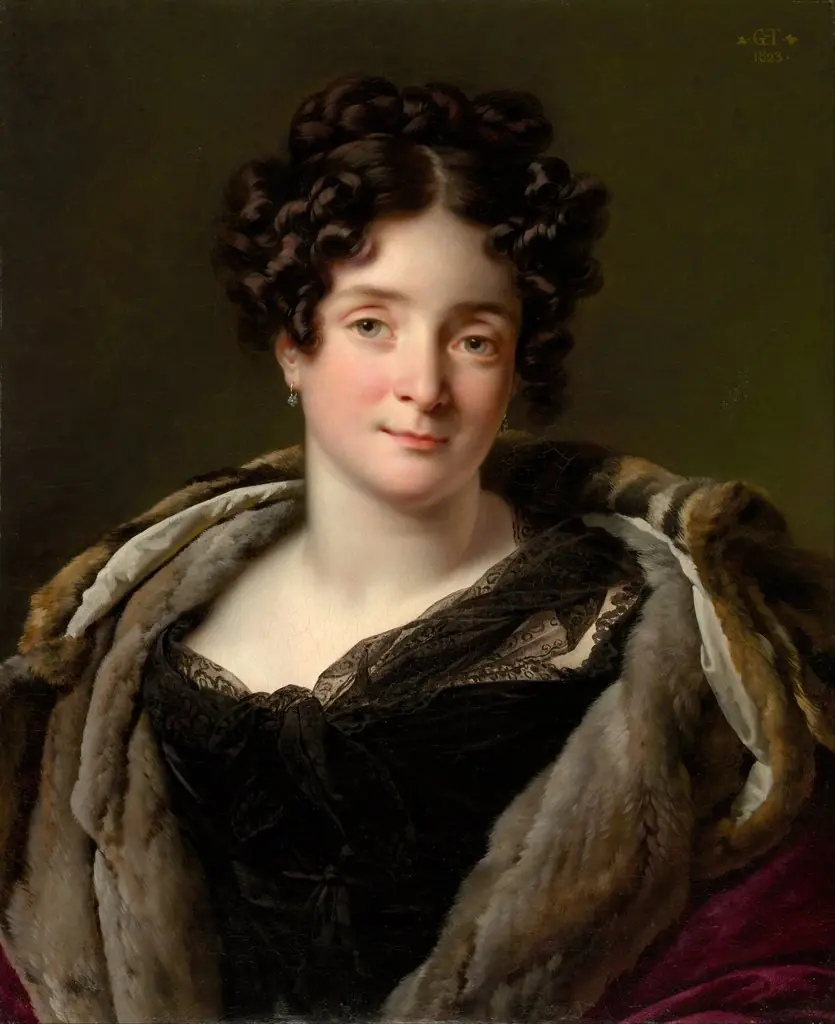 Madame Jacques-Louis-Étienne Reizet (Colette-Désirée-Thérèse Godefroy, 1782–1850)
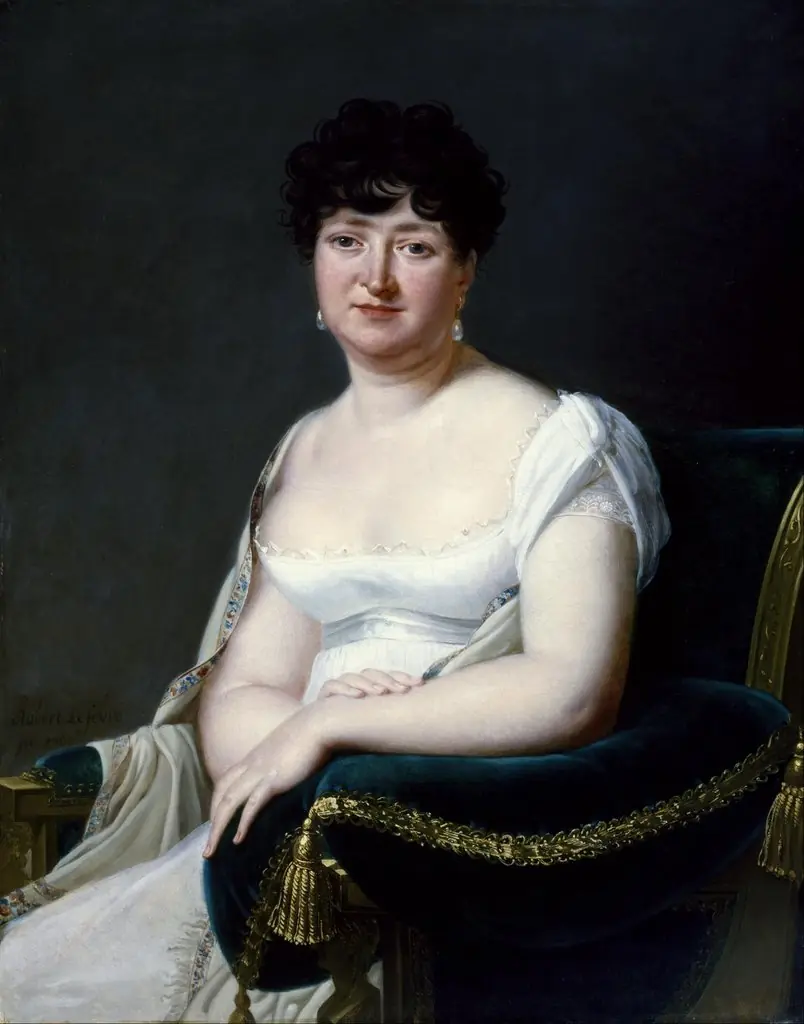 Portrait of a Woman
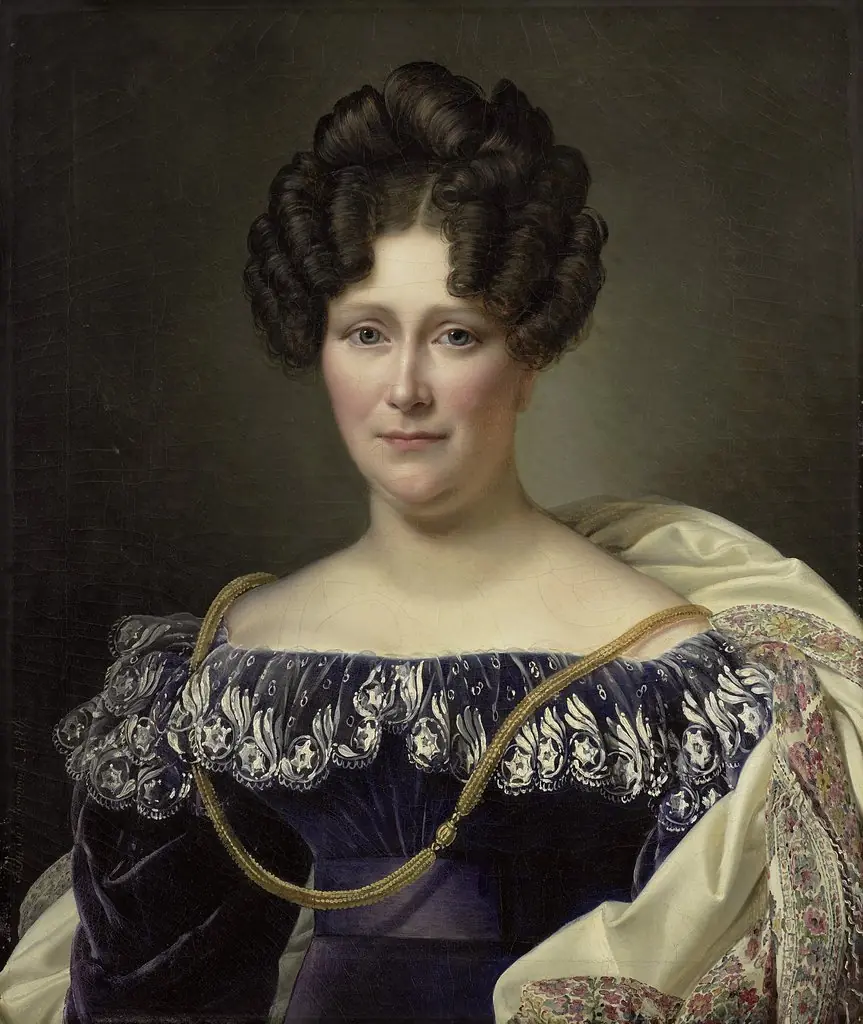 Portrait of Johanna Henriette Engelen, second Wife of Daniel Francis Schas
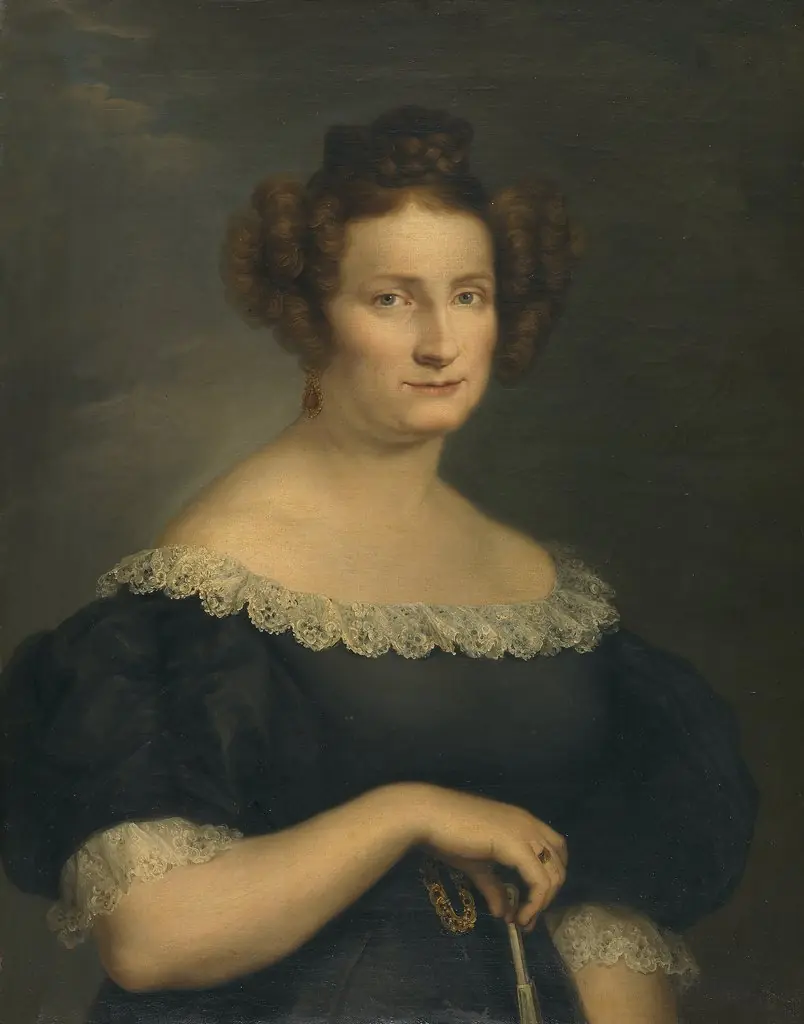 Cecilia Santos
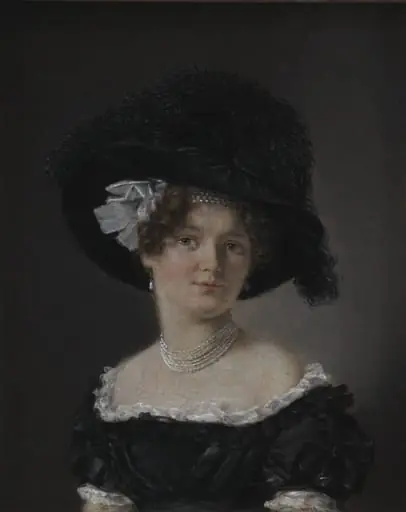 Mathilde Theresia von Irgens-Bergh, née Holsten, the Wife of Mathias Friis von Irgens-Bergh
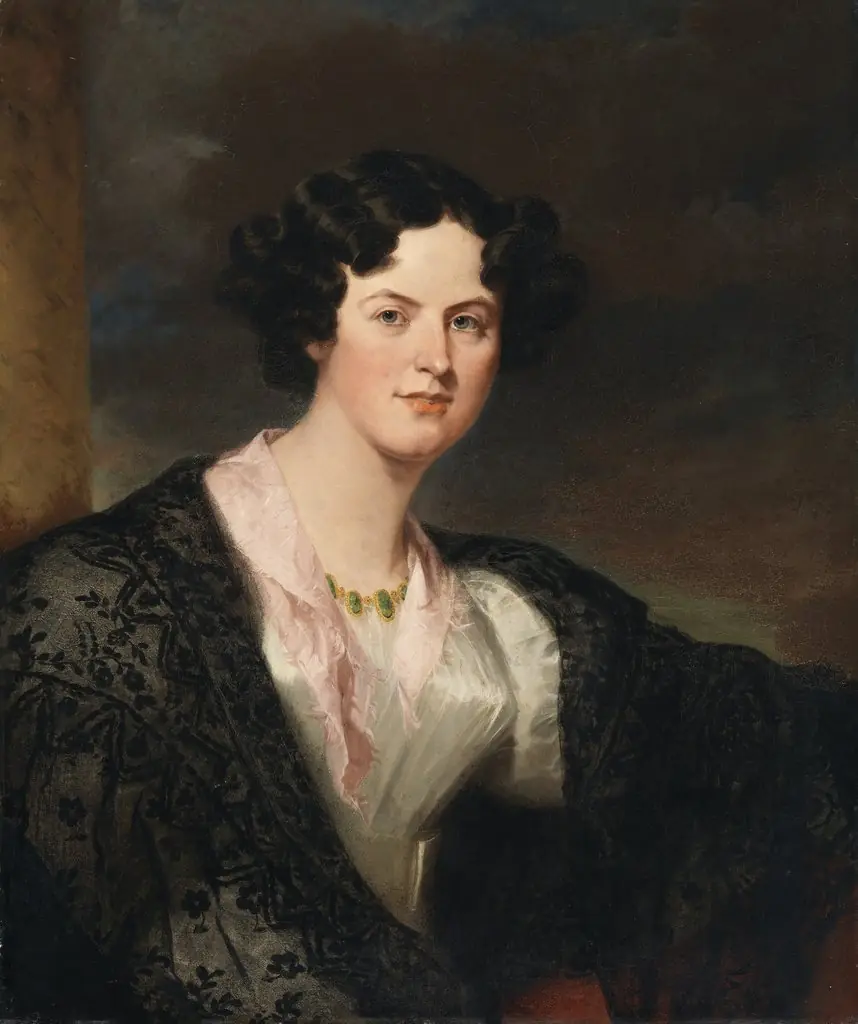 Portrait of Mrs Clementson
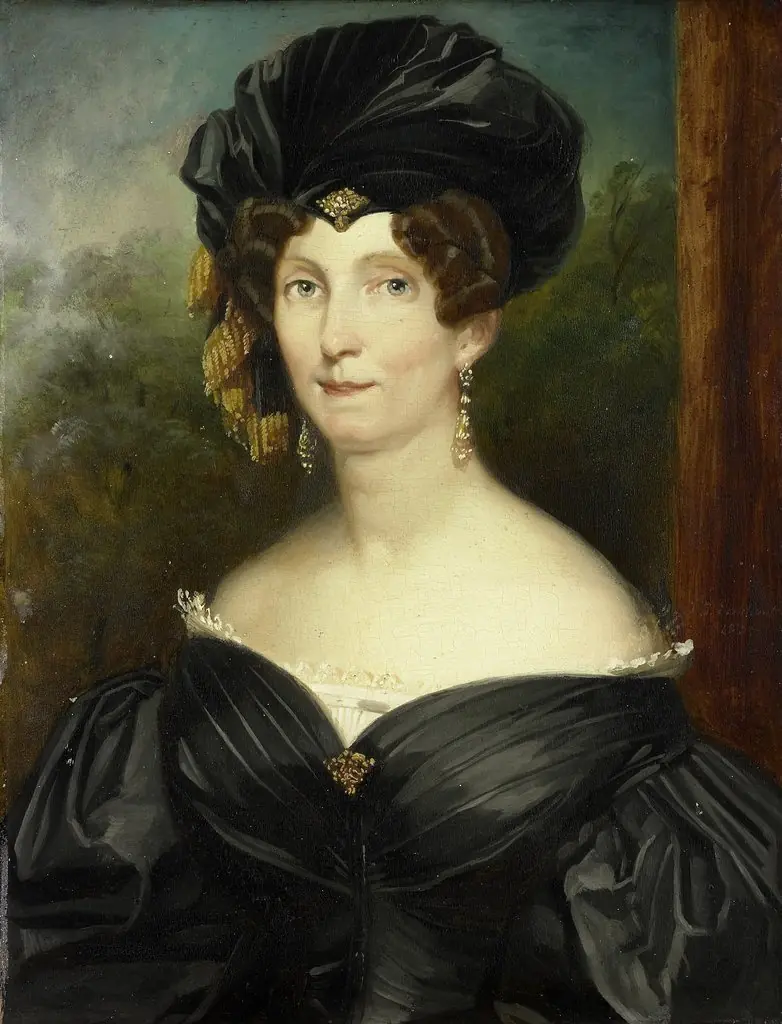 Portrait of Petronella de Lange, Wife of Theodorus Frederik van Capellen
 Mary Nisbet, Countess of Elgin (1777 - 1855)
 Portret de femeie