Artwork
The Show (La Parade)
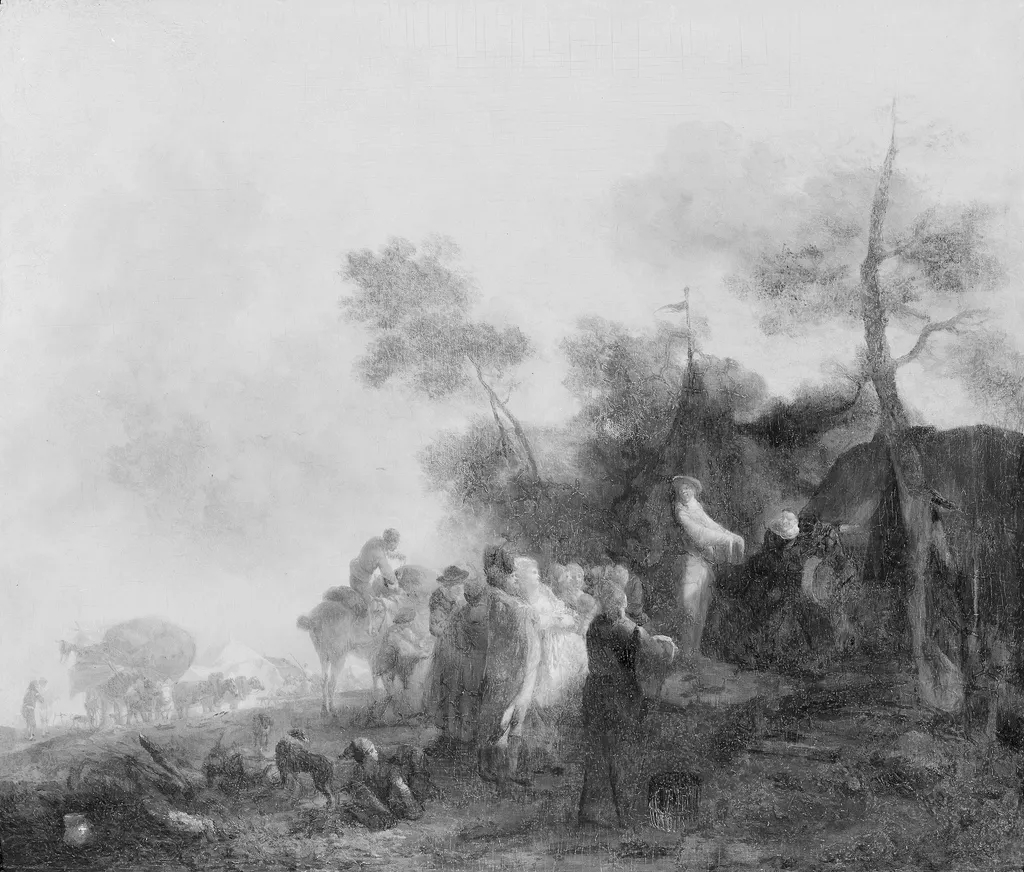
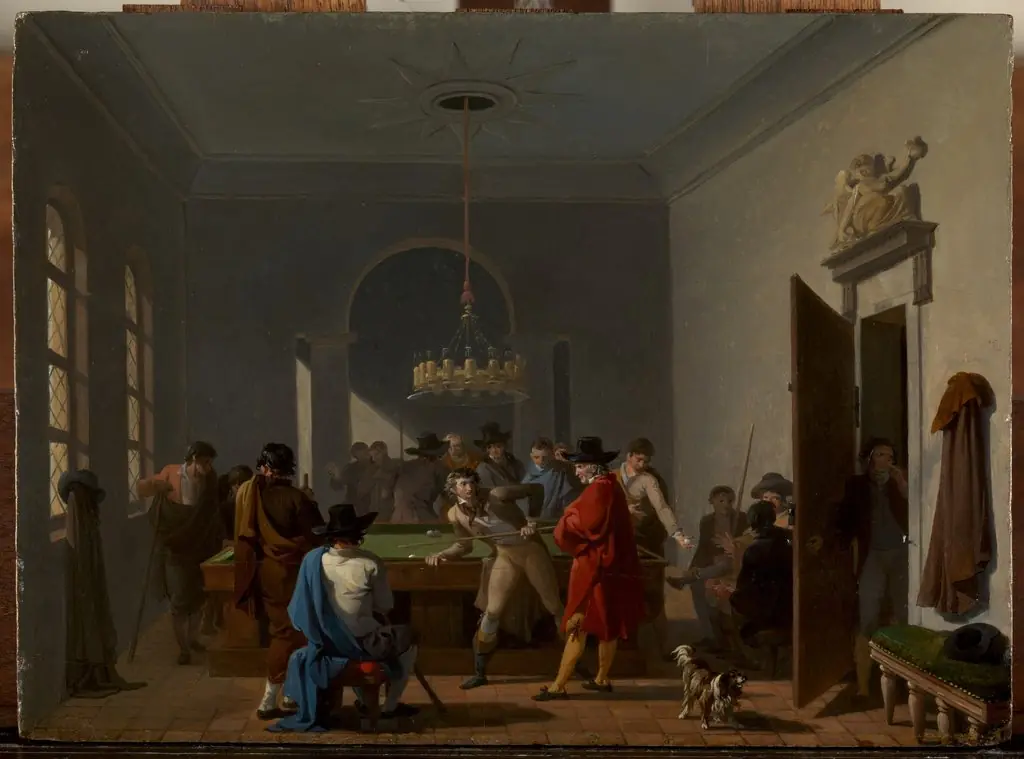
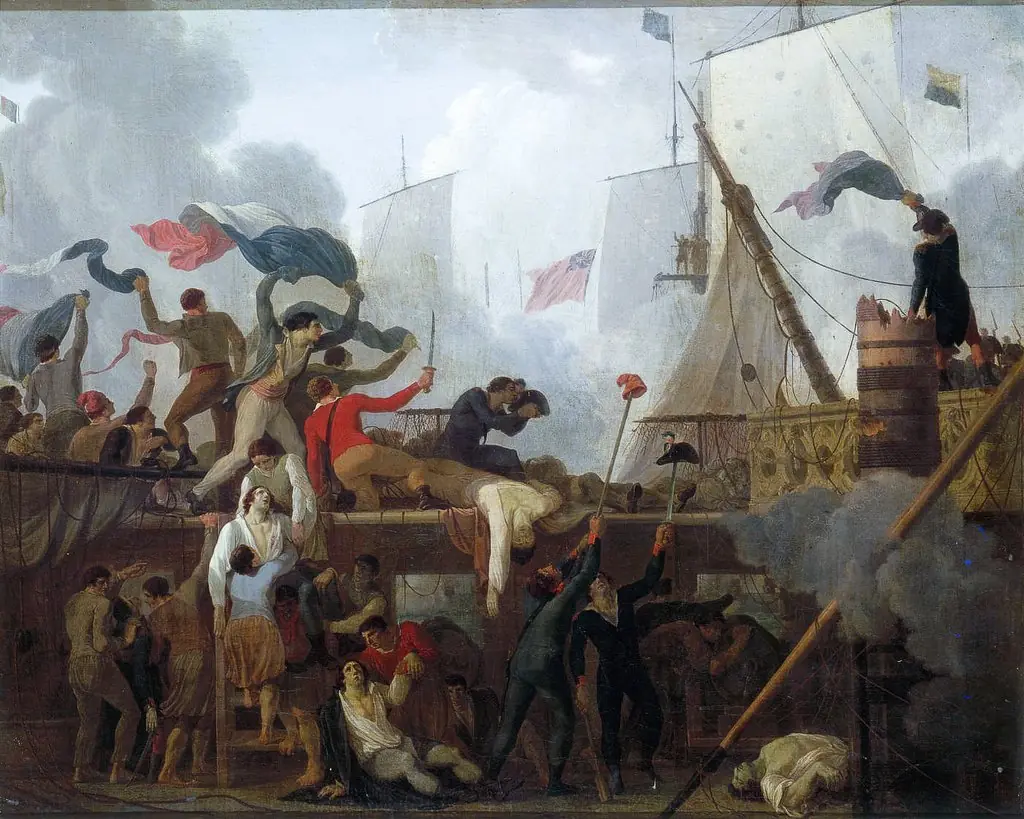
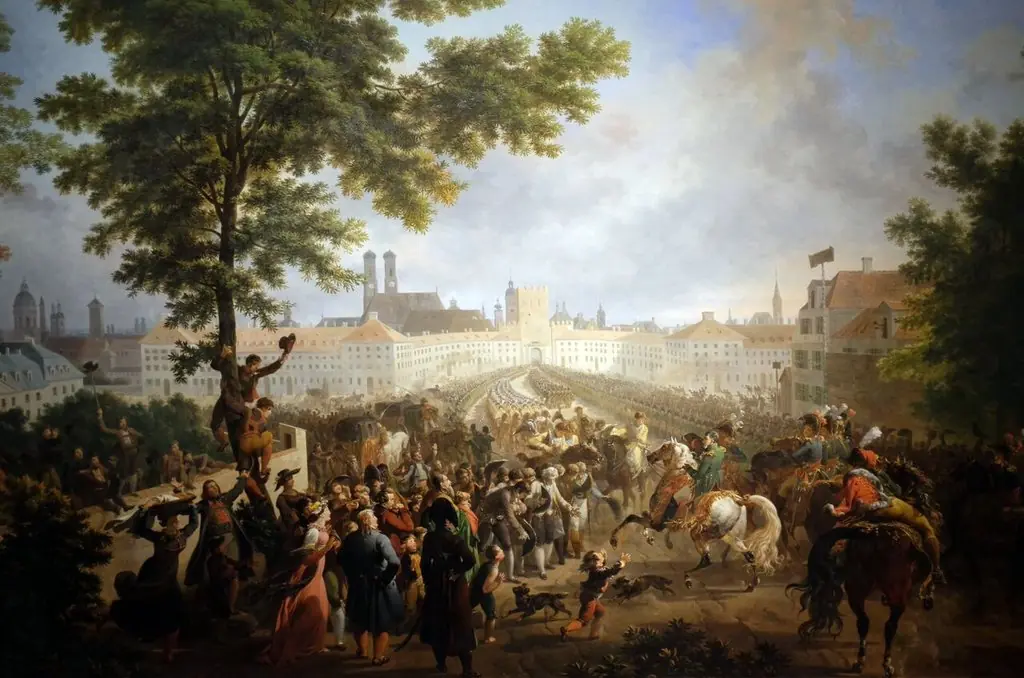
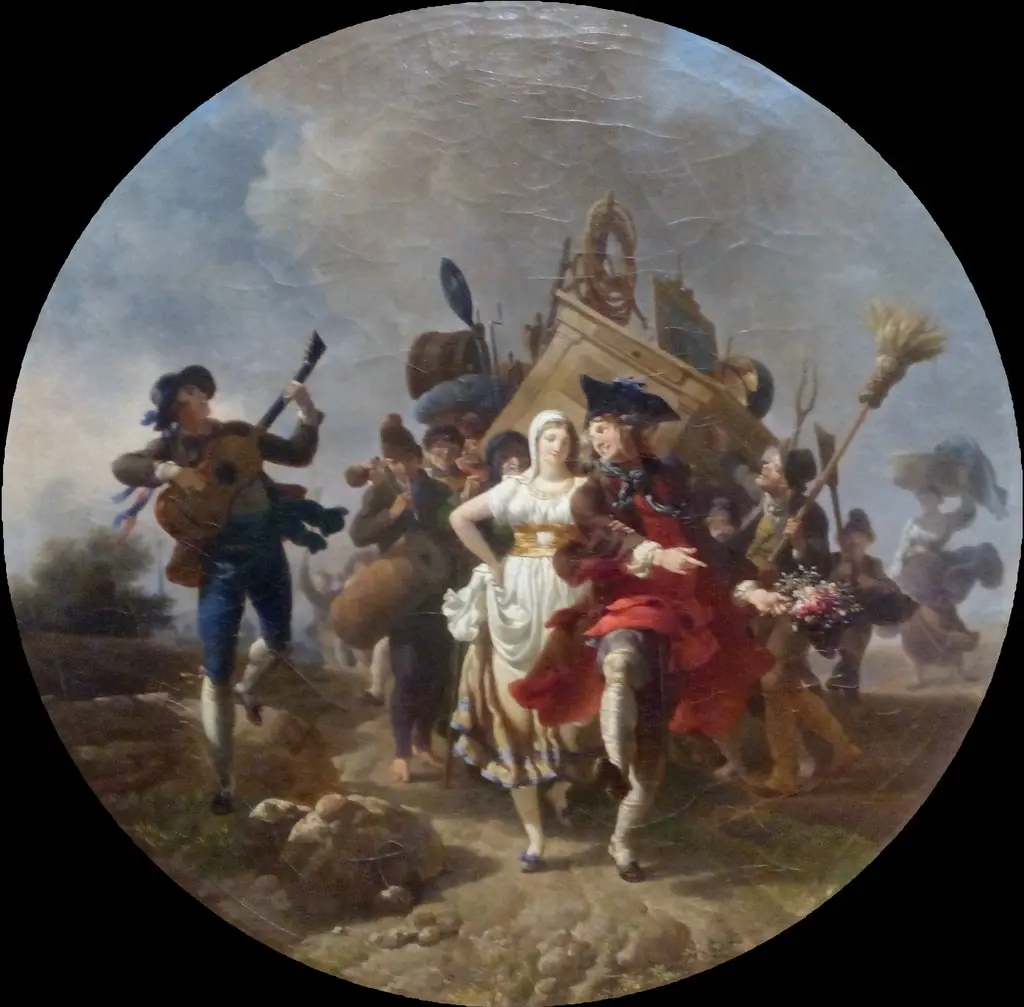
The Show (La Parade) is an unspecified painting by the Rococo painting artist Nicolas-Antoine Taunay. It dates from 1793 and is held in the collection of the Art Institute of Chicago.
About this work
Overview
Though Taunay is better known for historical and mythological scenes, this work turns toward everyday entertainment, portraying a crowd gathered outdoors.
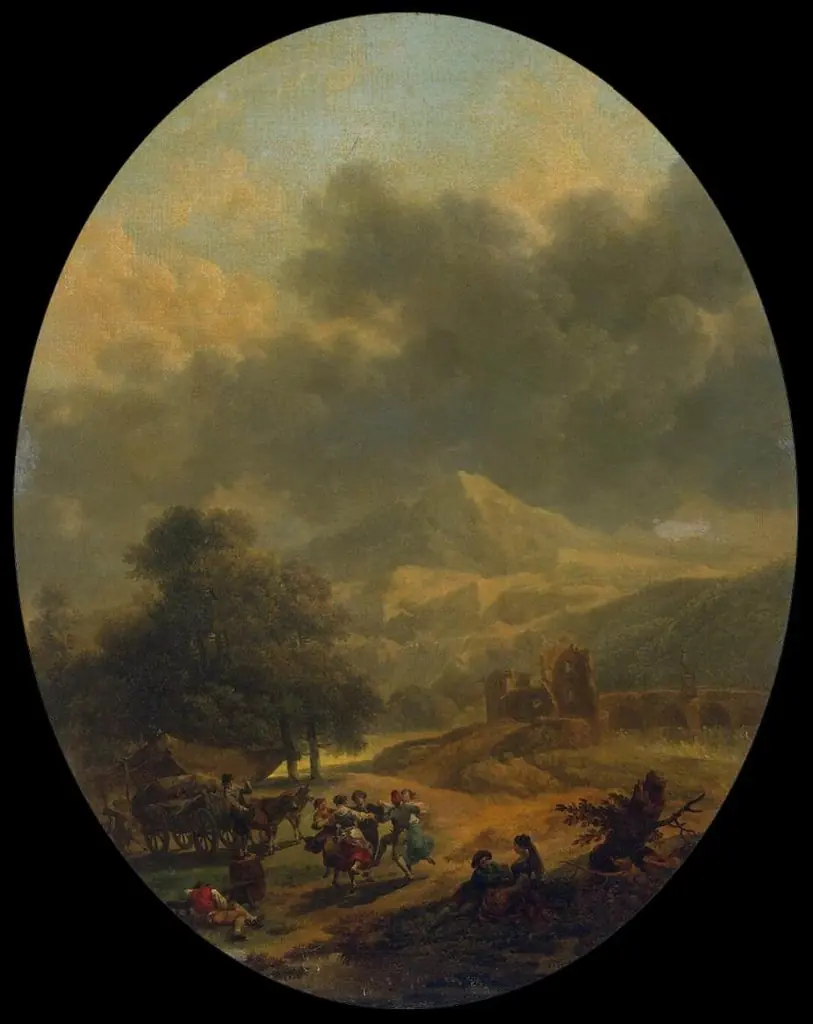
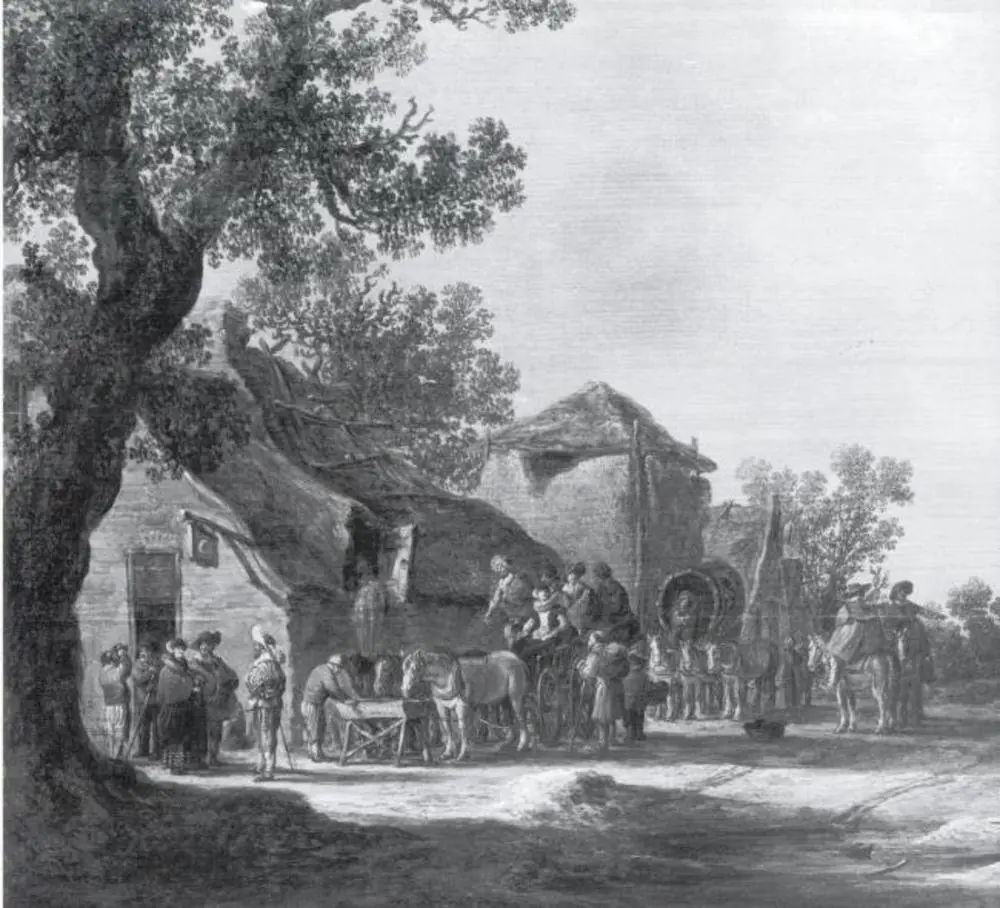
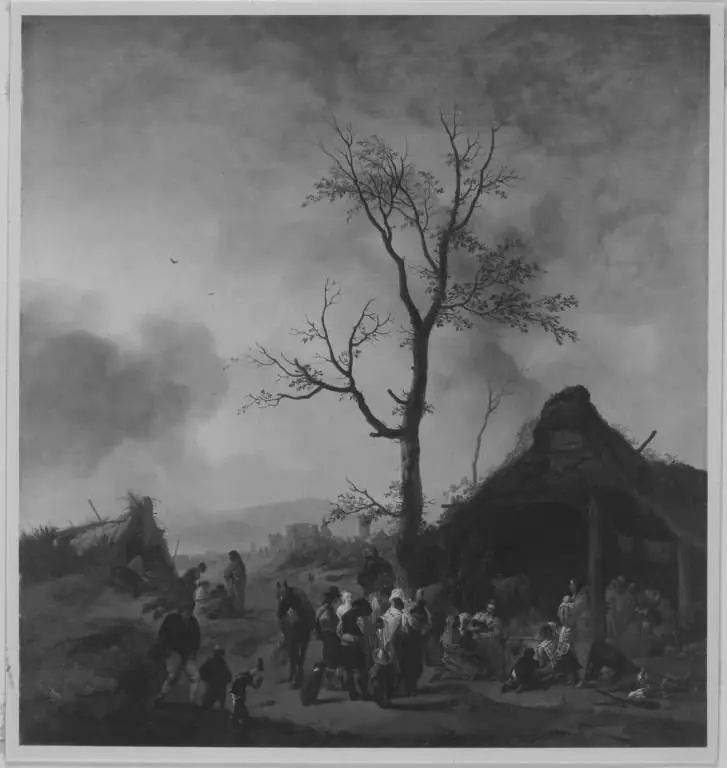
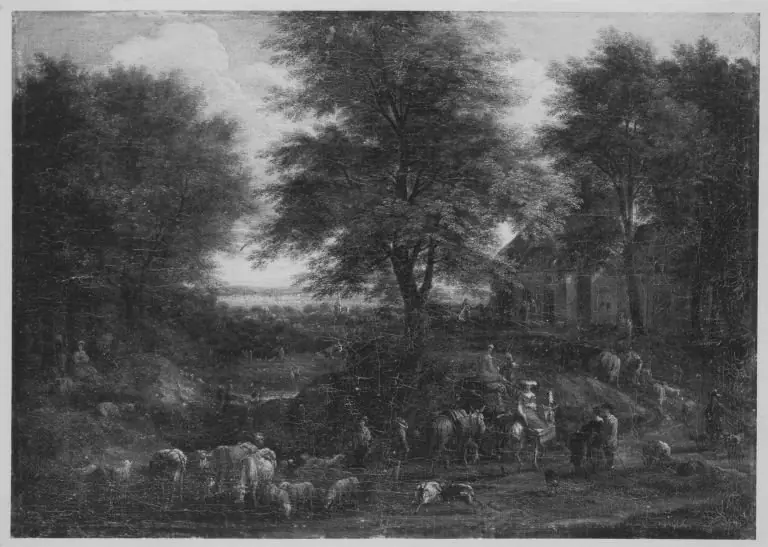
Painted in 1793 by French artist Nicolas-Antoine Taunay, *The Show (La Parade)* captures a moment of public spectacle in an open landscape. Though Taunay is better known for historical and mythological scenes, this work turns toward everyday entertainment, portraying a crowd gathered outdoors. The composition emphasizes movement and observation, with figures oriented toward an unseen performance, suggesting a transient, communal experience rooted in 18th-century popular culture.
Subject & Meaning
The painting depicts a group of spectators in period dress gathered beneath a tree, their attention fixed on an off-canvas event. The ambiguity of the performance—whether a puppet show, acrobats, or a traveling act—invites interpretation. Surrounding elements, including a cart with a large wheel and animals, imply a traveling troupe. The scene reflects the appeal of itinerant entertainments in pre-revolutionary France, where public spectacles offered respite from daily life and social stratification.
Technique & Style
Taunay employs fine brushwork to render textures in fabric, bark, and skin, emphasizing tactile detail over dramatic contrast. The palette leans on muted earth tones, with selective use of brighter hues in garments to draw the eye. The background is softly blurred, creating atmospheric depth through hazy skies and distant trees. This approach aligns with late Rococo sensibilities, favoring delicate observation and naturalistic lighting over grandeur or idealization.
History & Provenance
Created in 1793, during the turbulent years of the French Revolution, the painting stands apart from Taunay’s more conventional historical subjects. It remained in private hands until entering the Art Institute of Chicago’s collection, where it is now preserved. Its survival through political upheaval and shifting artistic tastes underscores its quiet significance as a record of ordinary life amid extraordinary times.
Context
In late 18th-century France, traveling performances were common in rural and suburban areas, drawing mixed crowds from different social classes. *The Show* reflects this cultural phenomenon, capturing a moment when public entertainment blurred distinctions between urban and rural, elite and common. While academic painting favored grand narratives, Taunay’s focus on this fleeting scene reveals a growing interest in the mundane as worthy of artistic attention.
Legacy
Though not widely exhibited or studied, *The Show* offers a rare glimpse into Taunay’s engagement with secular, contemporary life. It contributes to a broader understanding of how French painters of the period documented everyday spectacle beyond religious or mythological themes. The work remains a quiet testament to the cultural vitality of pre-revolutionary popular entertainment, preserved as a historical artifact rather than a celebrated icon.
Artist & collection
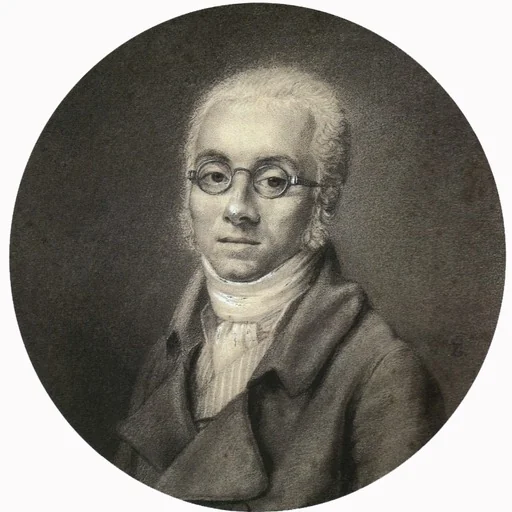
Artist
Nicolas-Antoine Taunay (10 February 1755 – 20 March 1830) was a French painter known best for his landscapes with scenes from ancient and modern history, mythology, and religion.