Artwork
Country Landscape
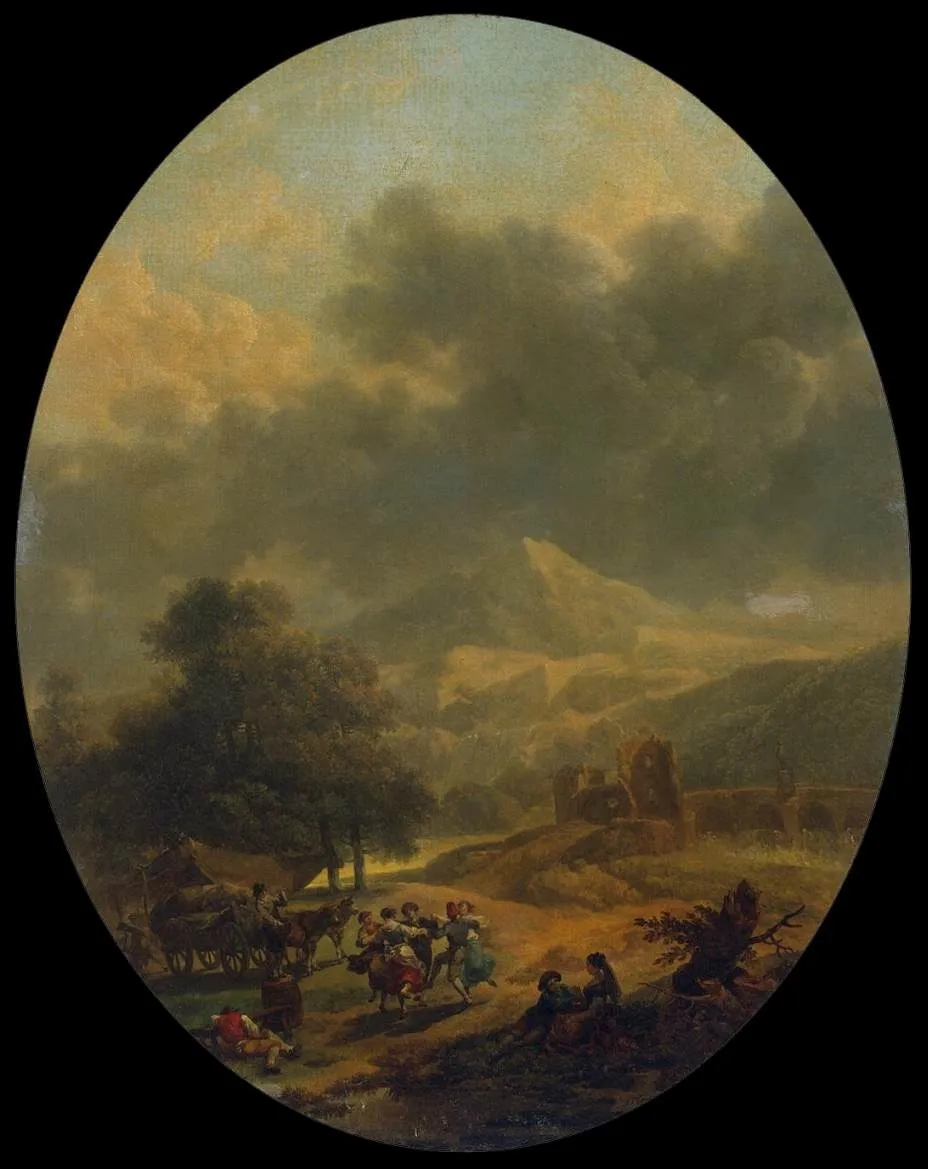
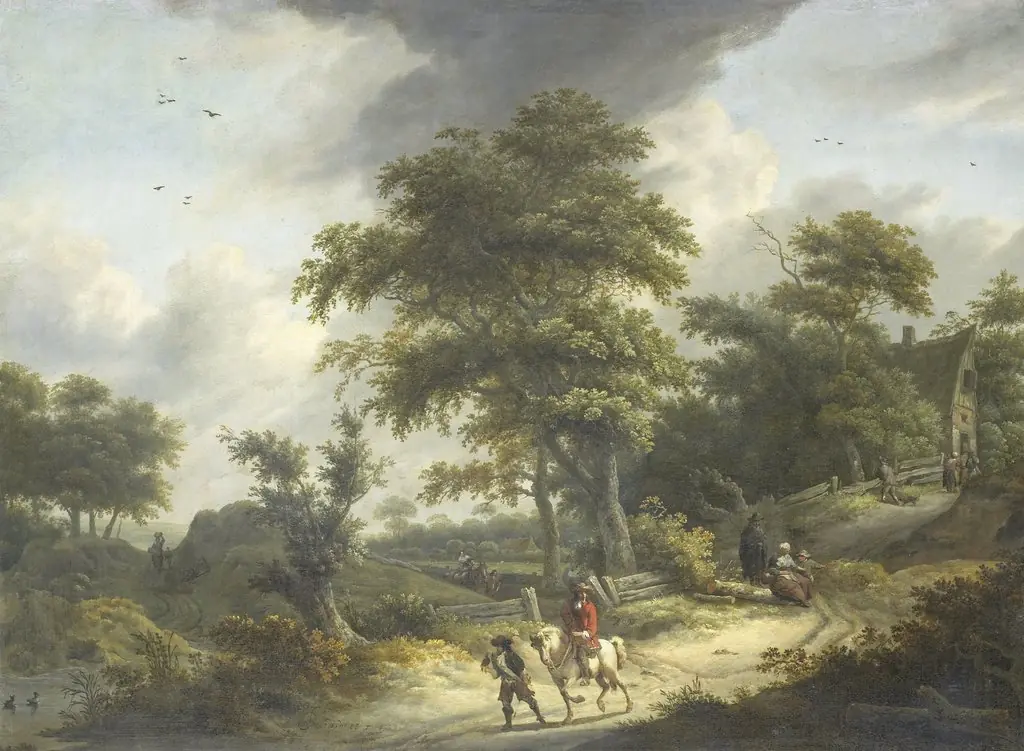
Country Landscape is an oil painting by the Rococo painting artist Nicolas-Antoine Taunay. It dates from 1788 and is held in the collection of the Hermitage Museum.
About this work
Overview
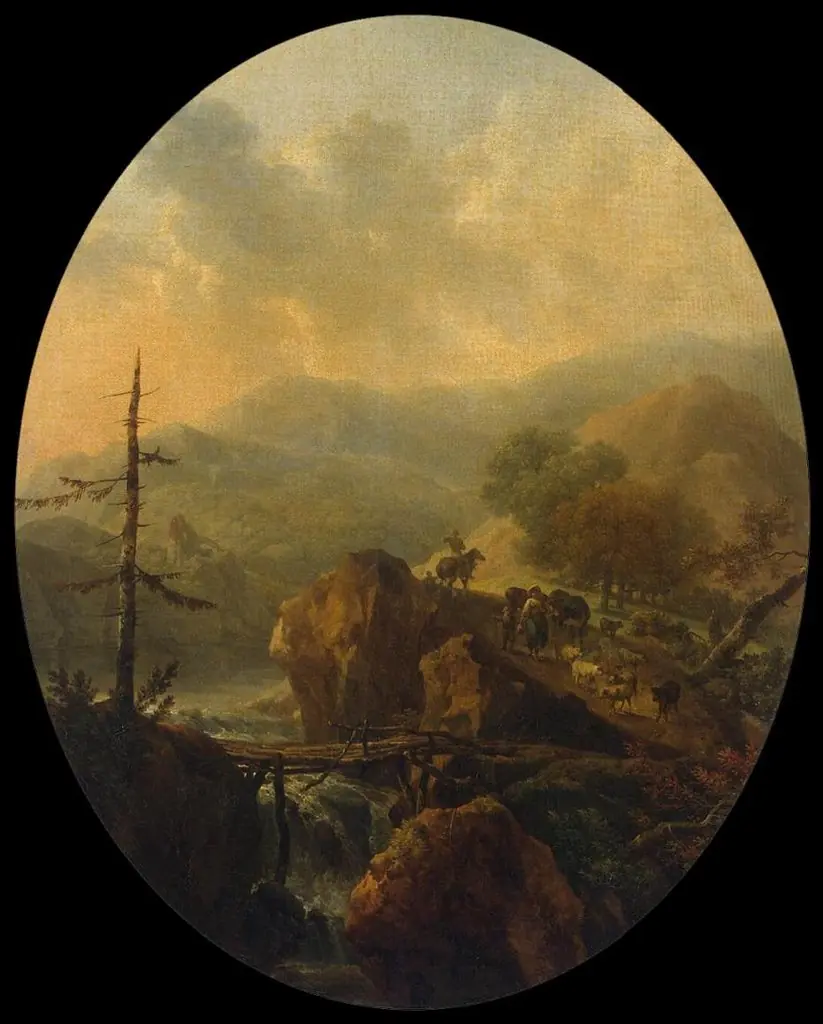
Painted in 1788 by Nicolas-Antoine Taunay, *Country Landscape* is an oil-on-canvas work that captures a quiet rural scene in France.
Painted in 1788 by Nicolas-Antoine Taunay, *Country Landscape* is an oil-on-canvas work that captures a quiet rural scene in France. Though Taunay is known for historical and mythological subjects, this piece diverges into everyday pastoral life. It resides in the State Hermitage Museum’s collection, where it reflects the artist’s engagement with naturalistic observation during a period when landscape painting was gaining independent status beyond mere backdrop.
Subject & Meaning
The painting depicts a winding path leading toward a modest stone bridge, with travelers on foot and a horse-drawn cart paused near a rustic hut. Figures rest beneath a tree, suggesting a moment of pause in daily movement. No grand narrative is present; instead, the scene conveys the rhythm of rural labor and rest. The composition invites contemplation of ordinary life, subtly elevating the mundane through careful arrangement and atmospheric tone.
Technique & Style
Taunay employs soft, warm hues and nuanced light to model forms and suggest depth. Chiaroscuro is used gently, with shadows pooling under trees and patches of sunlight illuminating the road, guiding the viewer’s eye toward the bridge. The brushwork is restrained yet deliberate, avoiding the ornamental excess of high Rococo in favor of a more subdued, observational approach that anticipates later naturalism in landscape painting.
History & Provenance
Created in 1788, the painting entered the State Hermitage Museum’s collection during the late 18th or early 19th century, likely through acquisition by Russian imperial patrons interested in European art. Its presence in St. Petersburg reflects broader cultural exchanges between France and Russia during the Enlightenment. The work has remained in the museum’s holdings since, with no documented changes in ownership or significant restoration.
Context
In the late 1780s, French landscape painting was shifting from idealized compositions toward more direct observation of nature. Taunay’s work aligns with this trend, even as he remained trained in academic traditions. Unlike grand historical scenes, this painting reflects growing interest in rural life and atmospheric effects—themes later expanded by the Barbizon School. The dramatic sky hints at emerging Romantic sensibilities, though the tone remains restrained.
Legacy
Though not among Taunay’s most celebrated works, *Country Landscape* exemplifies his ability to adapt academic training to intimate, non-narrative subjects. It stands as a quiet precursor to 19th-century landscape realism, demonstrating how even minor works contributed to the evolution of naturalism in French art. Its preservation in the Hermitage underscores its role as a representative example of transitional European painting in the decades before the Revolution.
Artist & collection
Artist
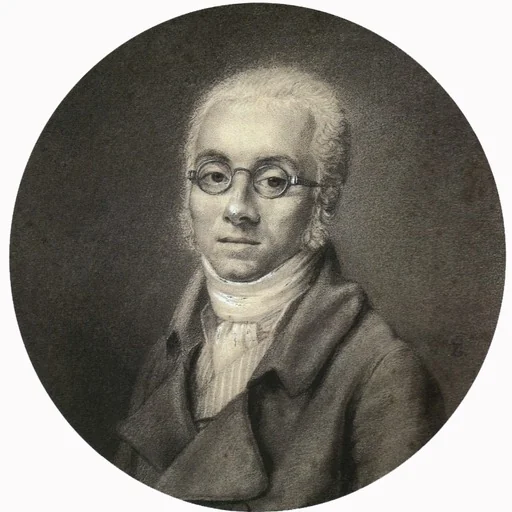
Nicolas-Antoine Taunay (10 February 1755 – 20 March 1830) was a French painter known best for his landscapes with scenes from ancient and modern history, mythology, and religion.

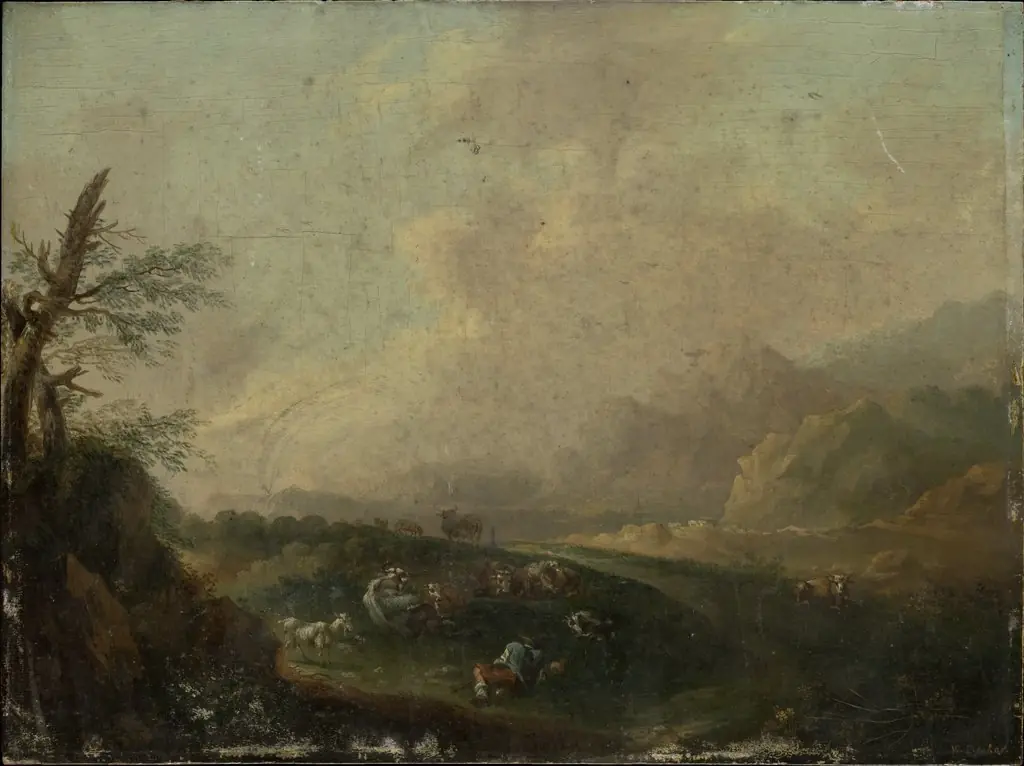 Landscape with Resting Shepherd
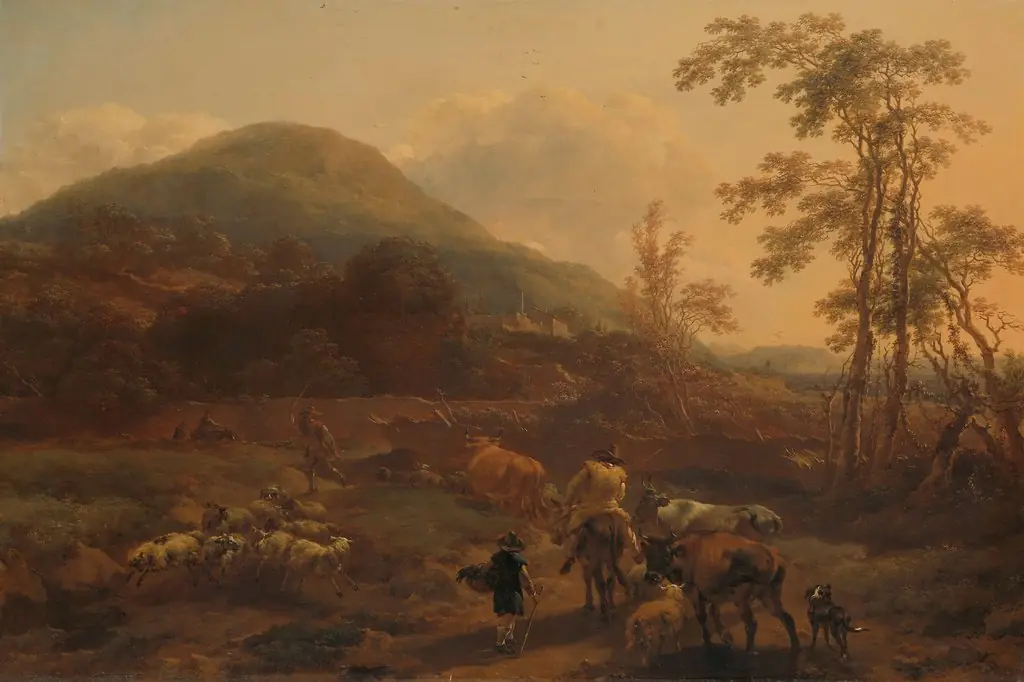 The Three Droves
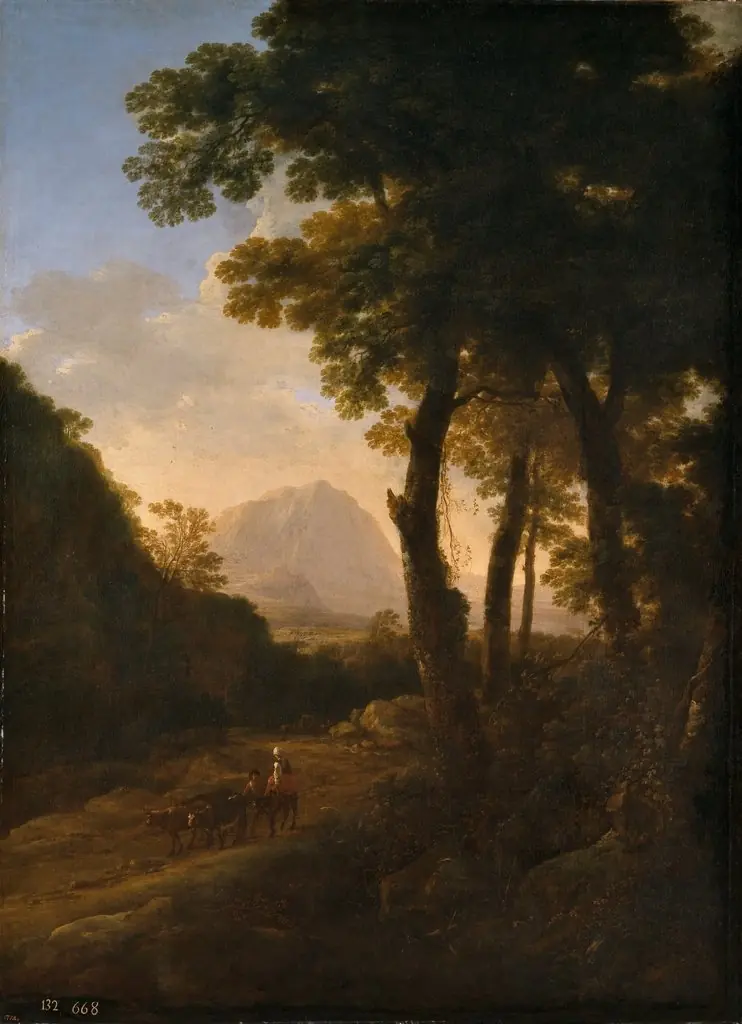 Taking the Cattle out
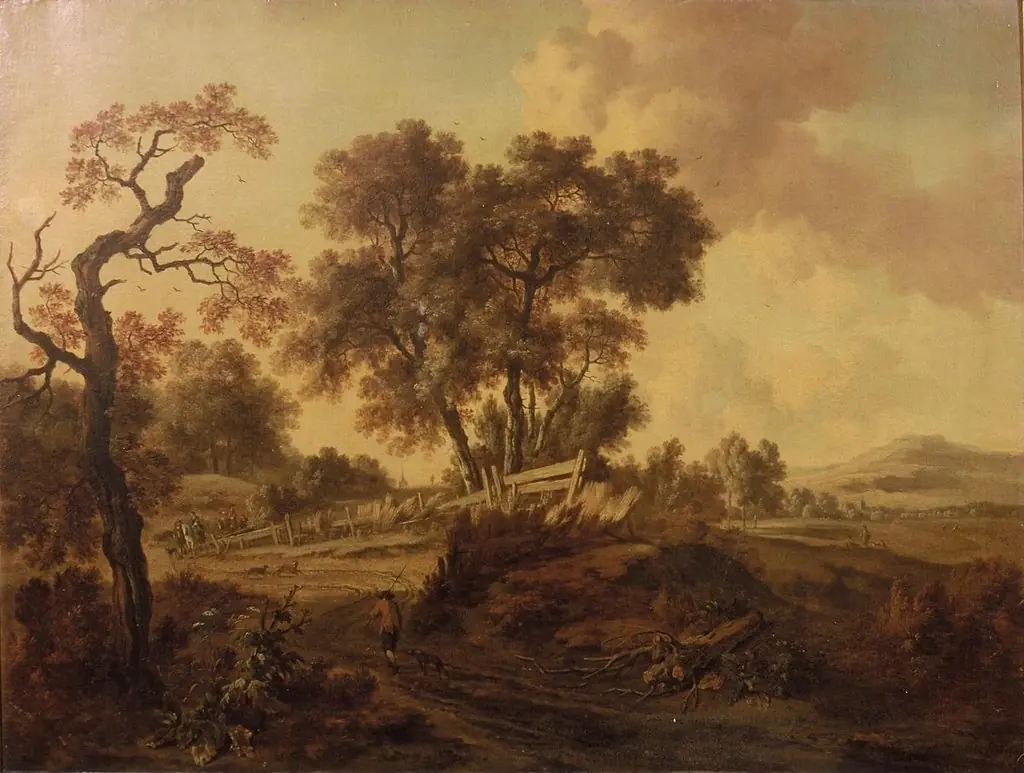 Road in a Dune Landscape
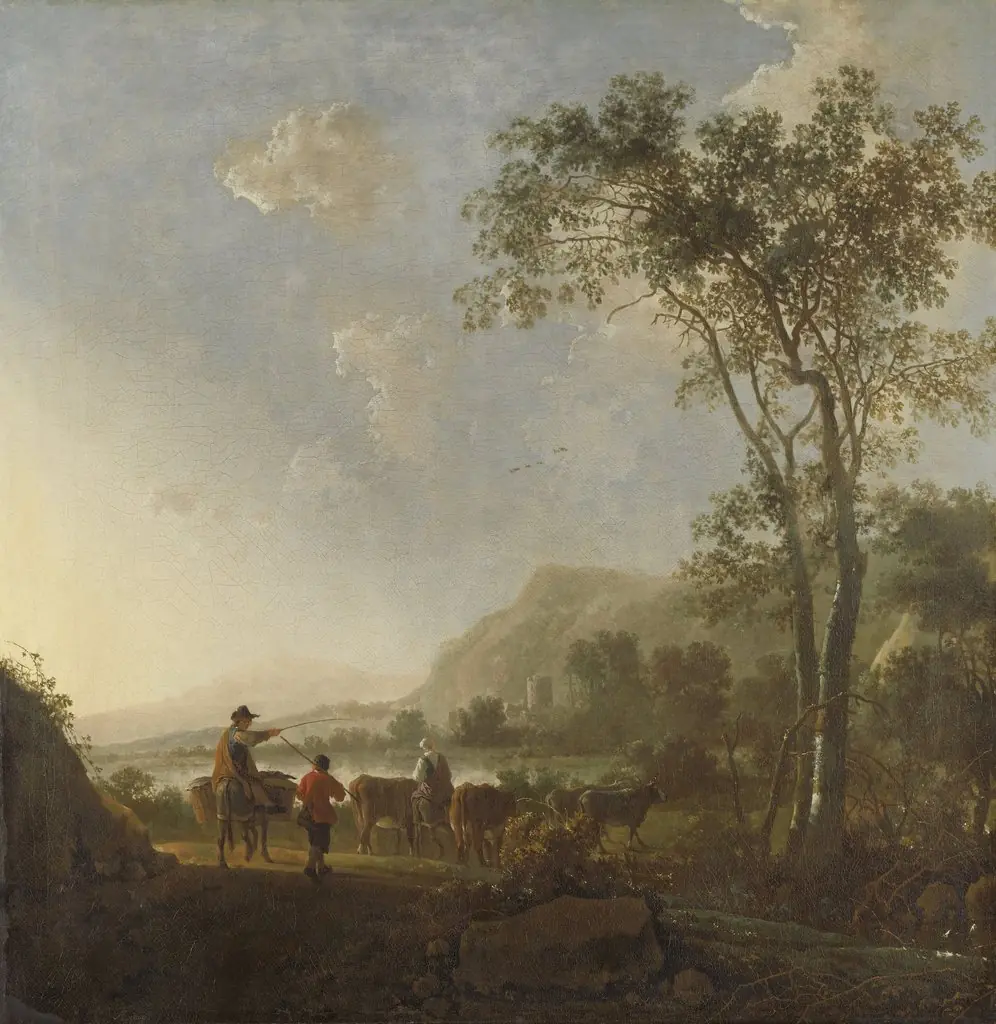 Landscape with herdsman and cattle
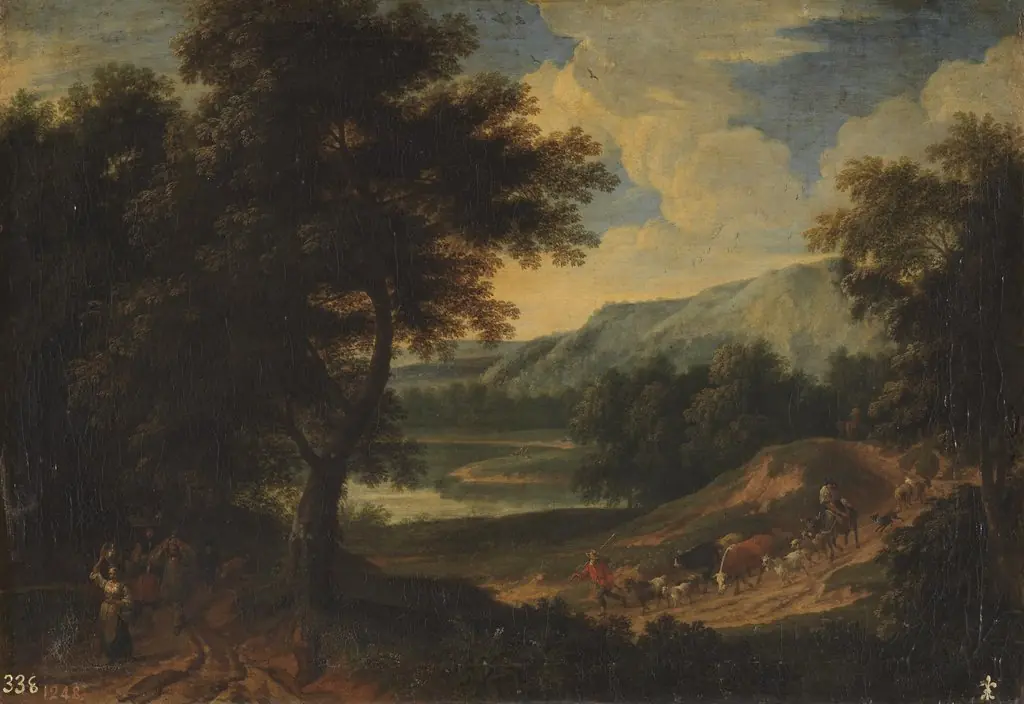 Paisaje con pastores y ganado
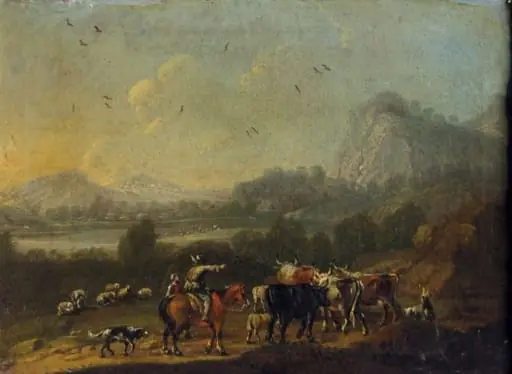 Peisaj cu păstori și țărănci ; pandant: Peisaj cu vite
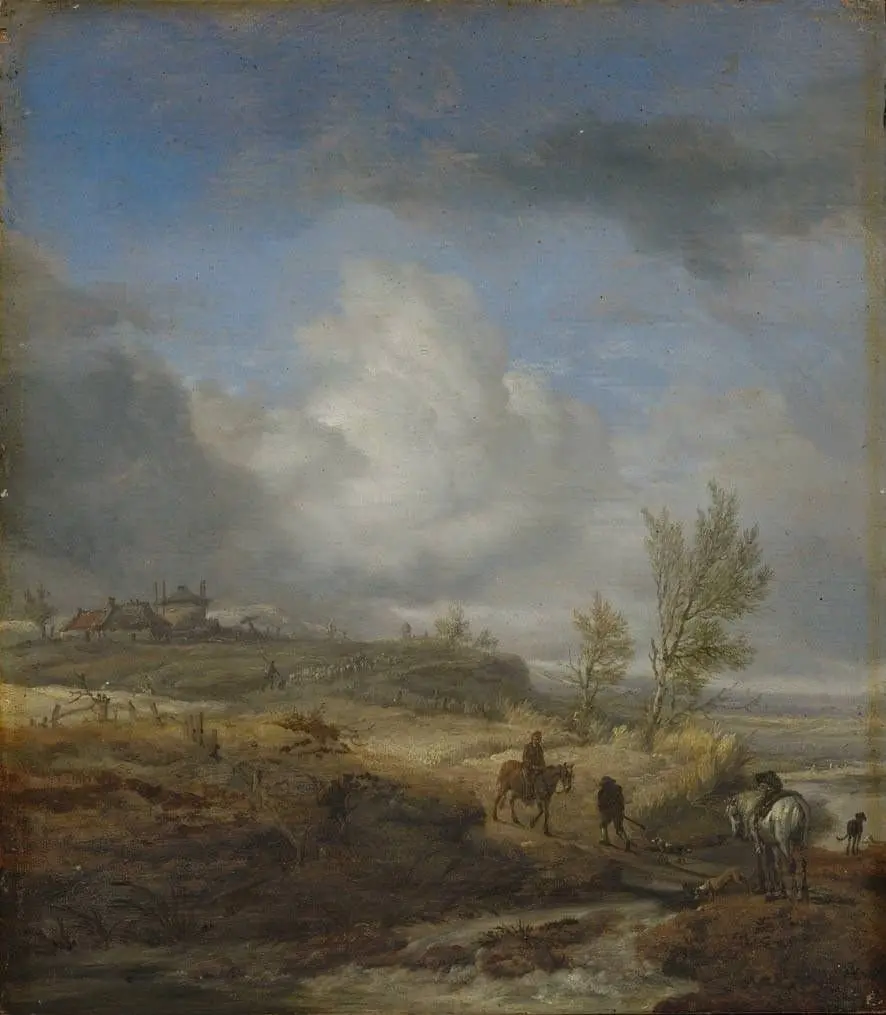 Cloudy Dune Landscape
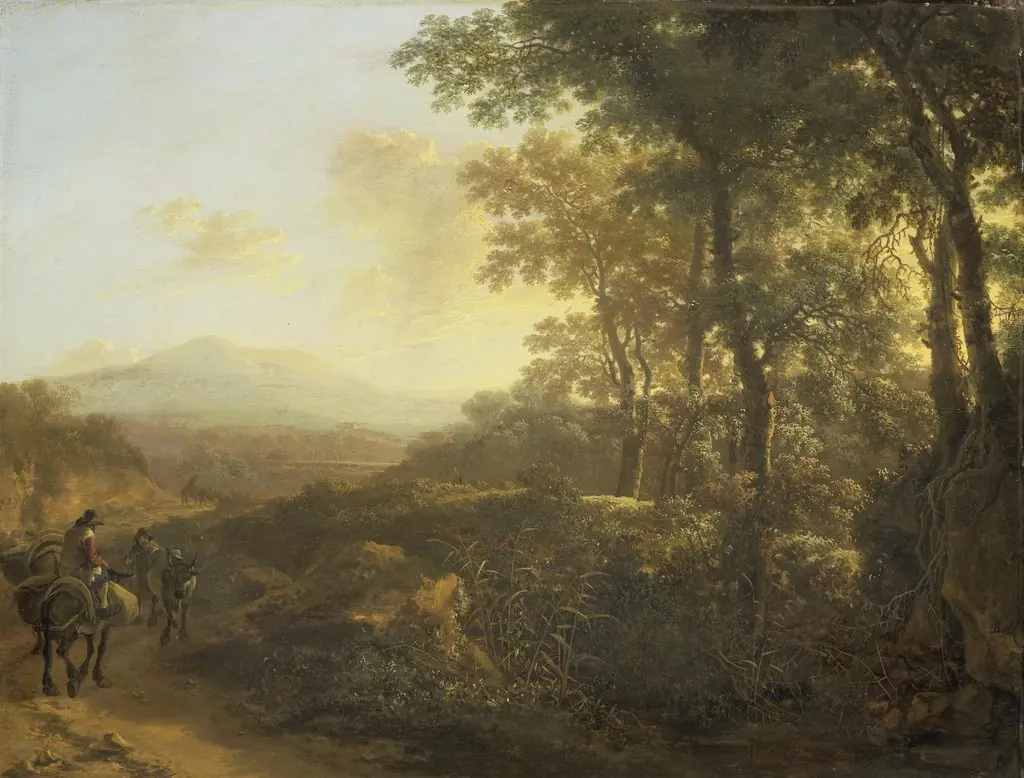 Italian landscape with mule driver
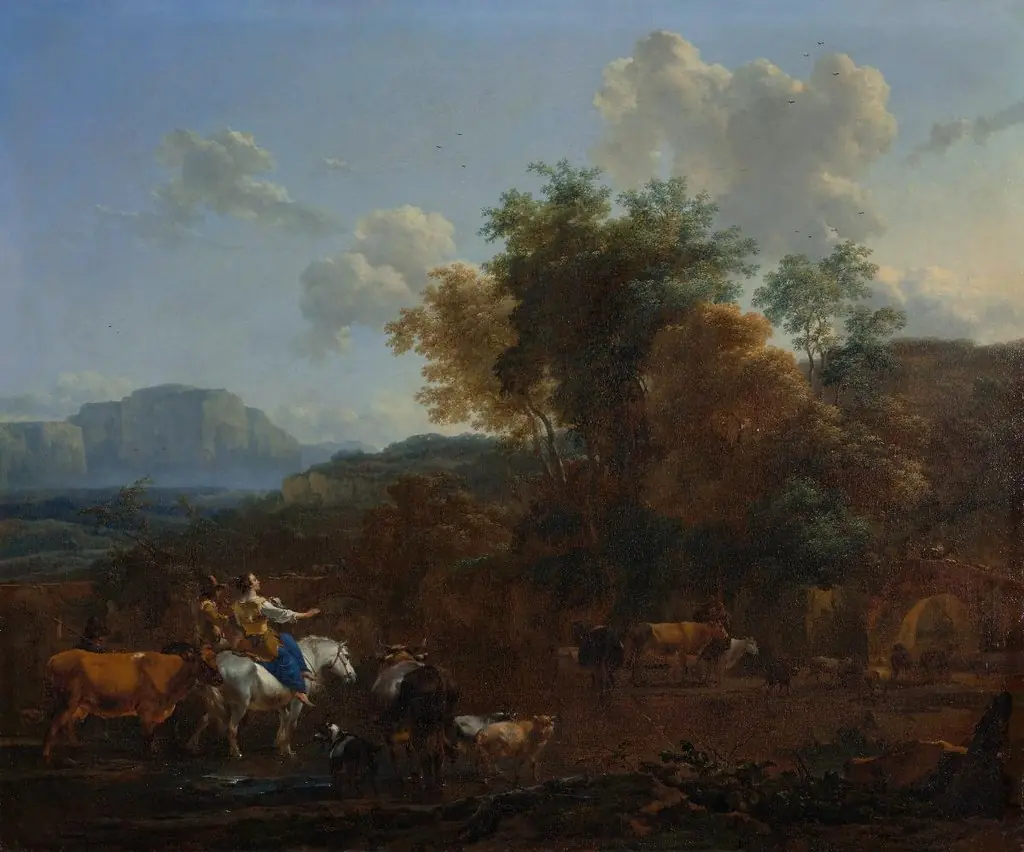 Italienische Landschaft mit musizierenden Hirten und ziehender Herde
 Landscape with falconer