Artwork
Portrait of a Woman
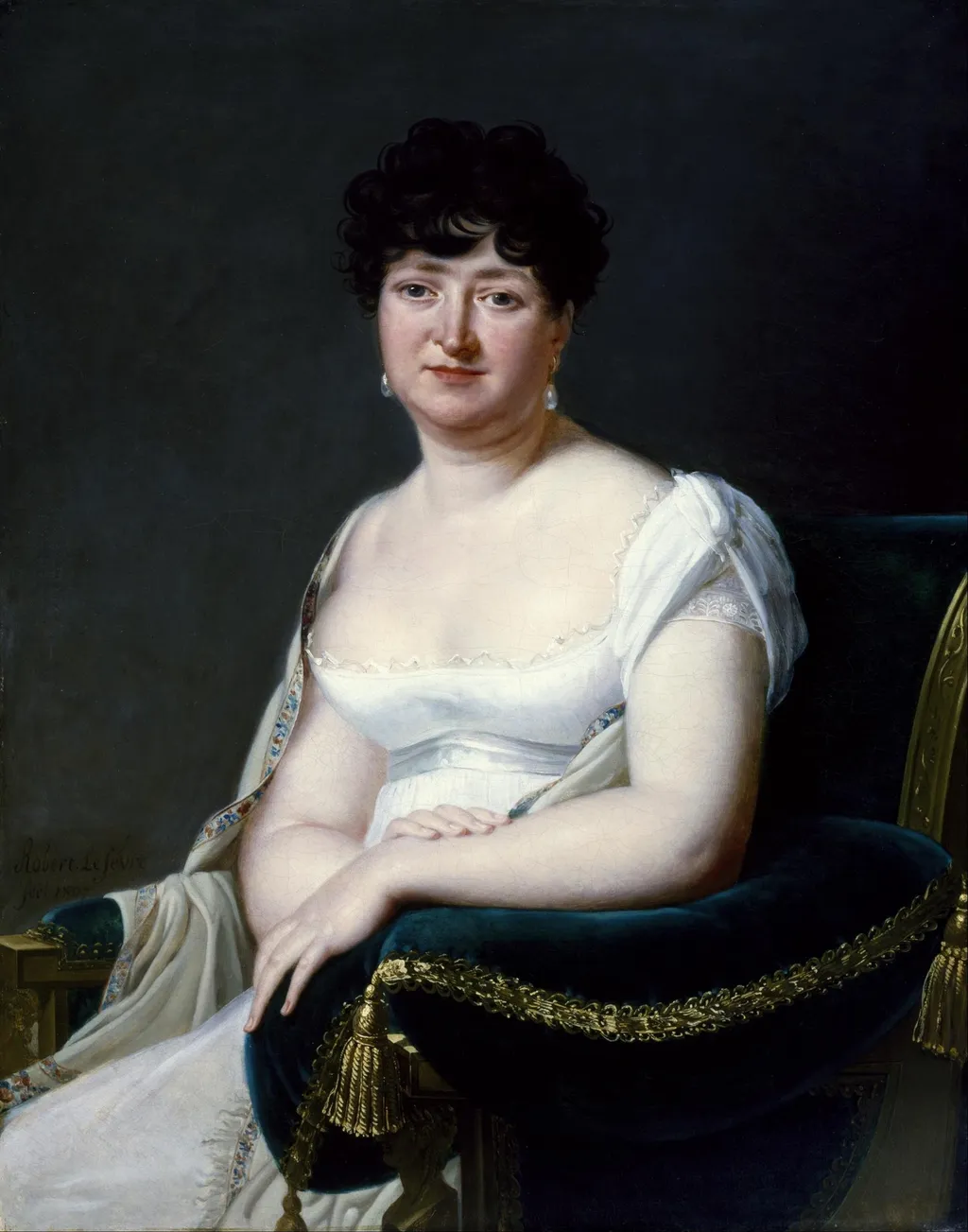
Portrait of a Woman is an oil painting by Robert Lefèvre. It dates from 1807 and is held in the collection of the Museum of Fine Arts, Houston.
About this work
Overview
Painted in 1807, this oil portrait by French artist Robert Lefèvre captures an unidentified woman in a composed, seated pose. Executed with careful attention to detail, the work reflects Lefèvre’s focus on portraiture during the early Napoleonic era. It resides in the collection of the Museum of Fine Arts, Houston, as part of its 19th-century European holdings.
Subject & Meaning
The sitter, dressed in a white gown with lace detailing and a draped blue shawl, conveys quiet dignity. Her updo hairstyle and dangling earrings signal adherence to contemporary ideals of feminine refinement. The absence of symbolic objects or narrative context shifts focus entirely to her presence, suggesting a personal, intimate portrayal rather than a statement of status or role.
Technique & Style
Lefèvre employed oil paint to render subtle shifts in light across fabric and skin, achieving a lifelike texture without overt theatricality. The dark background isolates the figure, enhancing the clarity of form. His approach, influenced by Neoclassical principles, emphasizes clarity of line and restrained emotion, aligning with the aesthetic values of his mentor, Jacques-Louis David.
History & Provenance
The painting was completed during Lefèvre’s peak years as a portraitist in post-Revolutionary France. While its early ownership is undocumented, it entered the Museum of Fine Arts, Houston’s collection through established acquisition channels, likely in the 20th century. Its preservation reflects ongoing interest in French portraiture beyond major historical figures.
Context
Created in the aftermath of the French Revolution, this portrait reflects a cultural shift toward private, individualized representation. Unlike grand historical or royal commissions, it presents a private citizen with understated elegance, mirroring the rising prominence of the bourgeoisie in French society during the Consulate and early Empire periods.
Legacy
Lefèvre’s work, including this portrait, contributes to the understanding of early 19th-century French portraiture as a bridge between Enlightenment ideals and Romantic individualism. Though less celebrated than his contemporaries, his careful technique and restrained compositions offer insight into the evolving visual language of personal identity in the era.
Own this work as a print
Artist & collection
Artist
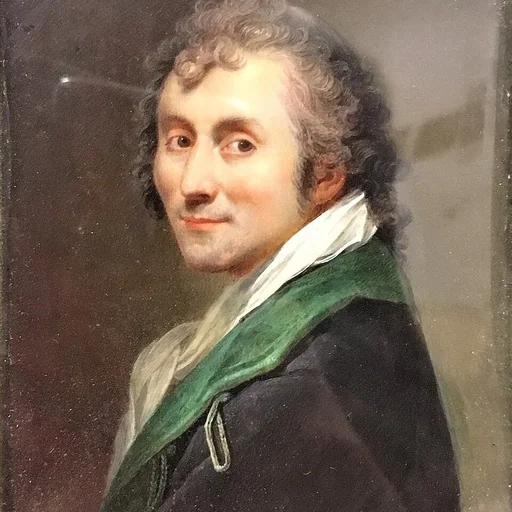
Robert Jacques François Faust Lefèvre (French pronunciation: , 24 September 1755, in Bayeux – 3 October 1830, in Paris) was a French painter of portraits, history paintings and religious paintings.

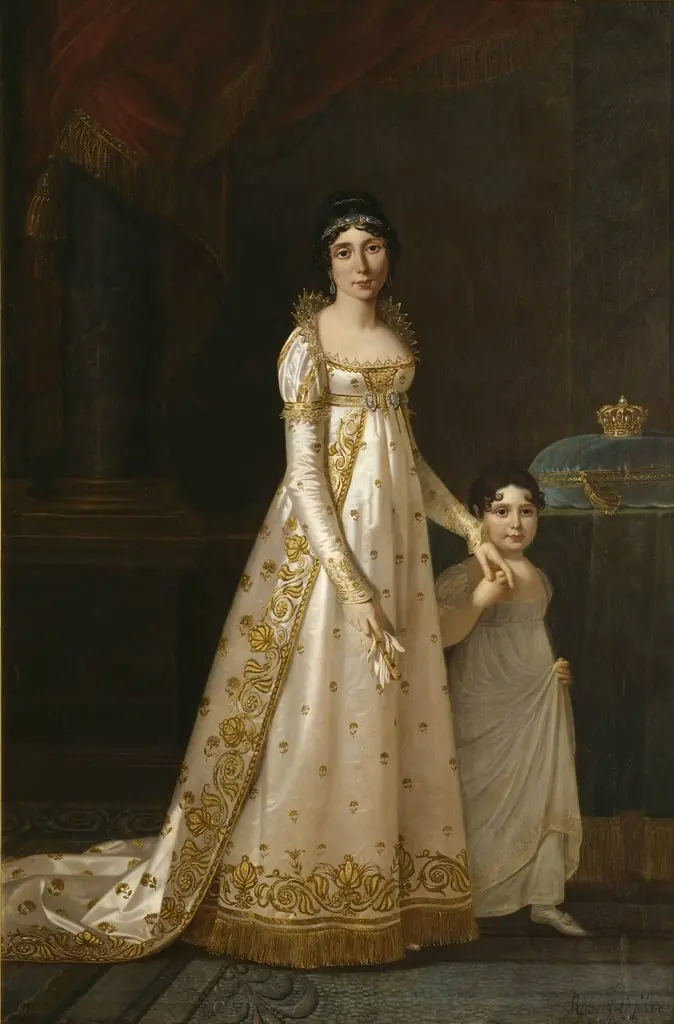 Marie-Julie Clary, Queen of Naples (1777-1845)
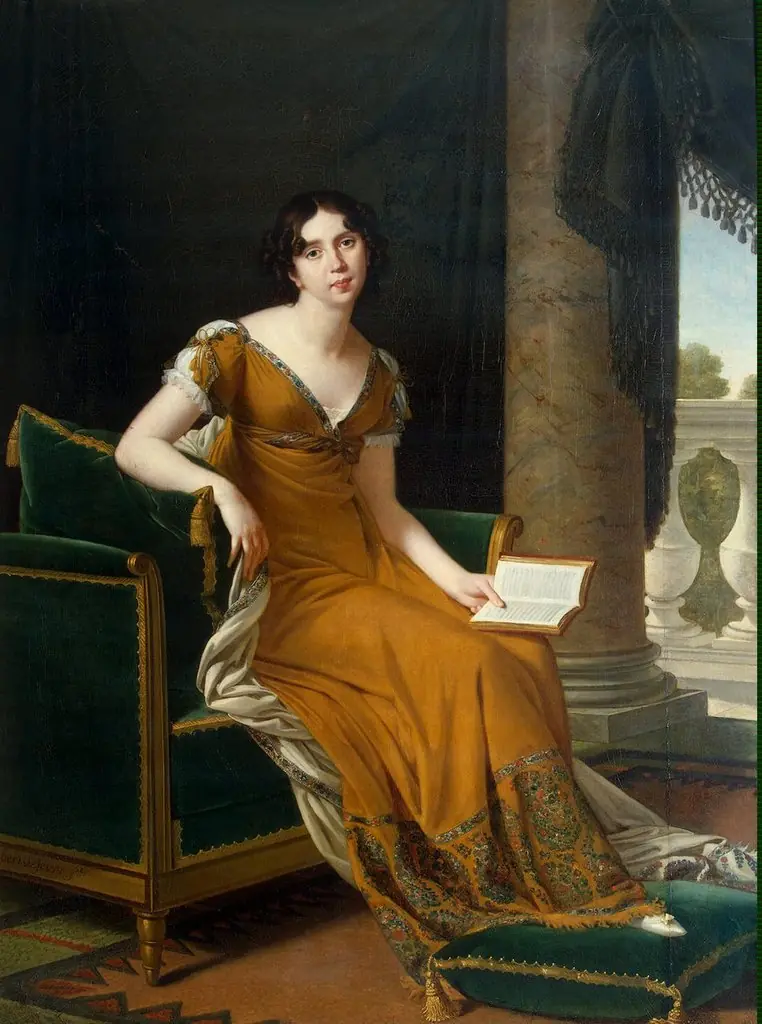 Portrait of Elisabeth Demidova
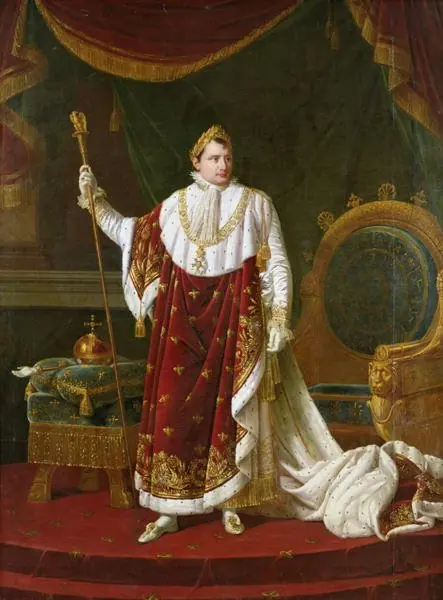 Napoleon I, Emperor of the French
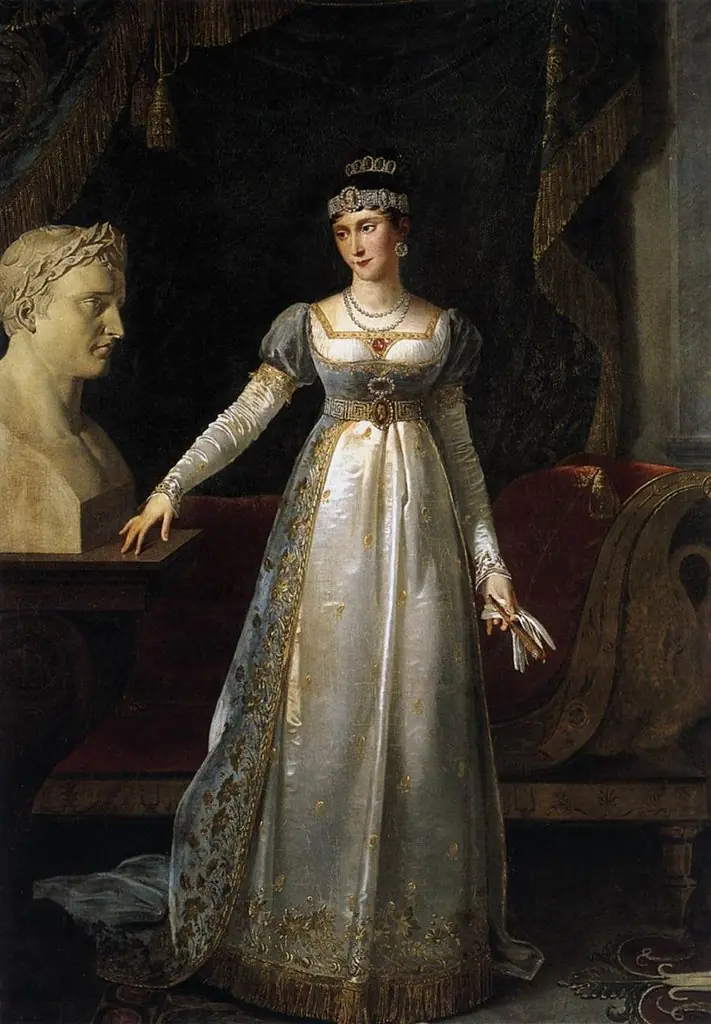 Pauline Bonaparte, Duchess of Guastalla, Princess Borghese
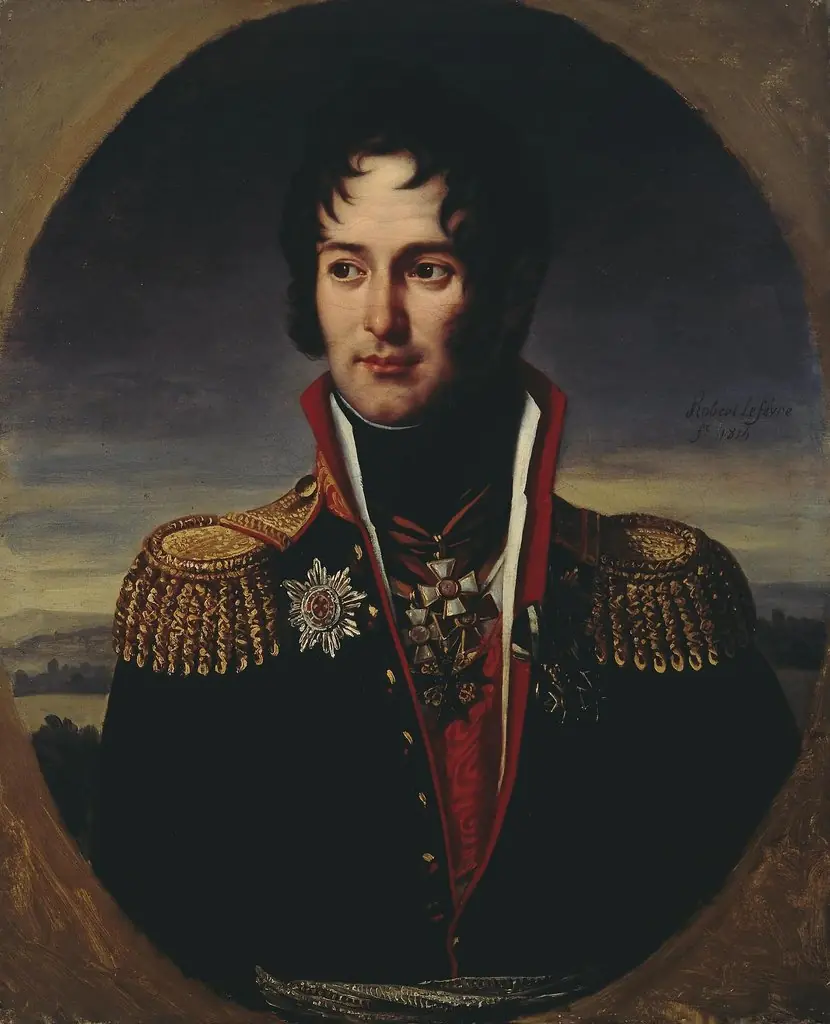 Portrait of General Piotr Chicherin
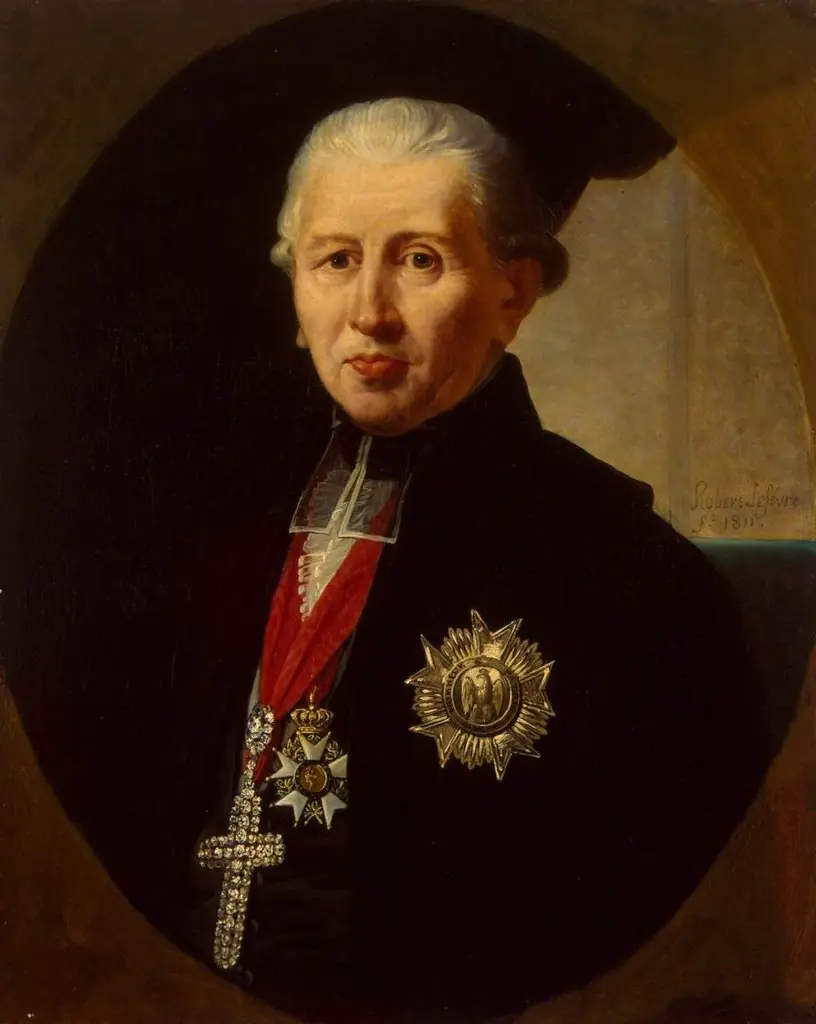 Portrait of Karl Theodor von Dalberg
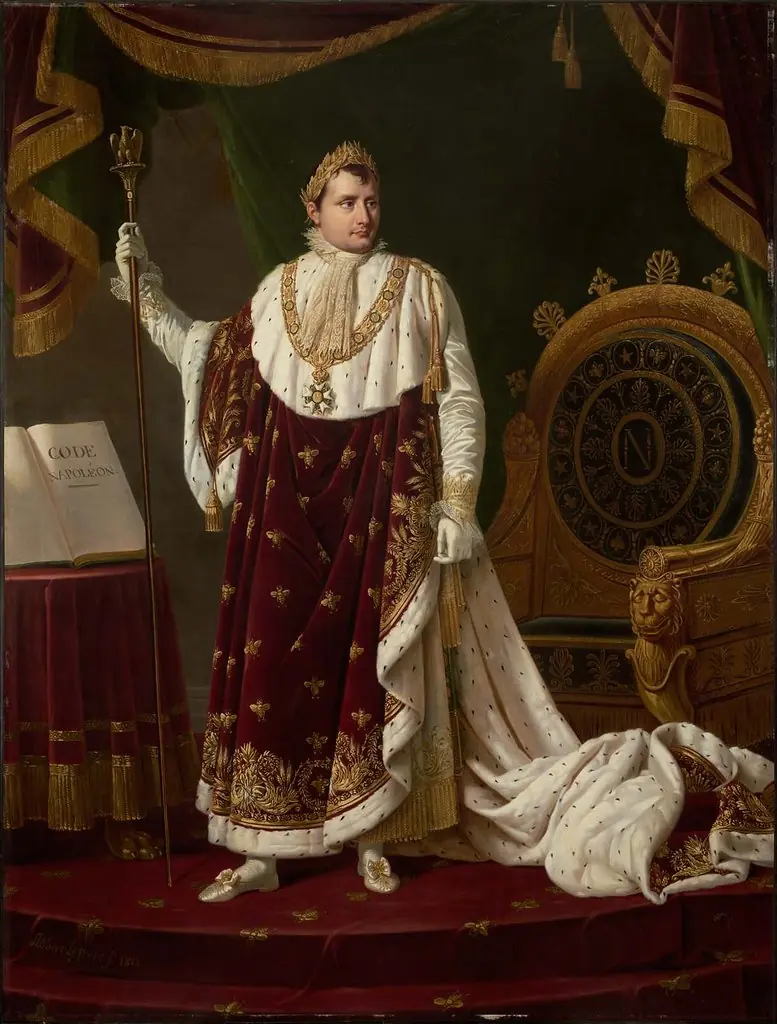 Portrait of Napoleon I in His Coronation Robes
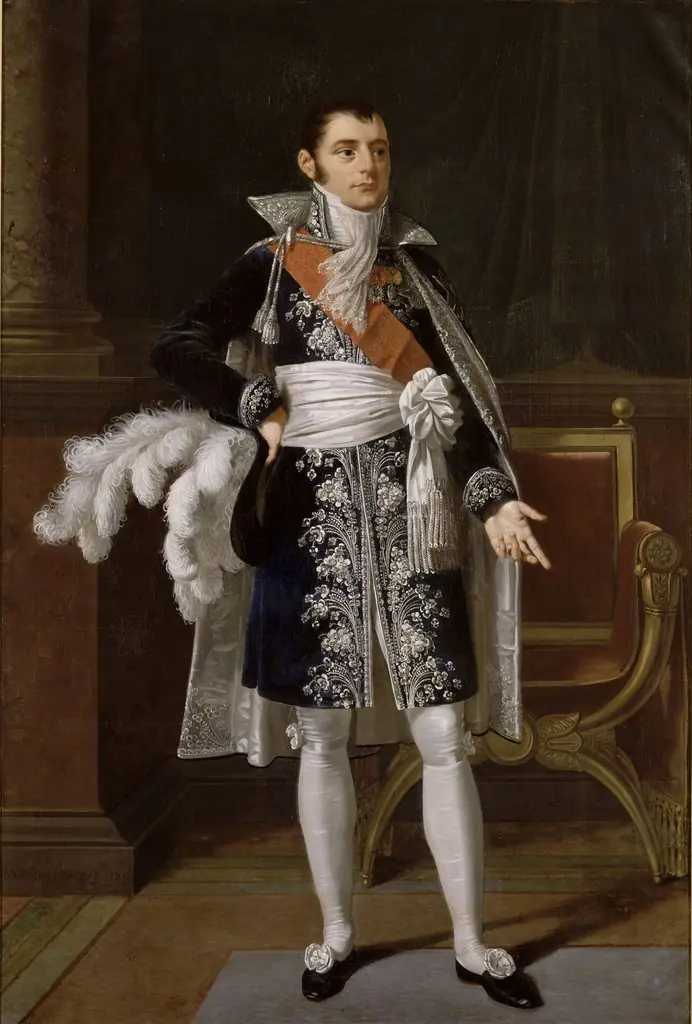 Portrait of Anne-Jean-Marie-René Savary, Duke of Rovigo (1774-1833)
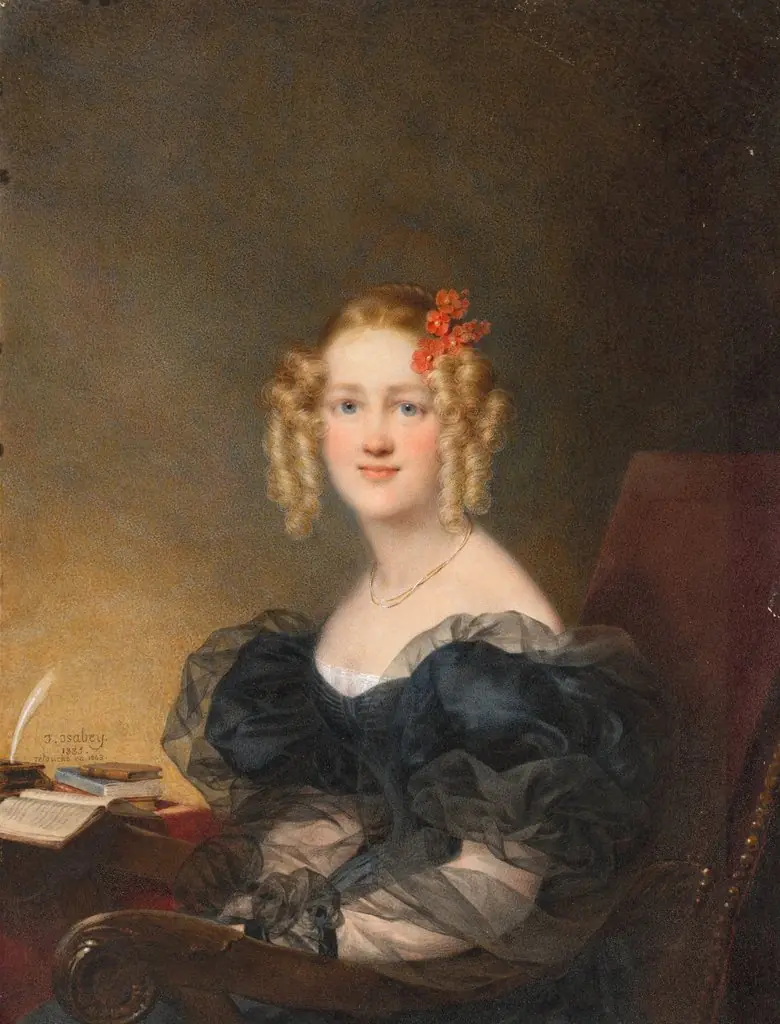 Portrait of a Woman
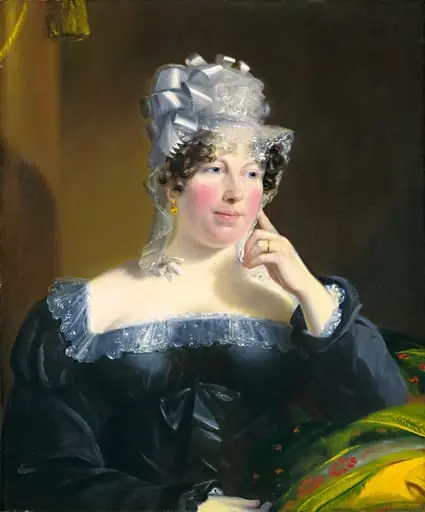 Portrait of a Lady
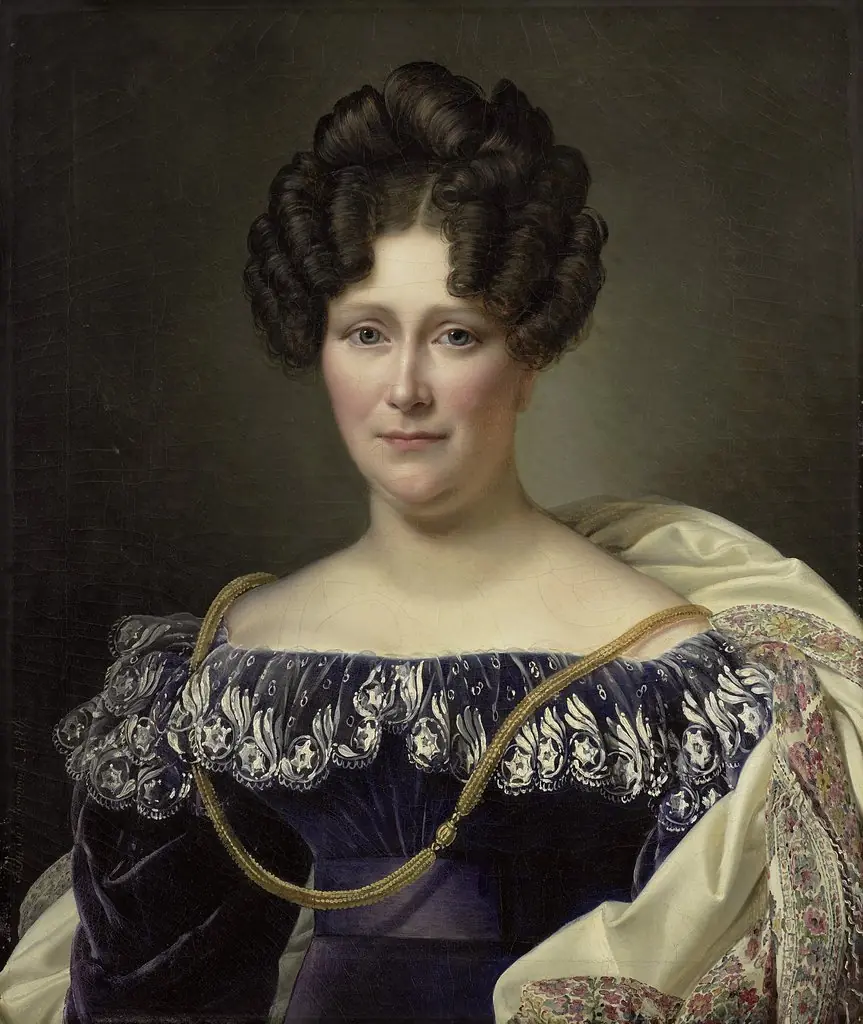 Portrait of Johanna Henriette Engelen, second Wife of Daniel Francis Schas
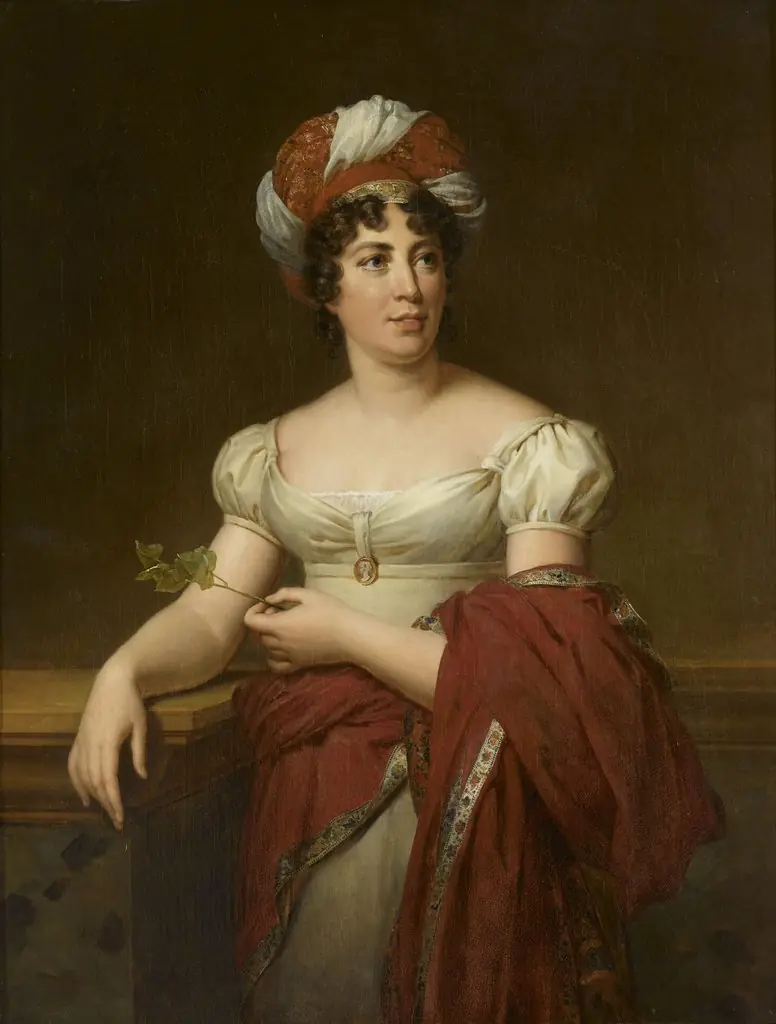 Portrait of Mme de Staël
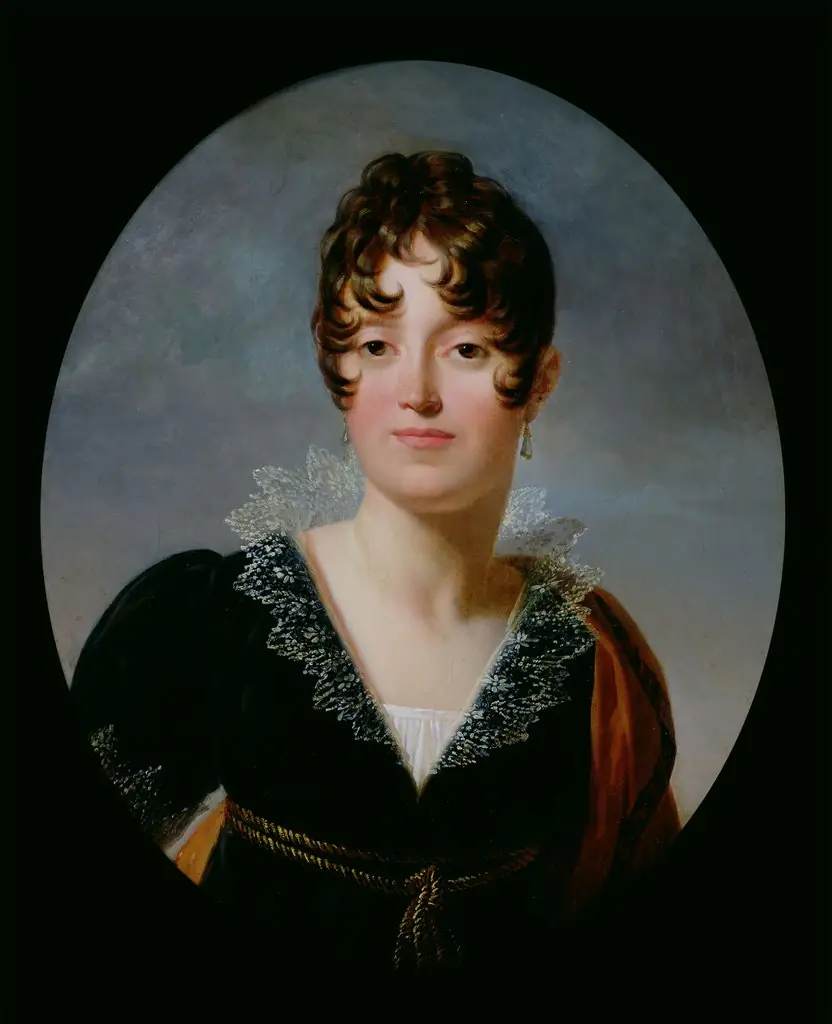 Désirée Clary
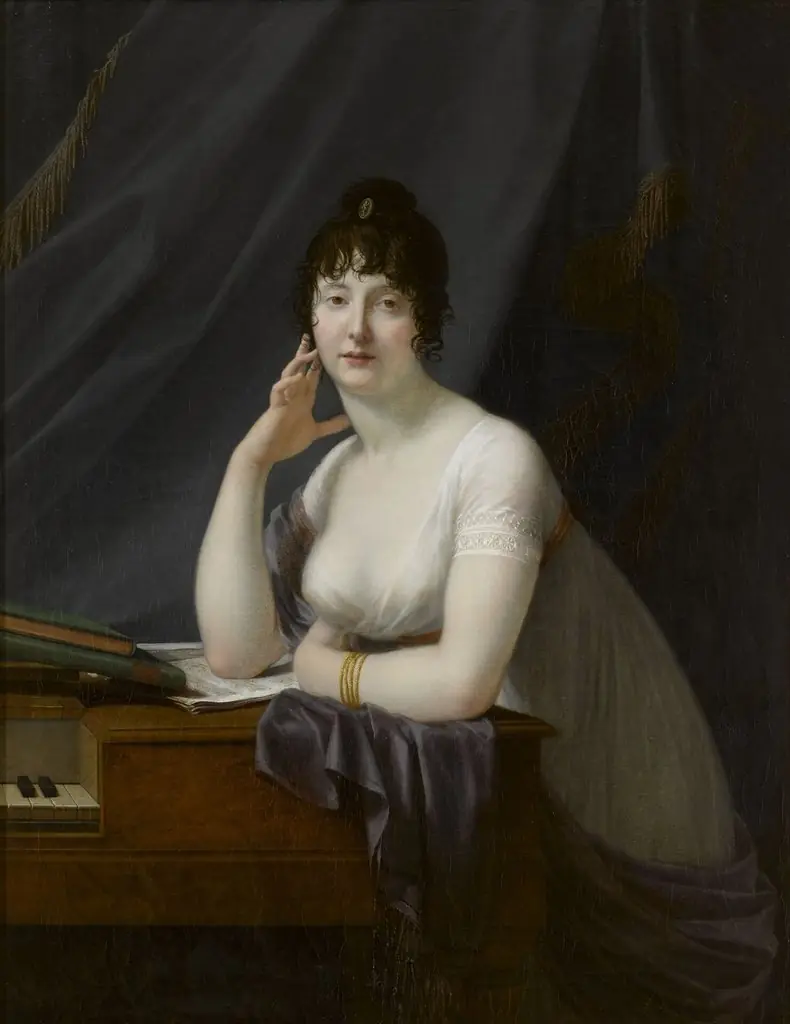 Madame Antoine Arnault
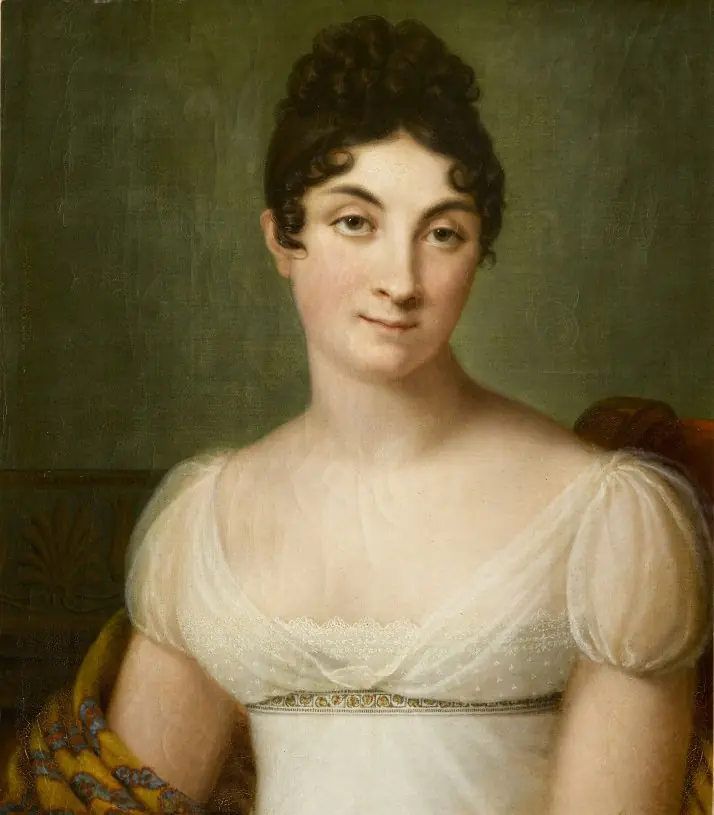 Portrait de Claire Élisabeth de Vergennes, Comtesse de Rémusat
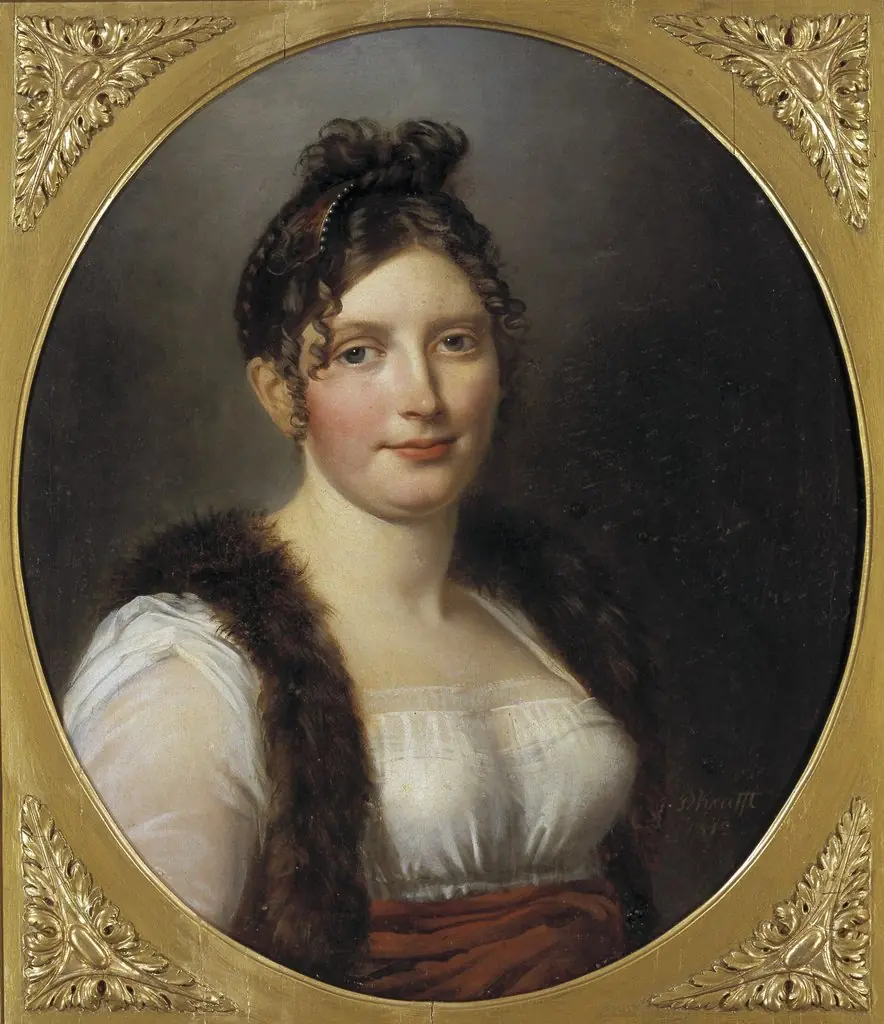 Catharina Charlotta Bågh (1777-1816), gift med friherre Pehr Erik Skjöldebrand
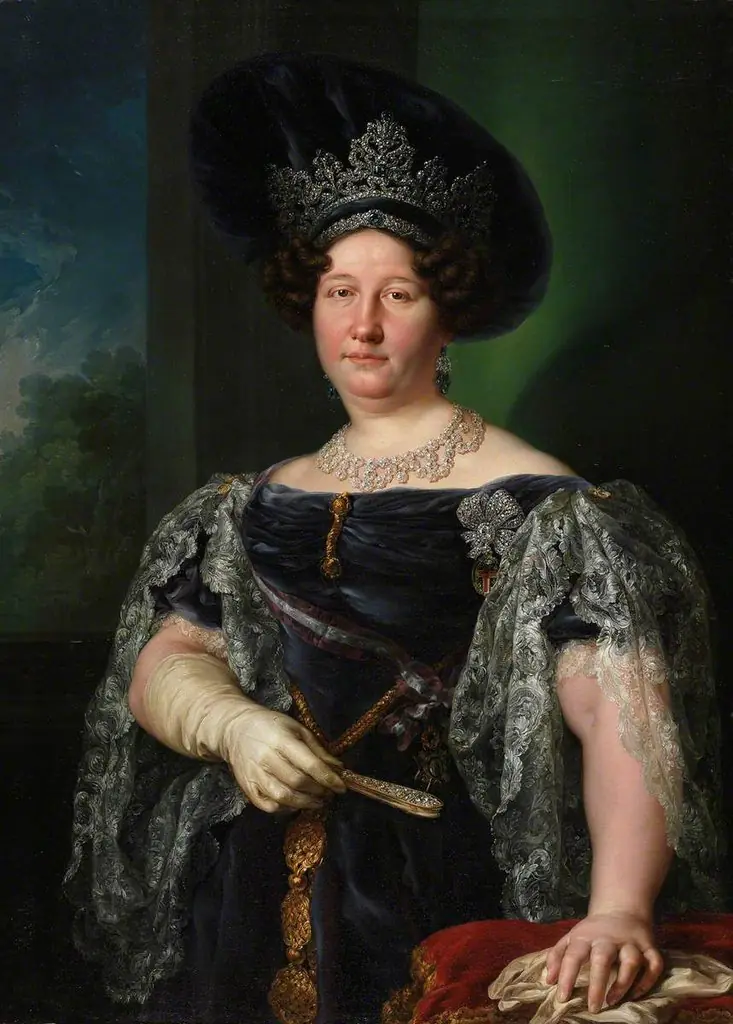 Maria Isabel du Boubón, Queen of the Two Sicilies
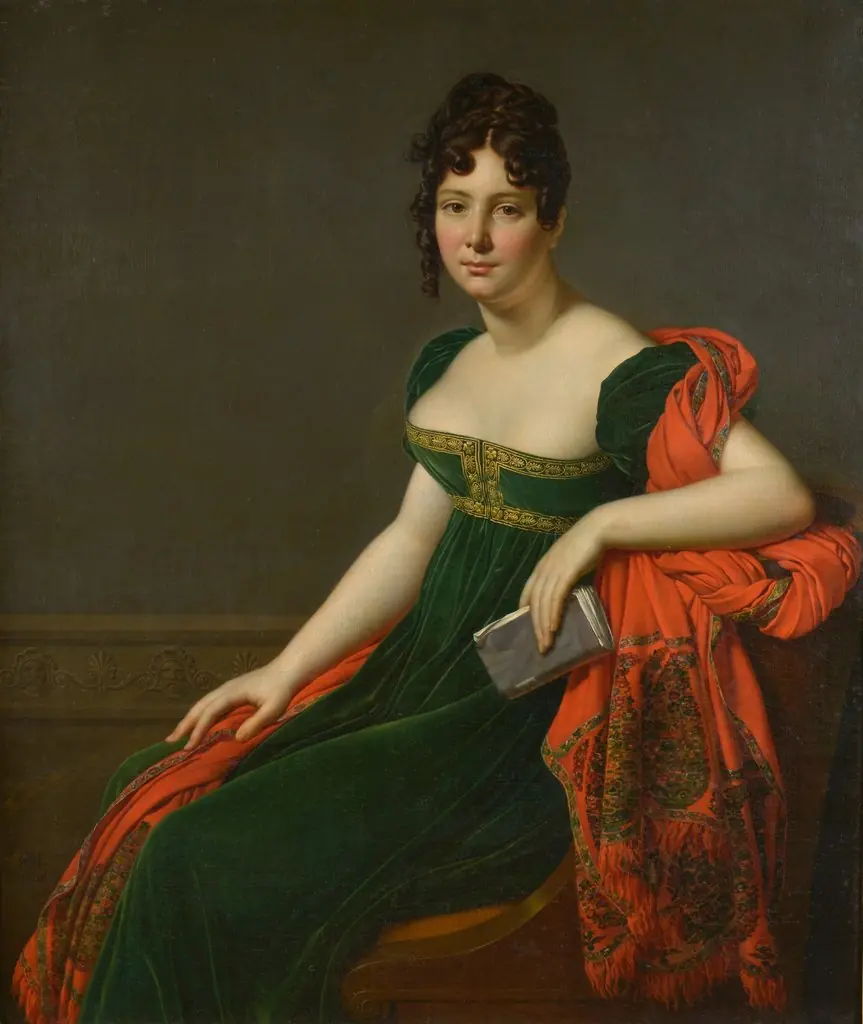 Portrait of Madame Augustine Bertin de Veaux
 Maria Gansevoort Melvill (Mrs. Allan Melvill)
 Portrait of Konstanzia Nákó