Artwork
Portrait of a Young Nobleman
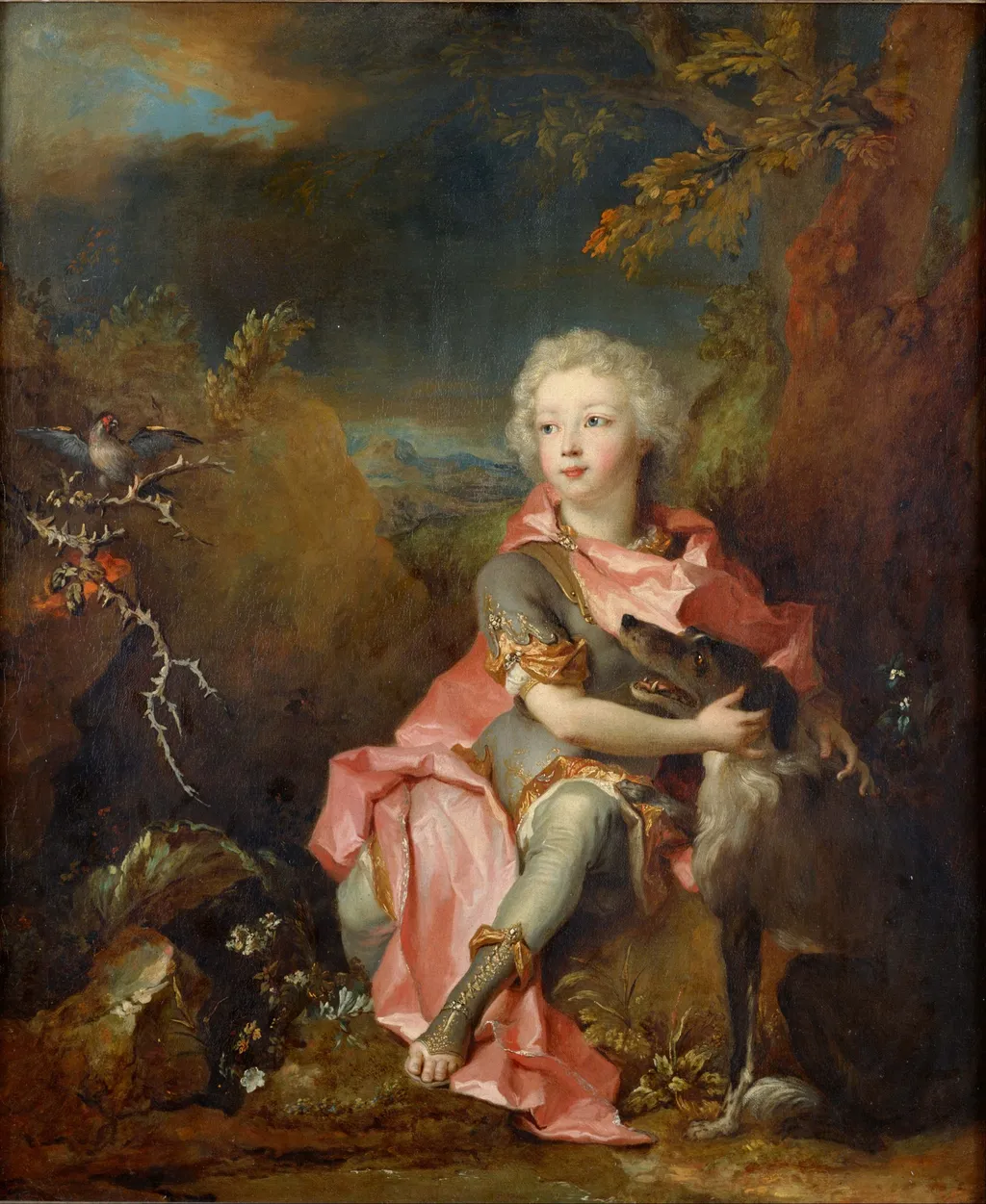
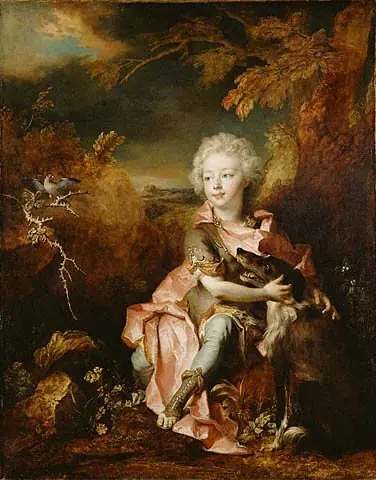
Portrait of a Young Nobleman is an oil painting by the Rococo painting artist Nicolas de Largillière. It dates from 1714 and is held in the collection of the National Museum of Western Art.
About this work
If you're interested in learning more about this style of painting, you might want to look up the artist, Nicolas de Largillière.
This painting shows a young boy with curly white hair, wearing a pink cape and a gray tunic with gold trim. He sits on the ground, holding a dog in his lap, with a bird perched on a branch to his left. The background is a landscape with trees and hills.
The boy's outfit and the style of the painting suggest a formal portrait from the early 18th century. The artist's use of color and composition creates a sense of elegance and refinement.
If you're interested in learning more about this style of painting, you might want to look up the artist, Nicolas de Largillière.
Overview
Painted in 1714 by Nicolas de Largillière, this oil portrait captures a young nobleboy in a relaxed yet formal pose. The work reflects the transitional style of early 18th-century French portraiture, blending aristocratic convention with a gentle naturalism. It is part of the National Museum of Western Art’s collection, where it stands as an example of Largillière’s skill in rendering both texture and social nuance through refined brushwork.
Subject & Meaning
The subject is a boy of noble lineage, depicted with a dog in his lap and a bird perched nearby—symbols of companionship and domesticated nature. His attire, though ornate, suggests childhood rather than adult status, indicating a portrait meant to convey lineage and refinement rather than authority. The setting, neither fully indoor nor outdoor, softens the formality, hinting at private, intimate moments within aristocratic life.
Technique & Style
Largillière employed delicate brushwork to render the boy’s white curls, the plush texture of his pink cape, and the metallic sheen of his tunic’s gold trim. The palette is restrained yet luminous, with soft pinks and grays harmonizing against the muted landscape. Compositionally, the boy’s seated posture and the diagonal placement of the dog and bird create a quiet rhythm, characteristic of Rococo’s emphasis on grace over grandeur.
History & Provenance
Commissioned during Largillière’s mature period, the portrait likely originated in a French aristocratic household. It entered the National Museum of Western Art’s collection through documented acquisitions in the 20th century, though its earlier ownership remains unrecorded in public archives. Its preservation reflects its status as a representative work of early 18th-century French portraiture, valued for its craftsmanship rather than its historical notoriety.
Context
Created during the reign of Louis XIV’s later years, the portrait reflects the enduring influence of courtly aesthetics even as Rococo sensibilities began to emerge. Unlike formal state portraits, this image prioritizes tenderness and domesticity, aligning with a broader shift toward intimate portrayals of youth and family among the nobility. Largillière’s role as director of the Académie later in life underscores his institutional authority in shaping these conventions.
Legacy
Though not among Largillière’s most widely recognized works, this portrait exemplifies his ability to merge elegance with psychological subtlety. It influenced later French portraitists who sought to balance aristocratic dignity with personal warmth. Today, it remains a quiet testament to the evolving representation of childhood and nobility in early modern European art.
Own this work as a print
Artist & collection
Artist
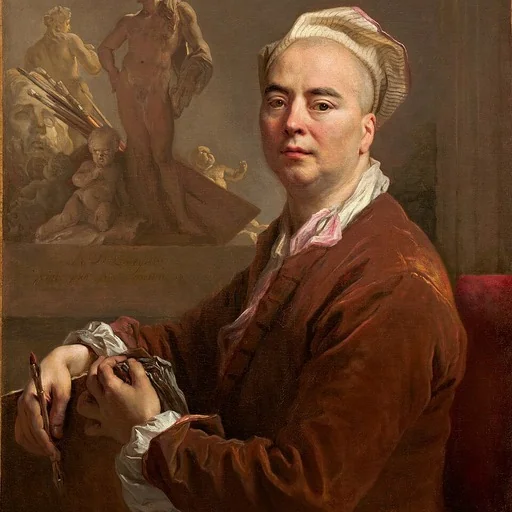
Nicolas de Largillière (French: ; baptised 10 October 1656 – 20 March 1746) was a French painter and draughtsman. From 1733 until 1735, he was director of the Académie de Peinture et de Sculpture.

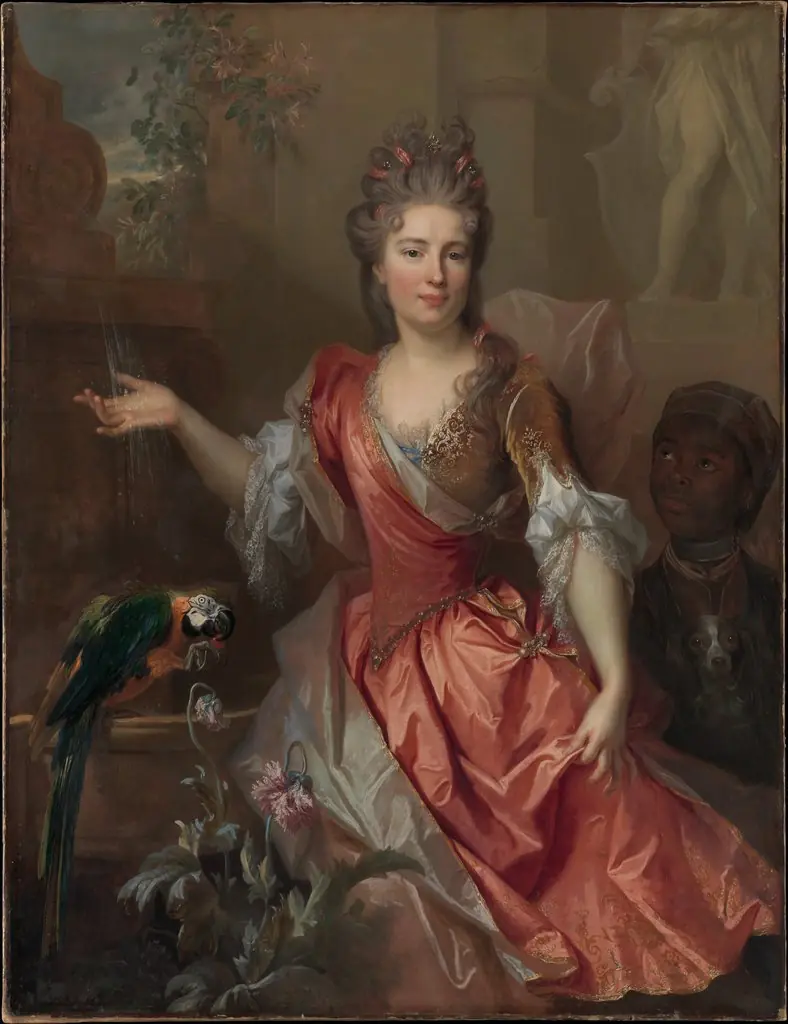 Portrait of a Woman, Possibly Madame Claude Lambert de Thorigny (Marie Marguerite Bontemps, 1668–1701)
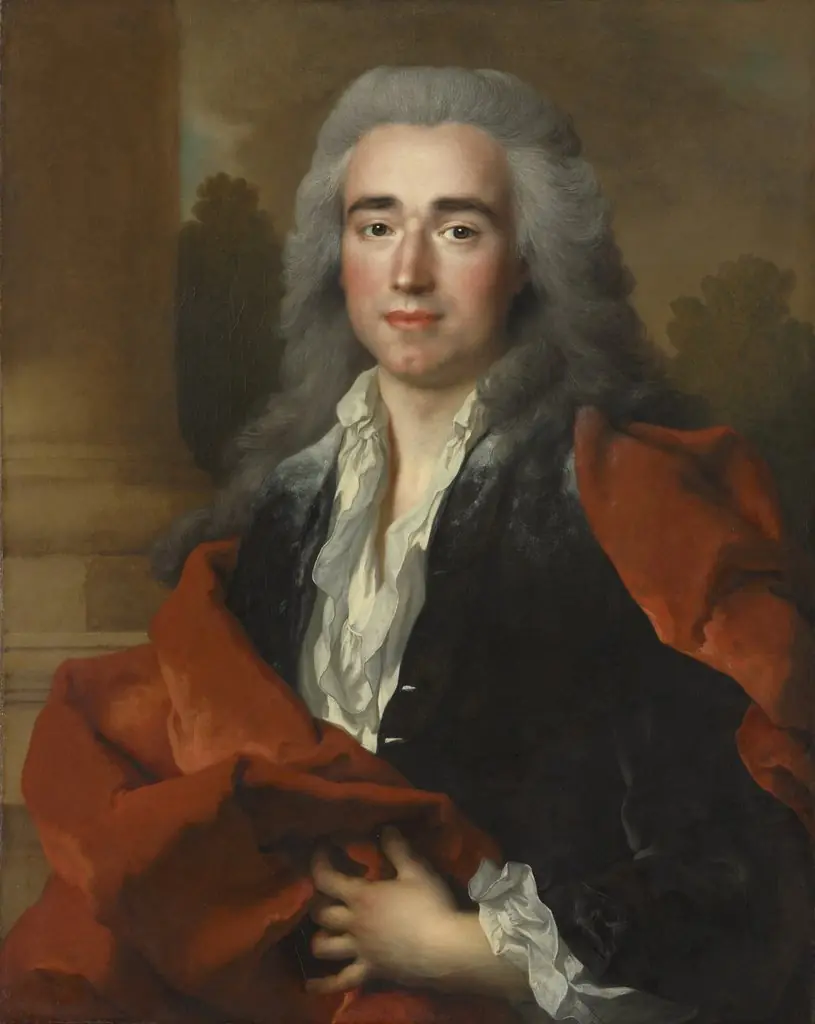 Portrait of Anne Louis Goislard de Montsabert, Comte de Richbourg-le-Toureil
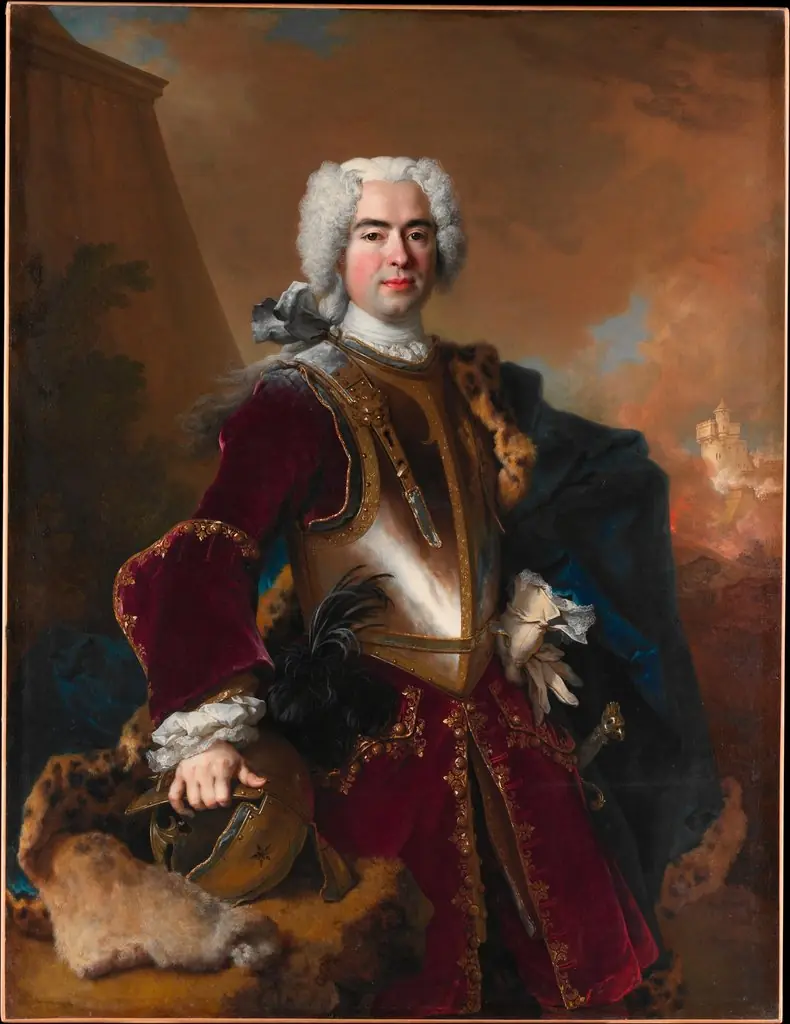 André François Alloys de Theys d'Herculais (1692–1779)
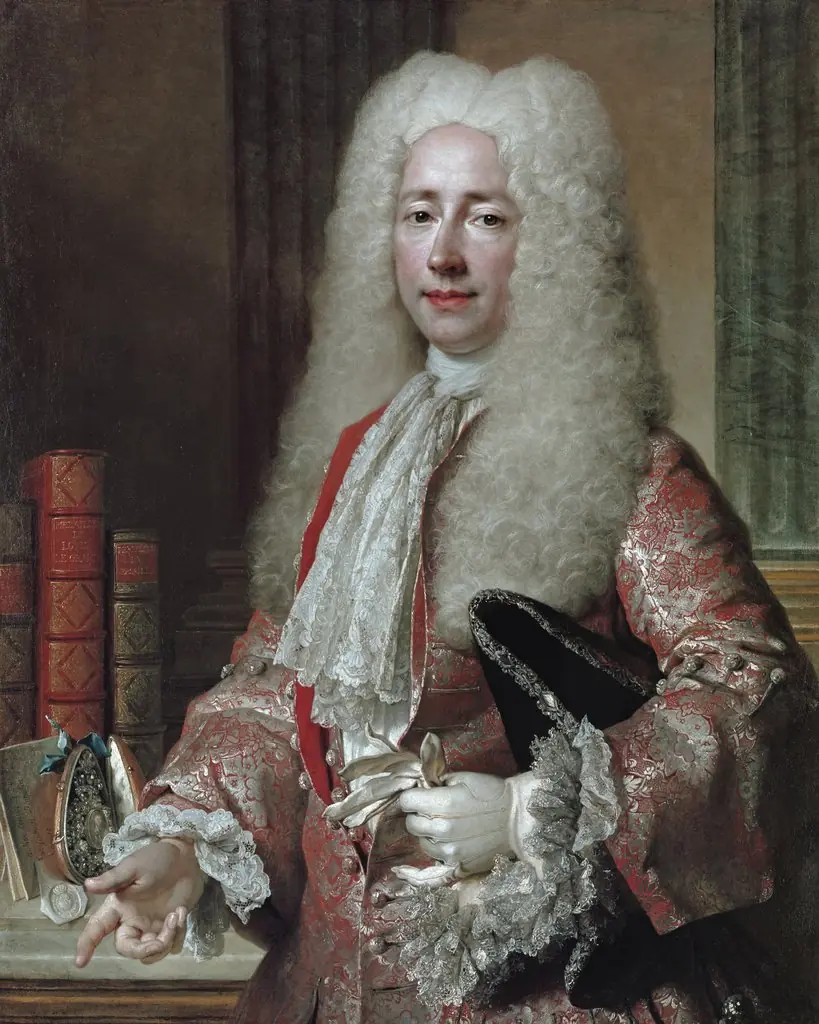 Portrait de Conrad Detlef, comte de Dehn
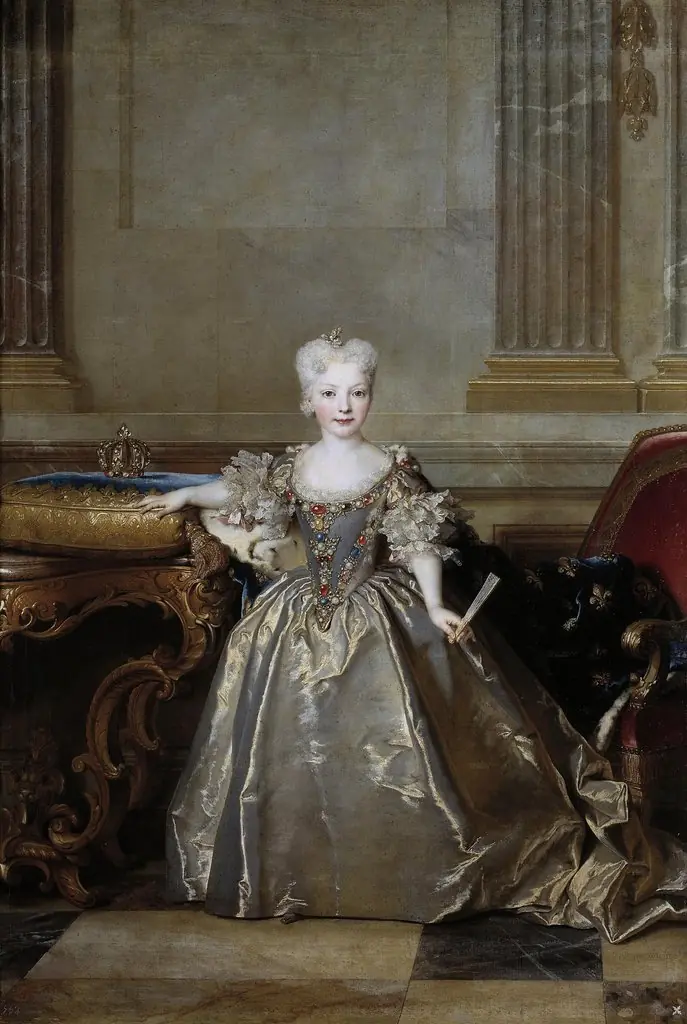 María Ana Victoria de Borbón y Farnesio
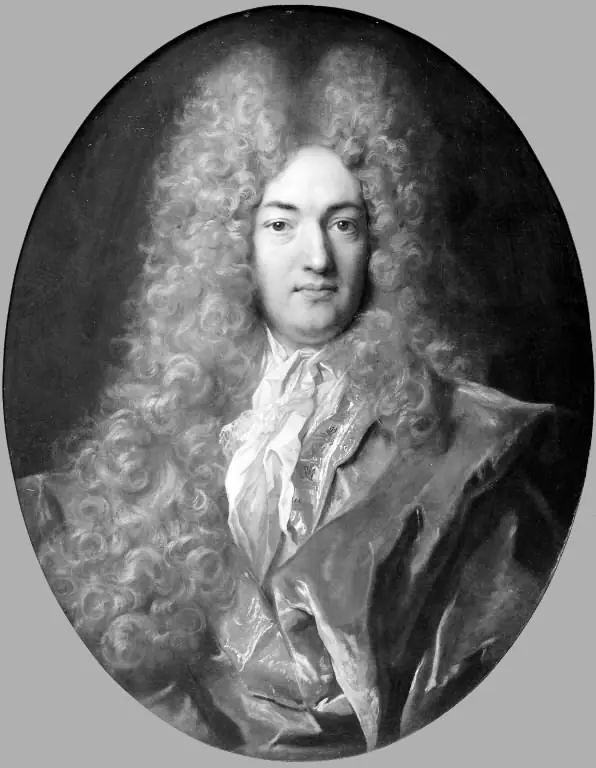 Portrait of a Man
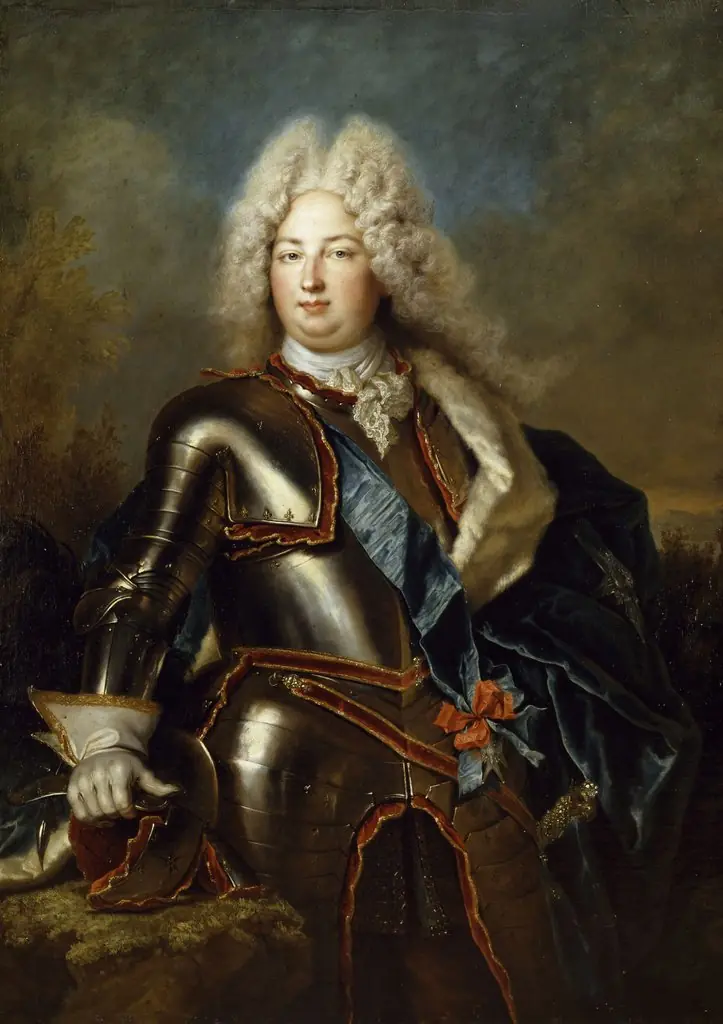 Charles of France, Duke of Berry
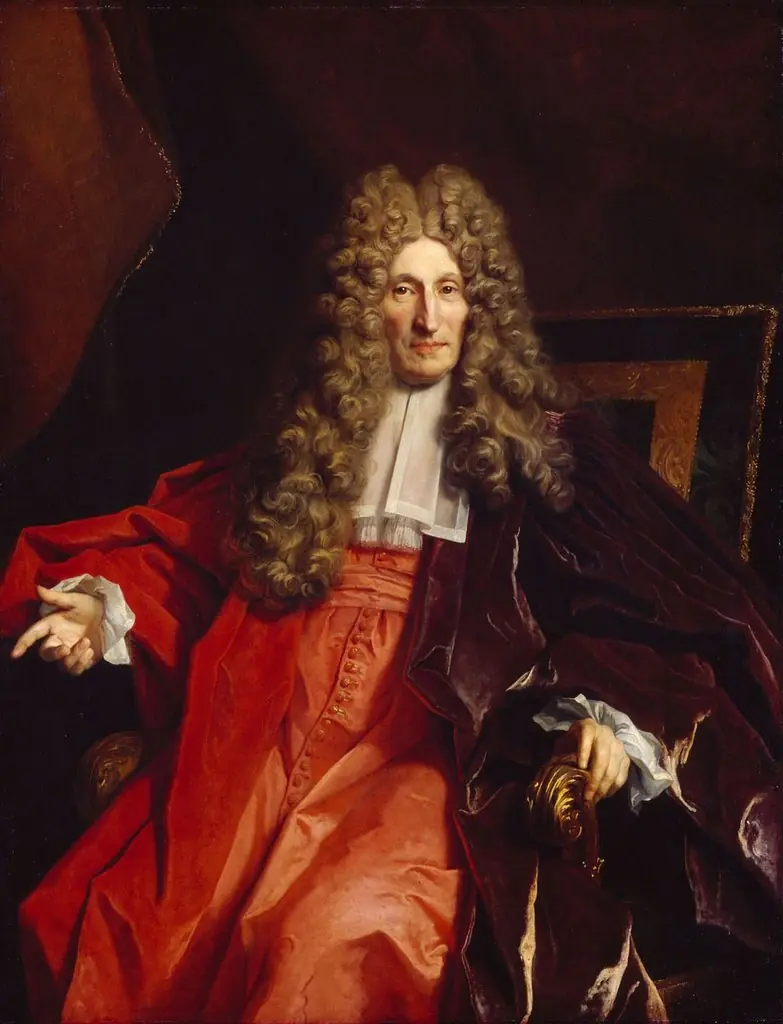 Charles Boucher, Herr von Orsay
 Portrait of a Boy in Fancy Dress
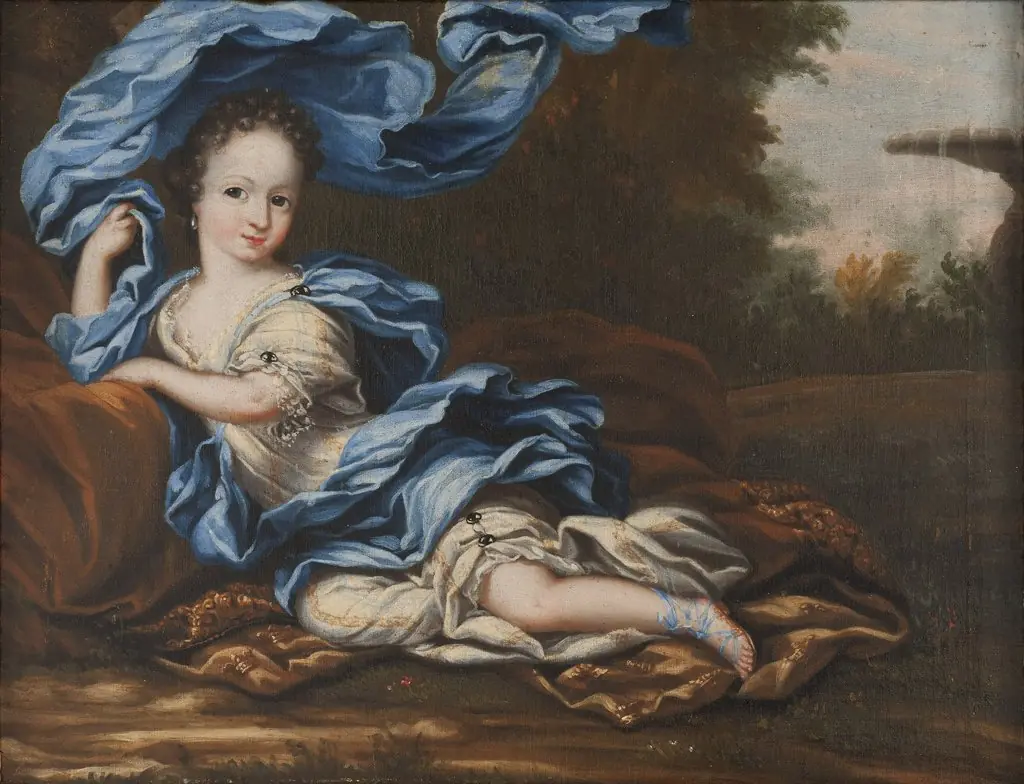 Hedvig Sophia of Sweden (1681–1708), Swedish princess and a Duchess Consort of Holstein-Gottorp, Spouse Frederick IV, Duke of Holstein-Gottorp
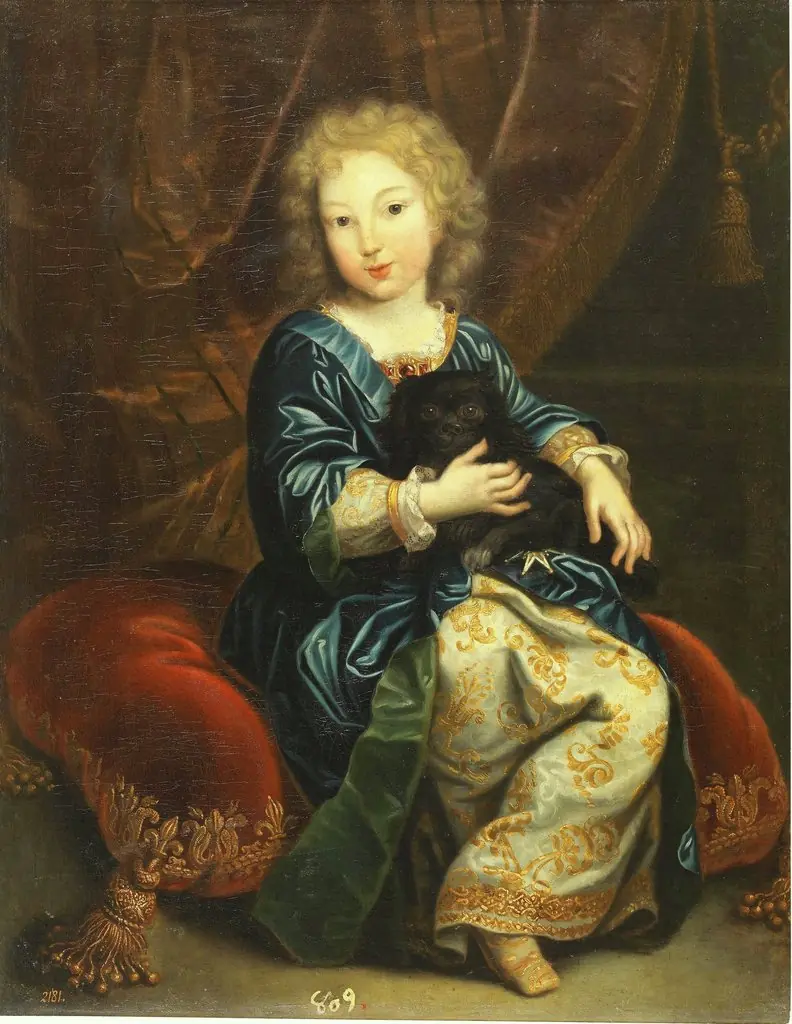 Felipe de Borbón duque de Anjou y futuro Felipe V de España niño
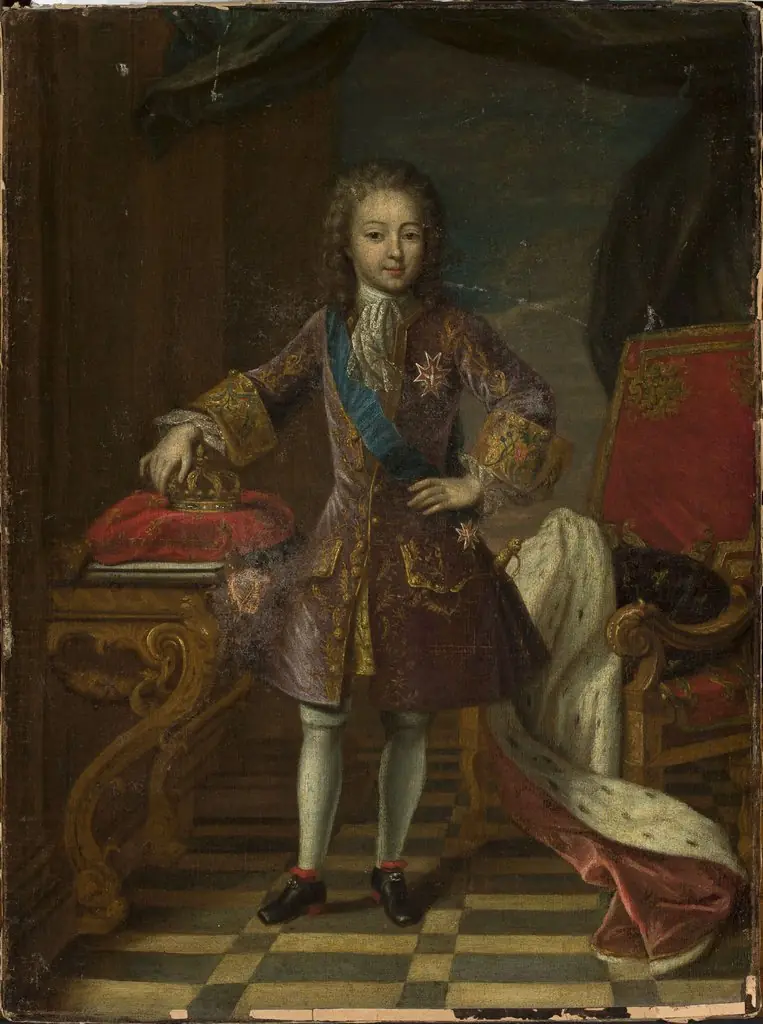 Portrait of Louis XV at the age of 10
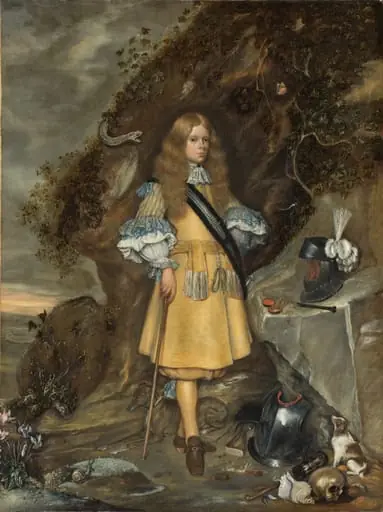 Memorial Portrait of Moses ter Borch
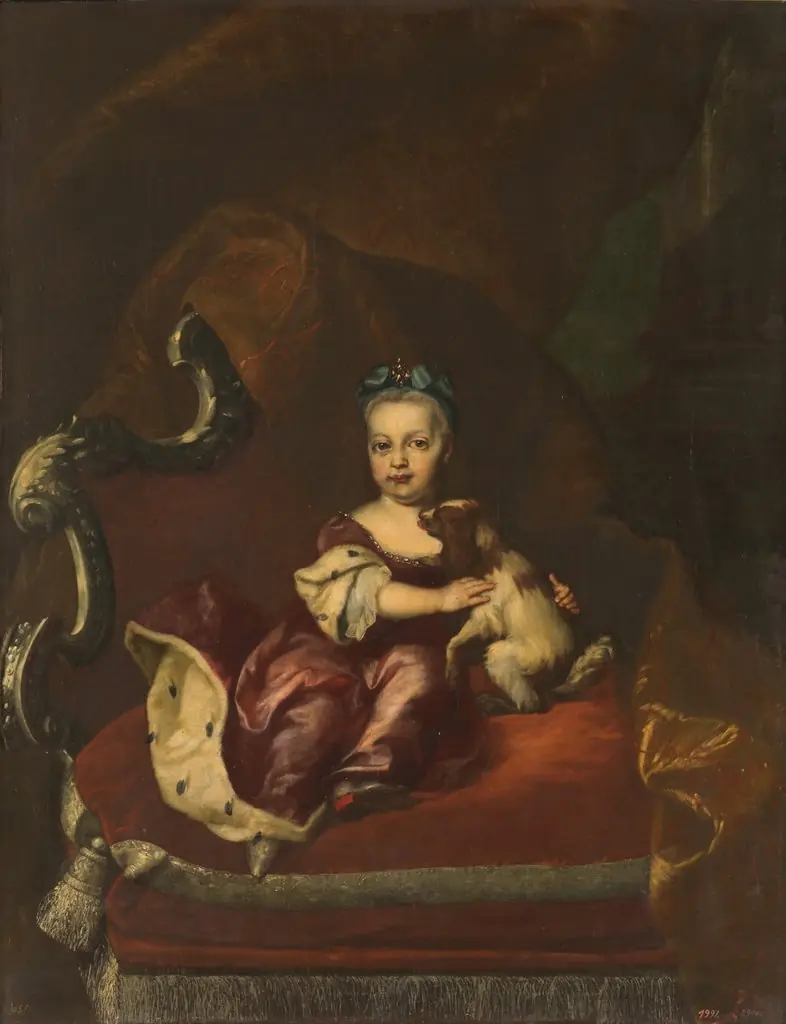 María Amalia de Habsburgo archiduquesa de Austria
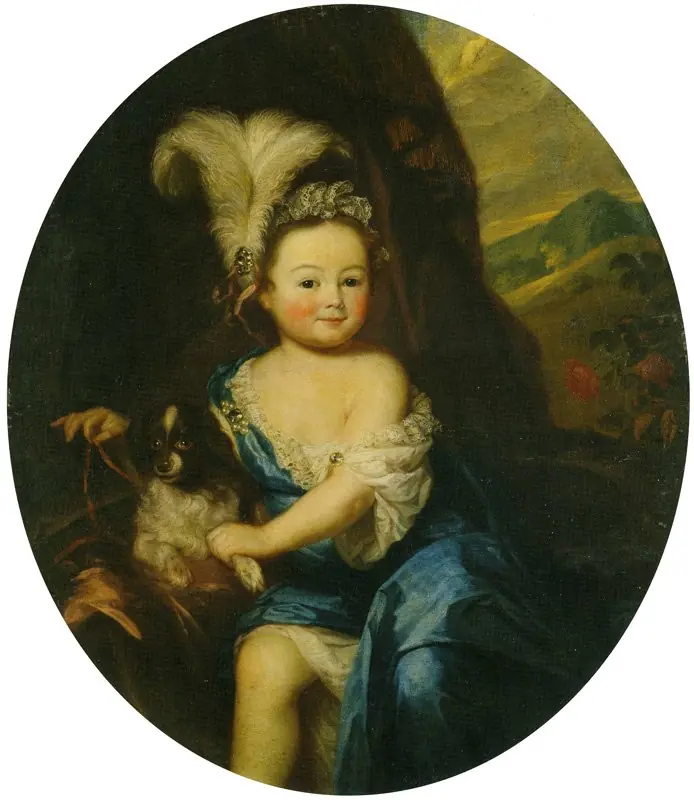 Portrait of Countess Natalya Andreevna Matveeva as a Child
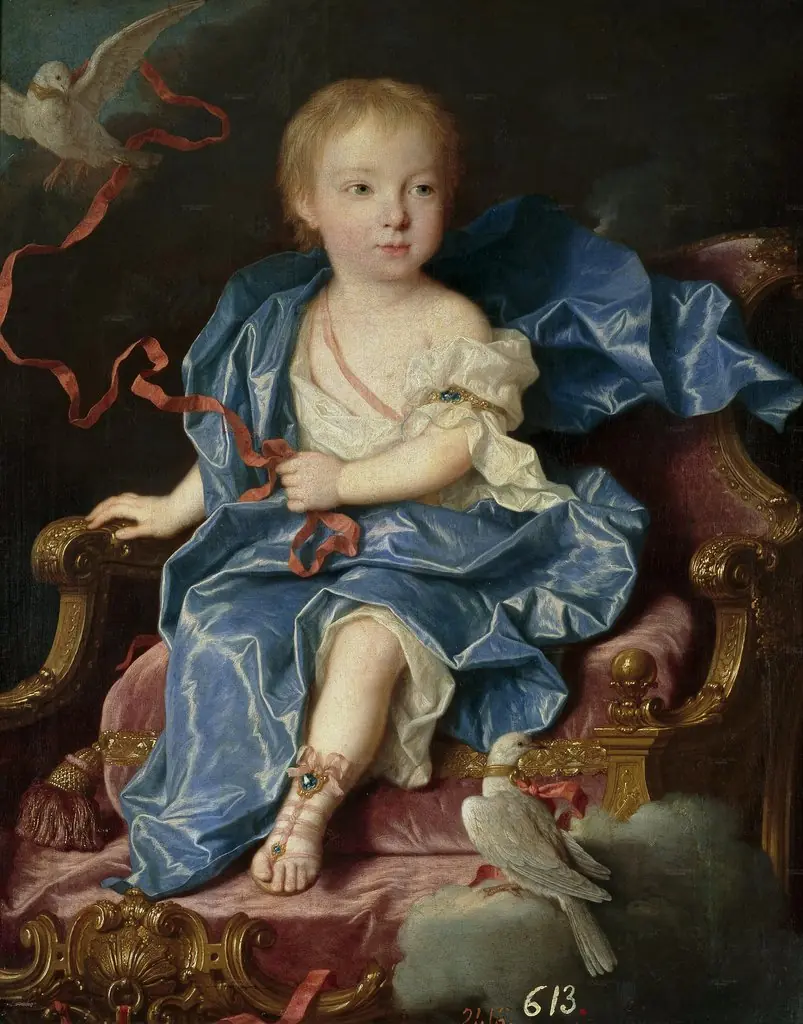 Maria Antonia of Spain
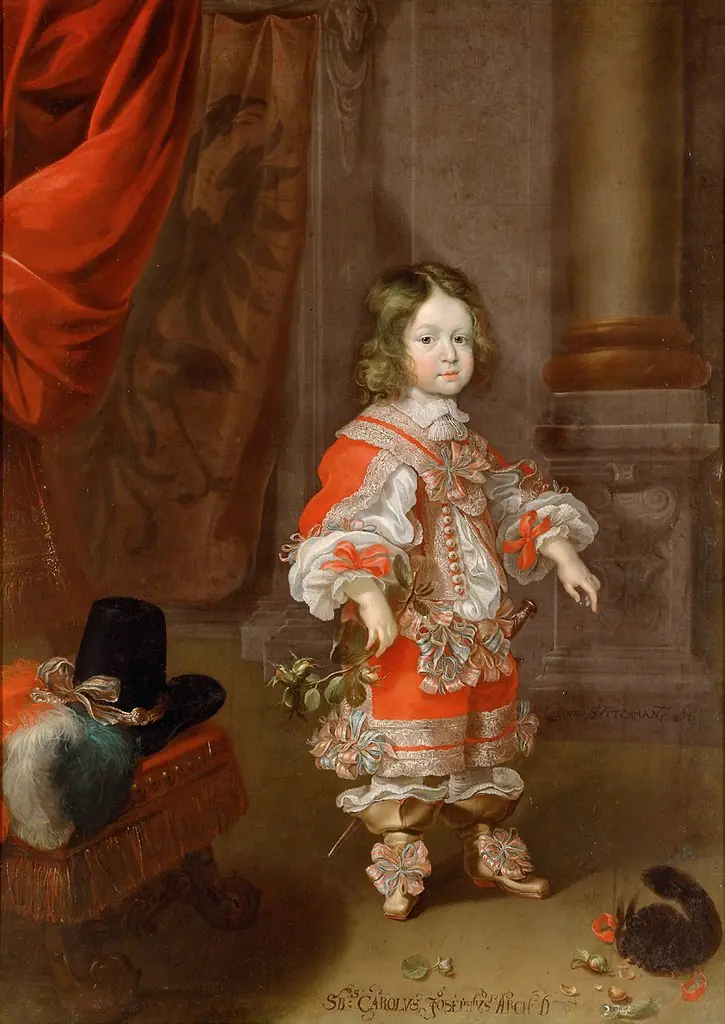 Erzherzog Karl Joseph (1649-1664) mit Eichhörnchen, im Alter von vier bis fünf Jahren
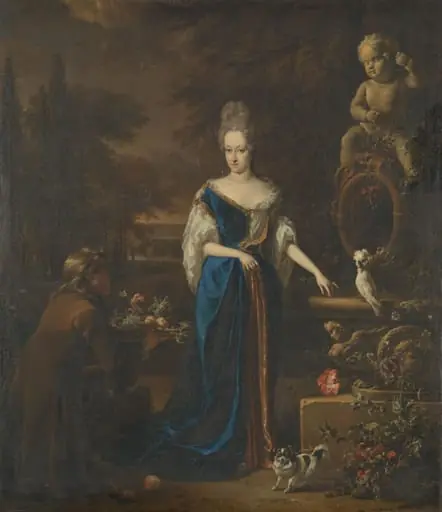 Portrait of Maria Cornelisz, Wife of Silvester van Tongeren
 Kinderbildnis des Erbprinzen Viktor Amadeus II. von Savoyen
 Erzherzogin Maria Anna (1718-1744), Tochter von Karl VI. im Alter von neun Jahren, Kniestück