Artwork
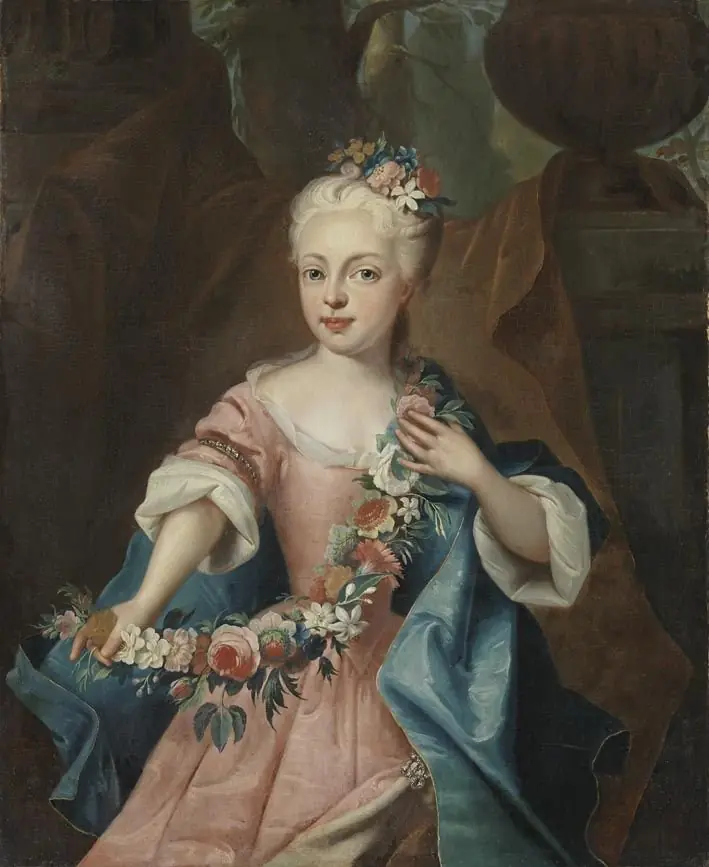
Erzherzogin Maria Anna (1718-1744), Tochter von Karl VI. im Alter von neun Jahren, Kniestück
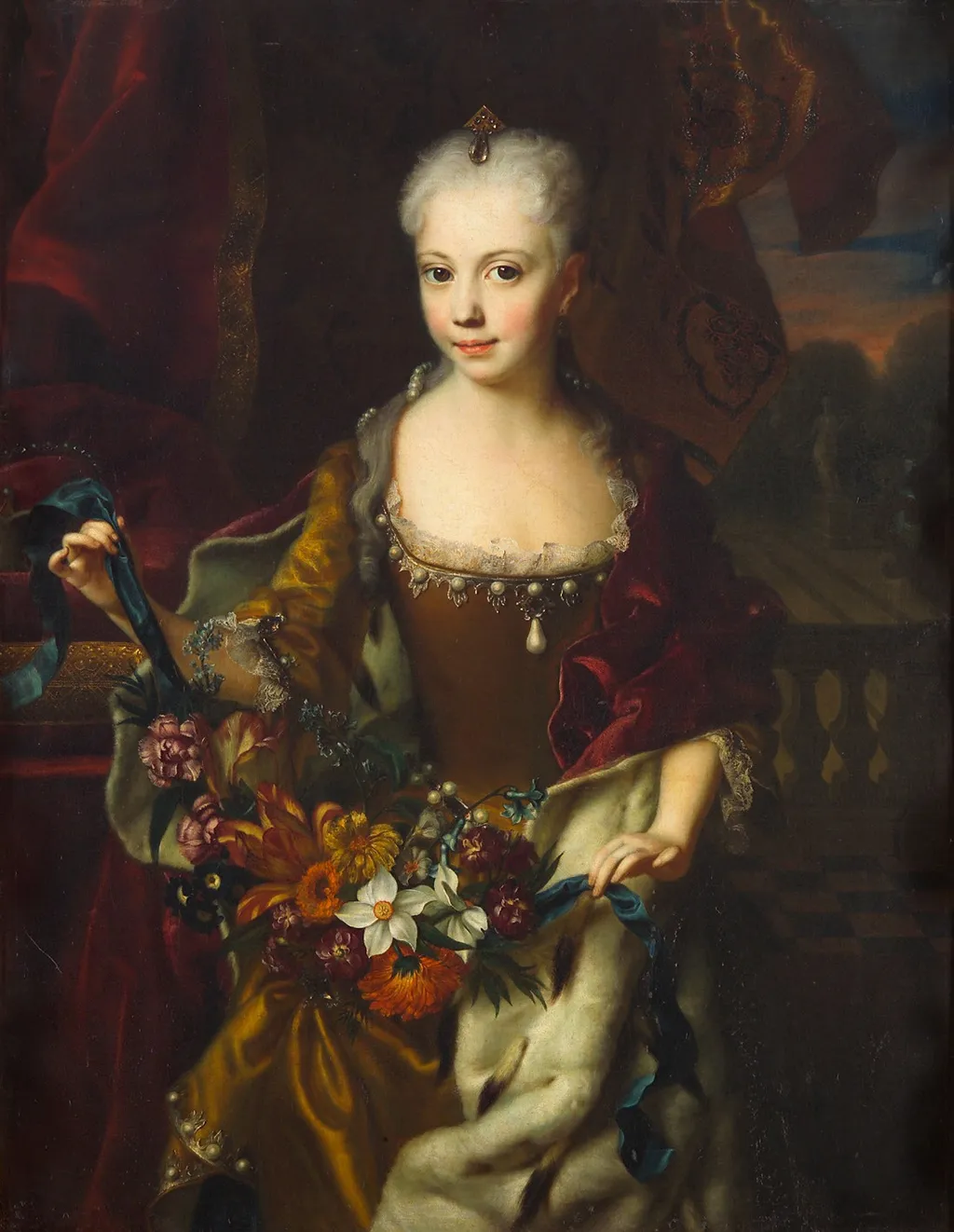
Erzherzogin Maria Anna (1718-1744), Tochter von Karl VI. im Alter von neun Jahren, Kniestück is an oil painting by the Rococo painting artist Andreas Møller. It dates from 1727 and is held in the collection of the Kunsthistorisches Museum.
About this work
Overview
Møller, known for his refined court portraiture and early miniature work, applied his skill to convey both royal status and youthful fragility.
Painted in 1727 by Danish artist Andreas Møller, this oil-on-canvas portrait captures Archduchess Maria Anna of Austria at age nine. Commissioned during her childhood at the Habsburg court, the work is a half-length composition, not full-length as sometimes misstated. It belongs to the Kunsthistorisches Museum in Vienna, where it remains part of its imperial portrait collection. Møller, known for his refined court portraiture and early miniature work, applied his skill to convey both royal status and youthful fragility.
Subject & Meaning
The portrait presents Maria Anna, daughter of Emperor Charles VI, as a child of imperial lineage, dressed in elaborate court attire. Her delicate posture and the bouquet of flowers suggest innocence and aristocratic refinement, common tropes in royal portraiture of the era. The flowers, tied with blue ribbon, may symbolize purity and loyalty, while the restrained gaze and composed demeanor reflect the expected decorum of Habsburg heirs. The image serves less as a personal likeness and more as a statement of dynastic continuity.
Technique & Style
Møller employed the Rococo aesthetic through soft contours, luminous color transitions, and delicate detail. Light is carefully modulated to highlight the archduchess’s face, lace collar, and floral bouquet, creating subtle contrasts against the dark, ambiguous background. This use of chiaroscuro enhances volume and texture, particularly in the silk of her dress and the sheen of her pearl necklace. The brushwork remains precise yet fluid, balancing realism with the idealized grace typical of courtly representation.
History & Provenance
Commissioned in 1727, the portrait was likely intended for display within the imperial family’s private quarters or as a diplomatic gift. Andreas Møller, active at several European courts, was well positioned to receive such commissions. The painting entered the Kunsthistorisches Museum’s collection in the 19th century, following the consolidation of Habsburg art holdings. Its provenance remains unbroken since its creation, preserving its original context within the imperial visual record.
Context
Painted during the early years of Charles VI’s reign, the portrait reflects the Habsburg emphasis on dynastic imagery amid political uncertainty. With no male heir, Maria Anna’s public representation carried added significance as a potential future regent or marital asset. Rococo portraiture, favored at Vienna’s court, merged elegance with political messaging. Møller’s style, influenced by Danish and German traditions, adapted to Habsburg tastes, blending intimacy with ceremonial formality.
Legacy
Though not widely exhibited outside Vienna, the portrait remains a key example of early 18th-century Habsburg court art. It illustrates how miniature-like precision was applied to larger formats in royal commissions. Møller’s handling of light and texture influenced later court painters in Central Europe. The work endures as a quiet testament to the role of childhood imagery in sustaining dynastic legitimacy during a period of fragile succession.
Artist & collection
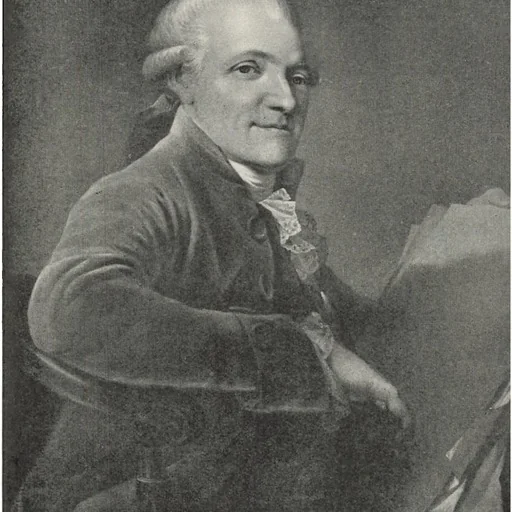
Artist
Andreas Møller (German: Andreas Möller; nickname: English Møller; 30 November 1684 – c. 1762) was a Danish portrait painter and pioneer of miniature painting who worked at many European courts.

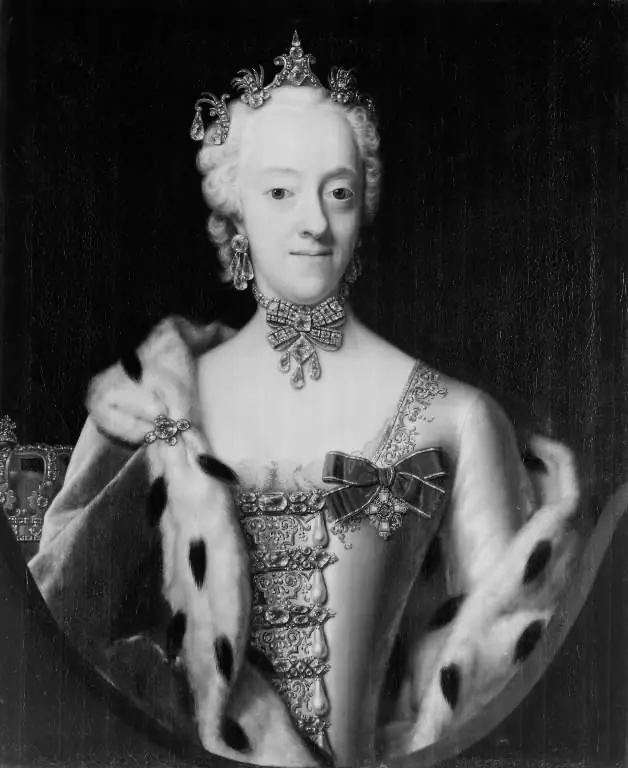 Princess Charlotte Amalie, Daughter of Frederik IV
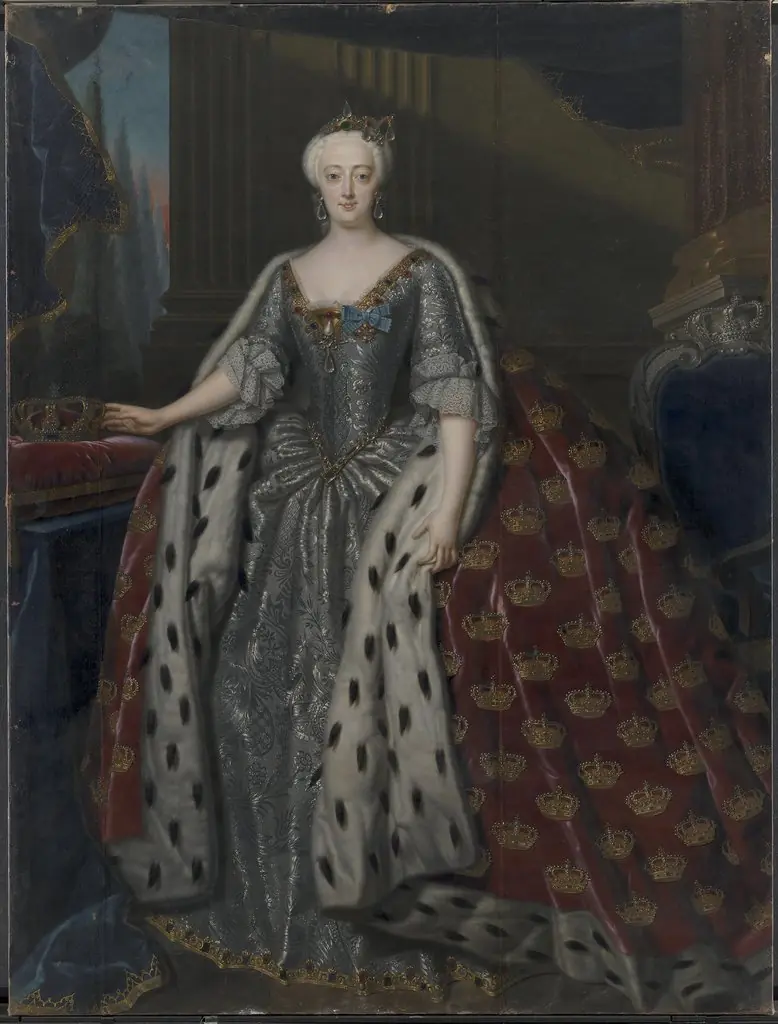 Sophie Magdalene, Christian VI's dronning
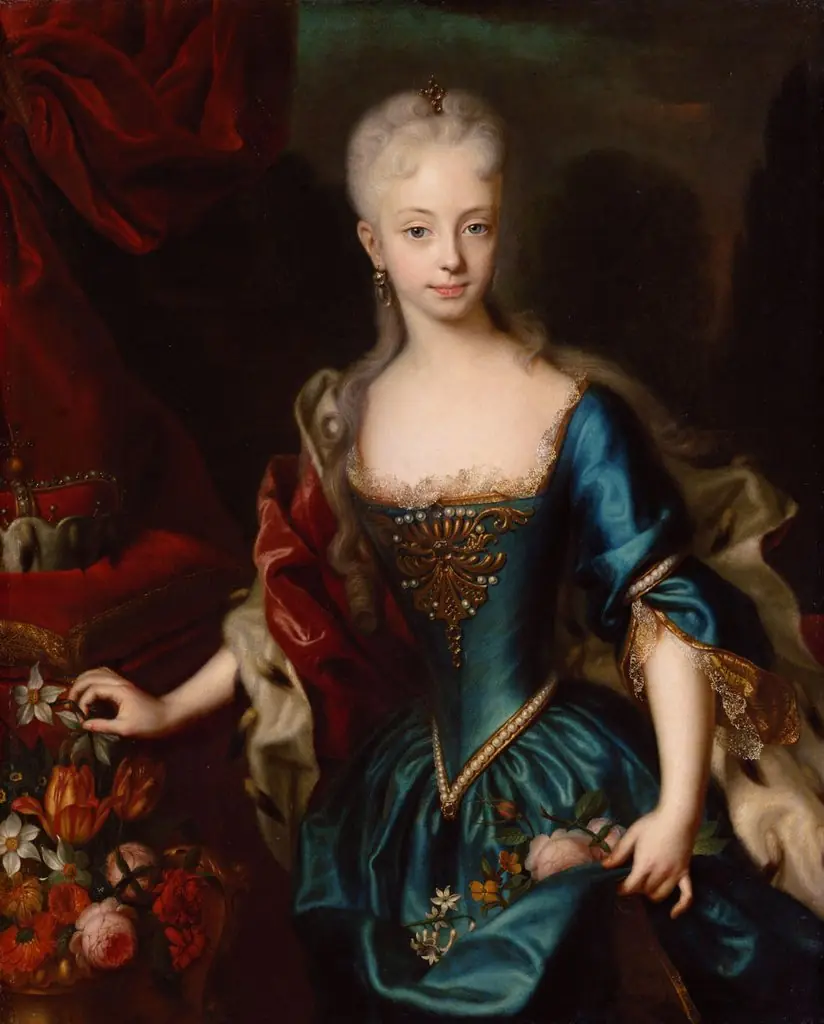 Portrait of Archduchess Maria Theresia
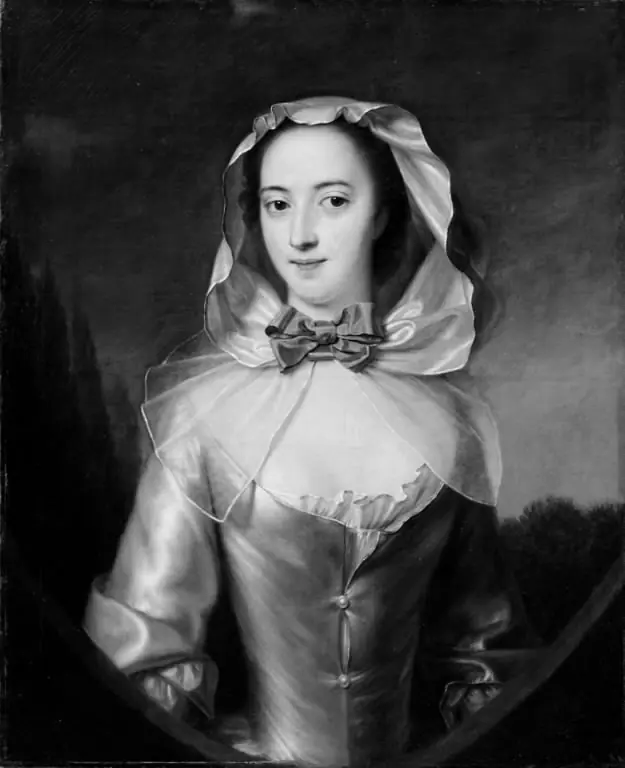 Portrait of a lady
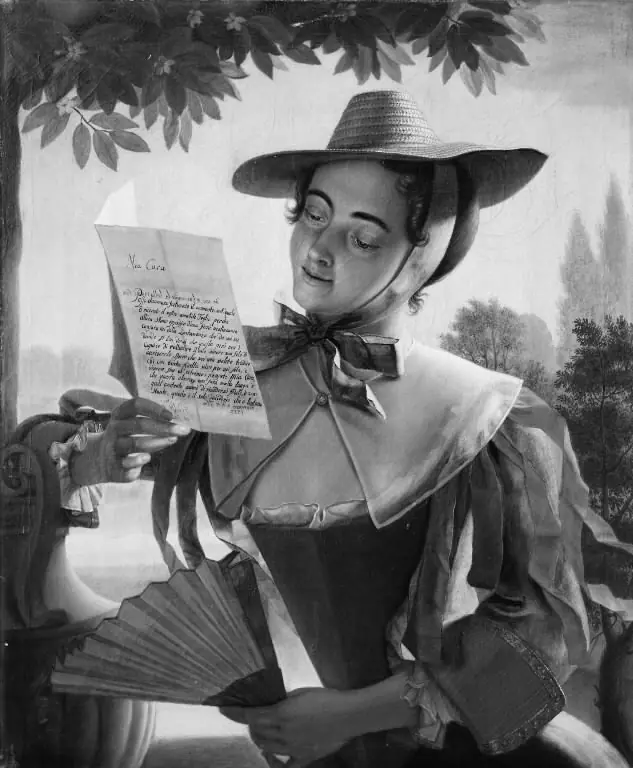 Dame i sommerdragt og med stråhat, læsende et brev
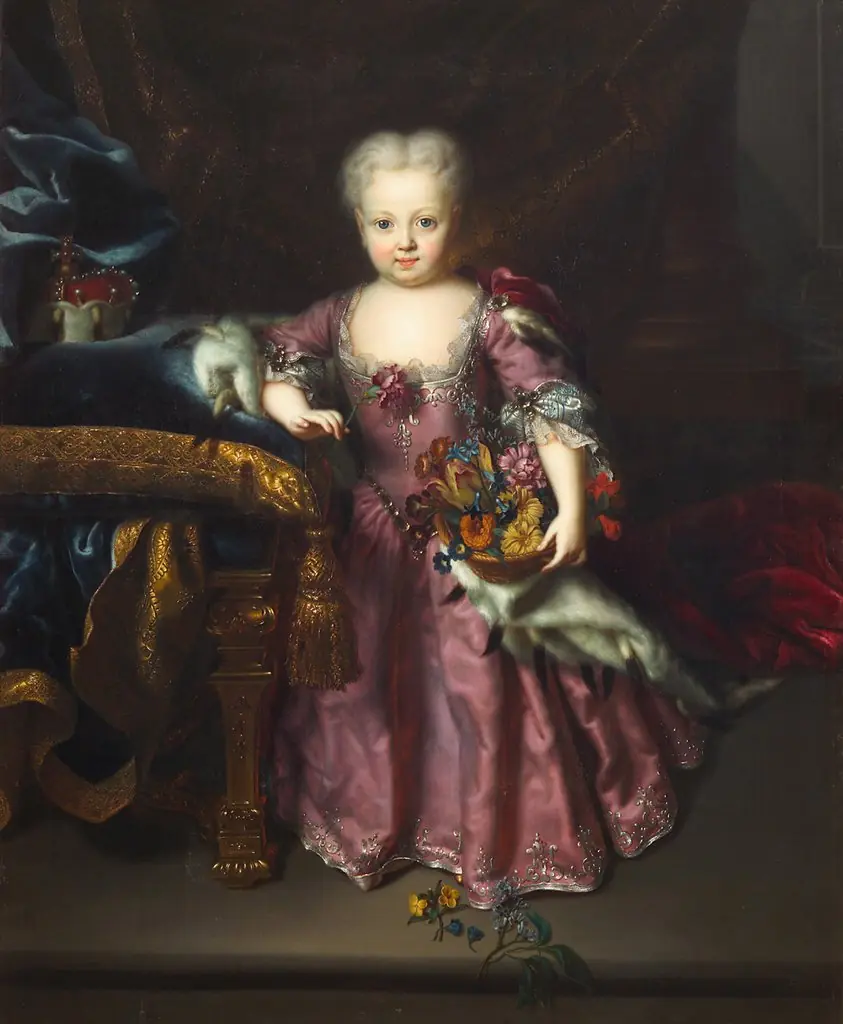 Erzherzogin Maria Amalie (1724-1730) im Alter von drei Jahren
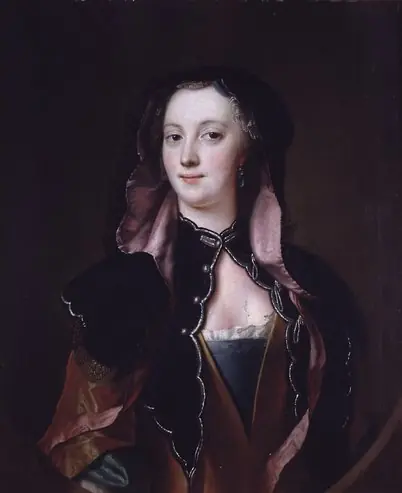 Dame i sort og rød dragt
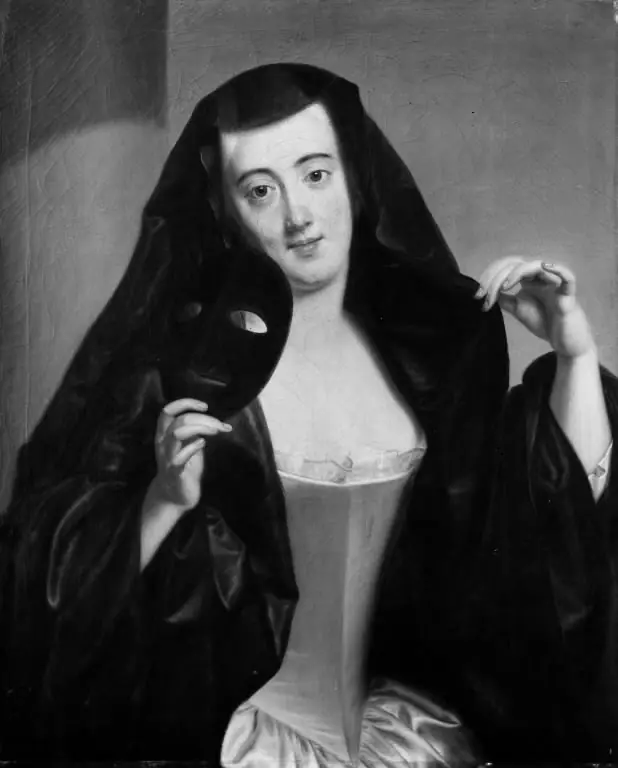 Dame med sort kappe over hovedet og maske i hånden
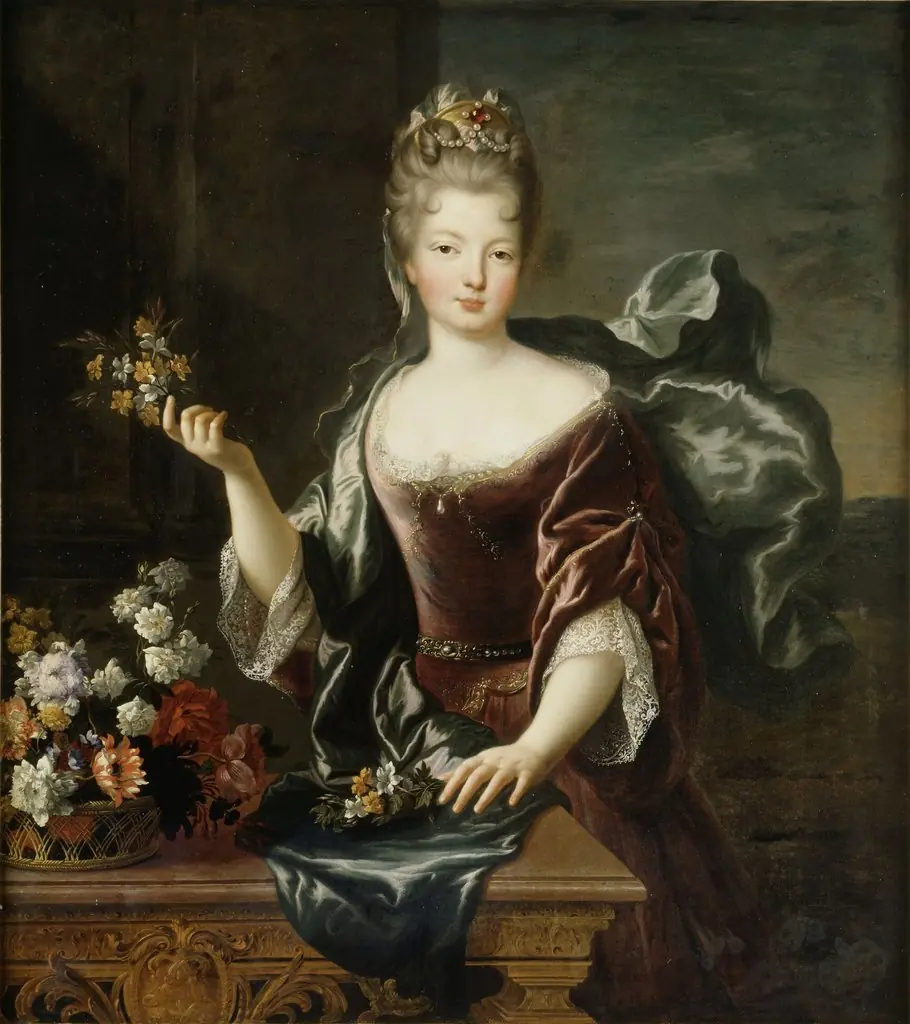 Françoise-Marie de Bourbon, Mademoiselle de Blois, Duchess of Orleans
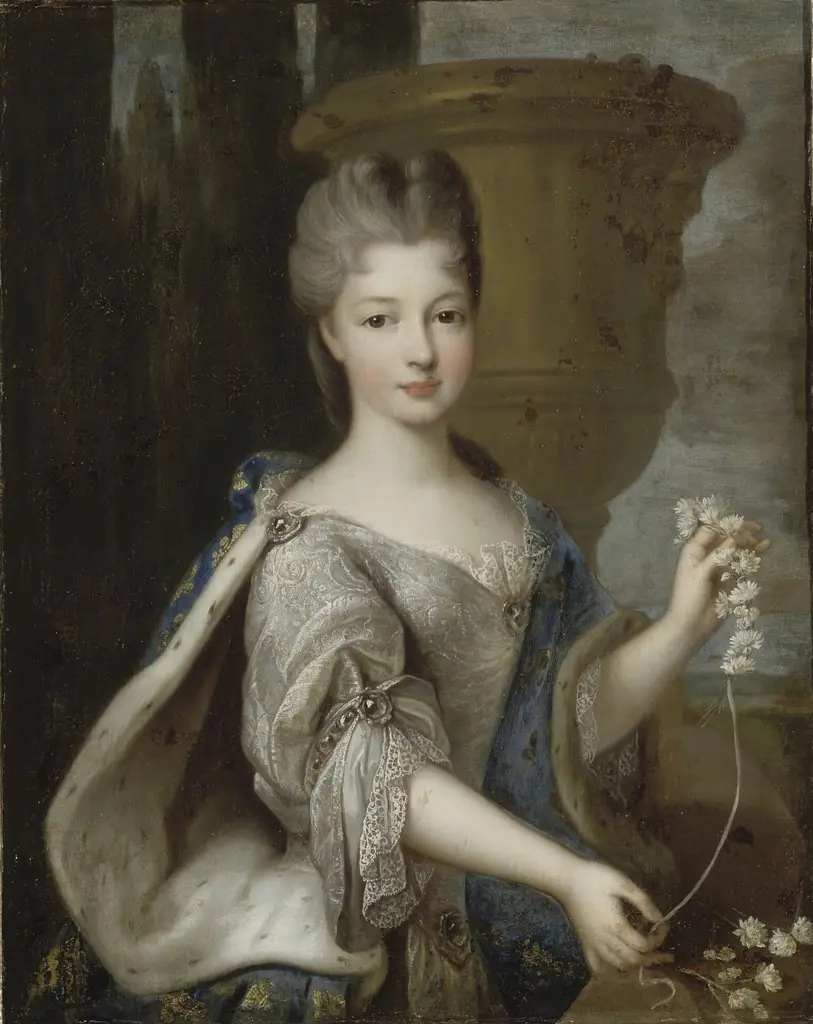 Louise-Elisabeth de Bourbon-Condé, Princess of Conti (1699-1775)
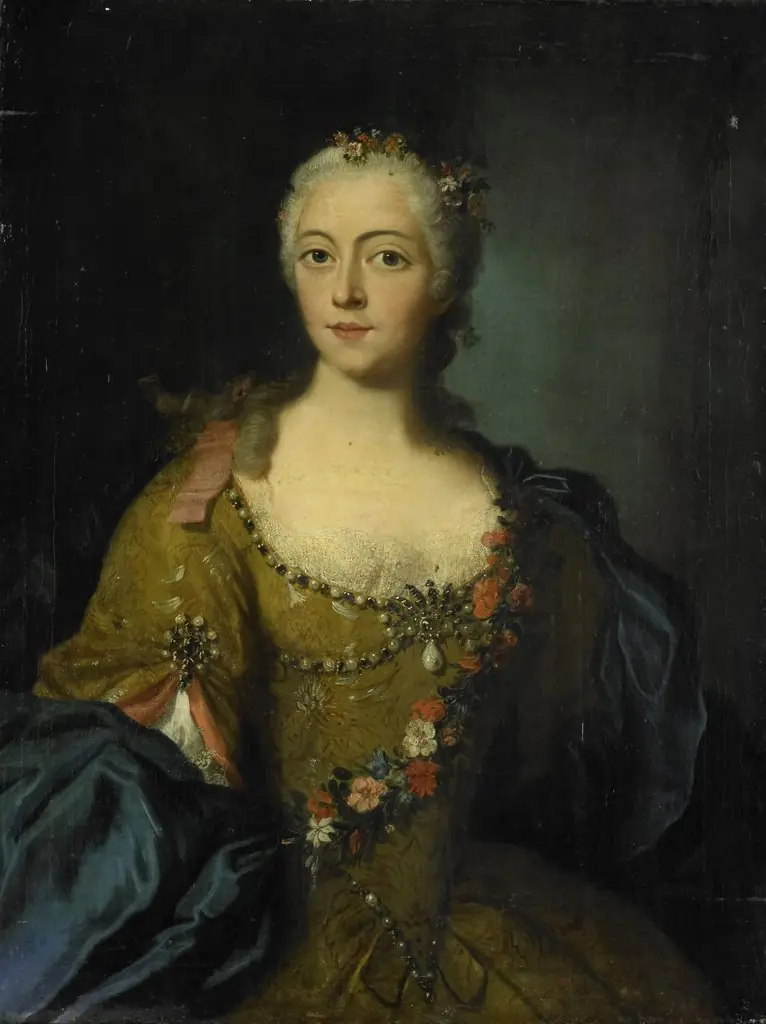 Portret van een vrouw
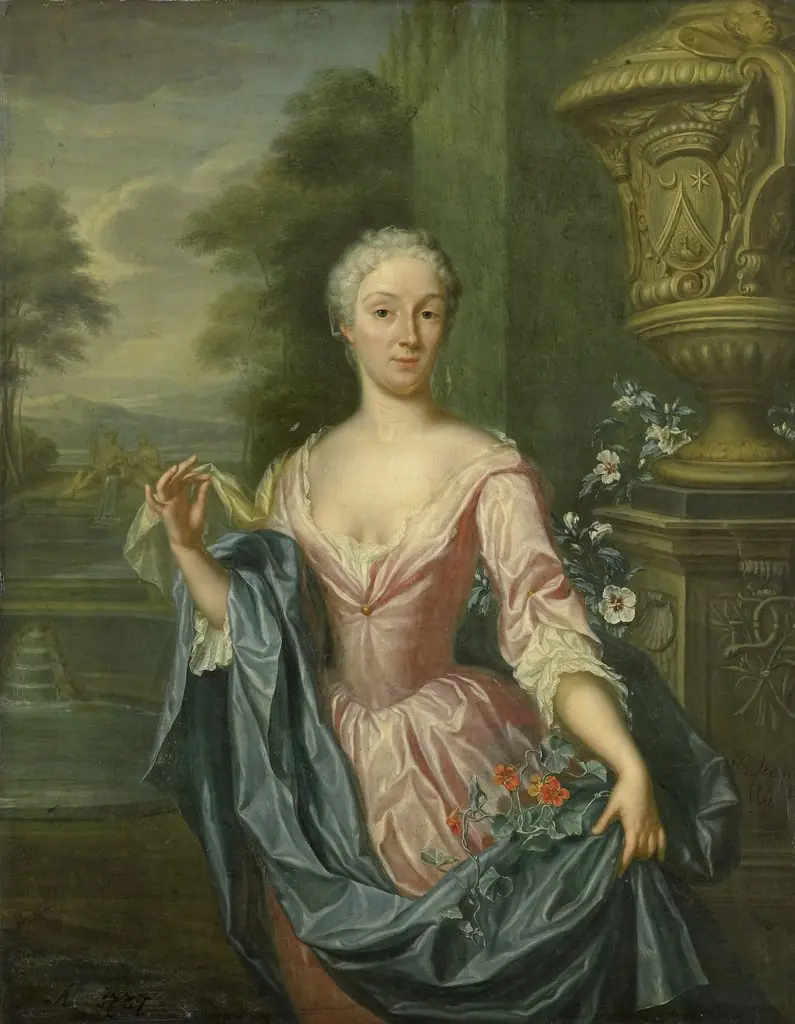 Portrait of Claudine van Royen (born 1712), Wife of Pieter Teding van Berkhout
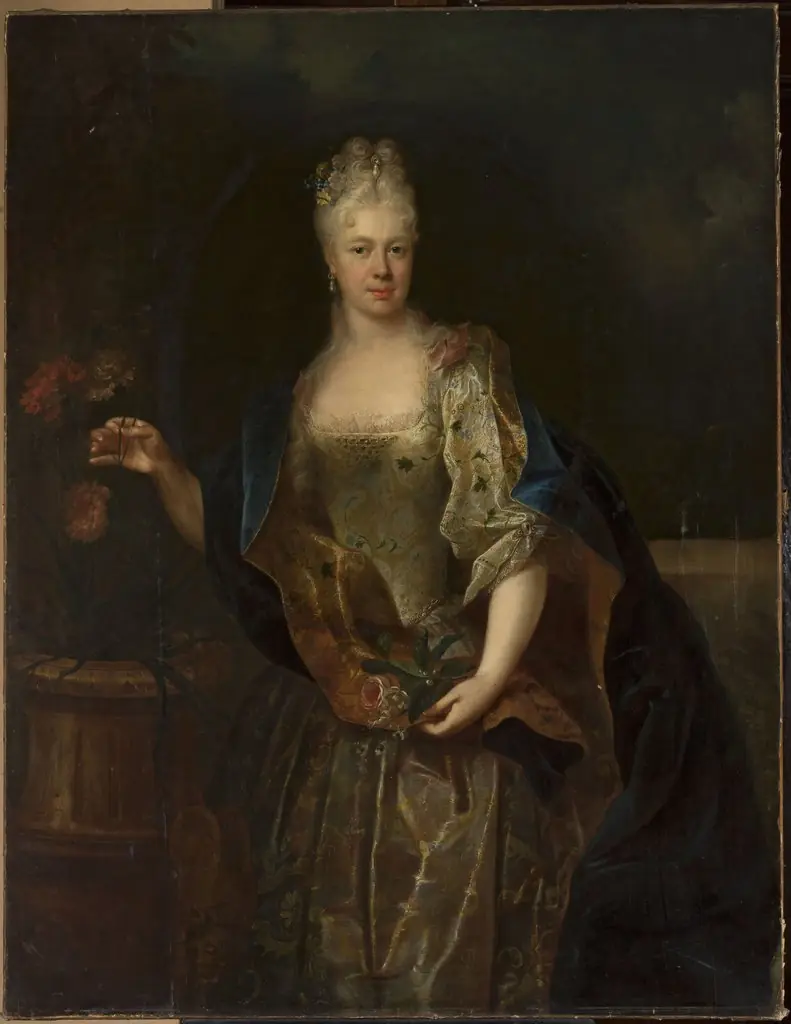 Portrait of Ludwika Amalia Lubomirska (1722–1778)
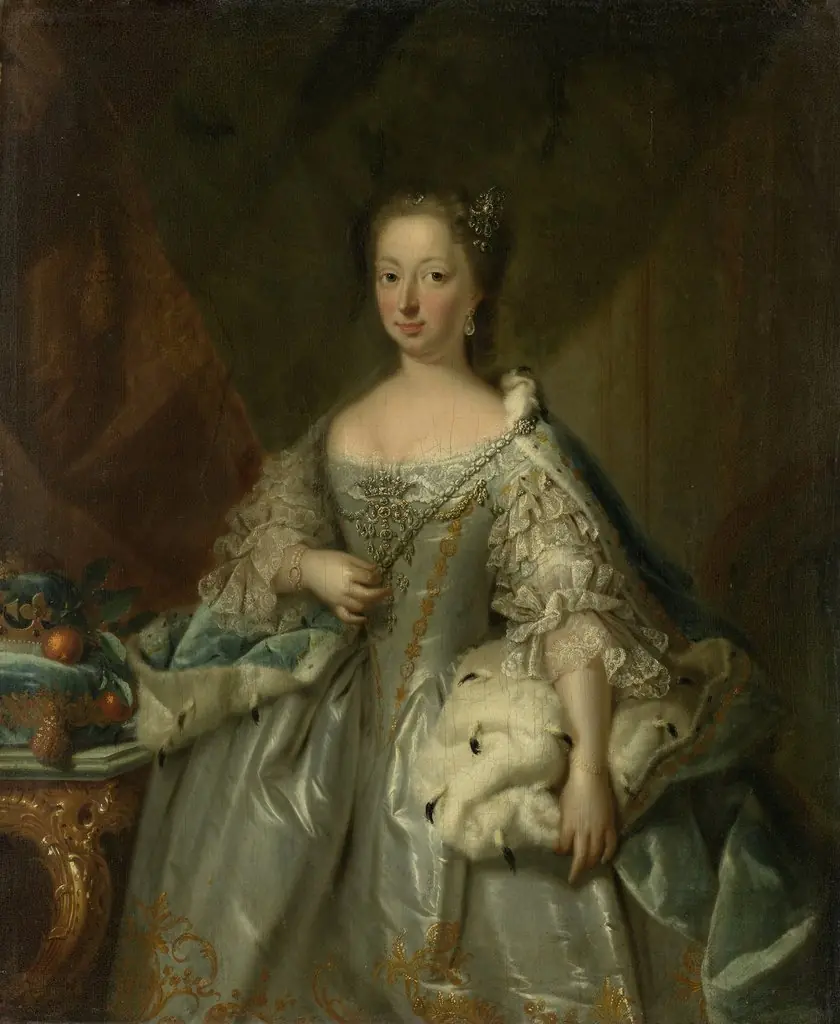 Anna of Hanover
 María Ana Victoria de Borbón
 I.K.H. Erzherzogin Maria Iosepha
 Naisen muotokuva
 Bildnis einer Fürstin
 Bildnis der Erzherzogin Maria Theresia von Österreich, spätere Kaiserin (1717-1780) (Replik)
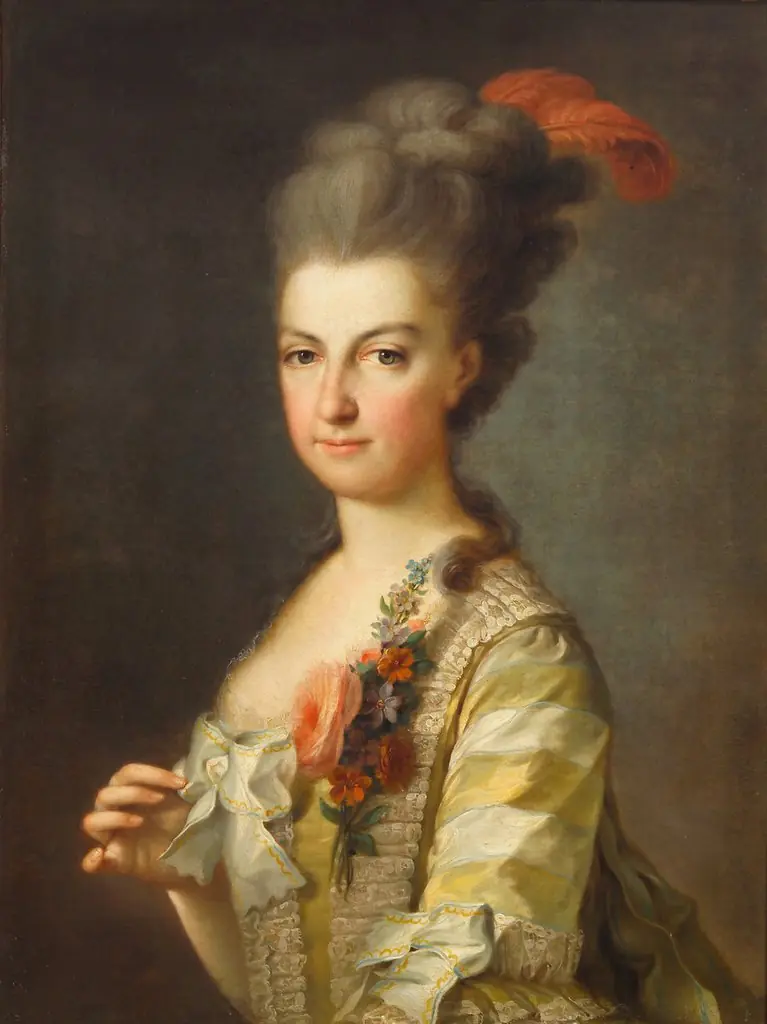 Erzherzogin Maria Christine (1742-1798), Herzogin von Sachsen - Teschen, in gestreiftem Seidenkleid, Halbfigur