Artwork
Louis-Urbain Le Peletier, maître des Requêtes
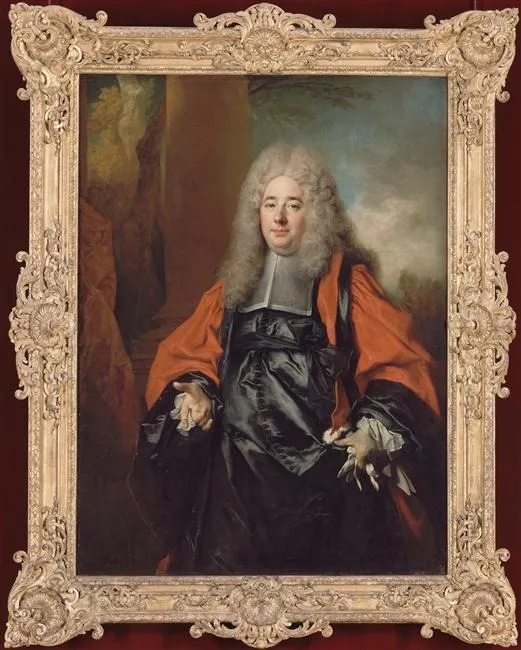
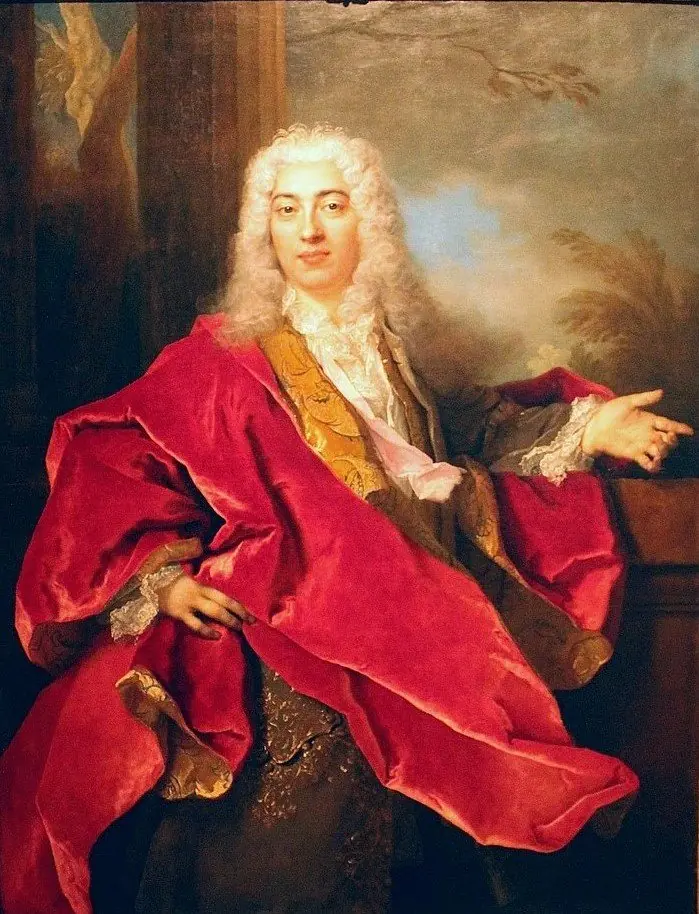
Louis-Urbain Le Peletier, maître des Requêtes is an oil painting by the Rococo painting artist Nicolas de Largillière. It dates from 1706 and is held in the collection of the Palace of Versailles.
About this work
This painting features a man with long, curly white hair, dressed in a black and red robe, with a white collar visible underneath.
This painting features a man with long, curly white hair, dressed in a black and red robe, with a white collar visible underneath. He stands in front of a landscape backdrop, with his hands held out in front of him.
The man's attire and hairstyle suggest a formal or ceremonial setting, possibly from the 17th or 18th century. The painting's style and composition are characteristic of the Baroque period.
To learn more about the artist who created this work, explore the art of Nicolas de Largillière.
Overview
Painted around 1706 by Nicolas de Largillière, this oil portrait depicts Louis-Urbain Le Peletier, a senior judicial official known as a maître des requêtes. The work is part of the royal collection at the Palace of Versailles. Though sometimes associated with later Rococo tendencies, its formal structure and attention to texture align more closely with late Baroque portraiture, reflecting the aesthetic priorities of the French court under Louis XIV.
Subject & Meaning
Louis-Urbain Le Peletier held a key administrative role in the Parlement of Paris, responsible for reviewing petitions to the crown. His portrait conveys authority through dignified posture and formal attire: a black and red judicial robe, white lace collar, and powdered wig. The hands held before him suggest composure and readiness for duty, reinforcing his status as a servant of royal justice rather than a mere nobleman.
Technique & Style
Largillière employed precise brushwork to render the textures of silk, lace, and hair with quiet realism. The dark robe contrasts with the pale skin and white collar, drawing focus to the face and hands. The landscape background, though softly rendered, lacks narrative detail, serving instead as a neutral stage that emphasizes the sitter’s presence. The composition is balanced and upright, typical of French court portraiture of the era.
History & Provenance
Commissioned during the final years of Louis XIV’s reign, the portrait entered the royal collection shortly after its completion. It remained in royal custody through the Ancien Régime and was later preserved at Versailles. Its continuous presence in state collections underscores the sitter’s institutional importance and the painting’s role as a record of administrative elite.
Context
In early 18th-century France, portraiture of judicial officials served both personal and political functions. These images affirmed the legitimacy of state institutions and the personal standing of those who upheld them. Largillière, a favored painter of the court, was adept at capturing the gravity of office without overt grandeur, aligning with the restrained elegance favored by the monarchy’s bureaucratic class.
Legacy
The portrait remains a representative example of French official portraiture from the transition between Baroque and Rococo styles. It preserves the visual language of administrative power before the more ornamental trends of the 1720s. While not widely exhibited outside Versailles, it continues to inform scholarly understanding of how state functionaries were visually represented in the age of absolutism.
Artist & collection
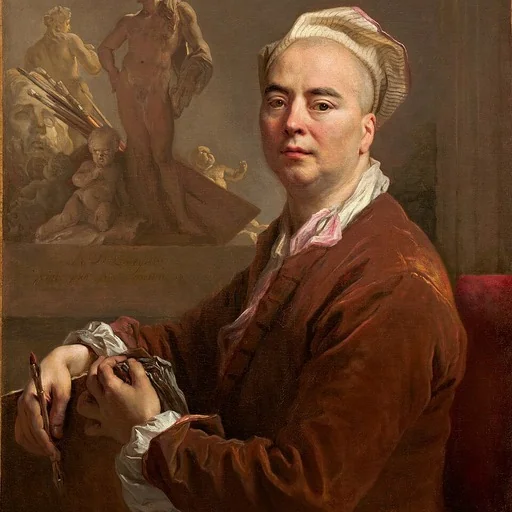
Artist
Nicolas de Largillière (French: ; baptised 10 October 1656 – 20 March 1746) was a French painter and draughtsman. From 1733 until 1735, he was director of the Académie de Peinture et de Sculpture.

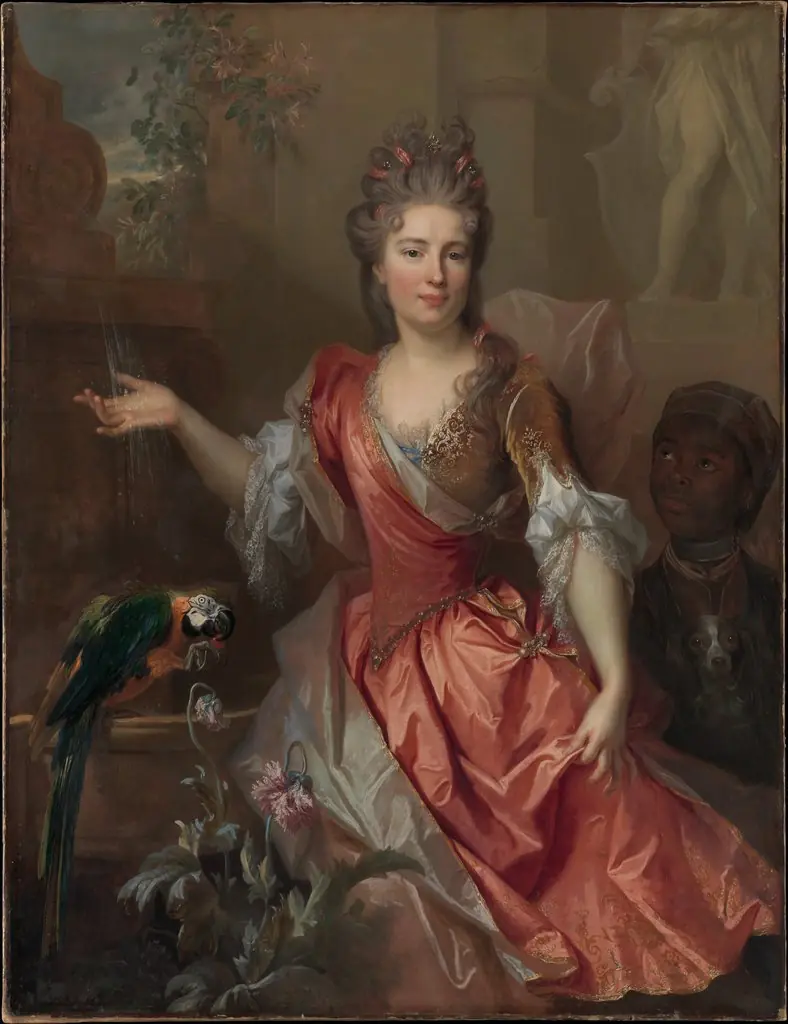 Portrait of a Woman, Possibly Madame Claude Lambert de Thorigny (Marie Marguerite Bontemps, 1668–1701)
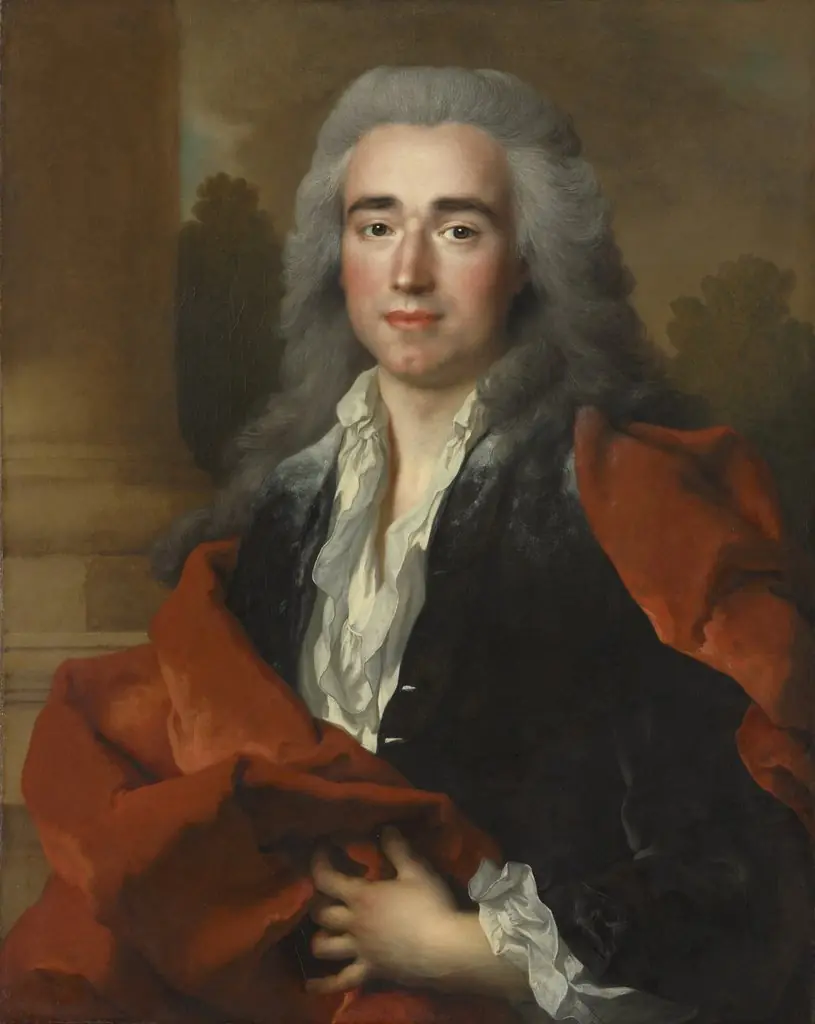 Portrait of Anne Louis Goislard de Montsabert, Comte de Richbourg-le-Toureil
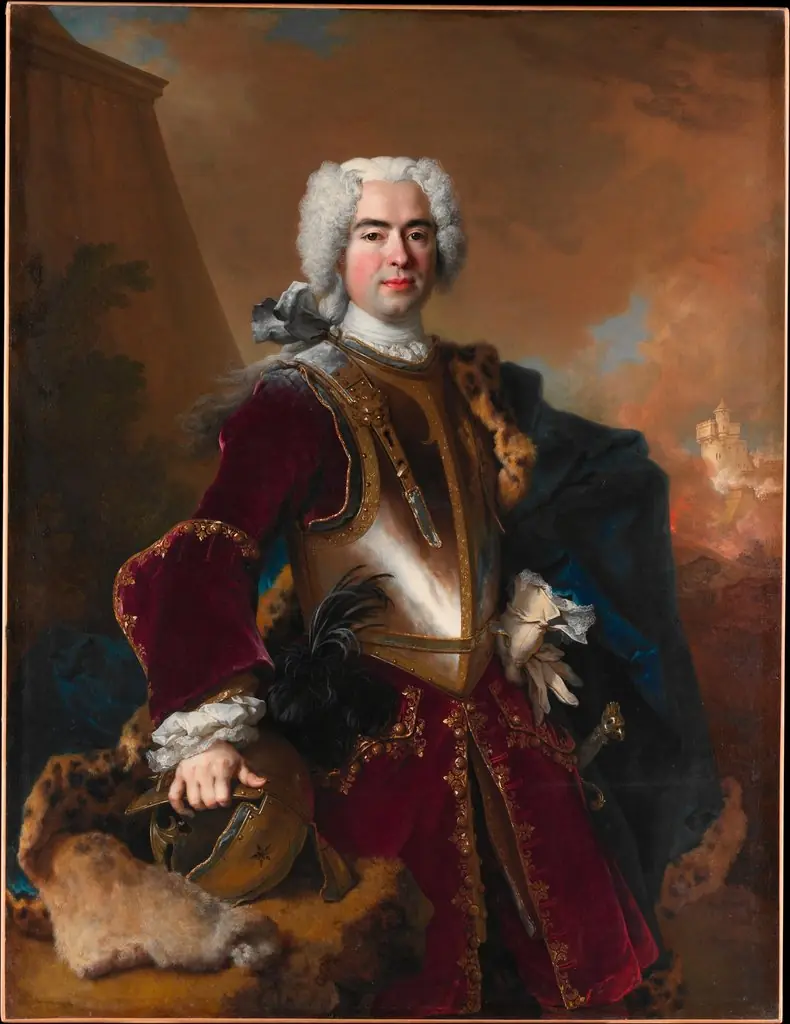 André François Alloys de Theys d'Herculais (1692–1779)
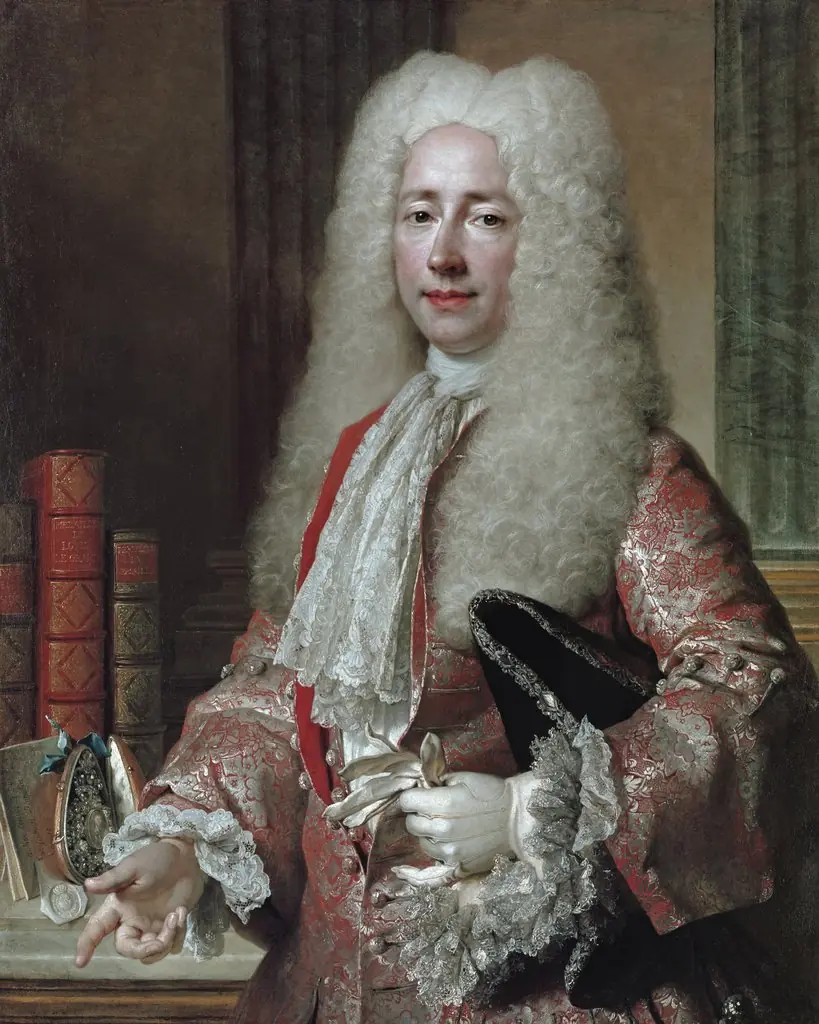 Portrait de Conrad Detlef, comte de Dehn
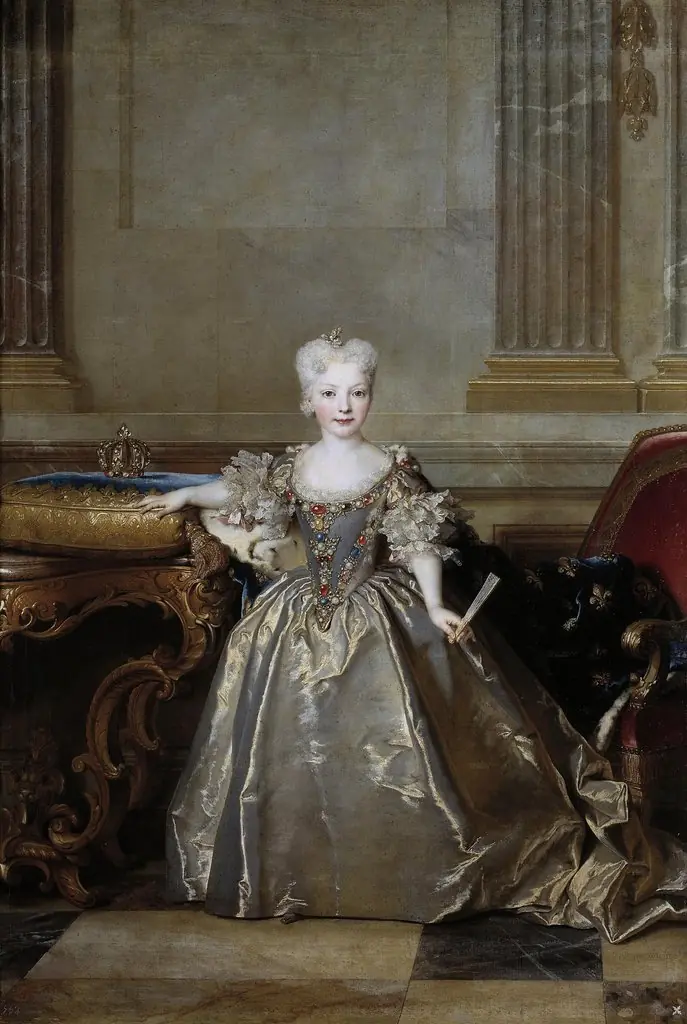 María Ana Victoria de Borbón y Farnesio
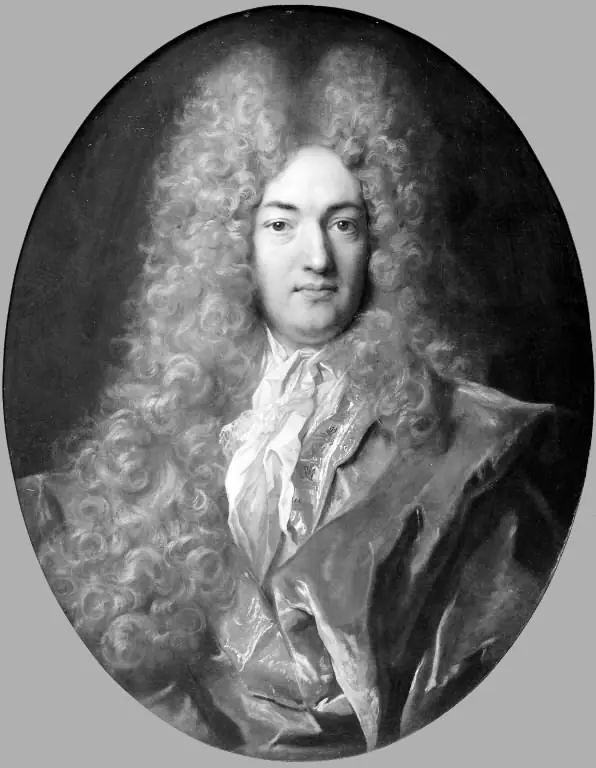 Portrait of a Man
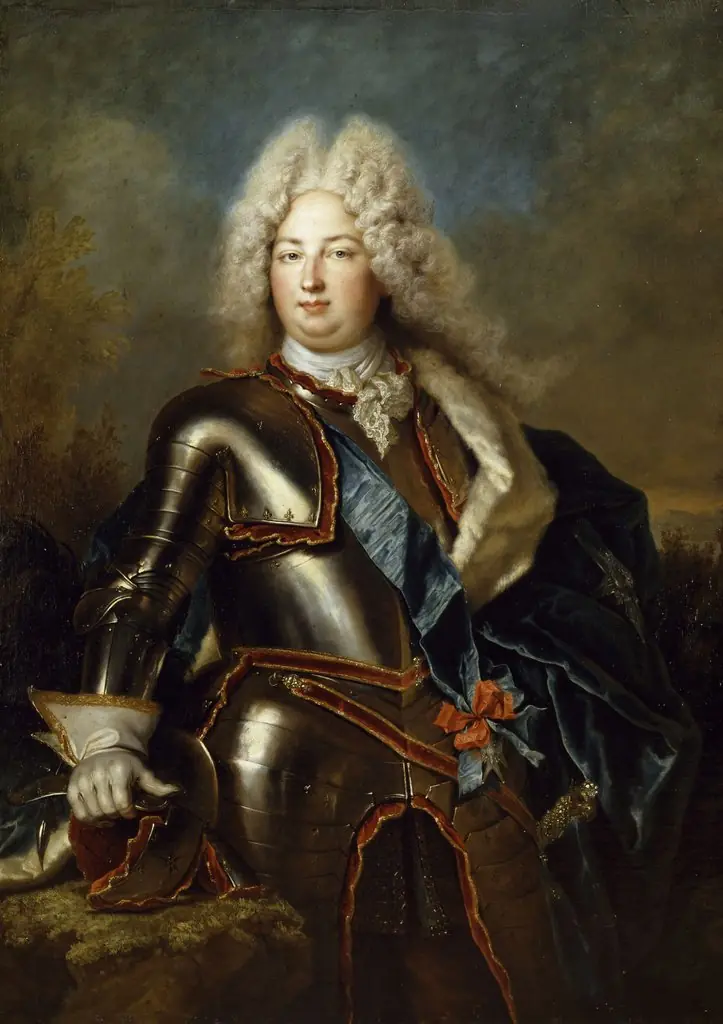 Charles of France, Duke of Berry
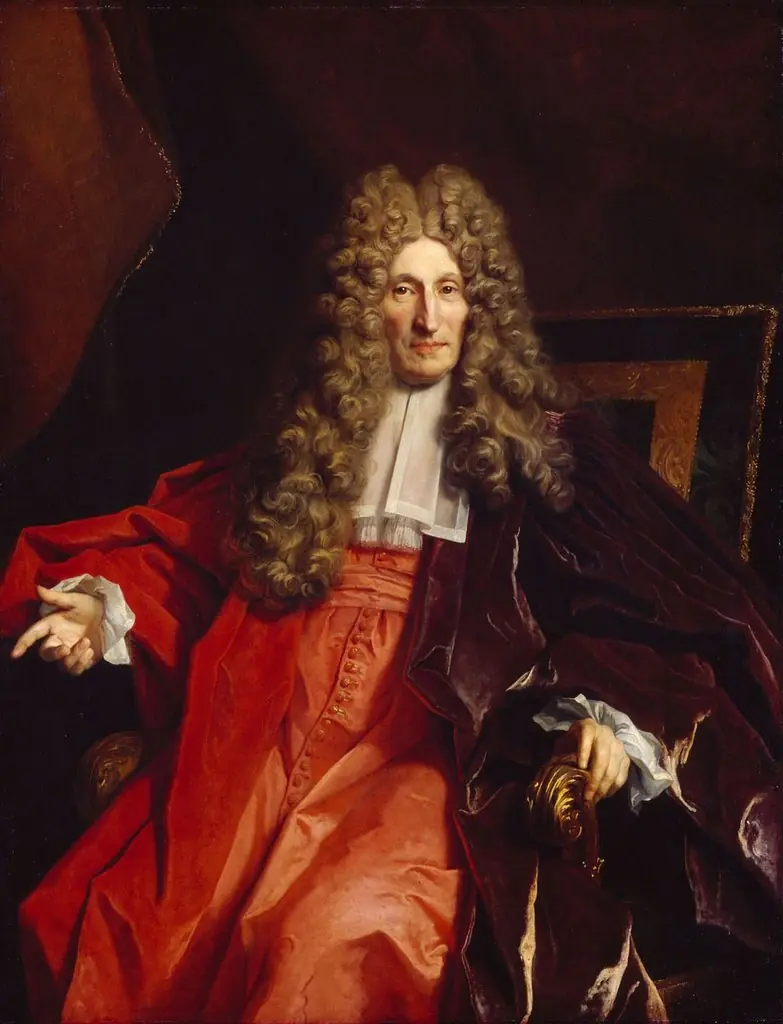 Charles Boucher, Herr von Orsay
 Portret de bărbat
 Bărbat cu mantie albastră. Pandant: Bărbat cu mantie roșie
 Portrait of Monsieur de Noirmont
 Kreivi Johan Gabriel Stenbock
 Portrait of a Man
 Johann Traugott von Seilen din Brașov
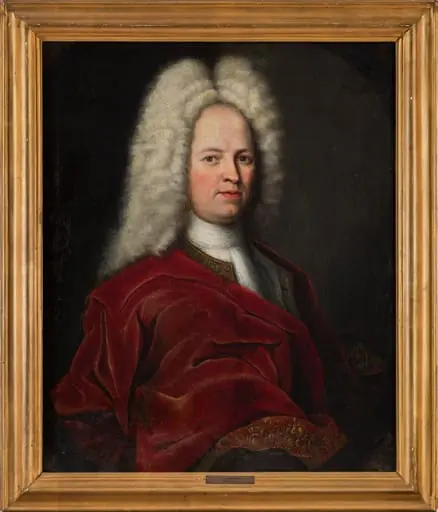 Valtiomies Georg Heinrich von Görtz
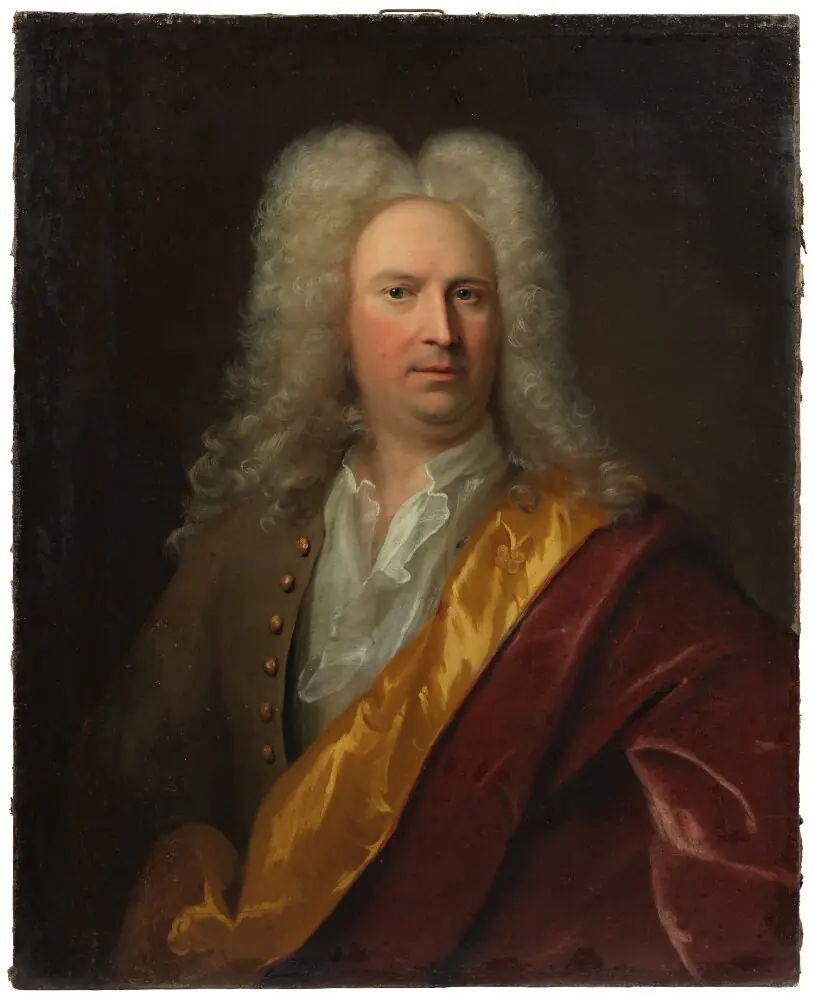 Abraham Grill the Older
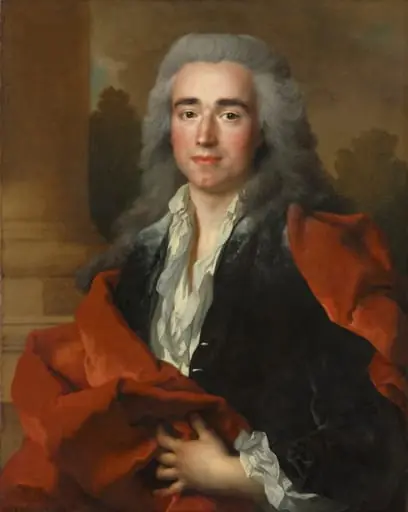 Portrait of Anne Louis Goislard de Montsabert, Comte de Richbourg-le-Toureil
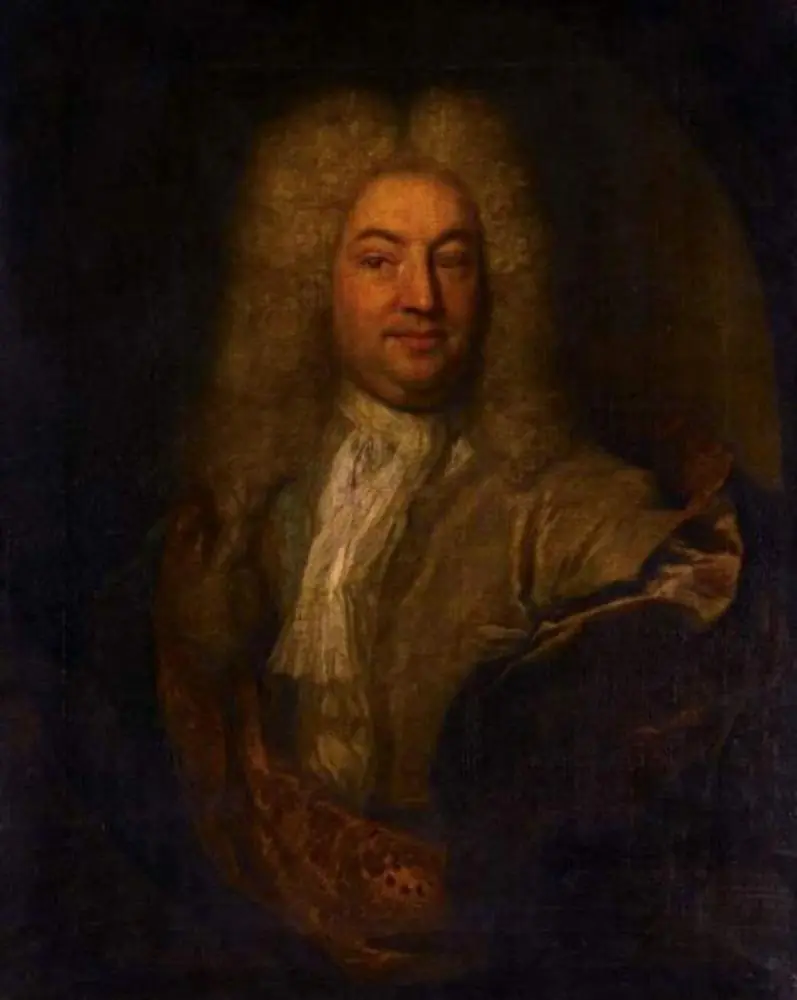 Portrait of Sir Matthew Decker, Bart
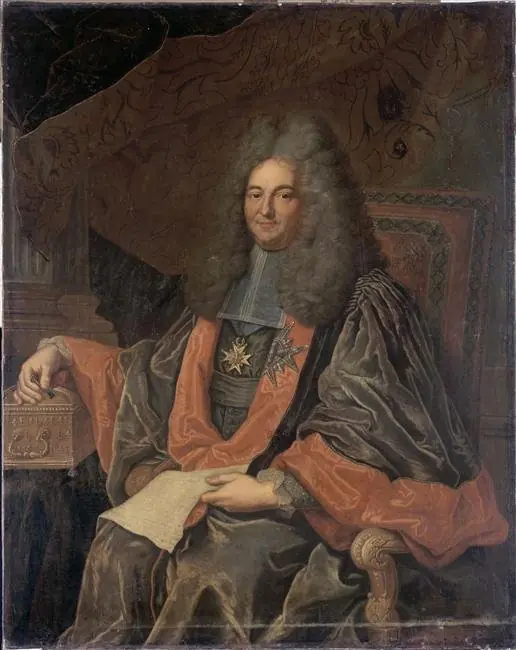 Portrait de Joseph Fleuriau d'Armenonville (1660-1728)
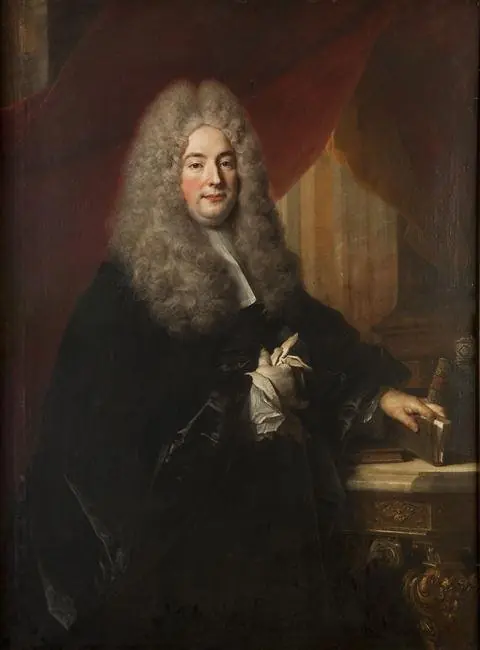 Thomas Morant, conseiller d'Etat