Artwork
Adunare
Adunare is a print by Tiberiu Nicorescu. It is held in the collection of the Gavrila Simion Eco-Museum Research Institute Tulcea.
About this work
Overview
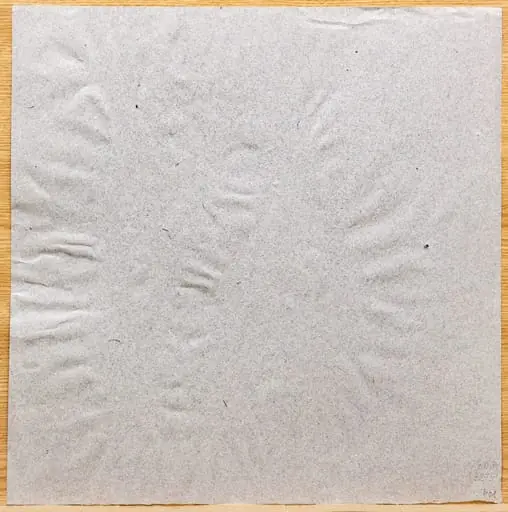
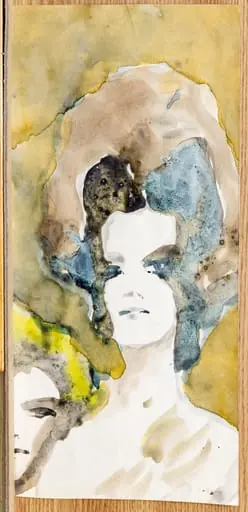
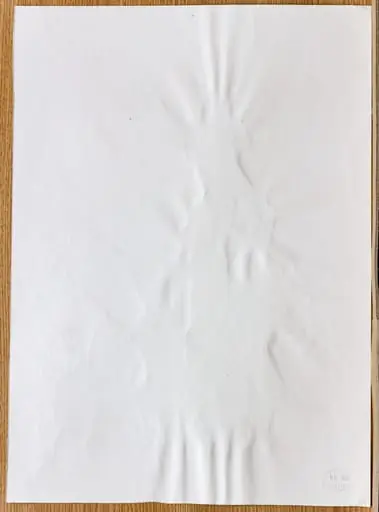
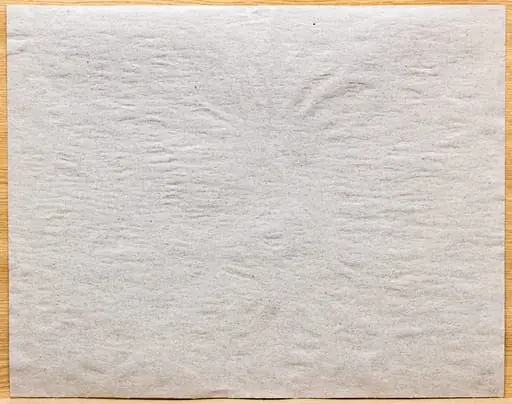
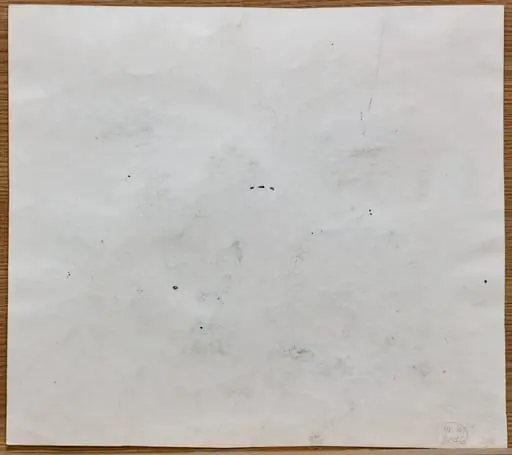
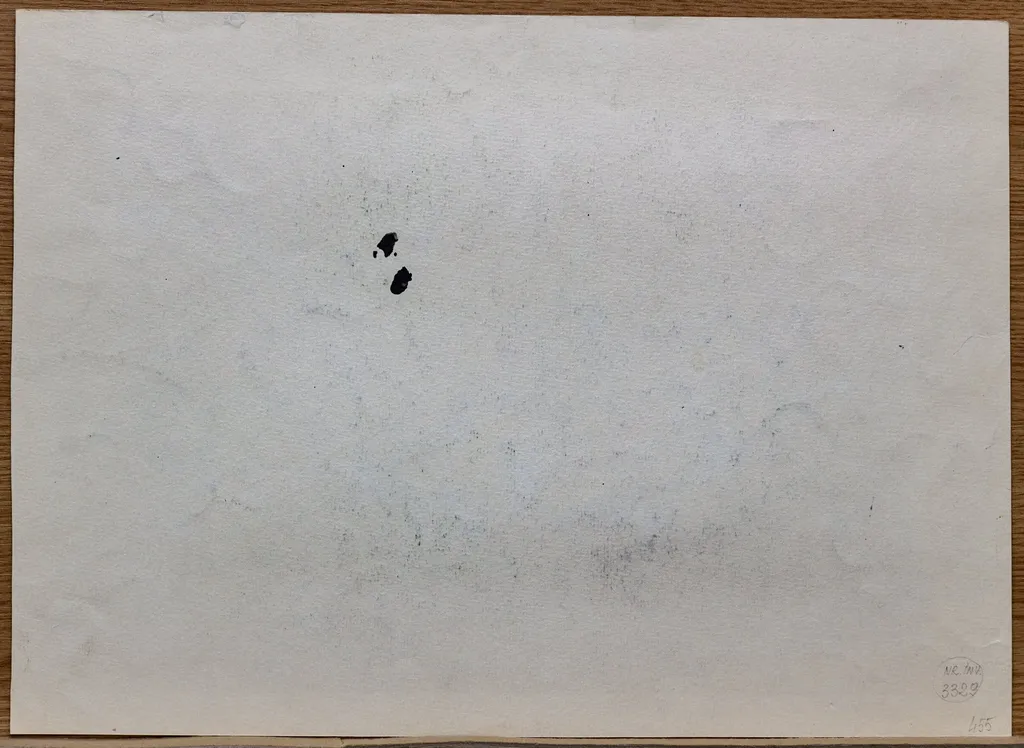
Adunare is an image work consisting primarily of a largely white, slightly yellowed sheet of paper. The composition is minimal, featuring two small, dark, irregular marks near the top centre, accompanied by a few lighter specks beneath them and faint linear gestures in the lower portion. The edges of the sheet show signs of wear, emphasizing its material presence.
Subject & Meaning
The sparse arrangement of blot-like forms and subtle strokes invites contemplation of absence and the residue of mark-making. By limiting visual information, the work foregrounds the tension between presence and emptiness, encouraging viewers to consider the significance of what is left unsaid as much as what is depicted.
Technique & Style
Created with ink or a similar fluid on paper, the piece employs spontaneous, irregular smudges rather than precise drawing. The faint lines in the lower area suggest a gestural hand, while the overall aesthetic aligns with minimalist and conceptual tendencies that prioritize materiality and the act of marking over representational content.
History & Provenance
The work is attributed to Romanian artist Tiberiu Nicorescu, known for experimental print and image practices. Specific details of its creation date, exhibition history, or ownership are not documented in the available sources.
Context
Nicorescu’s oeuvre frequently explores the boundaries between drawing, printmaking, and conceptual art, often employing reductionist strategies. Adunare reflects this approach, situating the piece within a broader movement of late 20th‑century artists who interrogate the nature of the image through minimal intervention.
Artist & collection
Artist
Tiberiu Nicorescu made prints and paintings in mid-20th-century Romania. You’ll find his print *Îmbrățișare*—a tender embrace captured in black lines—and the delicate waiting scene in *În așteptare*. His painting…
Museum
Gavrila Simion Eco-Museum Research Institute Tulcea
Continue through works from the same source collection.