Artwork
Portrait of a man with a goose quill in his hand
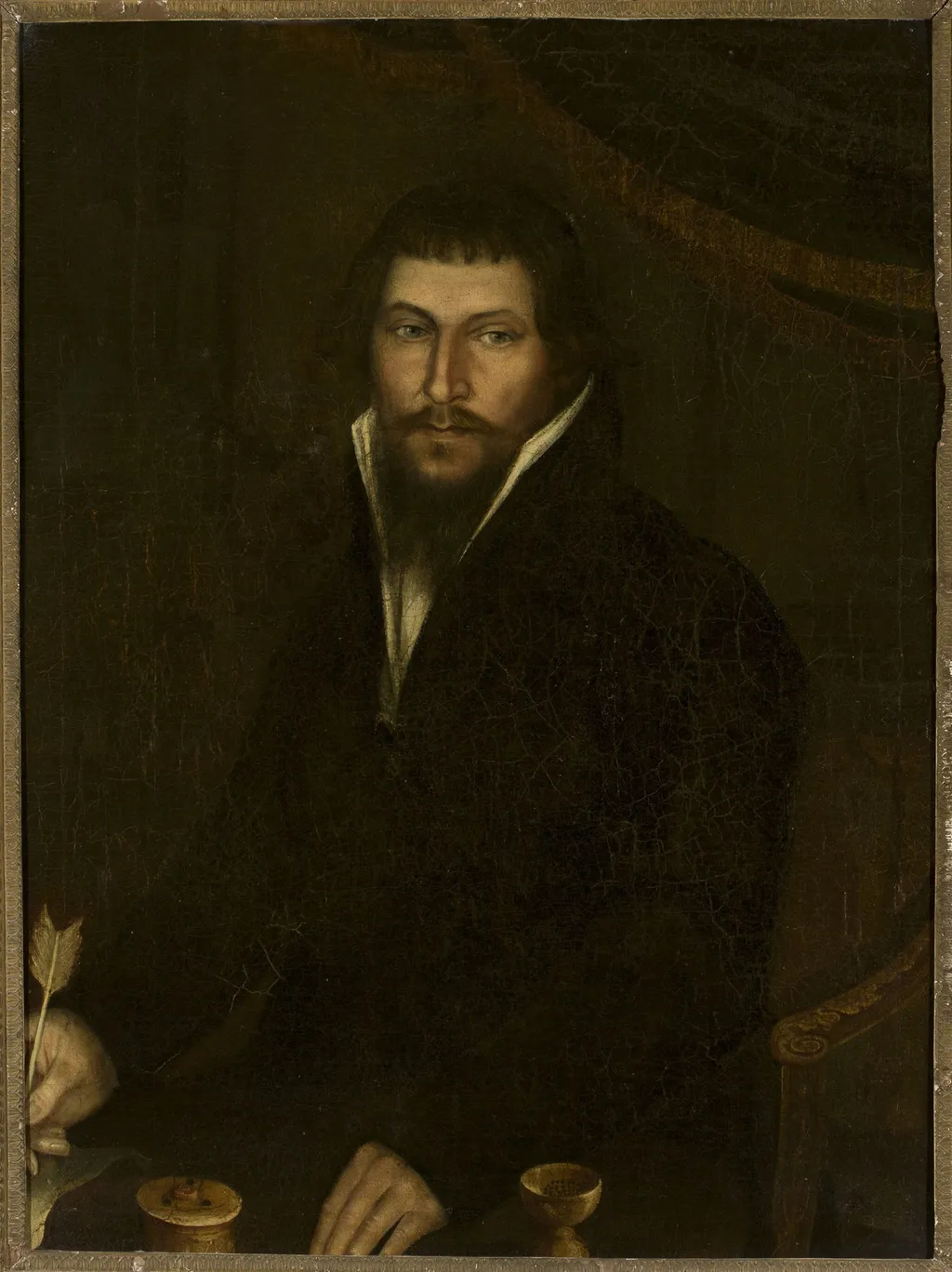
Portrait of a man with a goose quill in his hand is an oil painting by Nikolay Argunov. It dates from 1811 and is held in the collection of the National Museum in Warsaw.
About this work
Overview
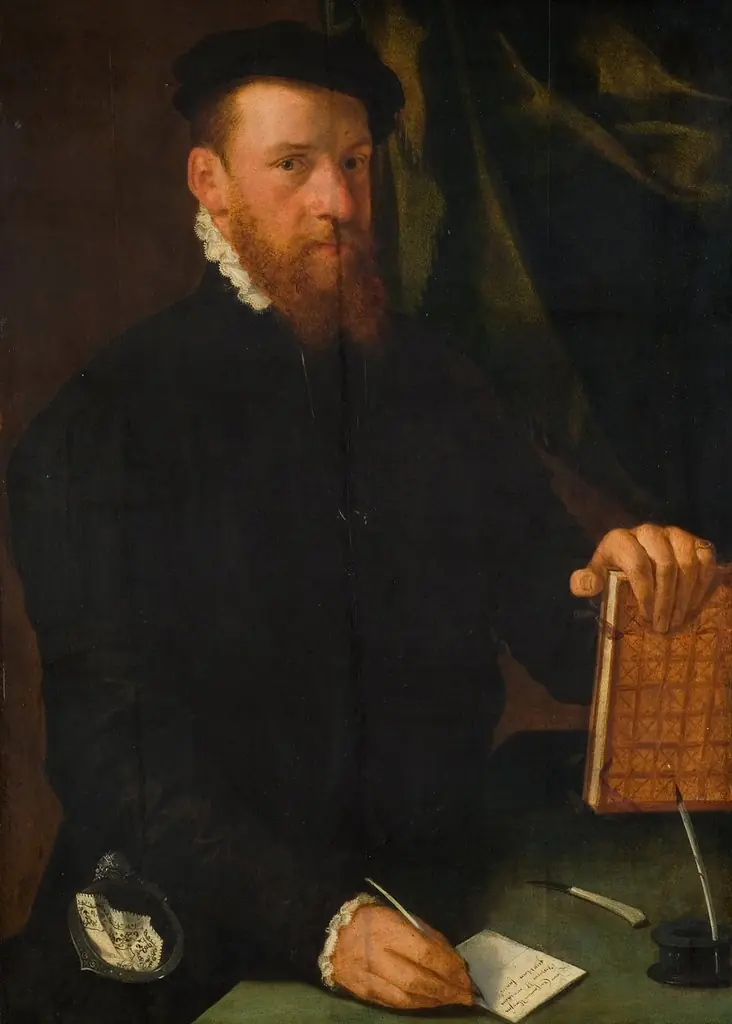
Painted around 1811 by Nikolay Argunov, this oil portrait depicts a man seated at a table, holding a goose quill in his right hand. The work is part of the collection at the National Museum in Warsaw. Rendered in muted tones against a dark background, the composition emphasizes stillness and introspection, focusing on the subject’s poised gesture and quiet demeanor.
Subject & Meaning
The absence of overt symbols or setting invites interpretation as a portrait of scholarly or bureaucratic identity, common among Russian elites of the era.
The man, dressed in dark clothing with a crisp white collar, is shown in a moment of contemplation or preparation for writing. The goose quill and the object in his left hand—possibly paper or a book—suggest intellectual or professional activity. The absence of overt symbols or setting invites interpretation as a portrait of scholarly or bureaucratic identity, common among Russian elites of the era.
Technique & Style
Argunov employs chiaroscuro to model the subject’s face and hands, lending them volume and presence. Subtle gradations of light define the texture of fabric, the sheen of the quill, and the surface of the table. The dark, loosely rendered background enhances focus on the figure, while restrained brushwork conveys realism without ornamentation, reflecting academic training and restrained sensibility.
History & Provenance
The painting entered the National Museum in Warsaw’s collection in the 19th century, likely through acquisition or transfer from a private Russian or Polish estate. Its documented history is limited, but its style aligns with portraiture produced in Russian imperial circles during the early 1800s. No significant alterations or restorations are recorded.
Context
Created during the Napoleonic Wars, the portrait reflects the cultural emphasis on literacy and civil service among the Russian nobility. Portraits of individuals engaged in writing were common, signaling education and status. Argunov, trained in St. Petersburg, worked within a tradition that valued quiet dignity over theatricality, distinguishing his approach from more flamboyant Western European styles.
Legacy
Though not widely exhibited beyond Polish and Russian collections, the portrait remains a representative example of early 19th-century academic portraiture in Eastern Europe. It contributes to understanding how intellectual identity was visually constructed in a period of political upheaval, preserving a quiet moment of personal and professional stillness.
Artist & collection

 Portrait of a Young Nobleman
 Männliches Bildnis
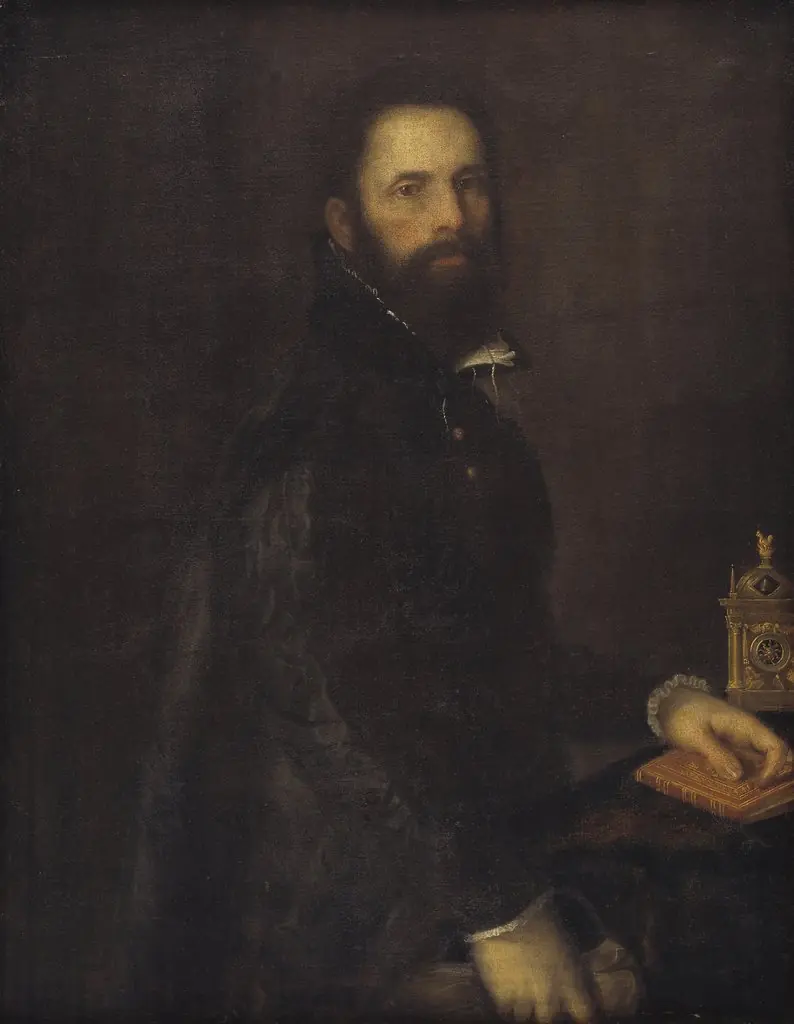 Portrait of Antonio Galli
 Portrait of Antonio Galli
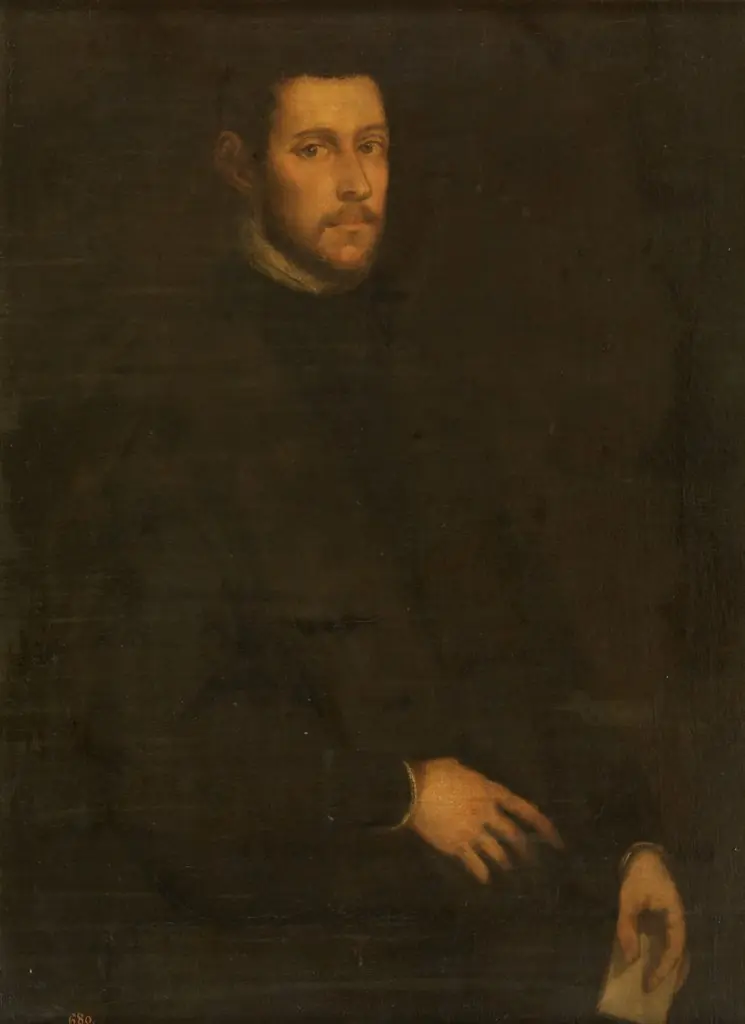 Self-portrait (?)
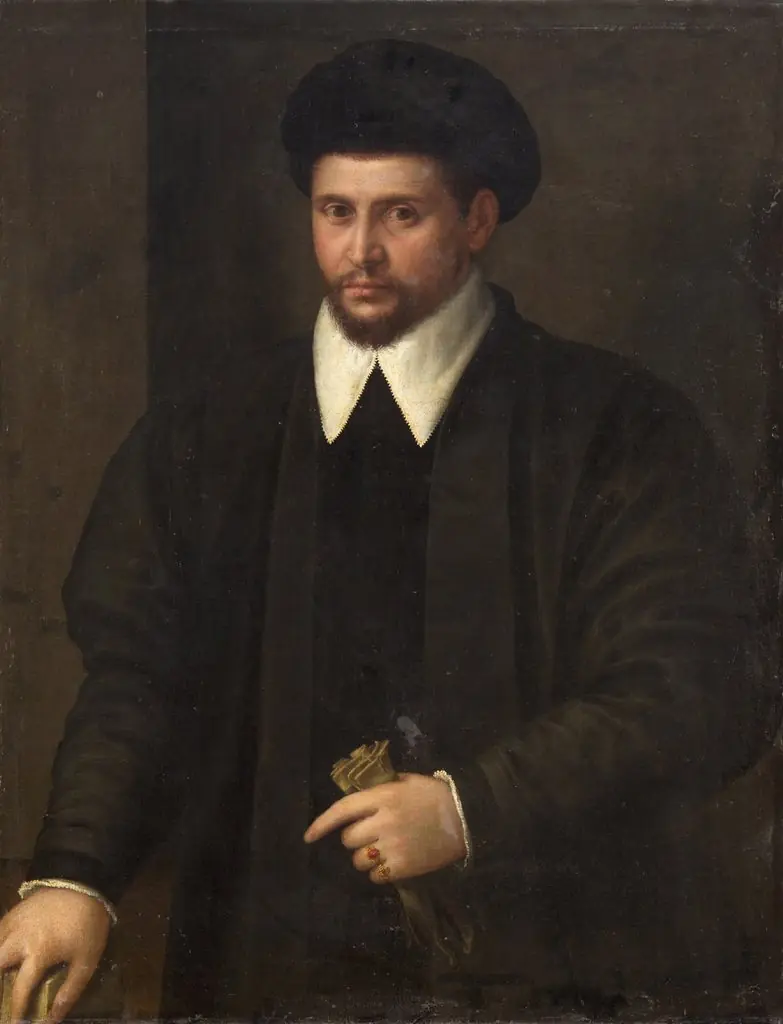 Bildnis eines Mannes mit Barett und Handschuhen
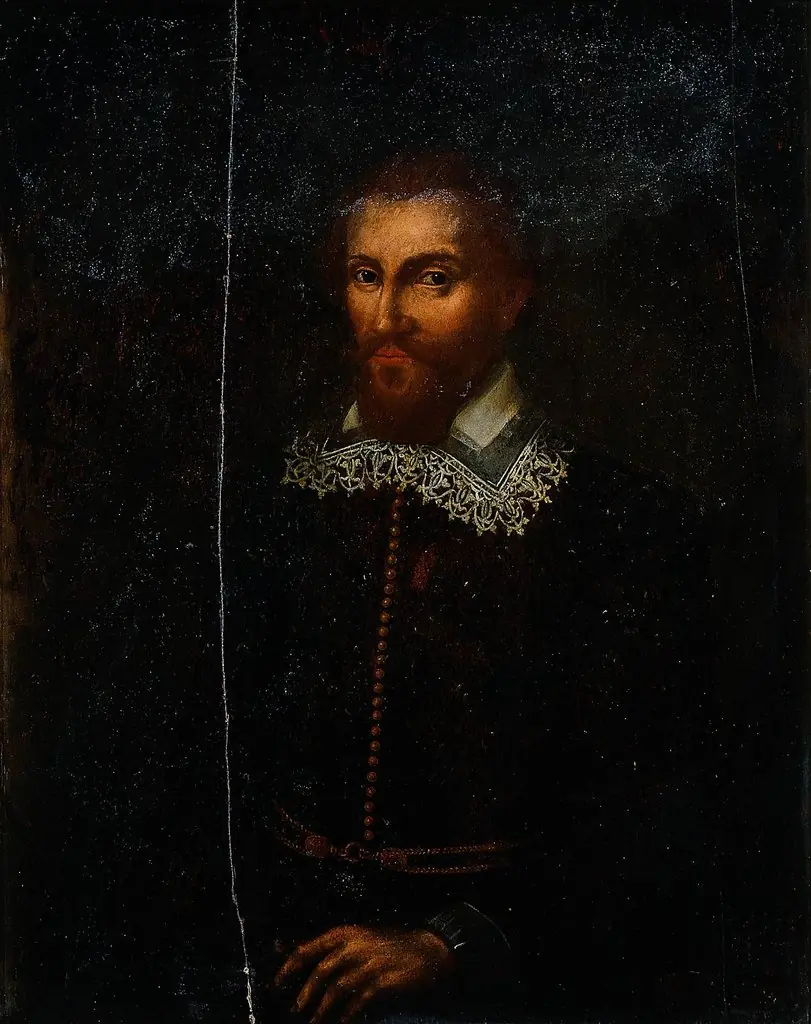 Portrait of Pieter Both, Governor-General of the Dutch East Indies
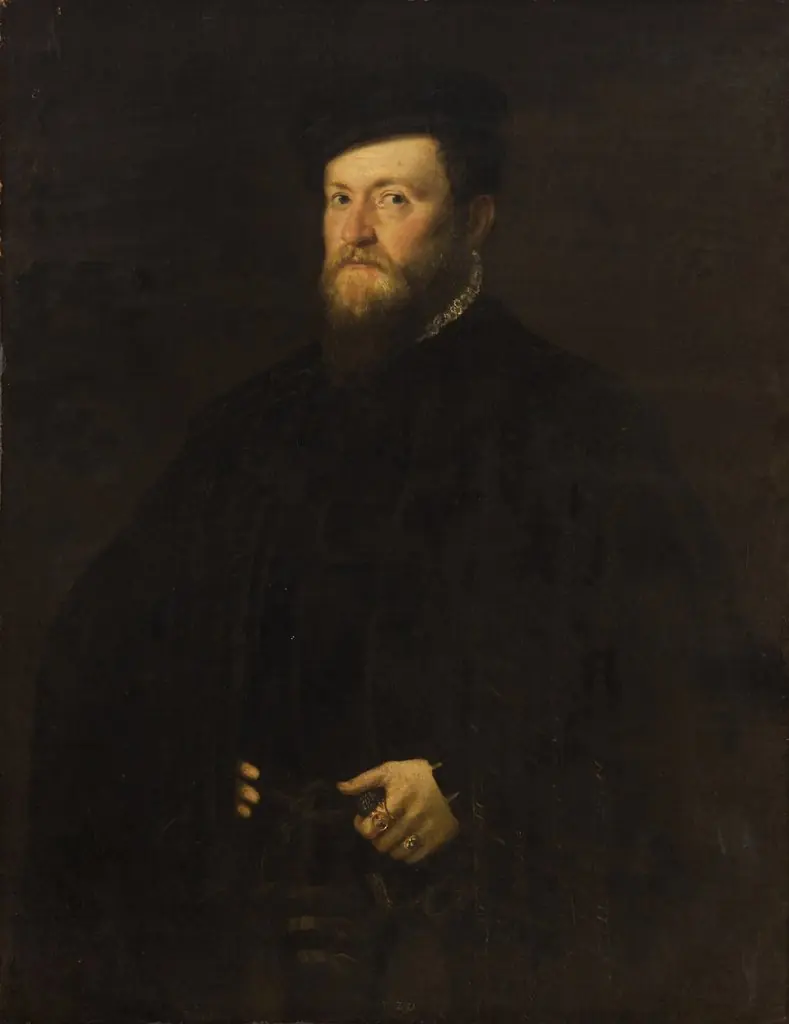 Portrait of a Man in a Cape
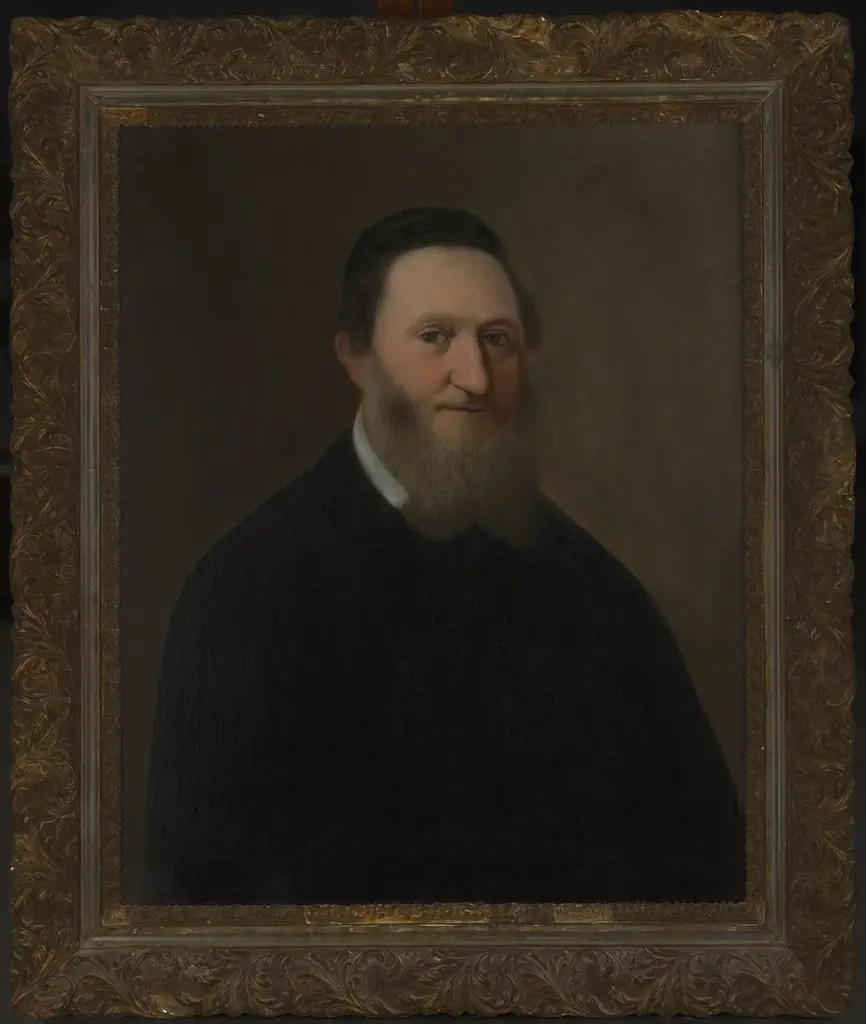 Portrait of Józef Haber
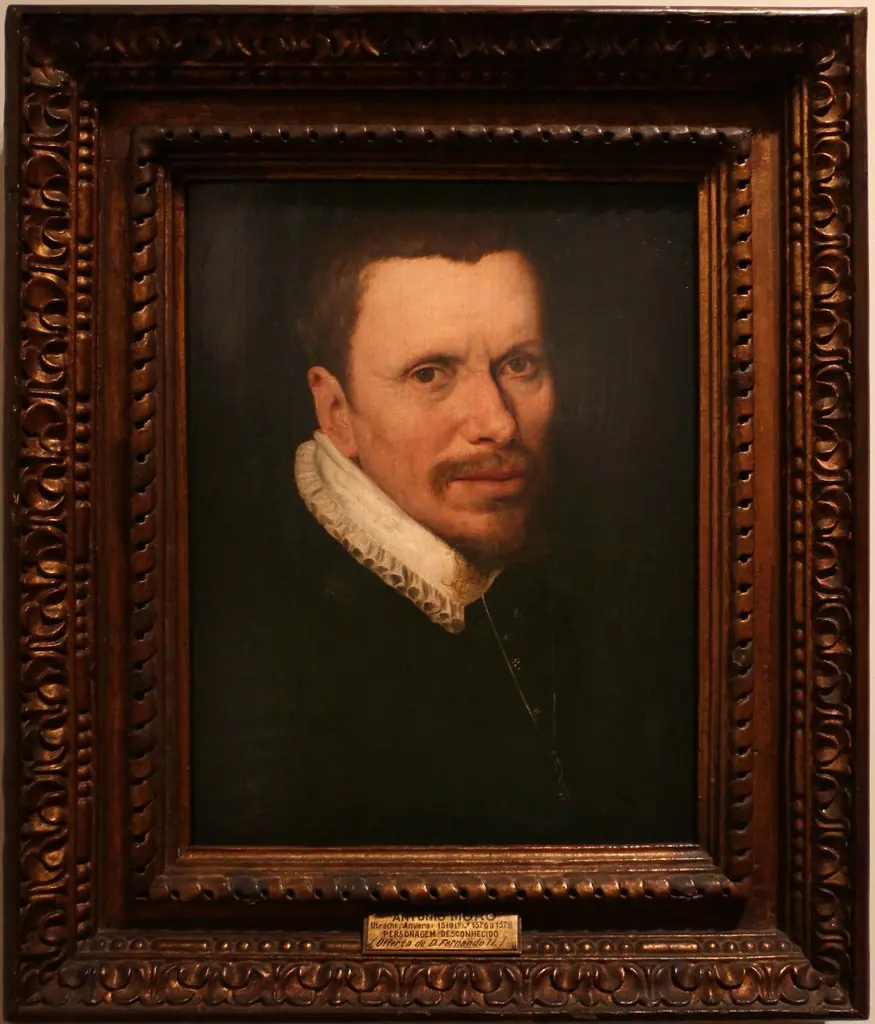 Male Portrait
 Portrait of Willem van Lokhorst (1514-64)
 Bildnis eines Mannes