Artwork
Portrait of Józef Haber
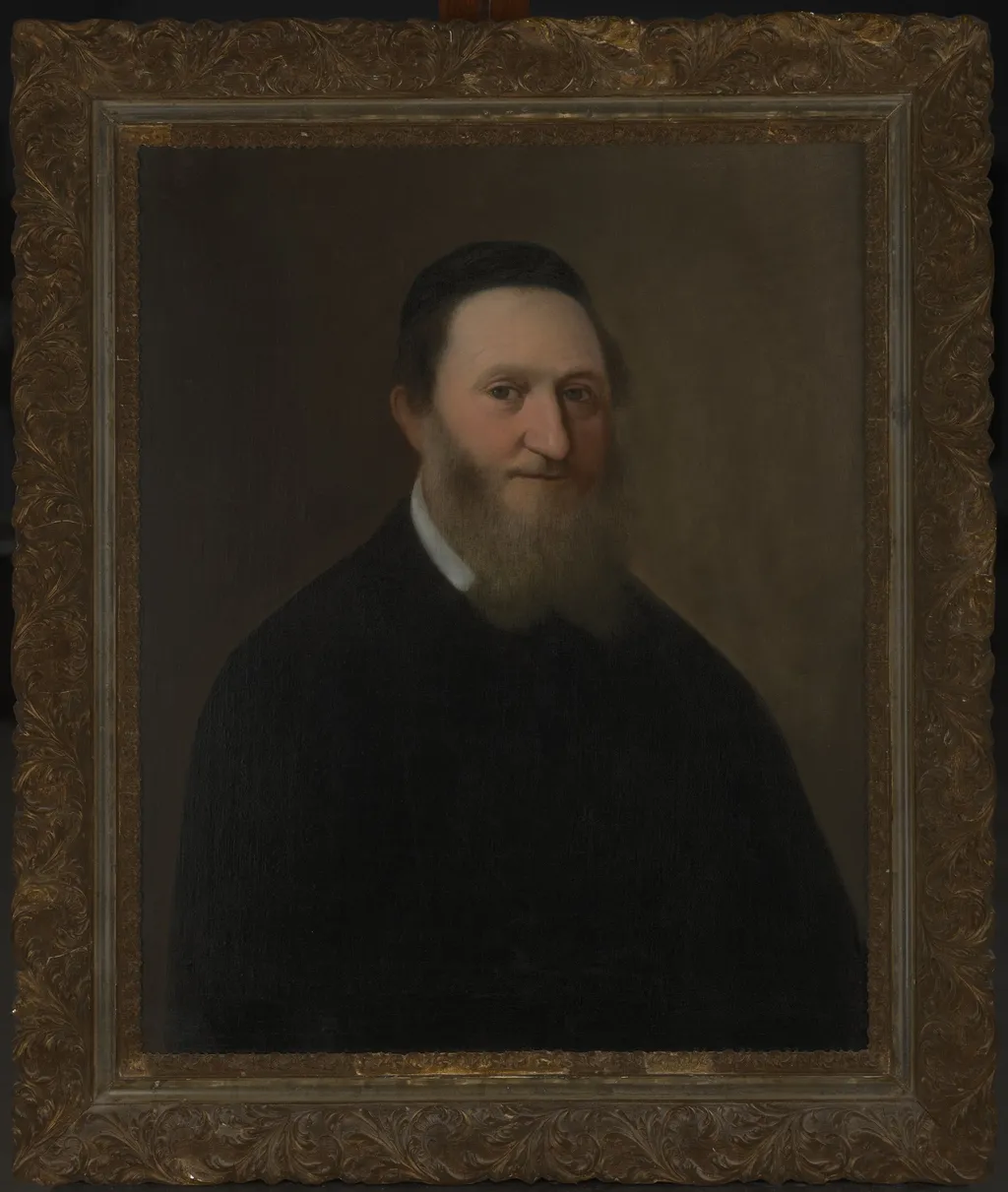
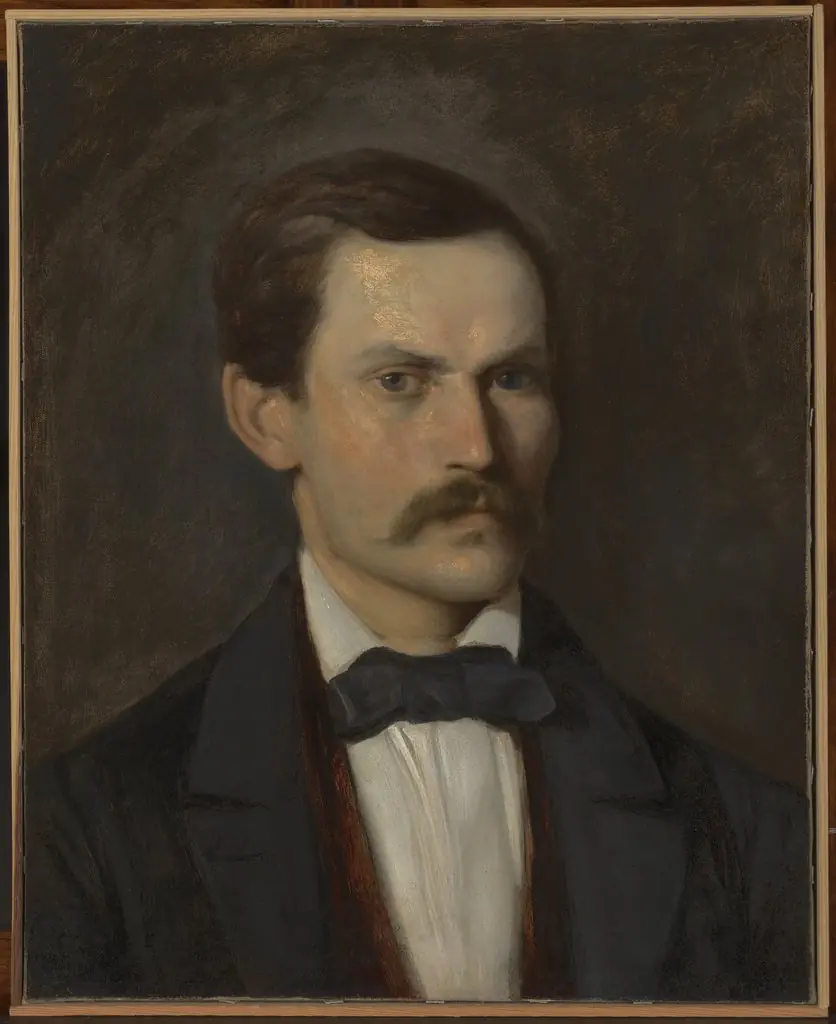
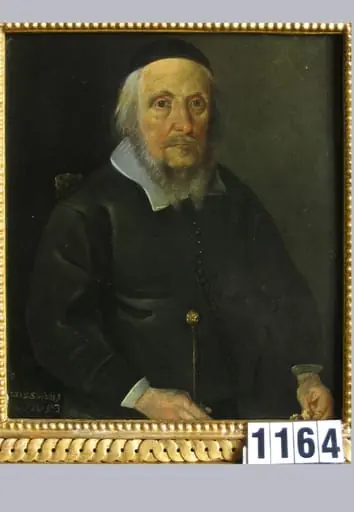
Portrait of Józef Haber is an unspecified painting by Aleksander Kotsis. It dates from 1872 and is held in the collection of the National Museum in Kraków.
About this work
Overview
This portrait is one of several he produced in his later career, reflecting his interest in capturing individual presence rather than grand narrative.
Aleksander Kotsis painted the portrait of Józef Haber in 1872, during a period when he focused on intimate, small-scale works. A Polish artist rooted in Kraków, Kotsis combined observational precision with a restrained emotional tone. This portrait is one of several he produced in his later career, reflecting his interest in capturing individual presence rather than grand narrative. It resides today in the National Museum in Kraków.
Subject & Meaning
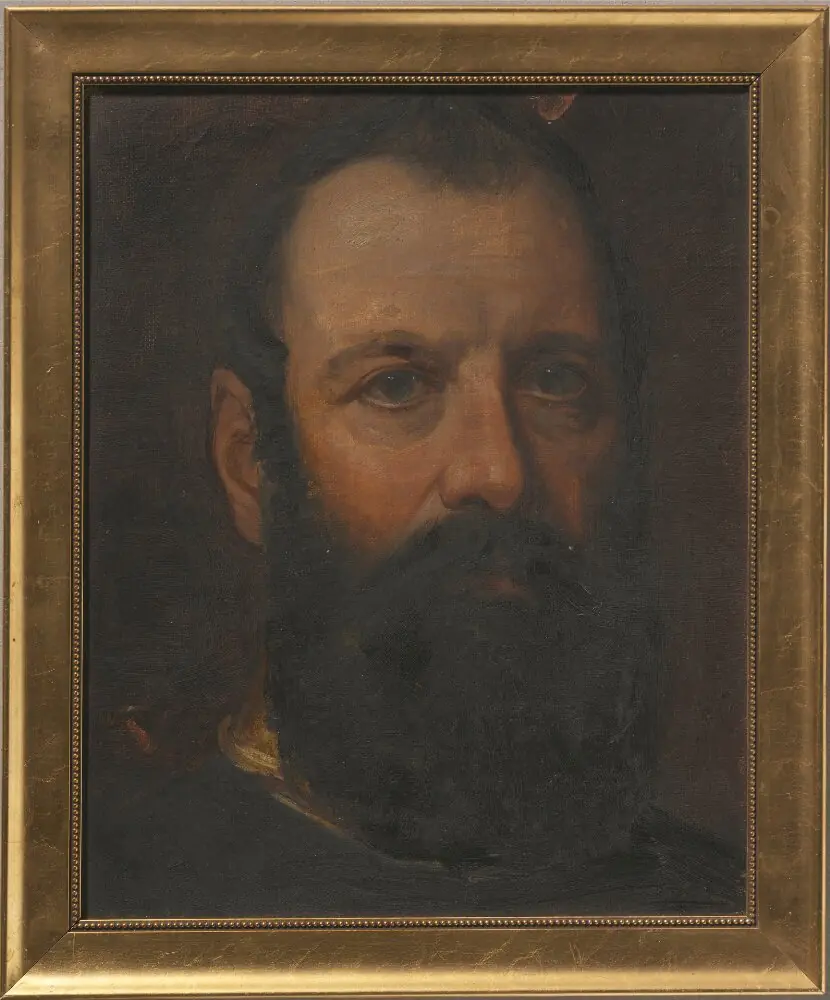
Józef Haber, the subject, is depicted with a full beard and dark hair, dressed in a dark jacket over a white shirt. His direct gaze and neutral expression convey a quiet dignity, avoiding theatricality. The absence of contextual clues or symbolic elements suggests the portrait prioritizes personal presence over social status or narrative. Kotsis presents Haber as an individual, not a figure of historical or political significance.
Technique & Style
Kotsis employed a realistic approach with careful attention to texture and form. The fabric of the jacket is rendered with subtle tonal shifts, while the beard and hair show fine, deliberate brushwork. The solid brown background isolates the figure, focusing attention on facial structure and attire. The palette is muted, dominated by darks and neutrals, reinforcing the portrait’s understated, contemplative character.
History & Provenance
The painting has remained in Poland since its creation, entering the collection of the National Museum in Kraków in the late 19th or early 20th century. Its provenance is unbroken, with no record of public exhibition or private ownership outside institutional custody. As part of Kotsis’s personal oeuvre, it was likely retained by the artist or passed to close associates before institutional acquisition.
Context
In the 1870s, Polish art was navigating between Romantic idealism and emerging Realism. Kotsis, influenced by both, favored quiet, unadorned depictions of everyday people. Unlike contemporaries who emphasized national themes, he turned to individual portraiture as a means of psychological observation. This work reflects a broader shift toward intimate, non-heroic representation in Central European art during the period.
Legacy
Though not widely reproduced, the portrait exemplifies Kotsis’s contribution to Polish portraiture through its restraint and technical clarity. It stands as a quiet counterpoint to more dramatic 19th-century depictions, valued today for its sincerity and attention to the ordinary. The work continues to inform scholarly understanding of regional realism and the role of the individual in Polish visual culture.
Artist & collection
Artist
Aleksander Kotsis (30 May 1836 – 7 August 1877) was a Polish painter. He created landscapes, portraits, and genre scenes in a combination Romantic and Realistic style. Most of his paintings are small. He was born and died in Kraków.

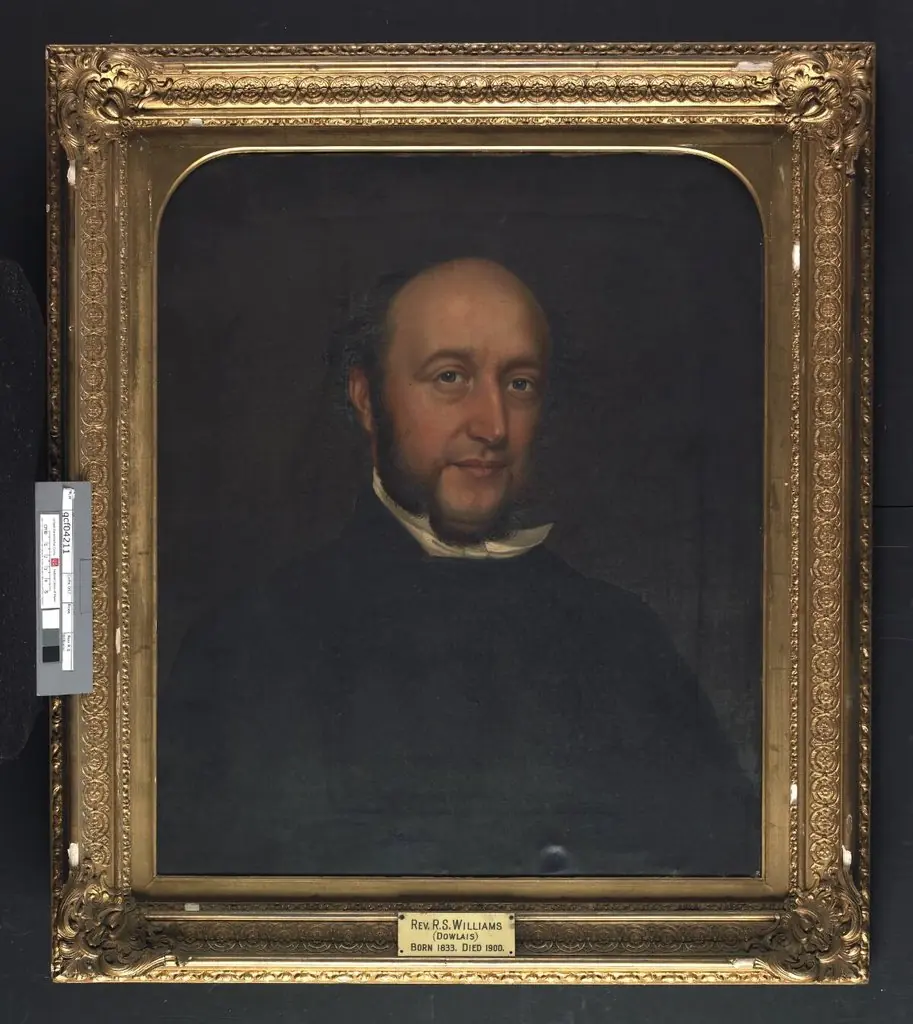 Rev R S Williams (Dowlais), 1833-1900
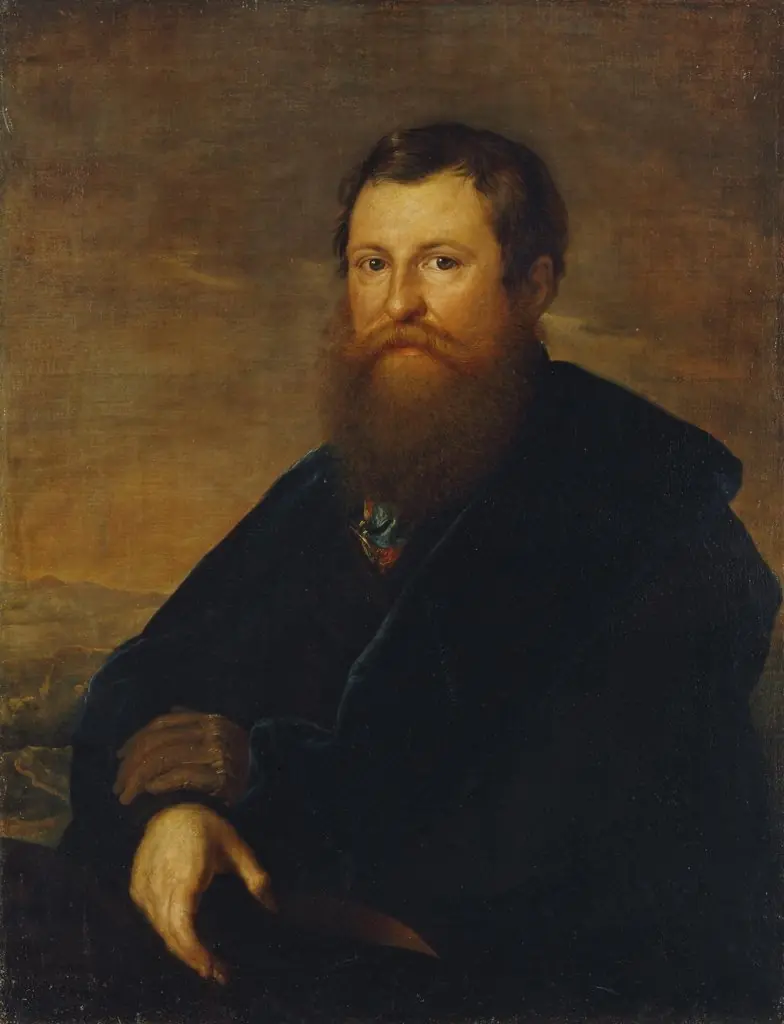 Portrait of the Merchant Alexander Sapozhnikov
 Portrait of Wiktor Grajewski, the last border judge in Samogitia
 Προσωπογραφία του Θεόφιλου Καΐρη
 Karl XV (1826-1872)
 Fredrik Signeul (1810 - 1890), Paint Manufacturer, Director of an Orphanage in Uddevalla
 Ebenezer Cooper, Llangollen
 Portrait of a man with a goose quill in his hand
 Portrait of Sigismund Augustus (1520-1572) with gloves
 Charles F. Bayer
 Portret de bărbat