Artwork
Cartouches Modernes orné avec des [diferentes Figures] (Plate VI-1 from the set)
![Cartouches Modernes orné avec des [diferentes Figures] (Plate VI-1 from the set), by Johann Esaias Nilson, chalk, 1754](https://artifactworldgallery.com/img/johann-esaias-nilson--cartouches-modernes-orne-avec-des-diferentes-figures-plate-v--37083fb67ce929ab-w1024.webp)
Cartouches Modernes orné avec des [diferentes Figures] (Plate VI-1 from the set) is a chalk print by the Baroque artist Johann Esaias Nilson. It dates from 1754 and is held in the collection of the National Gallery of Art.
About this work
Overview
Johann Esaias Nilson’s 1754 print, titled *Cartouches Modernes orné avec des différentes Figures* (Plate VI‑1), is a decorative etching that combines line work with pen, black ink, and a gray wash. Executed on laid paper, the sheet bears faint red chalk markings on the verso, indicating the transfer method used to lay out the design before printing.
Subject & Meaning
The composition presents four elegantly dressed figures—a pair of women and two men—arranged within a landscaped garden. They stand beside a small pavilion, beneath trees and a modest bridge, while a cherubic figure hovers above. Ornamental vines and floral motifs frame the scene, emphasizing the print’s role as a decorative cartouche rather than a narrative illustration.
Technique & Style
The red chalk grounding on the back of the paper served as a guide for transferring the design onto the plate, a common practice in 18th‑century printmaking.
Nilson employed a traditional etching process, incising the image into a copper plate and then printing it onto paper. The final work is enhanced by hand‑added pen lines, black ink detailing, and a subtle gray wash that creates depth and shading. The red chalk grounding on the back of the paper served as a guide for transferring the design onto the plate, a common practice in 18th‑century printmaking.
History & Provenance
Created in the mid‑18th century, the print formed part of a larger set of ornamental plates intended for decorative purposes, such as framing or interior embellishment. While specific ownership records are scarce, the work exemplifies Nilson’s output for the French market, where such ornamental prints were in demand for aristocratic interiors.
Context
During the 1750s, decorative prints featuring allegorical figures and elaborate foliage were popular in Rococo interiors. Nilson’s work aligns with this trend, providing a portable, reproducible alternative to painted wall panels. The inclusion of a cherub and stylized flora reflects the period’s fascination with classical motifs and lighthearted ornamentation.
Legacy
Although not widely cited in modern scholarship, Nilson’s ornamental etchings contribute to our understanding of 18th‑century decorative arts. They illustrate the technical blend of printmaking and hand‑finished touches that allowed artists to meet the era’s demand for elegant, repeatable designs.
Artist & collection

 Portrait of a Man
 Rococo Fountain with Lovers and the Four Elements
 Two Actors Peeking through a Theater Curtain while Others Prepare the Footlights
 Ladies and Gentlemen Playing Billiards
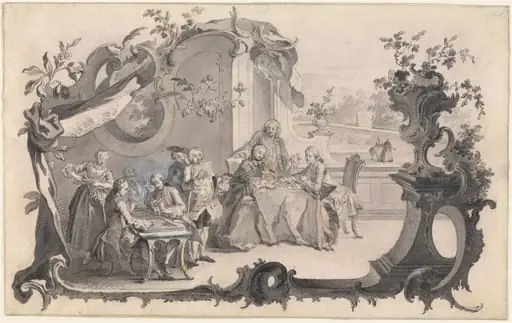 An Elegant Company Playing Board Games
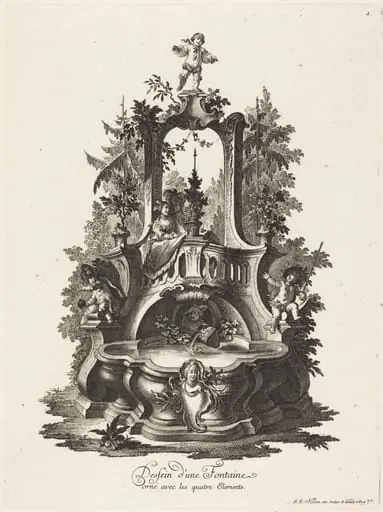 Dessein d'une Fontaine orné avec les quatre Elements (Design for a Fountain Decorated with the Four Elements)
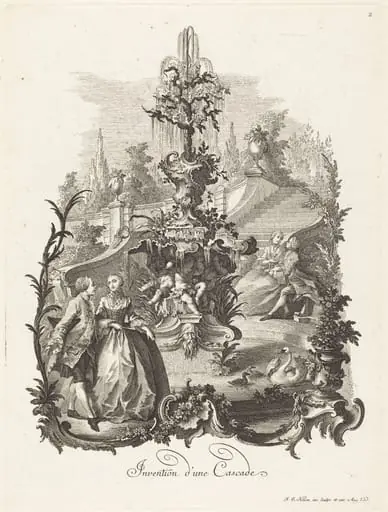 Invention d'une Cascade (Design for a Cascade)
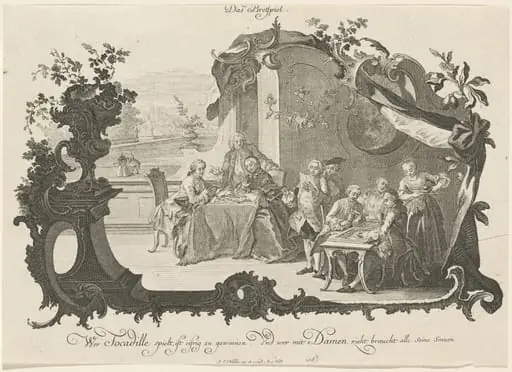 Das Bretspiel (Ladies and Gentlemen Playing Board Games)
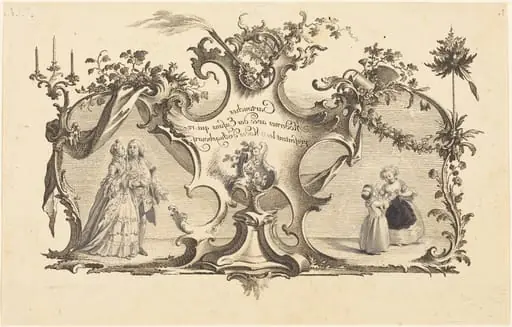 Cartouches Modernes avec des Enfans qui representant les Modes d'Augsbourg
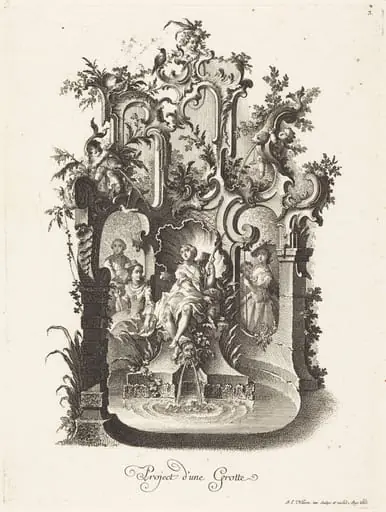 Project d'une Grotte (Plan for a Grotto)
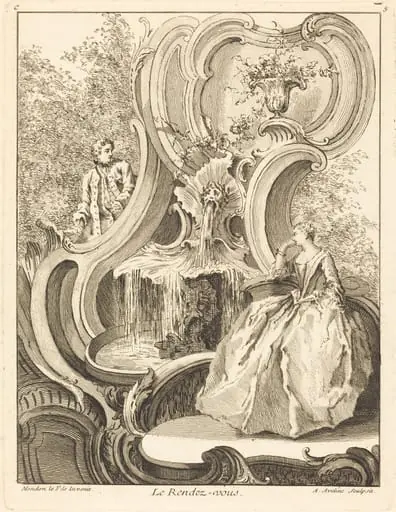 Le Rendez-vous
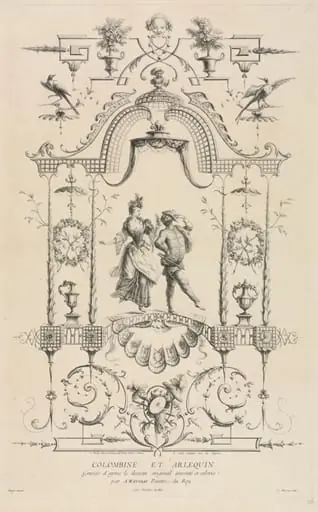 Columbine and Harlequin
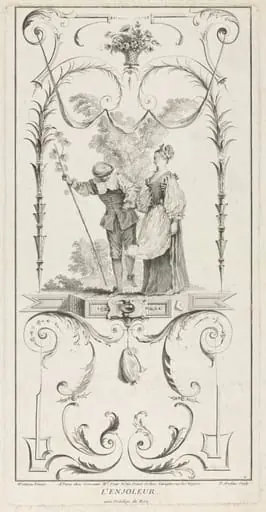 The Coaxer, Arabesque
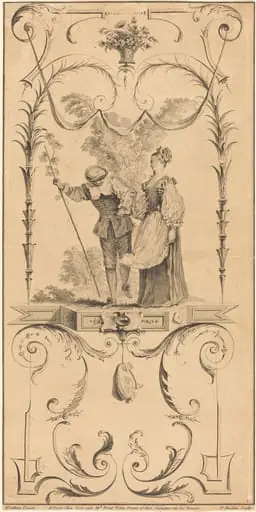 Shepherd and Shepherdess (?)
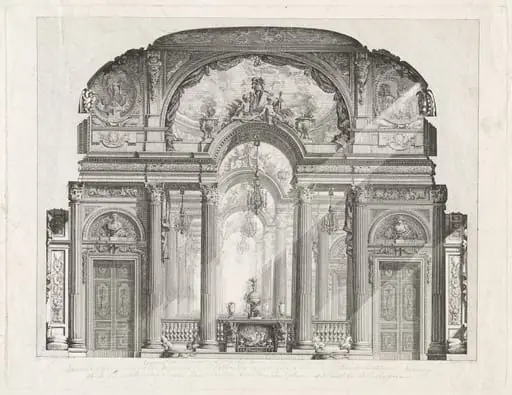 Cross Section of the Salon of the Palazzo Spinola, Genoa
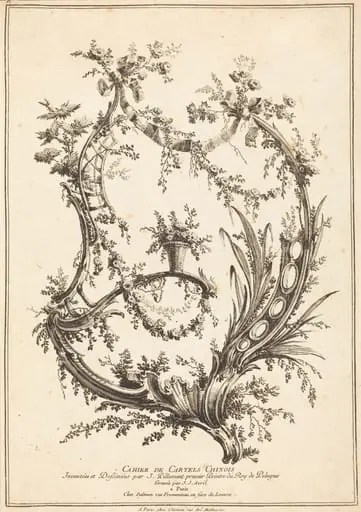 Title Page
 Livre de Tables
 LeMay
LeMay Cartouche Moderne with Emblems of Death