Artwork
The taking down from the Cross
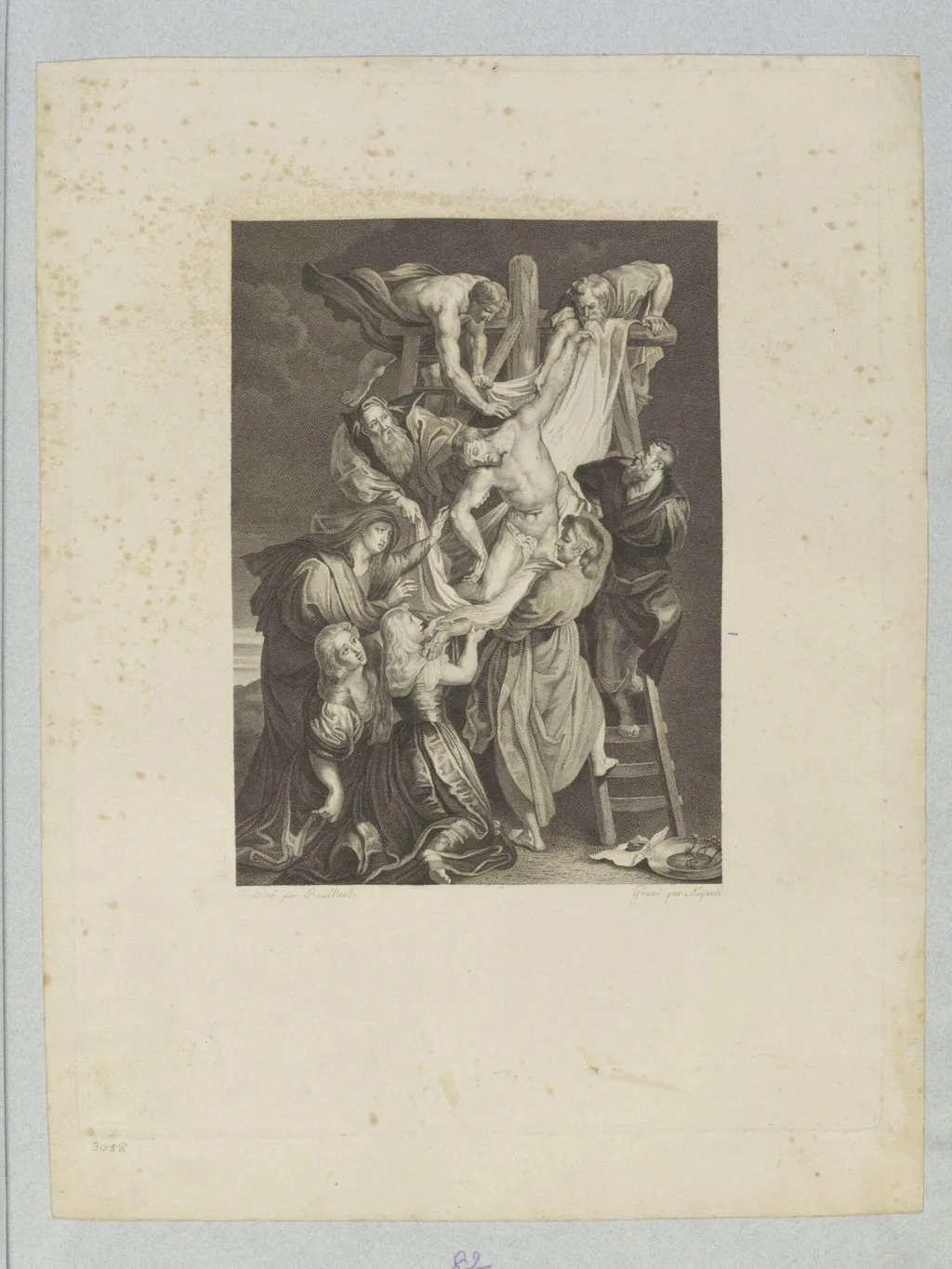
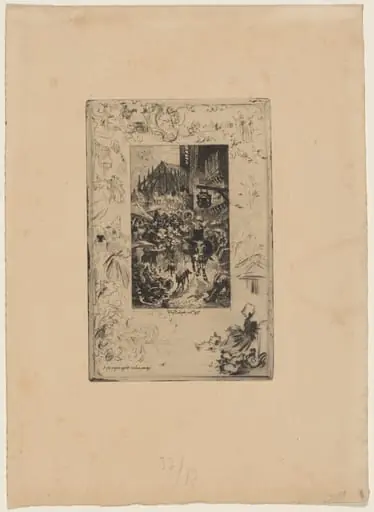
The taking down from the Cross is a print by Anthony Gregory Niquet. It dates from 1850 and is held in the collection of the Victoria and Albert Museum.
About this work
Overview
This 1850 print by Anthony Gregory Niquet reproduces a scene of Christ’s removal from the cross, originally composed by Peter Paul Rubens.
This 1850 print by Anthony Gregory Niquet reproduces a scene of Christ’s removal from the cross, originally composed by Peter Paul Rubens. Executed as a reproductive engraving on paper, it was included in an illustrated catalog of the National Gallery’s collection. The work serves as a faithful translation of Rubens’s painted composition into the medium of print, intended for wider dissemination among collectors and scholars.
Subject & Meaning
The scene captures the moment after Christ’s crucifixion, as mourners carefully lower his body from the cross. Figures surround the cross in varied postures of grief and reverence—some reaching upward, others bowing in silence. The draped white cloth emphasizes the humanity of the deceased, while the dark, undefined background focuses attention on the solemn ritual, evoking contemplation rather than narrative detail.
Technique & Style
Niquet employed fine line engraving to render the figures and drapery with precision, capturing the sculptural volume and emotional weight of Rubens’s original. The contrast between light and shadow, derived from chiaroscuro, is subtly suggested through hatching and cross-hatching, lending depth to the forms without overt tonal variation. The composition remains tightly focused, preserving the dramatic intimacy of the Baroque source.
History & Provenance
The print was produced in 1850 as part of a scholarly catalog documenting the National Gallery’s holdings. It reflects the 19th-century practice of reproducing major paintings in print form to educate the public and support institutional collections. Niquet, known for his reproductive engravings, was commissioned to translate Rubens’s composition into a format accessible to a broader audience beyond the gallery walls.
Context
In mid-19th-century Britain, there was growing interest in Old Master paintings, and reproductive prints played a key role in making them visible to the public. Rubens’s religious scenes were especially admired for their emotional intensity and dynamic composition. Niquet’s print participated in this cultural movement, bridging the Baroque tradition with Victorian-era art appreciation.
Legacy
Though not an original composition, Niquet’s print preserved and circulated Rubens’s influential imagery for generations. It stands as an example of how reproductive engraving sustained the visibility of canonical works before the age of photography. Today, it remains a document of 19th-century art dissemination and the enduring resonance of Baroque religious iconography.
Artist & collection
Artist
Anthony Gregory Niquet kept a tiny Paris apartment so cluttered with prints and inks that visitors could barely squeeze past the stacks to the windows.

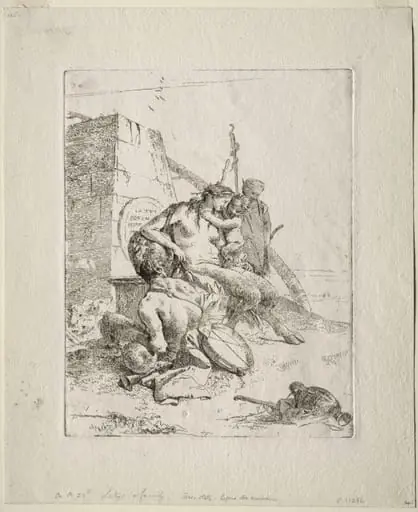 Scherzi di Fantasia: Satyr Family with the Obelisk
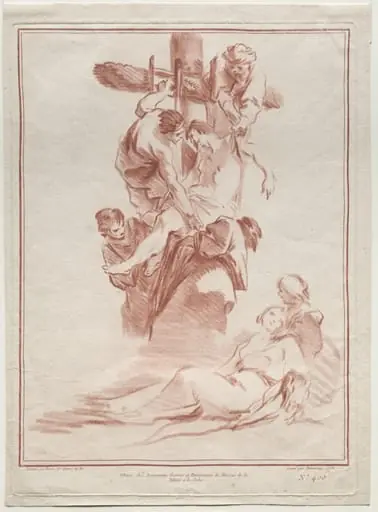 The Descent from the Cross
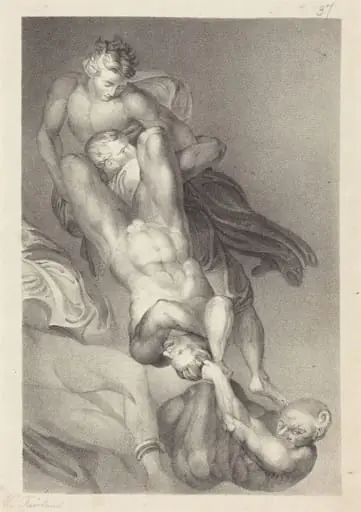 Part of the Last Judgment from Michael Angelo
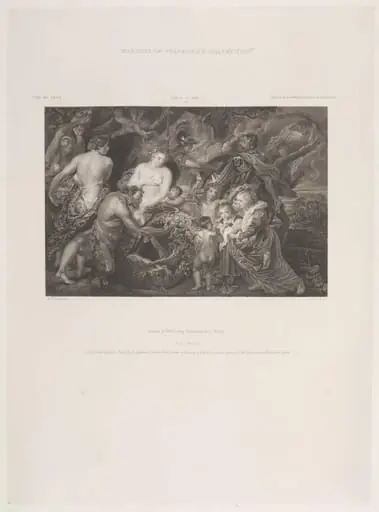 Peace and War
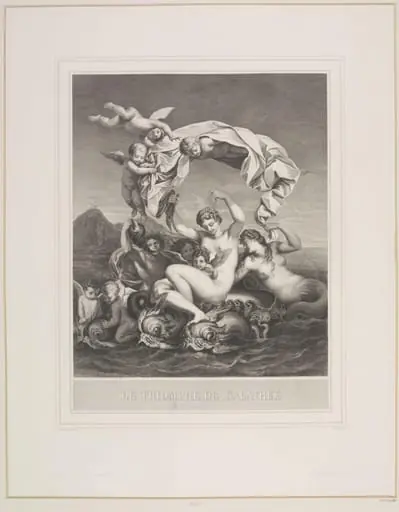 Triumph of Galatea
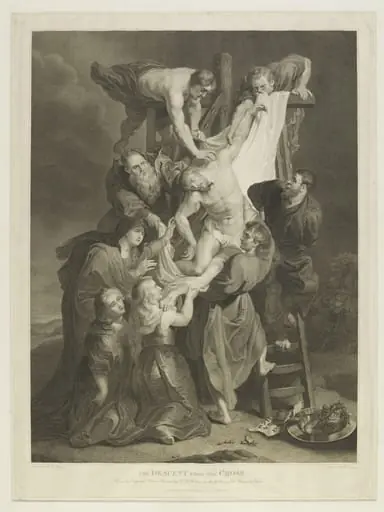 Descent from the Cross
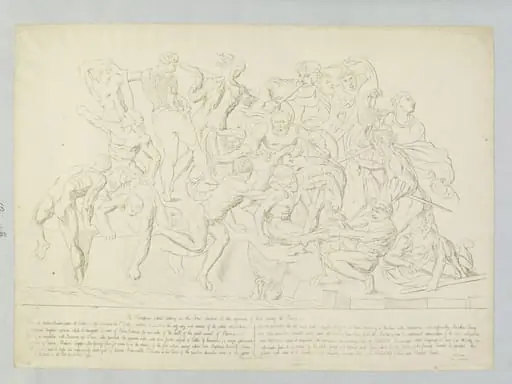 The Cartoon of Pisa
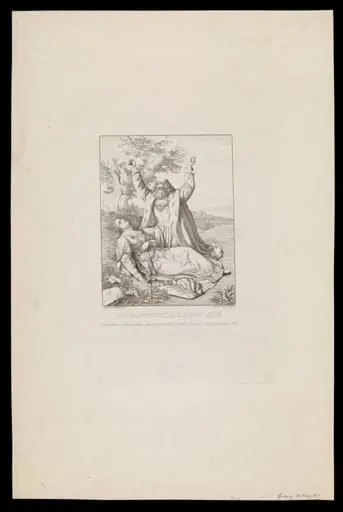 H Beard Print Collection
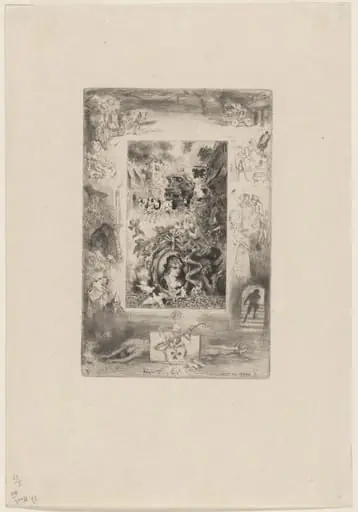 La Diligence de Beaucaire
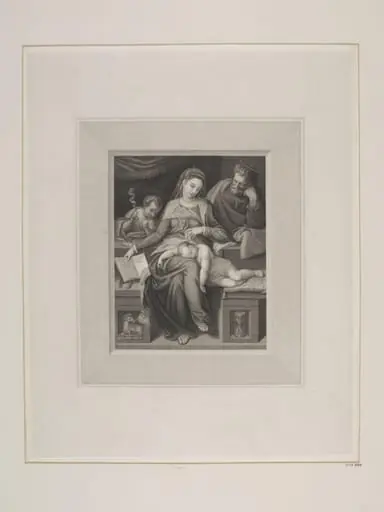 Holy Family
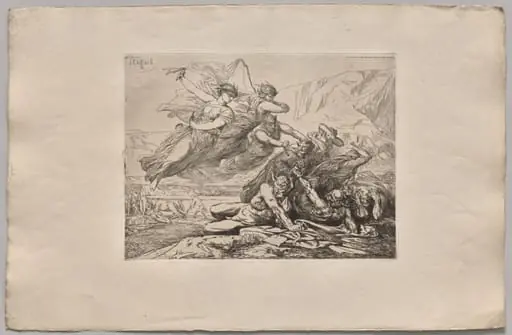 Justice, Vengence, and Truth
 Je fis ce qu'on appelle un bon marche.