Artwork
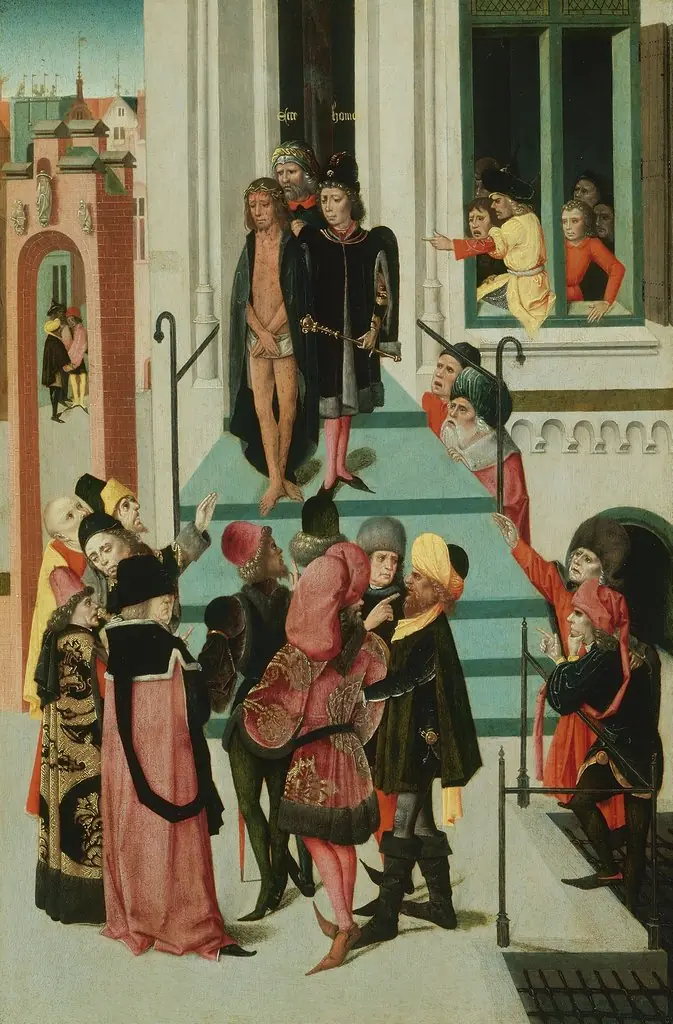
Christ Presented to the People
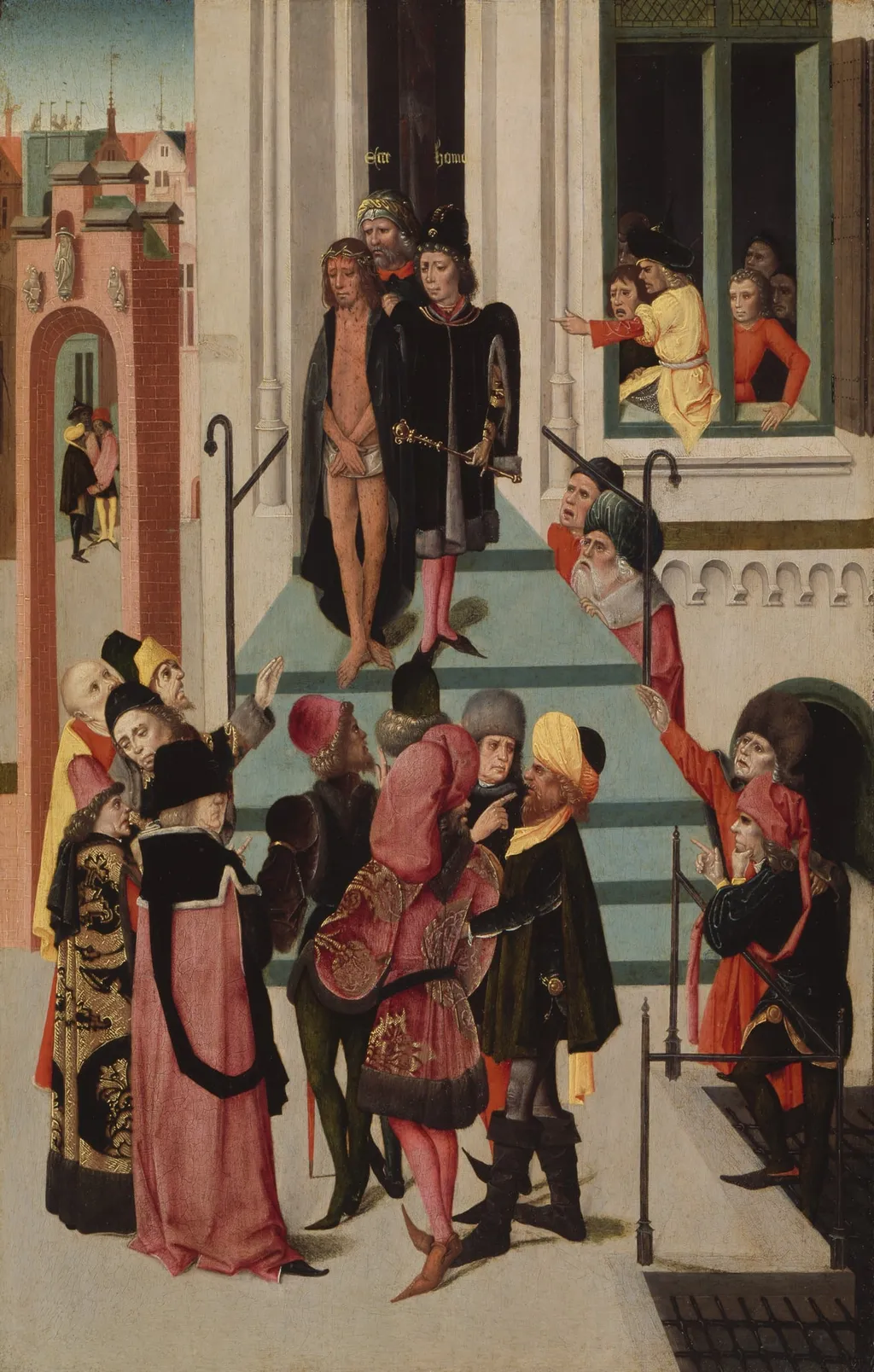
Christ Presented to the People is an oil painting by the Northern Renaissance artist North Netherlandish. It dates from 1480 and is held in the collection of the Art Institute of Chicago.
About this work
Overview
Christ Presented to the People is an oil‑on‑panel work dating from the fifteenth century, originating in the northern provinces of the Netherlands, an area now identified with Holland. The painting survives as one of the few panel pieces from this region, where artistic output was comparatively limited and later suffered extensive loss during mid‑sixteenth‑century iconoclastic upheavals.
Subject & Meaning
The composition depicts the moment when the Roman governor Pontius Pilate brings the crucified Jesus before a hostile assembly for judgment. The artist balances the crowd’s antagonistic gestures with a tender rendering of Christ, emphasizing both the public’s aggression and the figure’s solemn dignity within the biblical narrative.
Technique & Style
Executed with oil on wood, the work employs a muted, earthy palette typical of northern Dutch painting, achieved through layered glazing that deepens tonal variation. This approach creates a naturalistic texture and a restrained atmosphere, reflecting the regional preference for realism over the more vivid coloration found in contemporary southern Netherlandish art.
History & Provenance
The painting’s survival is notable given the widespread destruction of religious images during the iconoclastic riots of the 1560s, which devastated much of the northern Netherlandish visual heritage. Its provenance traces back to a private collection in Holland before entering a museum setting in the twentieth century, where it remains a rare example of its origin.
Context
In the fifteenth‑century northern Netherlands, artistic centers were fewer than in the bustling southern cities such as Bruges or Ghent. Consequently, surviving works from this area are scarce, and those that endure, like this panel, provide valuable insight into the regional aesthetic, characterized by sober realism and a focus on narrative clarity.
Own this work as a print
Artist & collection
Artist
This painter made religious scenes in the late 1400s, when Northern artists were shifting from stiff Gothic styles to richer oil paint and deeper emotion.

 Ecce Homo
 Ecce Homo
 Ecce Homo
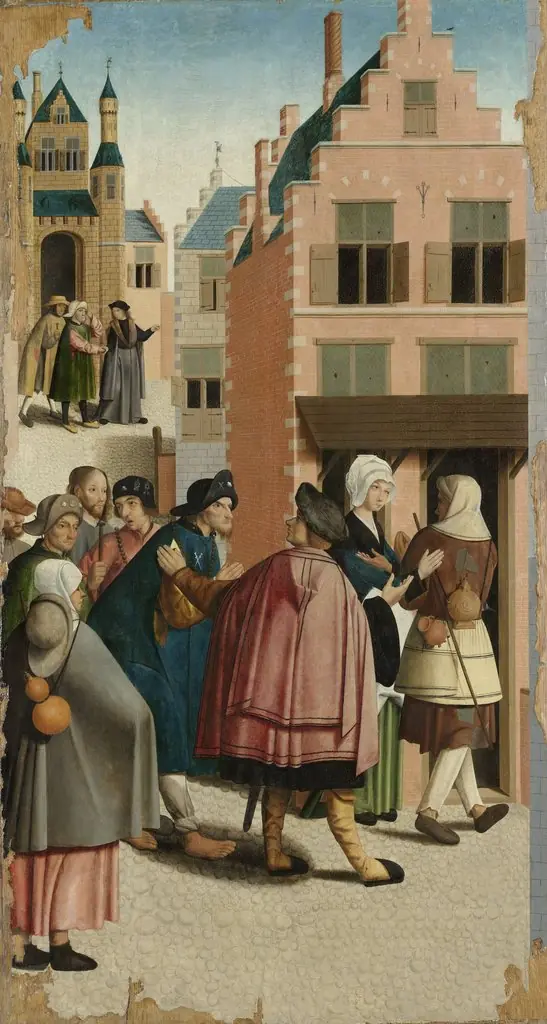 The Seven Works of Mercy
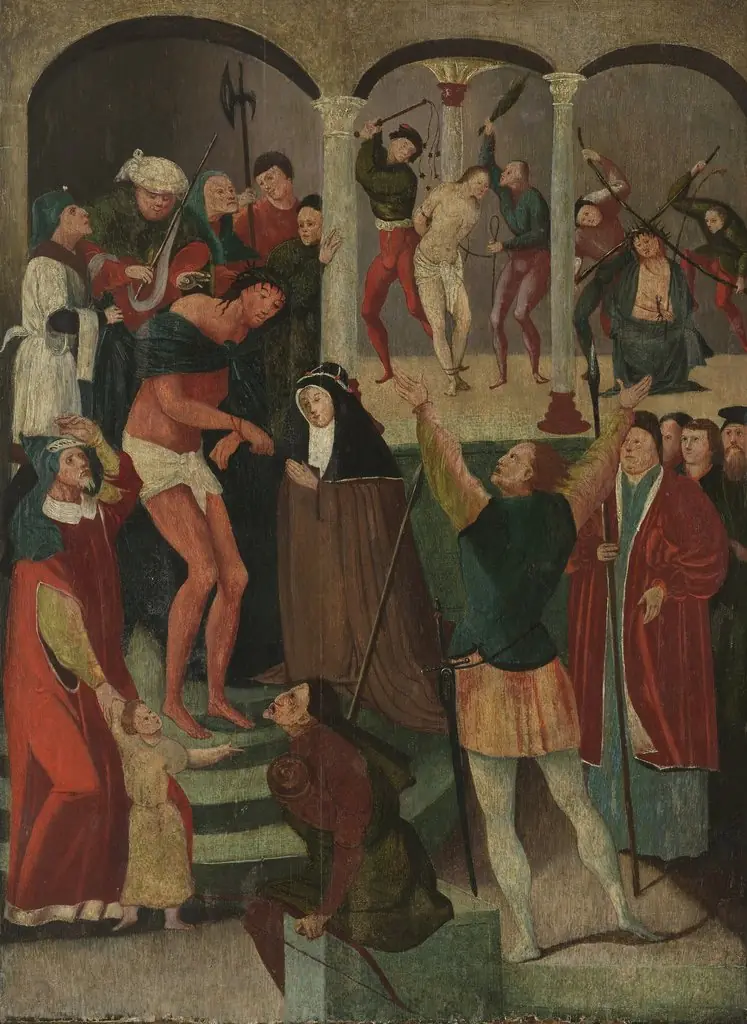 Ecce homo
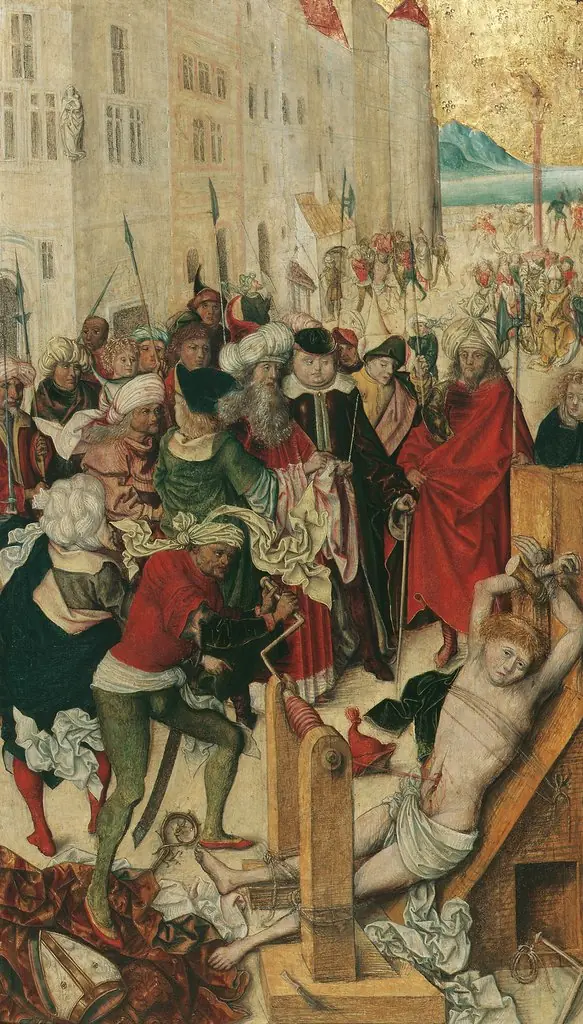 Martyrdom of St. Erasmus
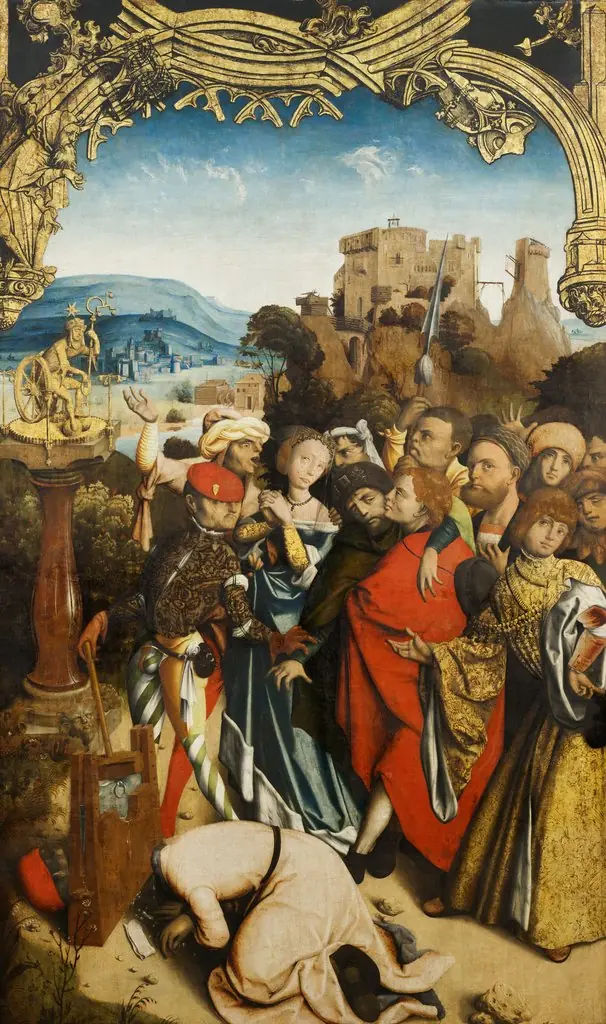 Martyrium der hll. Cantius, Cantianus und Cantianilla (Innenseite); Auferstehung Christi (Außenseite)
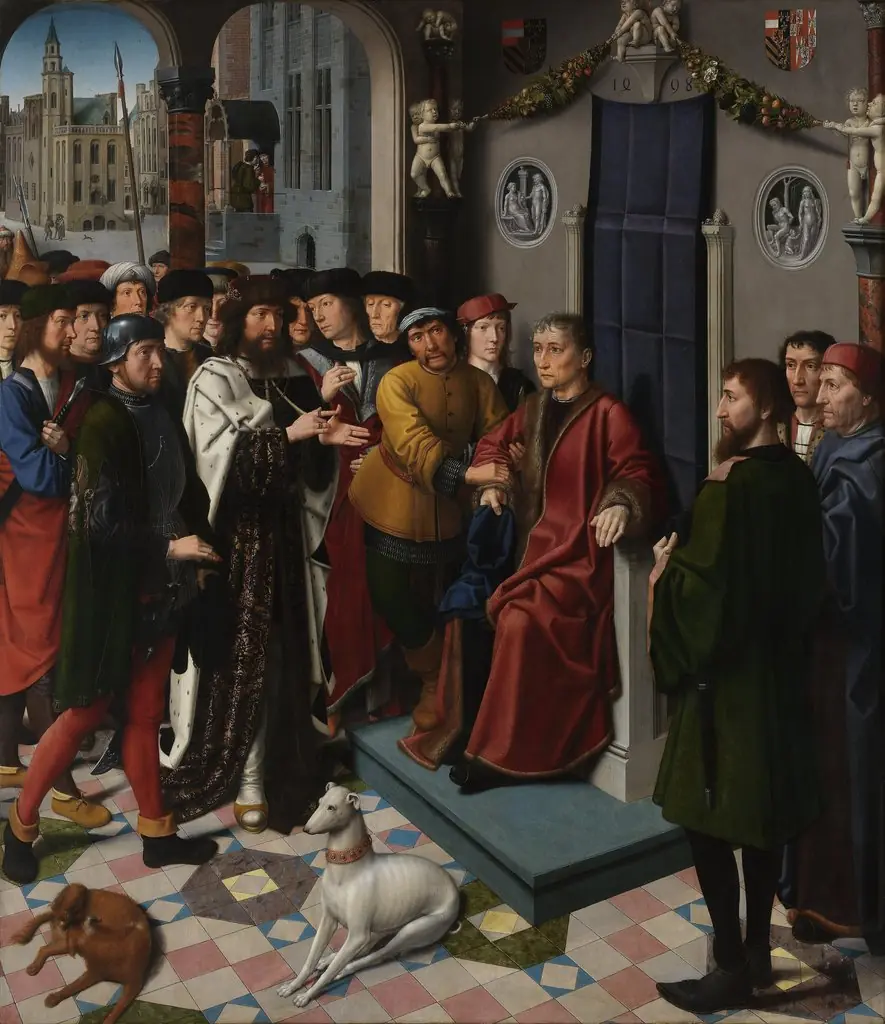 Judgement of Cambyses: The Arrest of Sisamnes
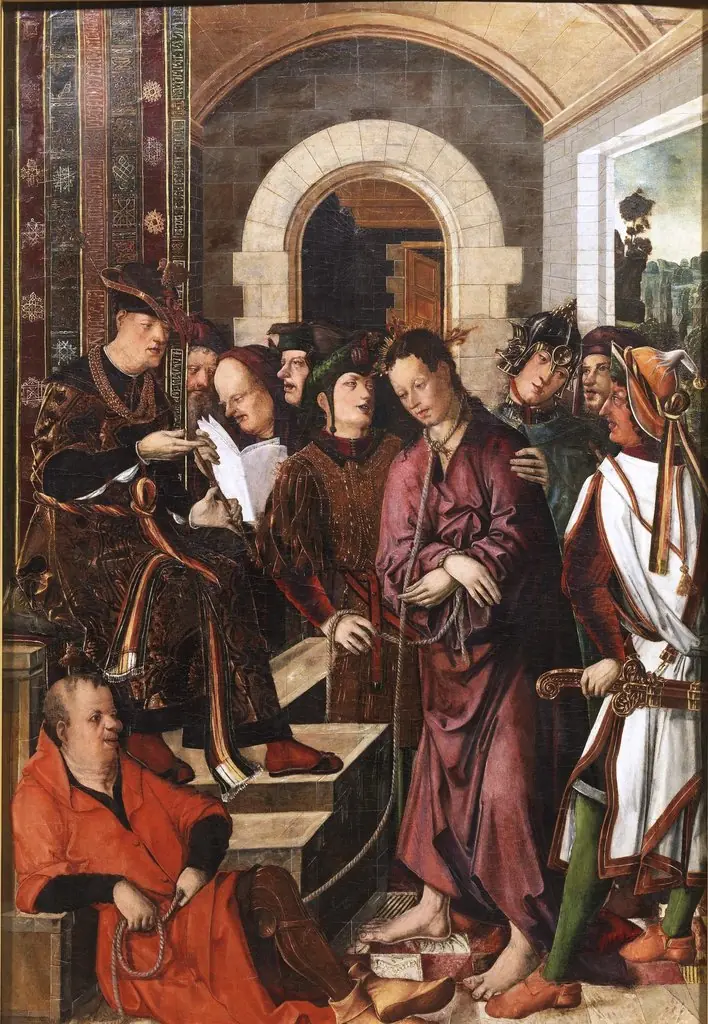 Christ before Pilate
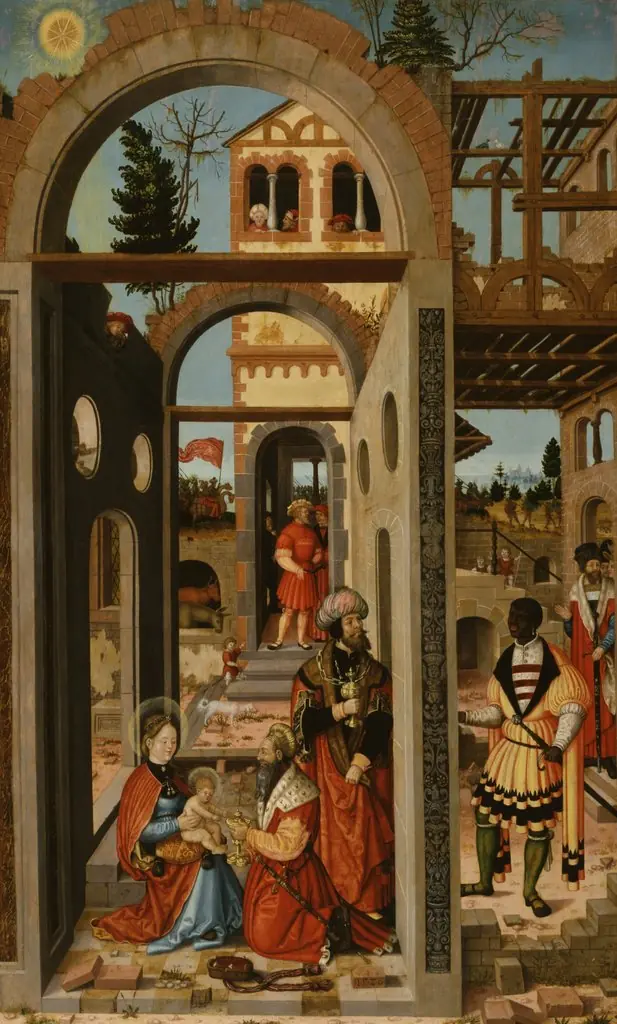 Adoration of the Three Kings
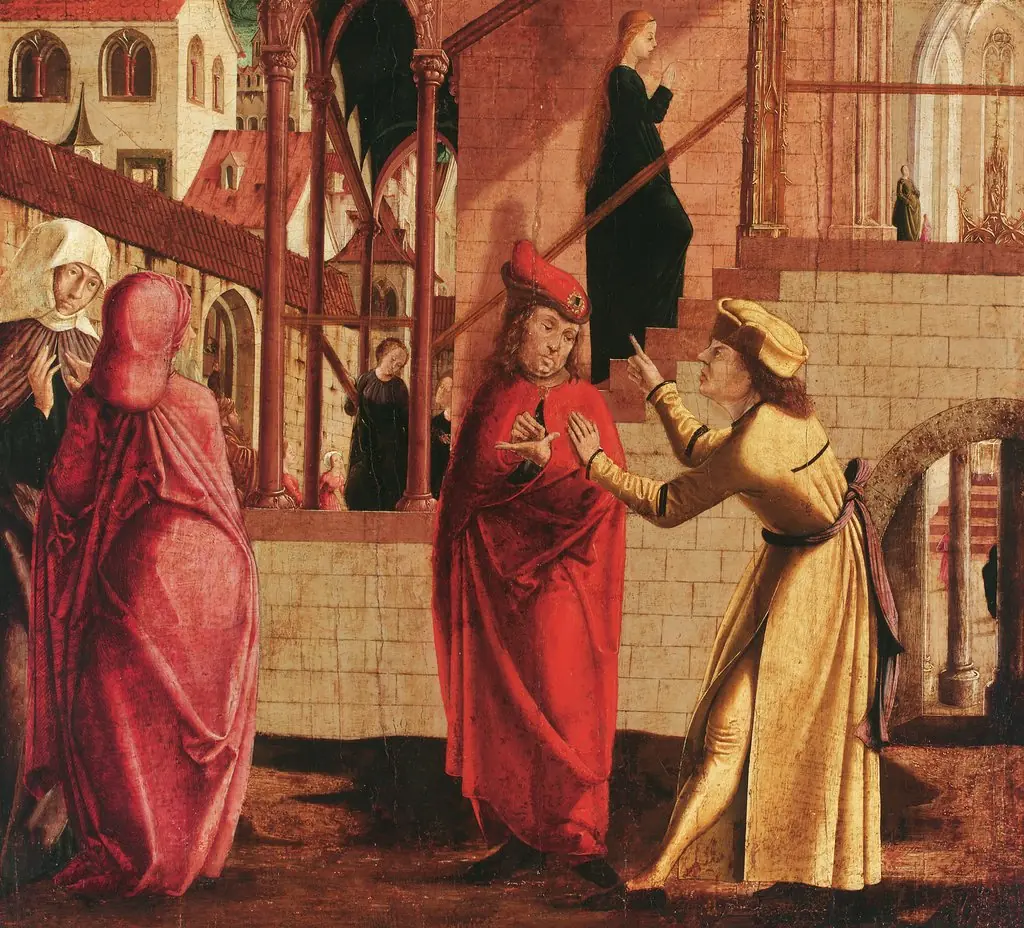 Tempelgang Mariens
 Christ Presented to the People