Artwork
The Peep-Show
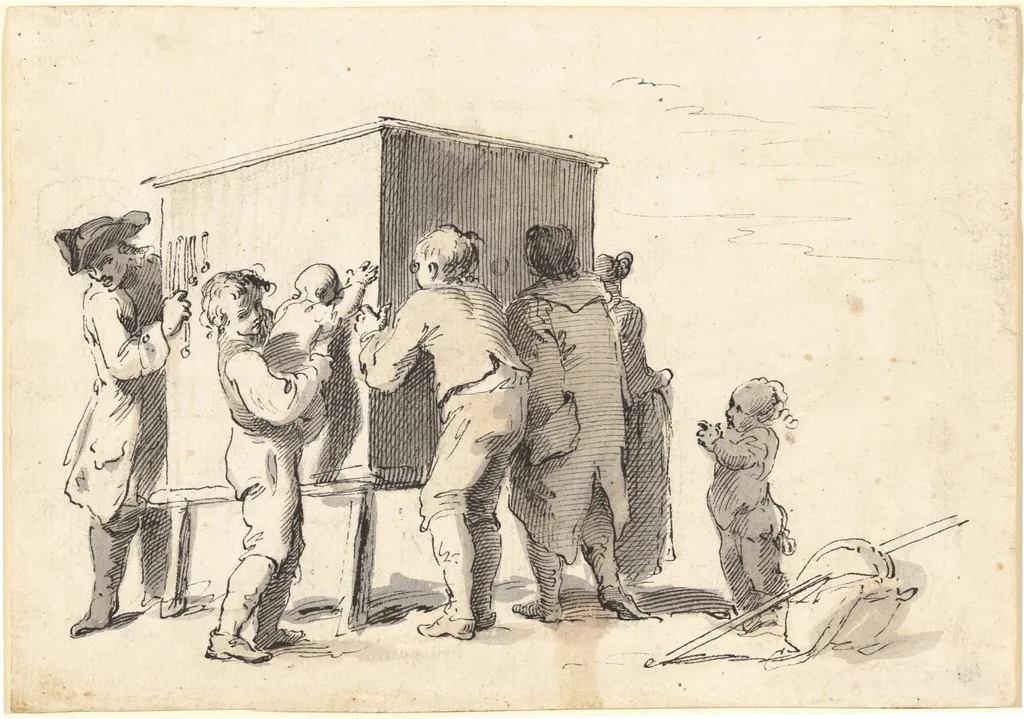
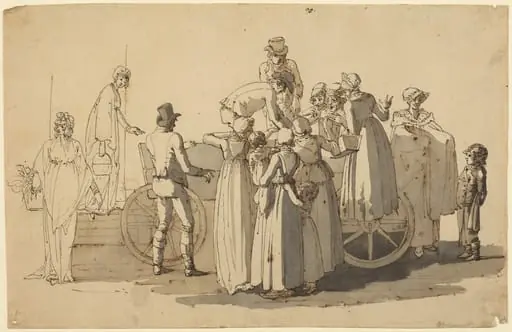
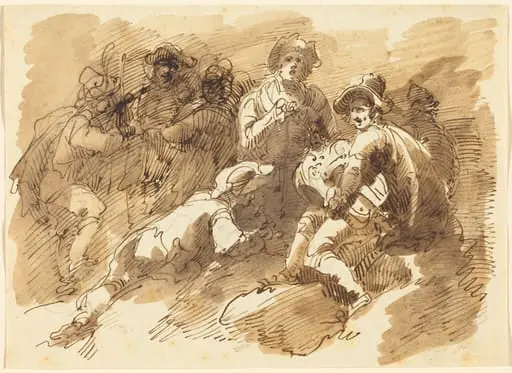
The Peep-Show is an ink drawing by the Romanticist artist Pietro Antonio Novelli. It dates from 1766 and is held in the collection of the National Gallery of Art.
About this work
Overview
The Peep-Show is a drawing by Pietro Antonio Novelli, dated to 1766, executed in pen and black ink with gray and yellow-brown washes over black chalk on laid paper.
Subject & Meaning
The drawing depicts a lively scene of a crowd gathered around a small wooden peep-show box. Figures, including a child lifted for a view, lean in closely, while others observe from the side. A man operates the show with a stick and strings, accompanied by a resting dog. The scene conveys the excitement and informal intimacy of a public entertainment moment.
Technique & Style
Novelli utilized quick, loose strokes and sketchy lines to capture the dynamic movement of the crowd. The overlapping of figures enhances the sense of a busy, unposed gathering. The drawing also features cross-hatching, demonstrating the artist's use of layered lines to achieve shading.
History & Provenance
Created in 1766, specific details about the work's history and ownership prior to its current location are not provided.
Context
The Peep-Show reflects 18th-century public life, highlighting the appeal of simple, interactive entertainments among the general population. The subject matter suggests an interest in depicting everyday scenes of communal engagement.
Legacy
While specific influences or direct artistic legacies of The Peep-Show are not detailed, it contributes to the broader understanding of 18th-century drawing techniques and the documentation of popular entertainments in art.
Artist & collection


 Market Scene
 Genre Scene of Young Men Playing a Game
 Self-Portrait with Country Folk from Appenzell
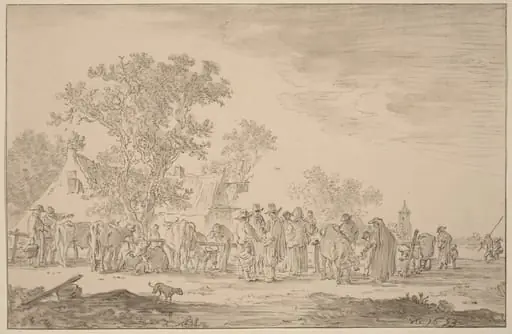 Cattle Market
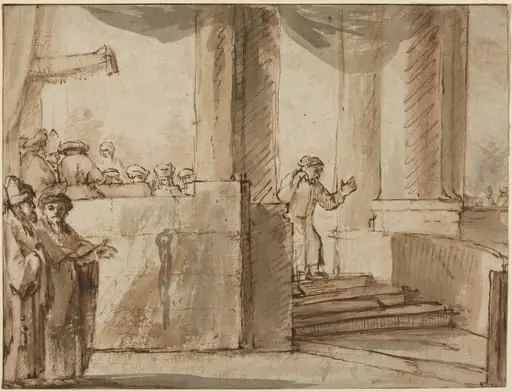 Judas Leaving the High Priest
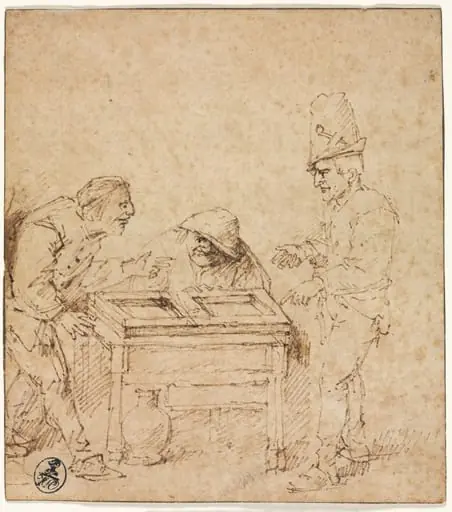 The Tric-Trac Players
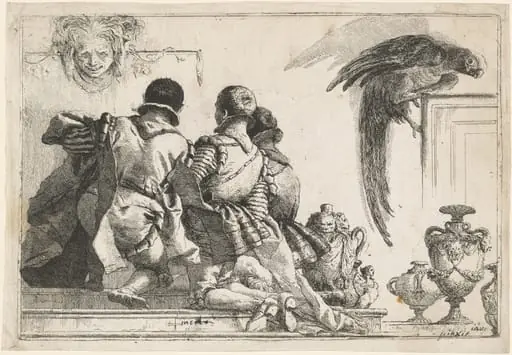 Kneeling Pages, a Mask, and a Parrot
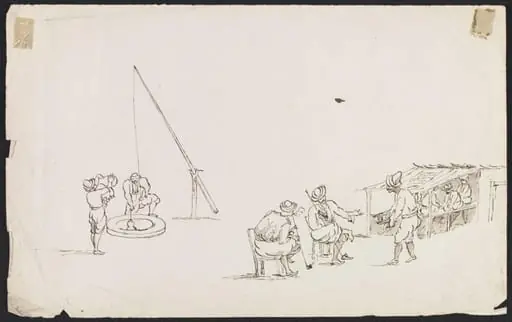 Wayside café, with men drawing water from a well, and others seated, smoking, being served with coffee
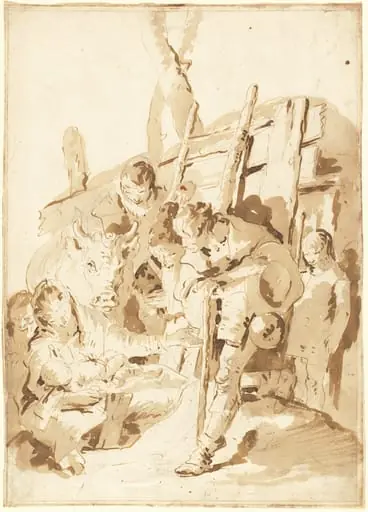 The Adoration of the Shepherds
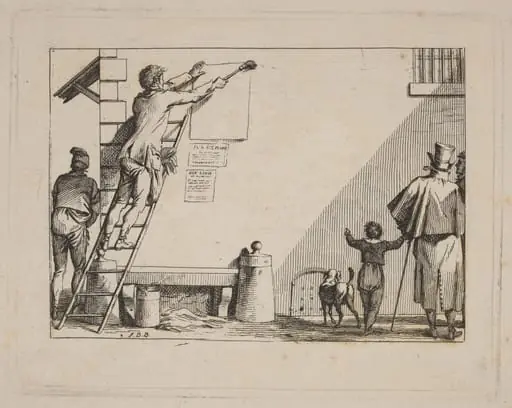 Colleur (Billposter)
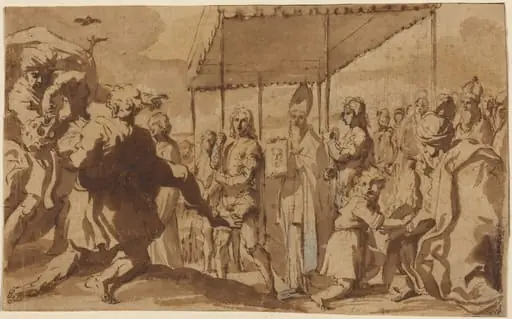 The Healing of the Possessed Boy in a Procession of the Volto Santo
 A Convivial Gathering with a Man Playing a Hurdy-Gurdy