Artwork
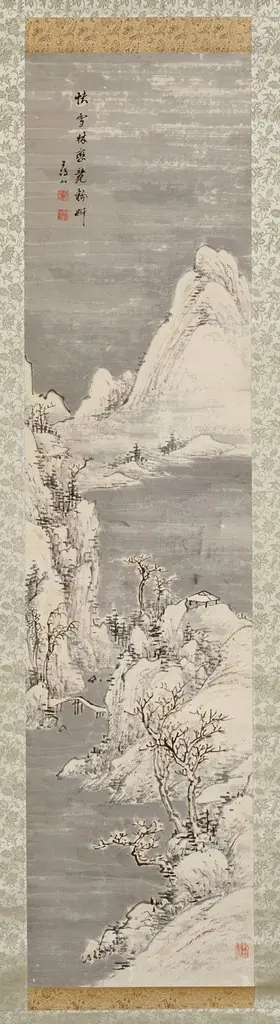
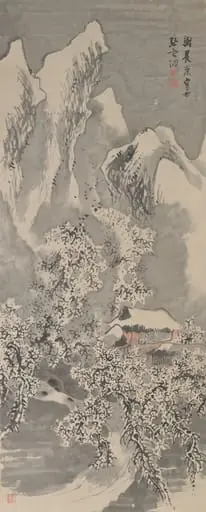
Plum Viewing at Tsukigase

Plum Viewing at Tsukigase is an unspecified painting by Okada Hankō. It dates from 1837 and is held in the collection of the Los Angeles County Museum of Art.
About this work
Overview
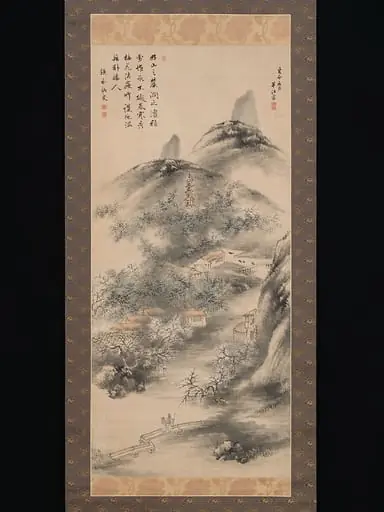
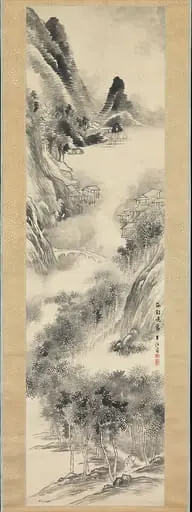
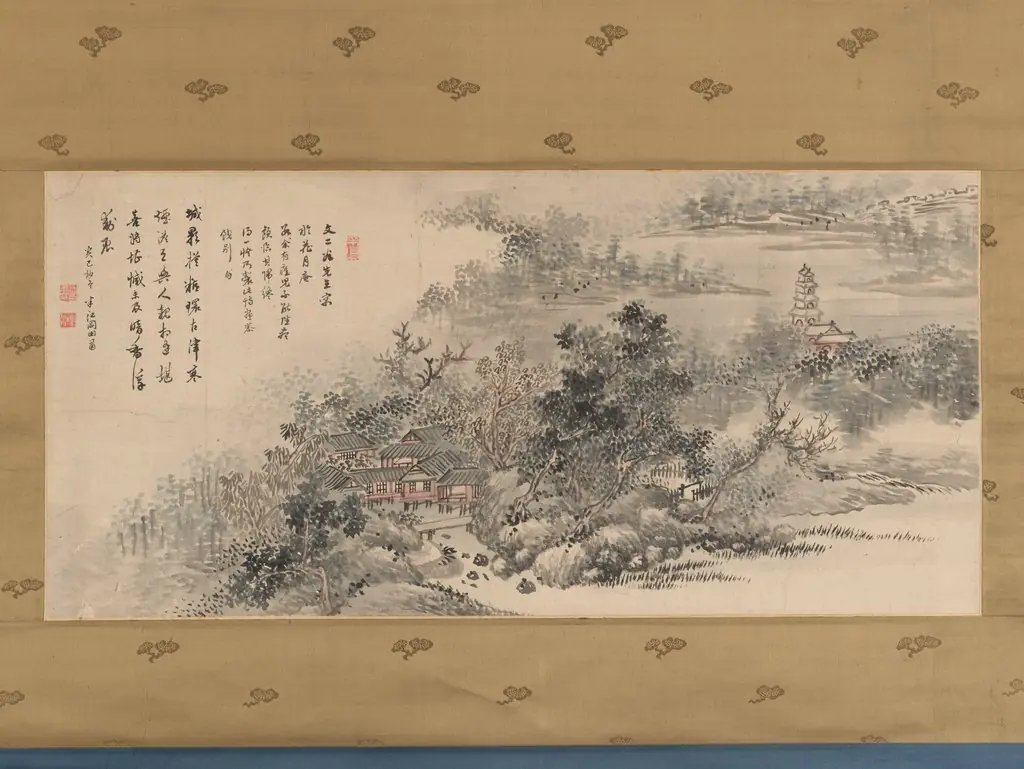
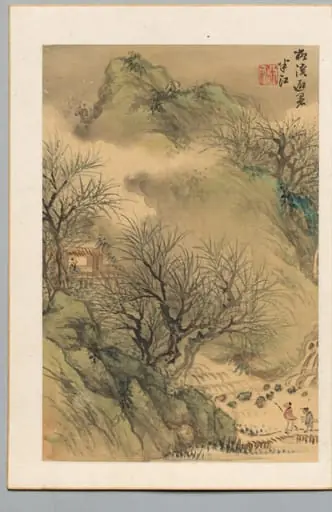
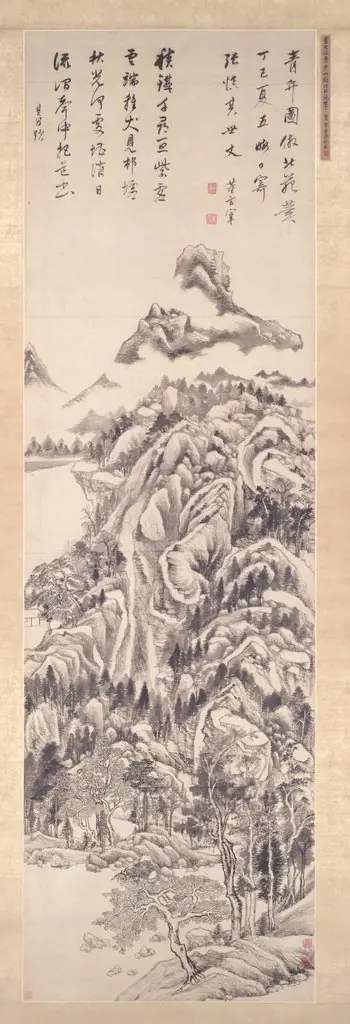
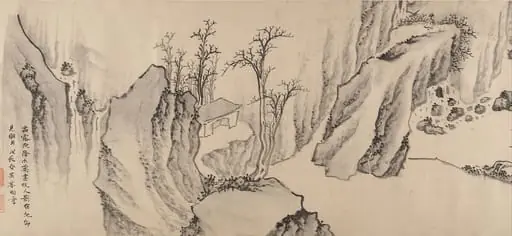
Created in 1837, *Plum Viewing at Tsukigase* is a hanging scroll by Okada Hankō, a Japanese painter of the late Edo period. Executed in the Nanga, or literati, tradition, the work now belongs to the Los Angeles County Museum of Art’s collection. It presents a quiet, monochromatic landscape that centers on a solitary plum tree.
Subject & Meaning
The composition portrays a lone plum tree set against a muted horizon, with a distant house nestled among further foliage. A narrow, winding path meanders toward the dwelling, suggesting a contemplative journey through nature. The restrained palette of gray, blue, and white reinforces a mood of calm reflection, typical of literati ideals that value solitude and poetic observation.
Technique & Style
This approach reflects the Nanga emphasis on brushwork and the influence of Chinese literati paintings that the artist accessed through imported works.
Hankō employs delicate, ink‑like brushstrokes to render the trees and underbrush, allowing the forms to emerge with subtle gradations of tone. The limited use of color—primarily soft blues and whites—highlights the atmospheric quality of the scene. This approach reflects the Nanga emphasis on brushwork and the influence of Chinese literati paintings that the artist accessed through imported works.
History & Provenance
Okada Hankō was the son of Okada Beisanjin, a prominent Nanga painter, placing him within the third generation of Japanese literati artists. This lineage granted him greater exposure to authentic Chinese models, which informed his own style. The scroll eventually entered the Los Angeles County Museum of Art, where it remains on display as part of their Asian art holdings.
Context
During the Edo era, the Nanga movement represented a scholarly pursuit of Chinese artistic principles, often practiced by amateur painters and poets. Hankō’s work exemplifies this cross‑cultural dialogue, merging Japanese sensibilities with Chinese brush techniques. The painting’s serene subject matter aligns with the period’s broader aesthetic of understated elegance and intellectual contemplation.
Artist & collection