Artwork
Summer Retreat
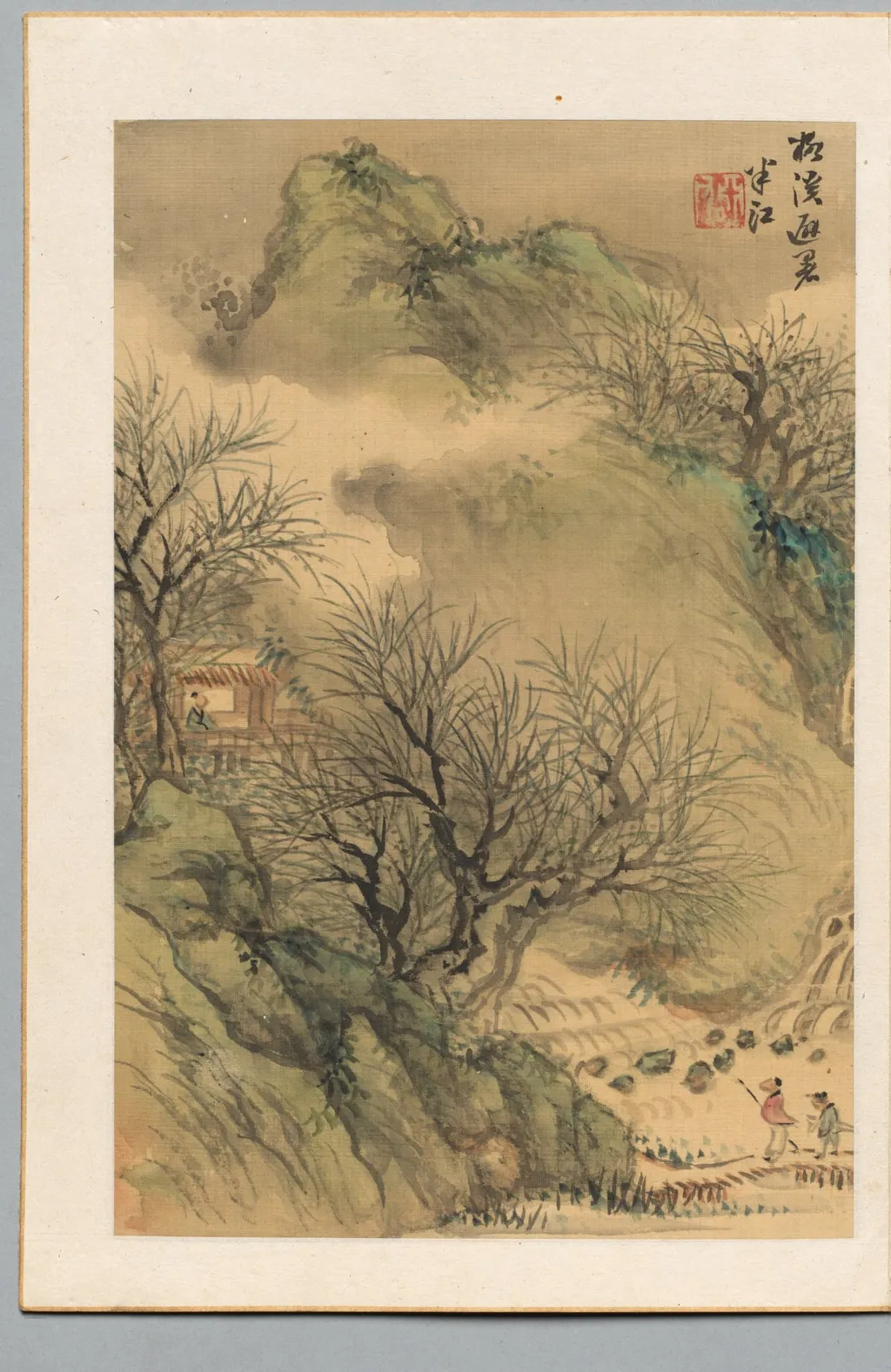
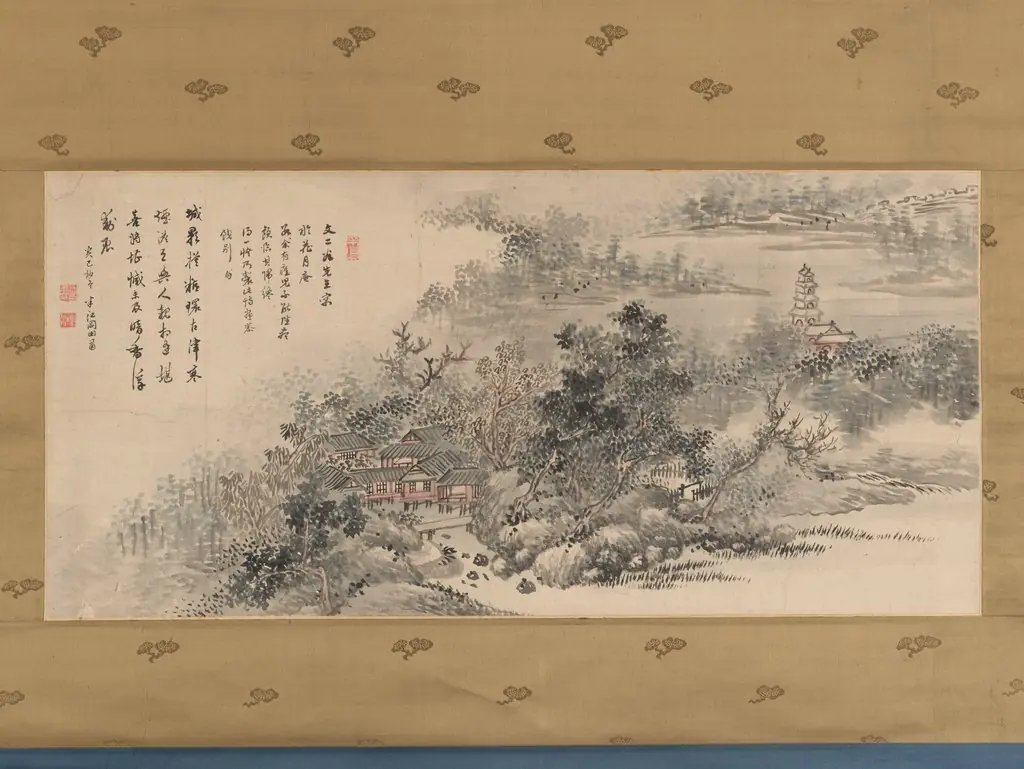
Summer Retreat is a work on paper by the Romanticist artist Okada Hankō. It dates from 1804 and is held in the collection of the Cleveland Museum of Art.
About this work
Overview
Summer Retreat, created around 1804 by Okada Hankō, is a landscape painting from a portfolio of works reflecting Edo-period Japanese aesthetics.
Summer Retreat, created around 1804 by Okada Hankō, is a landscape painting from a portfolio of works reflecting Edo-period Japanese aesthetics. It depicts a tranquil mountain setting with minimal human presence, emphasizing harmony between nature and quiet contemplation. The piece is part of The Cleveland Museum of Art’s collection, where it is preserved as an example of literati-inspired ink painting from early 19th-century Japan.
Subject & Meaning
The scene centers on a secluded wooden pavilion perched on a hillside, accessible by a winding path leading to a river where two figures stand. Their small scale underscores the vastness of the natural world, a common theme in East Asian landscape traditions. The imagery suggests a retreat from worldly concerns, inviting reflection rather than narrative. The muted palette and sparse figures evoke solitude and the passage of time.
Technique & Style
Okada Hankō employed loose, expressive brushwork to suggest texture and motion—trees sway with ink washes, clouds drift in soft gradients. The composition avoids rigid perspective, favoring layered planes of mist and rock to create depth. Earth tones dominate, with a single red sleeve introducing subtle contrast. The technique aligns with literati painting ideals, valuing spontaneity and personal expression over detailed realism.
History & Provenance
Created during the late Edo period, Summer Retreat was likely part of a private collection before entering institutional hands. It was acquired by The Cleveland Museum of Art in the 20th century as part of its growing collection of East Asian art. Its journey from a personal portfolio to public display reflects broader Western interest in Japanese ink painting during the modern era.
Context
Okada Hankō worked within the literati tradition, influenced by Chinese Song and Yuan dynasty painters and Japanese scholarly circles. His work emerged during a time when urban elites sought cultural retreats in nature, both literal and artistic. Unlike commercial ukiyo-e prints, such paintings were made for intimate viewing, valued for their poetic resonance and technical restraint.
Legacy
Summer Retreat exemplifies how Japanese artists adapted Chinese aesthetic principles into distinct regional forms. Though not widely known outside specialist circles, Hankō’s work contributes to understanding the diversity of Edo-period painting beyond popular genres. Its preservation in a major Western museum ensures continued scholarly attention to understudied literati traditions.
Artist & collection


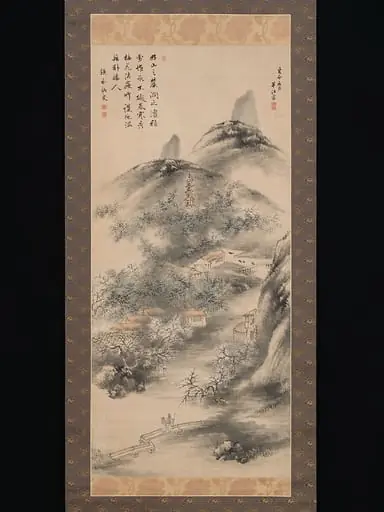

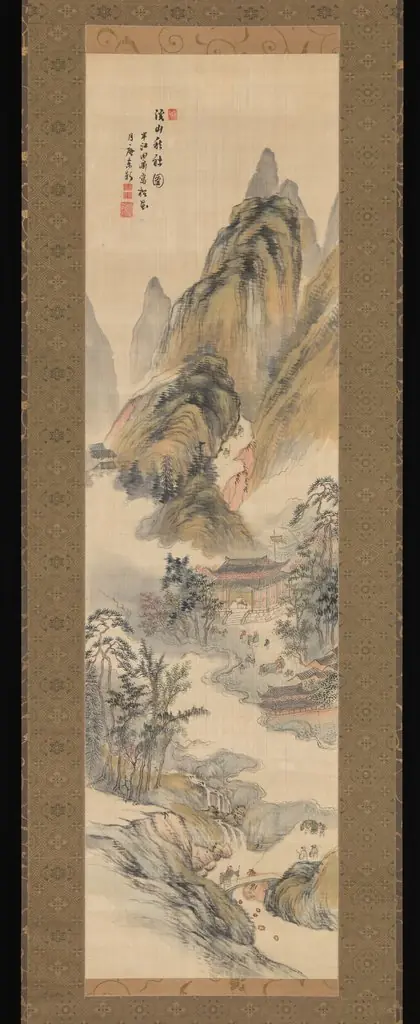
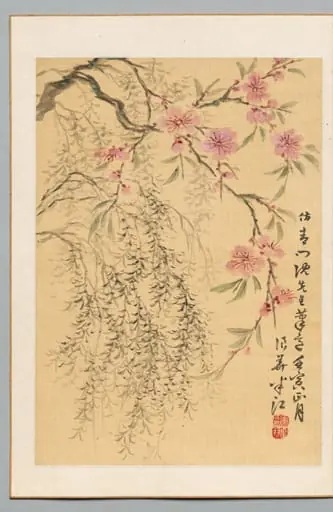
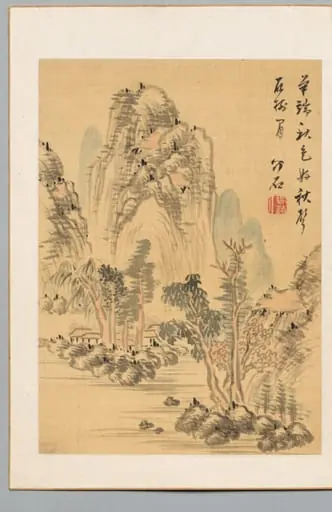 Colors and Sound of Autumn
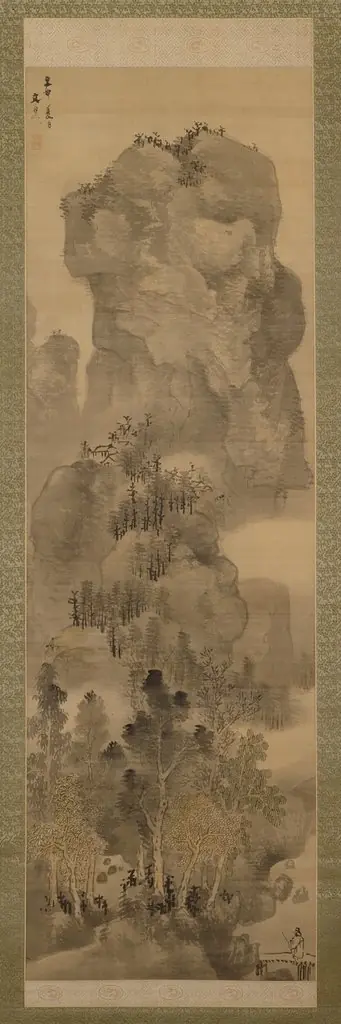 Summer Landscape
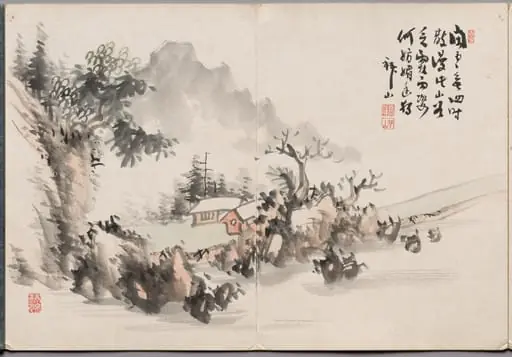 Painting Six from Album of Paintings by Haizan
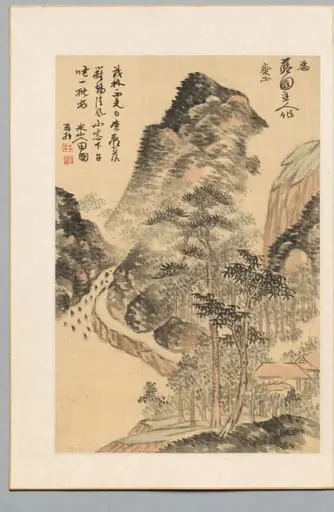 Short Nap on a Long Summer Day
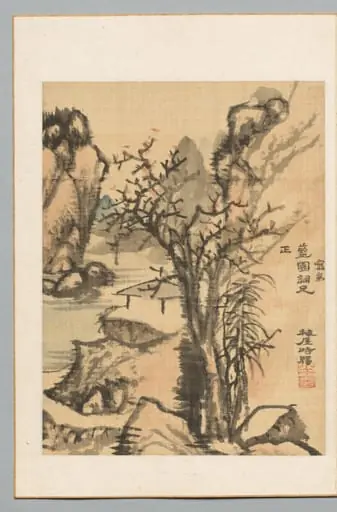 Landscape
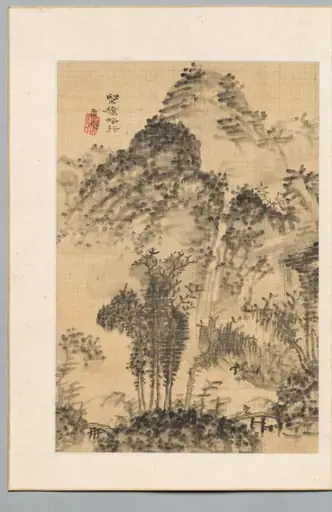 Wild Bridge, Poet's Walk
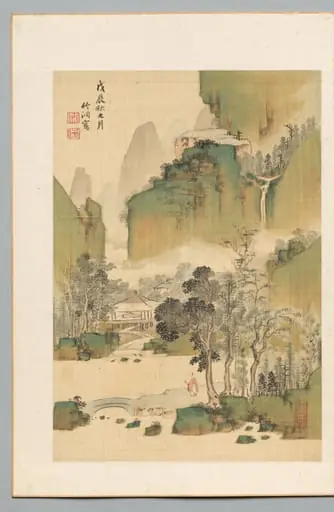 Landscape
 Landscape in the Style of Ching Hao
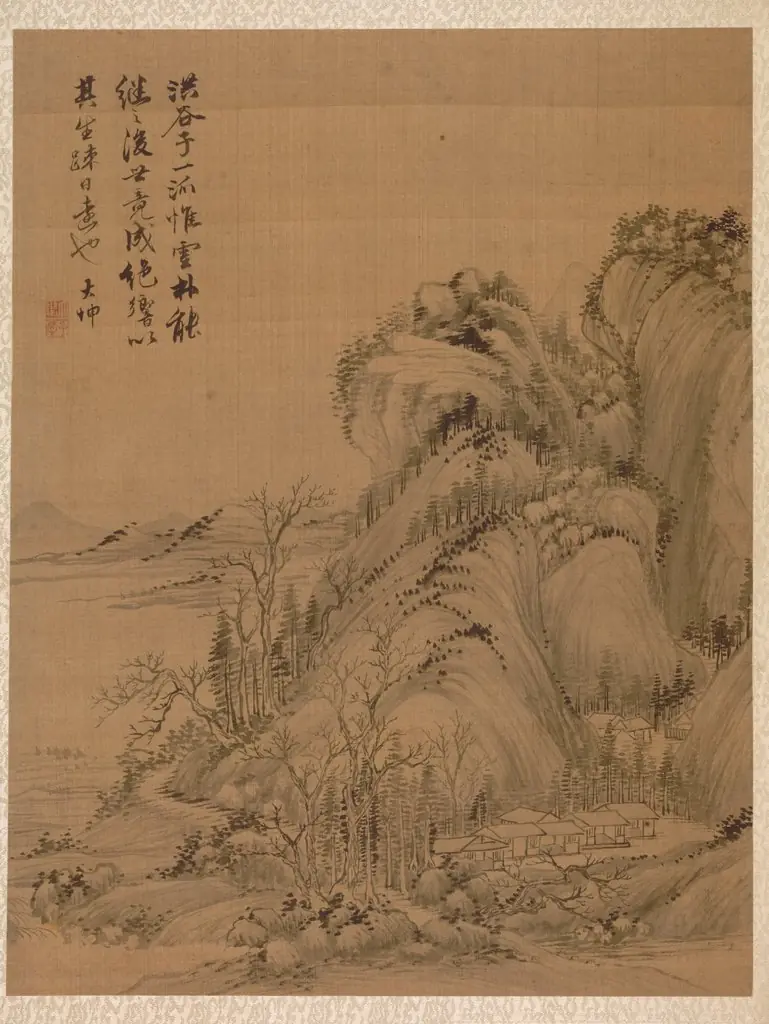 Landscape in the Style of Ching Hao
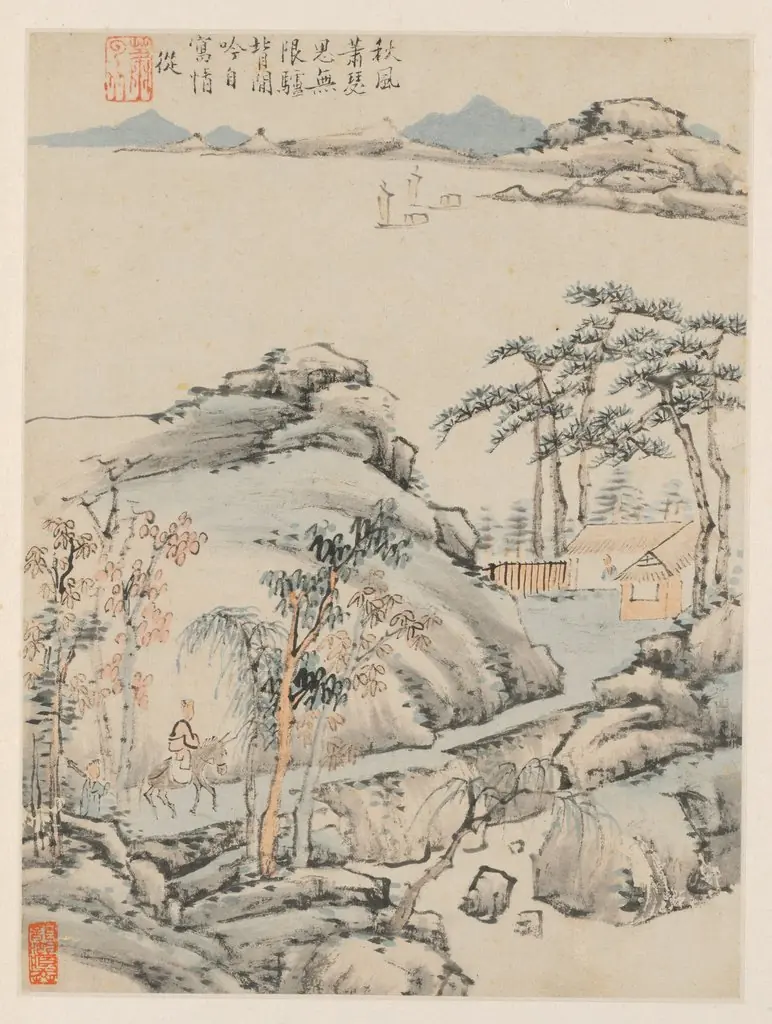 Album of Seasonal Landscapes, Leaf F (previous leaf 5)
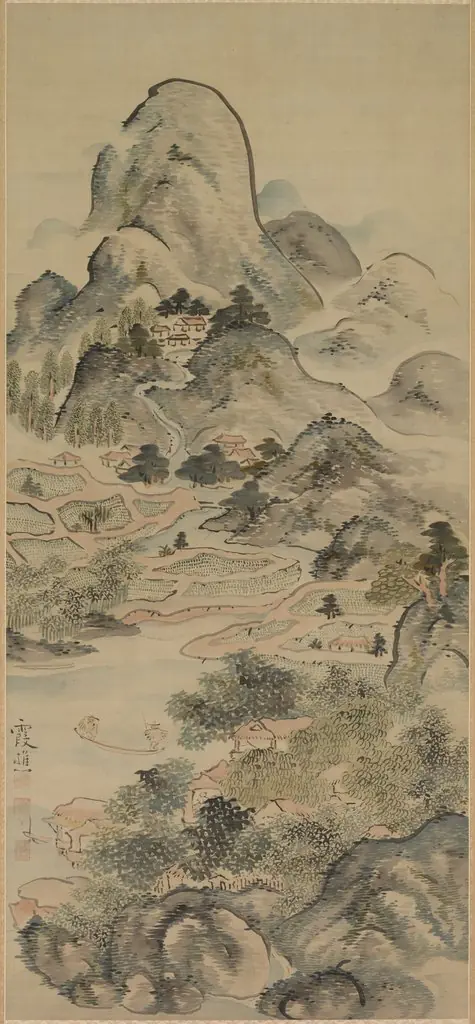 Fishing in Springtime
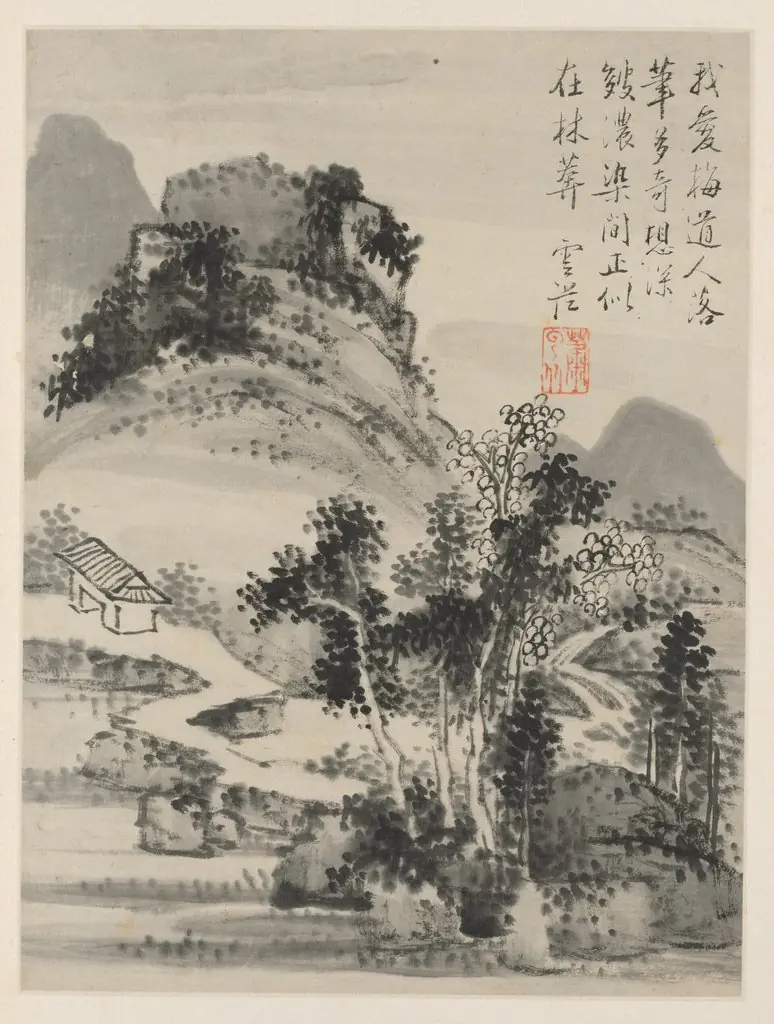 Album of Seasonal Landscapes, Leaf D (previous leaf 2)