Artwork
Peach Blossoms and Willows
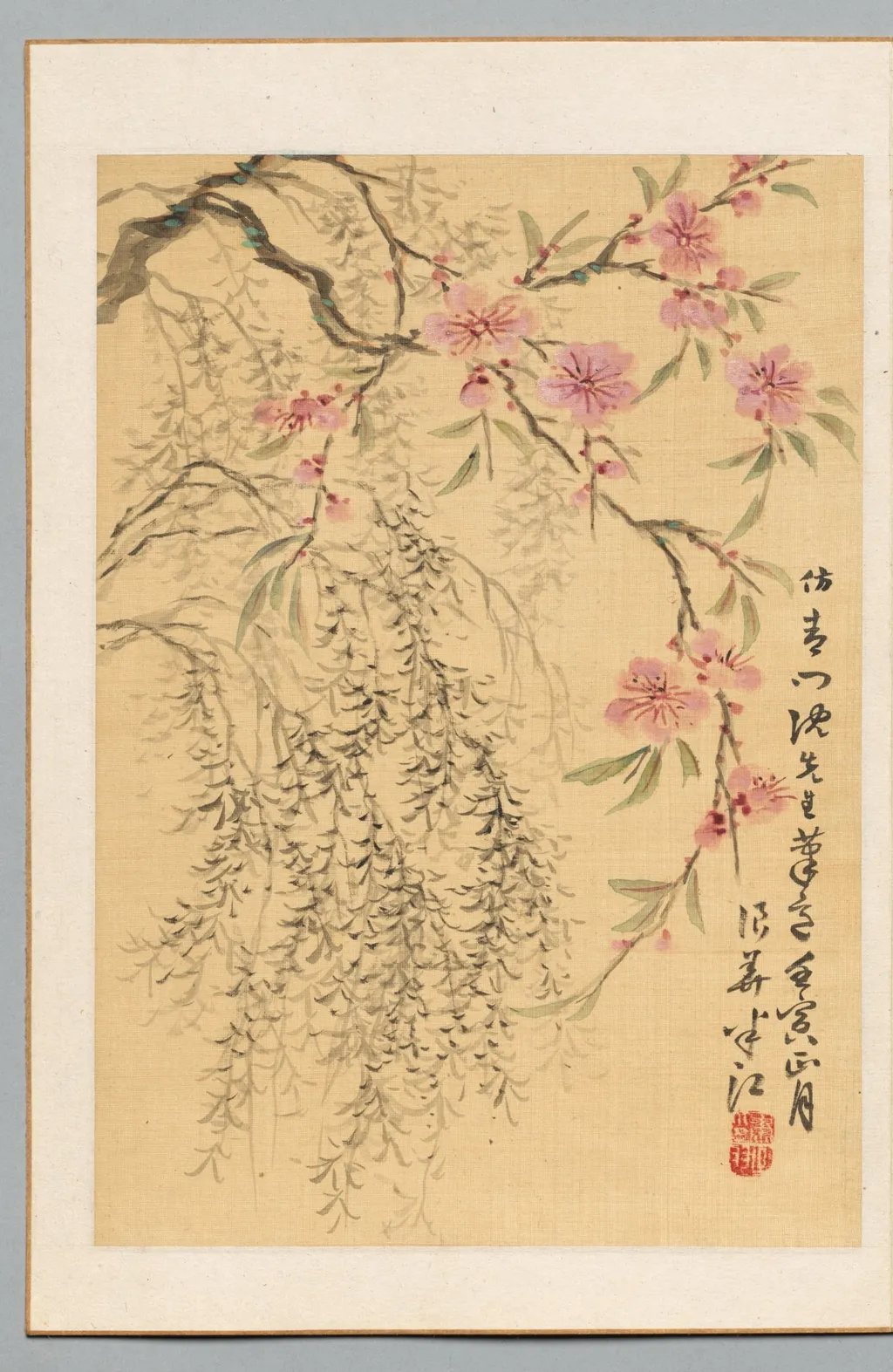
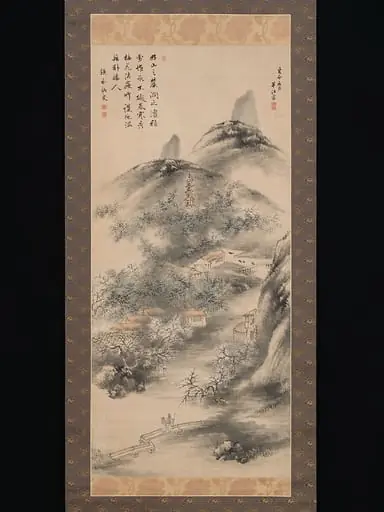
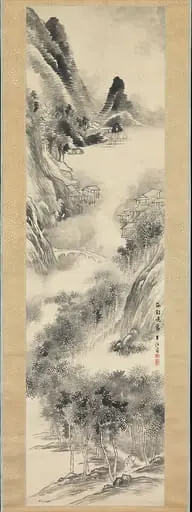
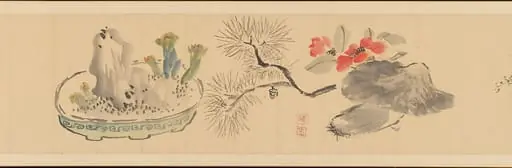
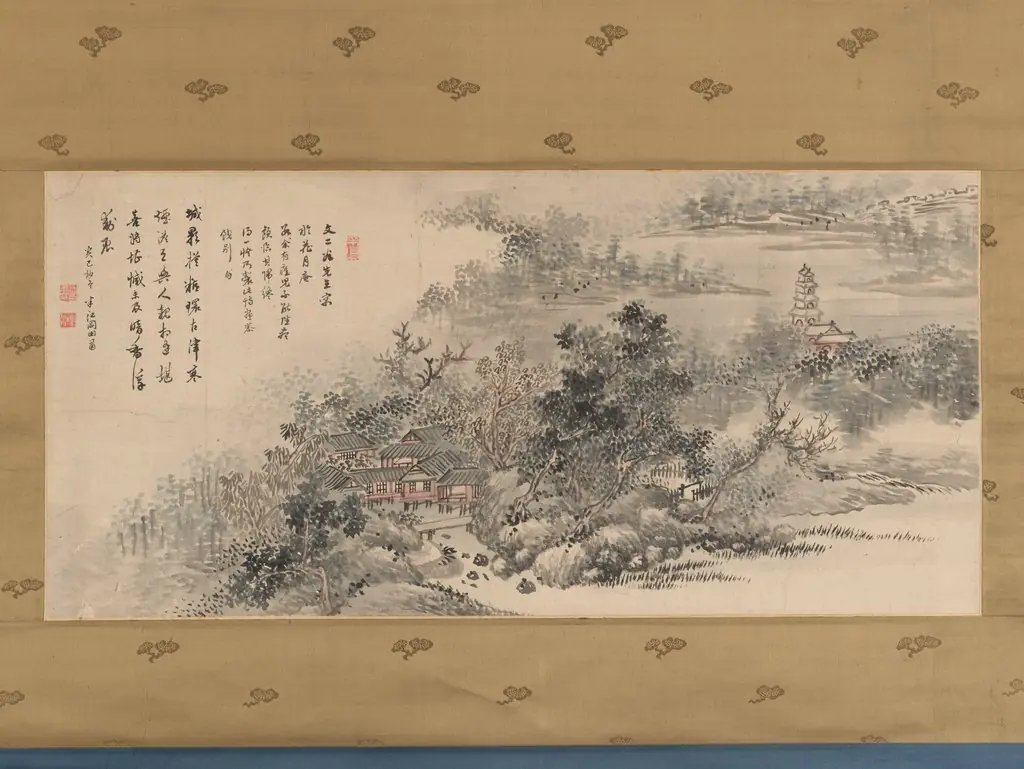
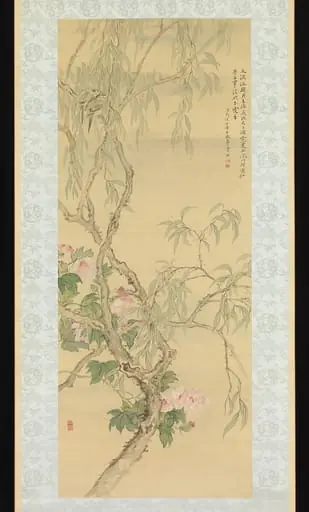
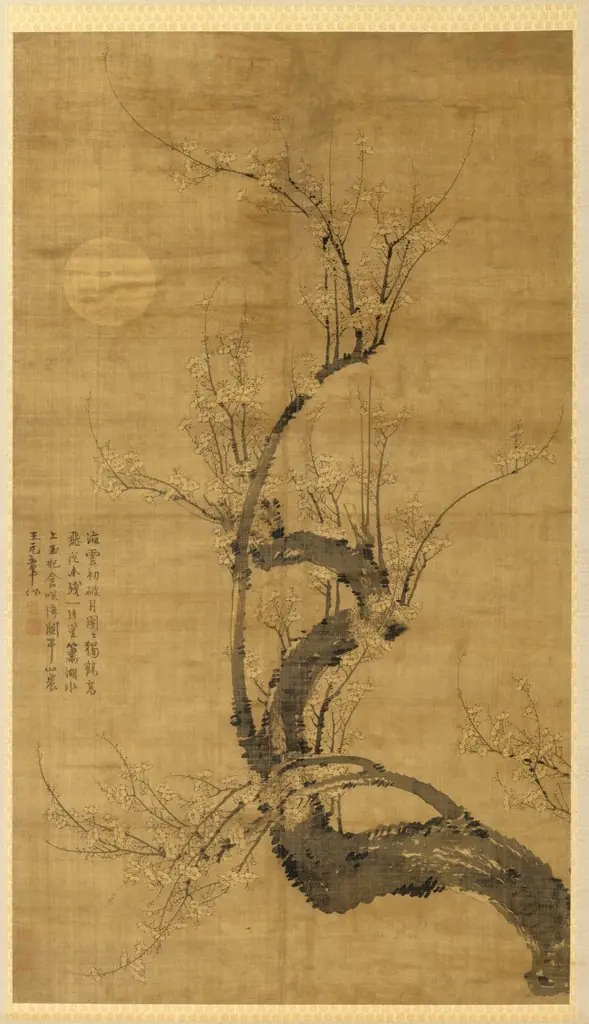
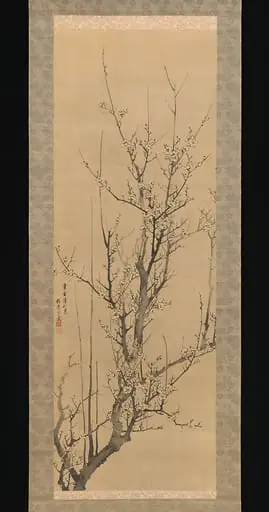
Peach Blossoms and Willows is a work on paper by the Romanticist artist Okada Hankō. It dates from 1842 and is held in the collection of the Cleveland Museum of Art.
About this work
Overview
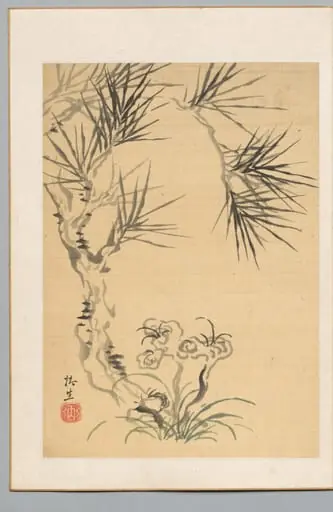
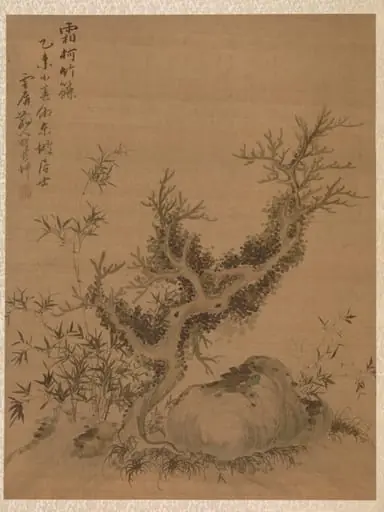
Created in 1842 by Okada Hankō, this ink-and-color painting is part of a portfolio depicting seasonal landscapes. It belongs to the Japanese Nanga tradition, which drew inspiration from Chinese literati painting. The work is held in the collection of The Cleveland Museum of Art, where it is valued for its quiet elegance and refined composition.
Subject & Meaning
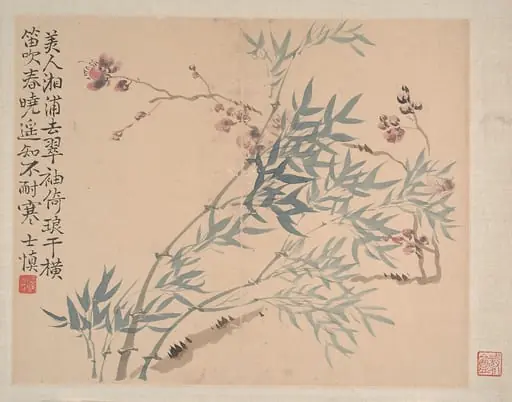
The painting portrays peach blossoms and weeping willows in early spring, symbols of transience and renewal in East Asian aesthetics. The interplay of delicate pink blooms and slender green foliage evokes a moment of seasonal transition, not as a grand spectacle but as a subtle, contemplative observation of nature’s quiet cycles.
Technique & Style
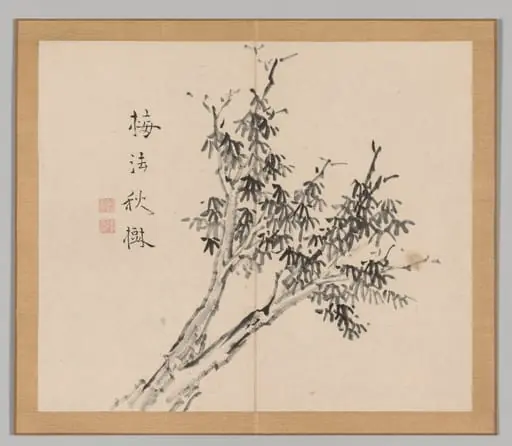
Hankō employed soft washes of ink and translucent color, with fine, fluid brushwork to suggest the movement of branches and the fragility of petals. The composition avoids sharp outlines, favoring atmospheric blending and asymmetrical balance. This restrained approach reflects literati ideals of spontaneity and emotional restraint over decorative flourish.
History & Provenance
The work was produced during Hankō’s mature period, when he was active in the Kansai region and engaged with scholarly painting circles. It entered the Cleveland Museum of Art’s collection in the 20th century as part of a broader acquisition of Japanese Nanga works, though its earlier ownership history remains undocumented.
Context
In early 19th-century Japan, Nanga artists like Hankō sought to express personal reflection through nature, distancing themselves from commercial studio practices. This piece aligns with a broader revival of Chinese-inspired aesthetics among educated elites, who valued poetic sensitivity over technical display in their artistic pursuits.
Legacy
Okada Hankō’s work contributed to the preservation of literati painting traditions during a time of increasing Western influence in Japan. While not widely known outside specialist circles, his restrained style continues to inform modern appreciation of Japanese ink painting as a medium for introspective observation rather than overt expression.
Artist & collection