Artwork
Saint John the Baptist
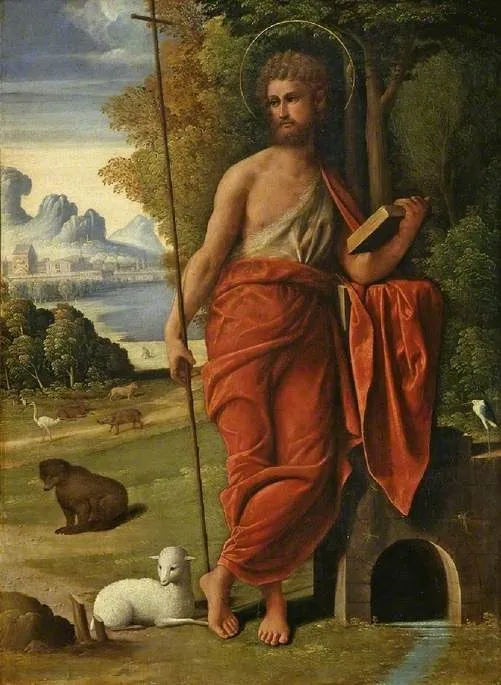
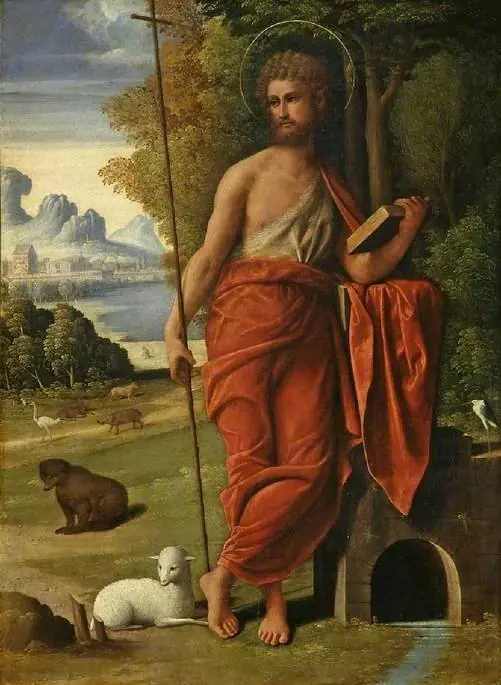
Saint John the Baptist is an oil painting by Ortolano. It dates from 1525 and is held in the collection of the Fitzwilliam Museum.
About this work
Overview
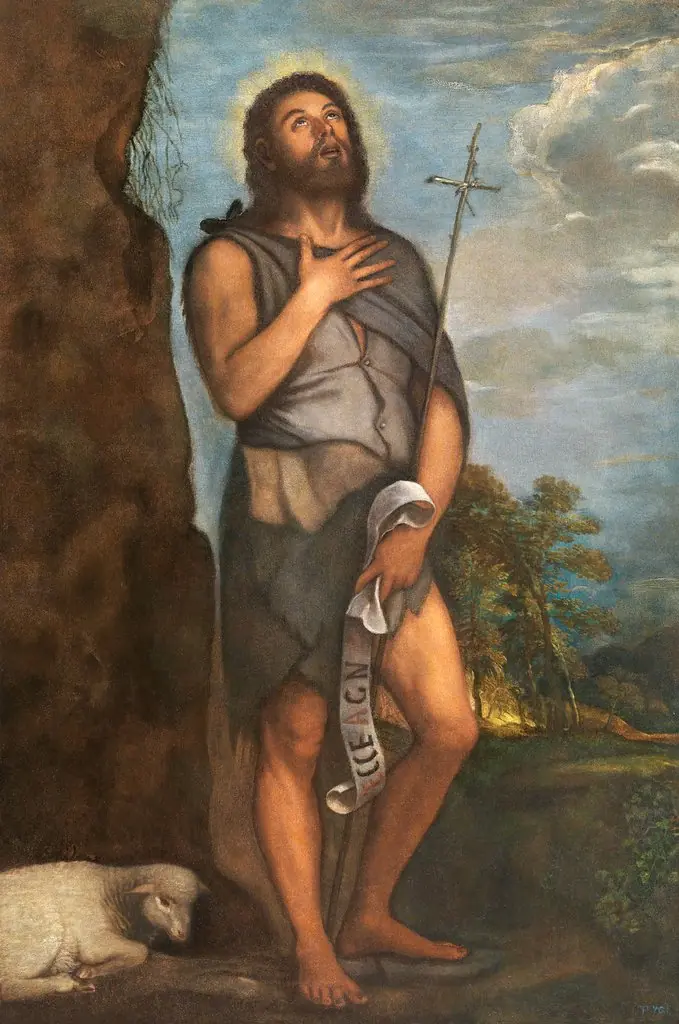
Painted around 1525 by the Italian artist Ortolano, this oil-on-panel work portrays Saint John the Baptist in a tranquil natural setting.
Painted around 1525 by the Italian artist Ortolano, this oil-on-panel work portrays Saint John the Baptist in a tranquil natural setting. Belonging to the Ferrara School, the painting reflects regional Renaissance styles with attention to landscape and quiet devotion. It is currently held in the Fitzwilliam Museum’s collection, where it represents early 16th-century religious art from northern Italy.
Subject & Meaning
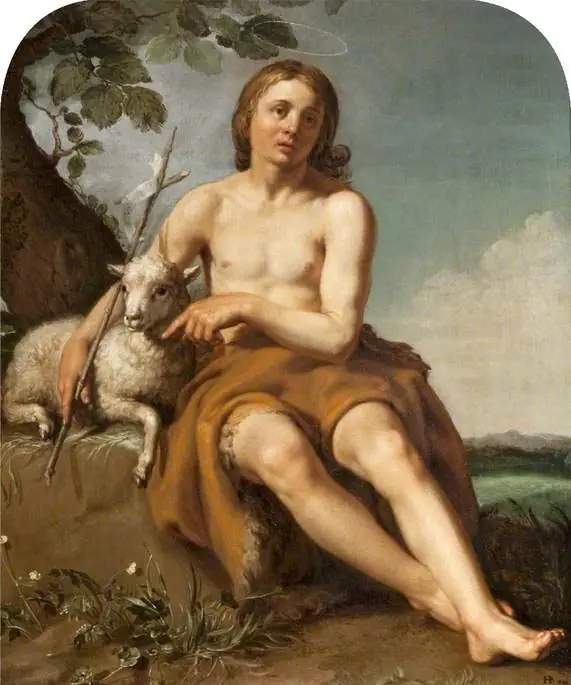
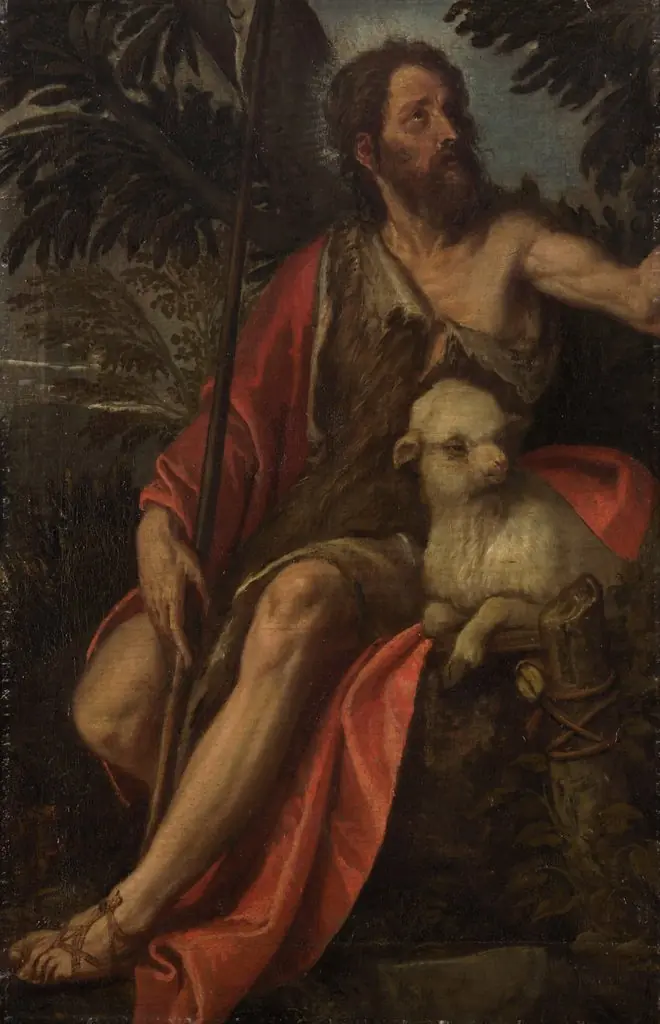
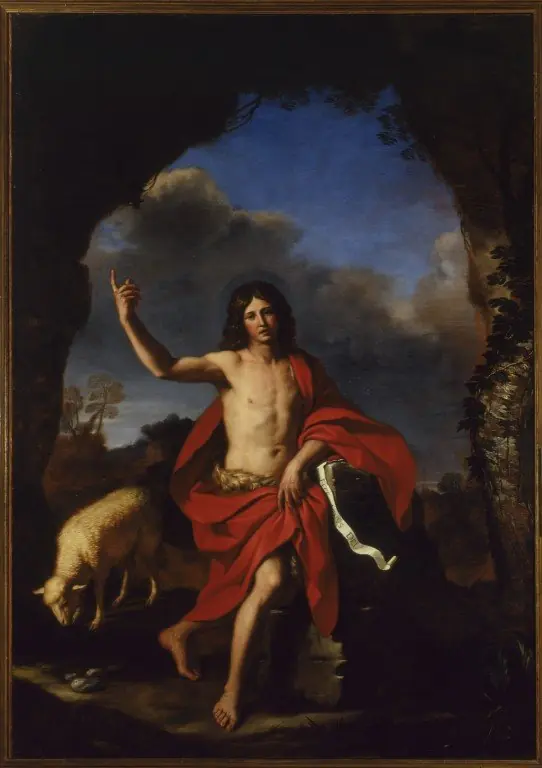
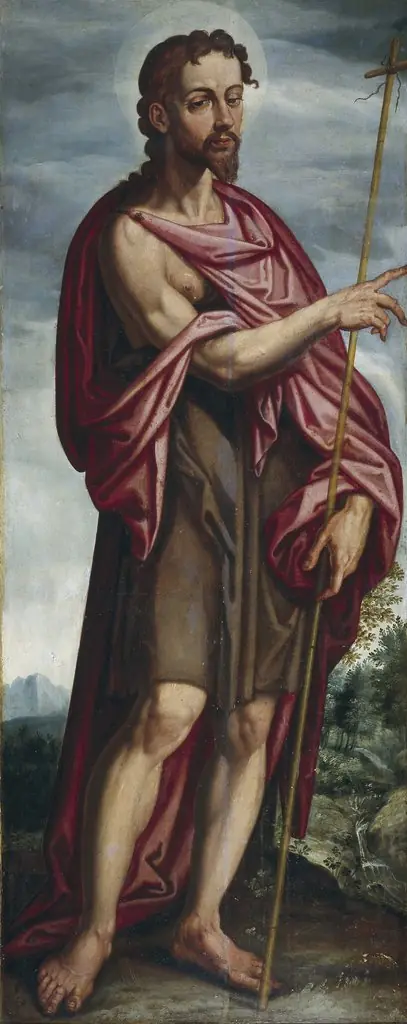
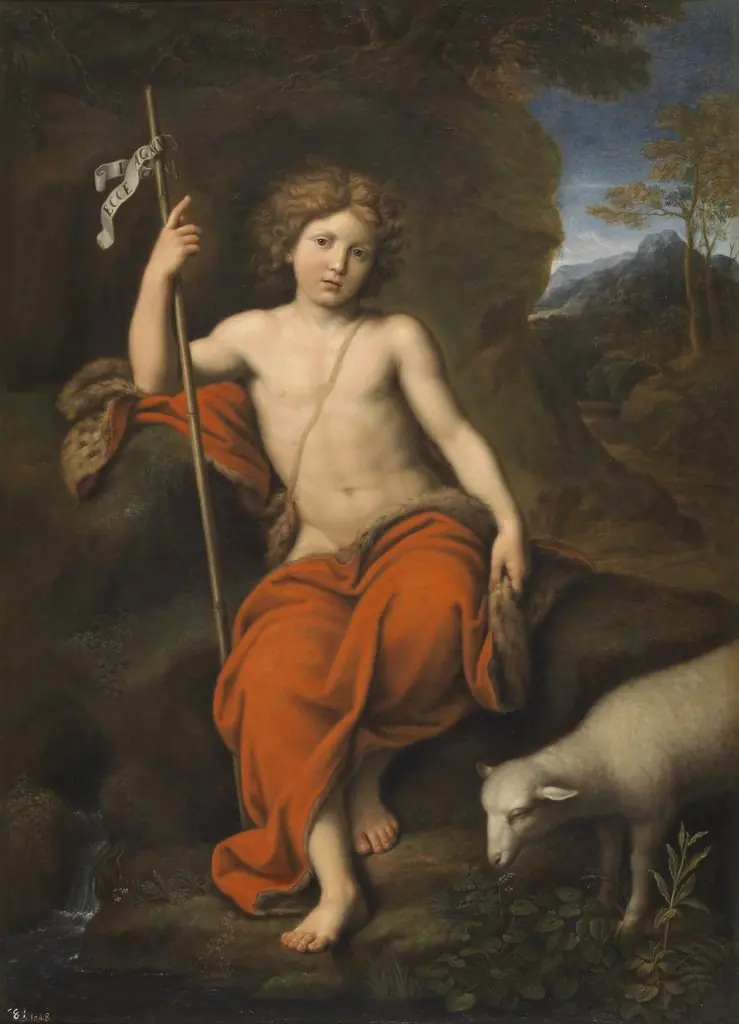
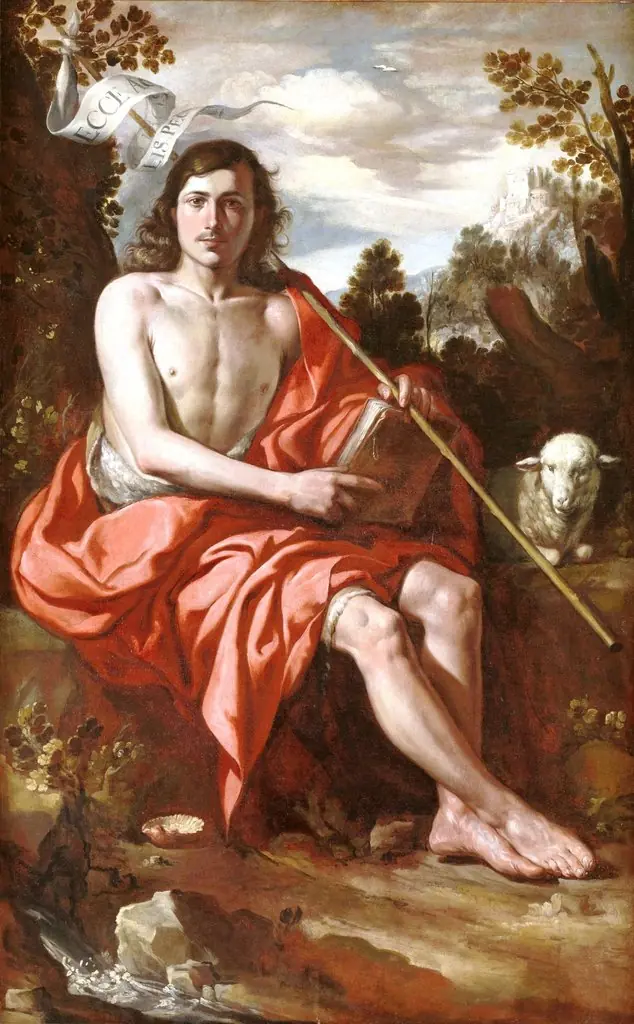
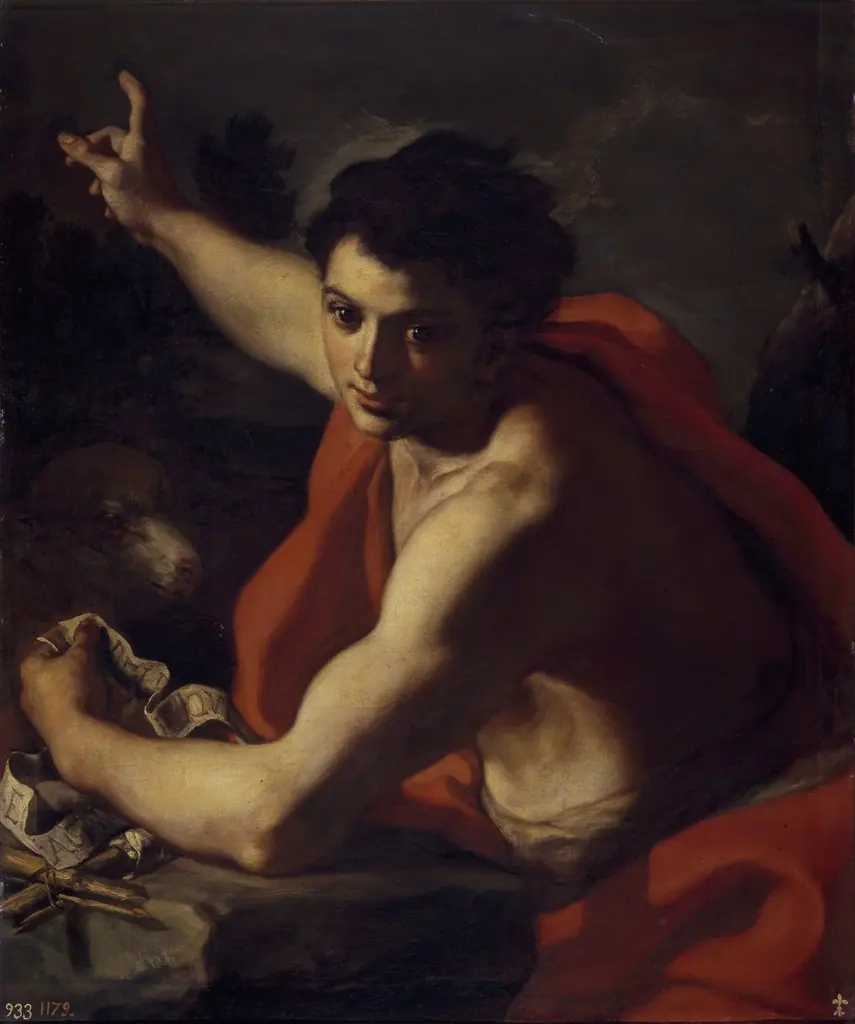
The figure is identified as John the Baptist through his halo, ascetic attire, and symbolic attributes: a staff, a book, and the presence of a sheep. These elements reference his role as a prophet who prepared the way for Christ and his association with wilderness and sacrifice. The sheep, often linked to Christ as the Lamb of God, and the calm dog suggest harmony between the sacred and the natural world.
Technique & Style
Ortolano employed oil paint to achieve subtle gradations of light and texture, particularly in the fabric of the robe and the foliage of the landscape. The composition is balanced, with the figure centered against a receding backdrop of trees, river, and distant mountains. Brushwork is precise but not overly ornate, favoring clarity and atmospheric depth over dramatic intensity.
History & Provenance
The painting’s early history is undocumented, but it entered the Fitzwilliam Museum’s collection in the 19th century. Ortolano, active in Ferrara between the late 15th and early 16th centuries, produced religious works for local patrons. This piece aligns with the devotional art typical of Ferrara’s artistic circles during the High Renaissance, though few of his works survive with clear provenance.
Context
Created during a period when Ferrara was a center of humanist learning and artistic patronage, the painting reflects the region’s blend of classical ideals and spiritual themes. While larger cities like Venice or Florence pursued more dramatic styles, Ferrarese artists like Ortolano favored introspective, landscape-integrated religious imagery suited to private contemplation.
Legacy
Ortolano’s work, including this depiction of Saint John, contributes to understanding the diversity of Renaissance art beyond major urban centers. Though not widely known today, his paintings illustrate how regional workshops sustained devotional traditions through quiet, detailed compositions. This piece remains a representative example of northern Italian religious painting from the early 1500s.
Artist & collection
Artist
Ortolano was an Italian painter of the Ferrara School, active in the Renaissance period. Ticozzi cites his birth as ca. 1480.