Artwork
Village Kermesse with Peasants Feasting Under a Pergola
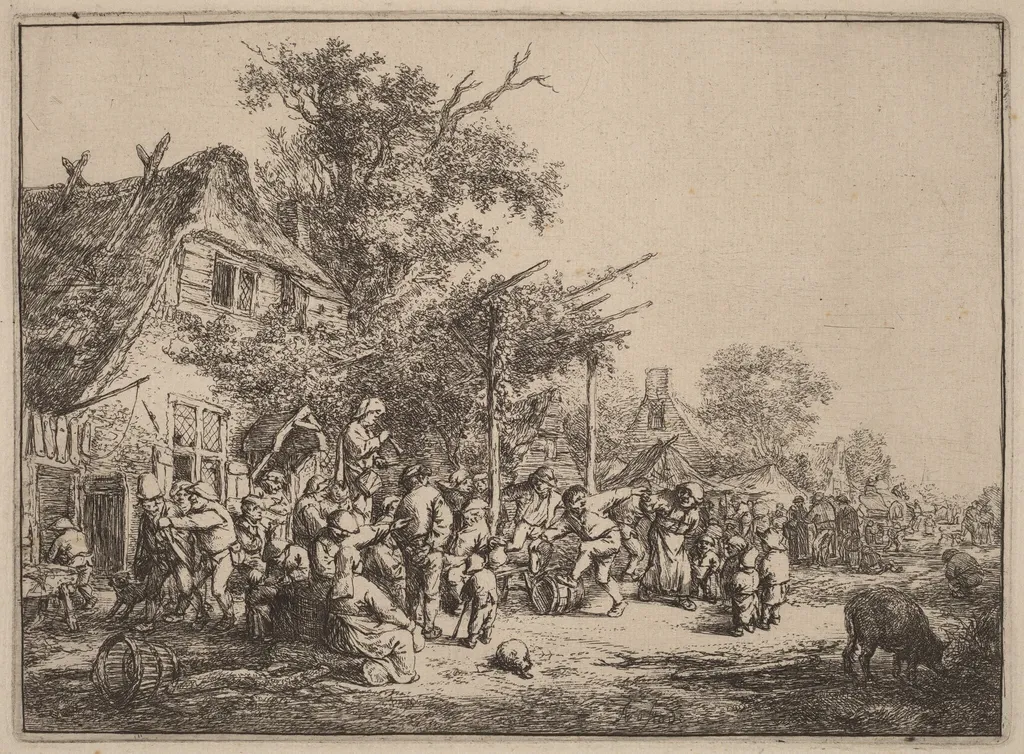
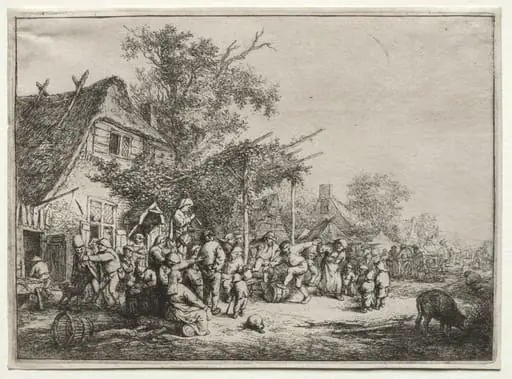
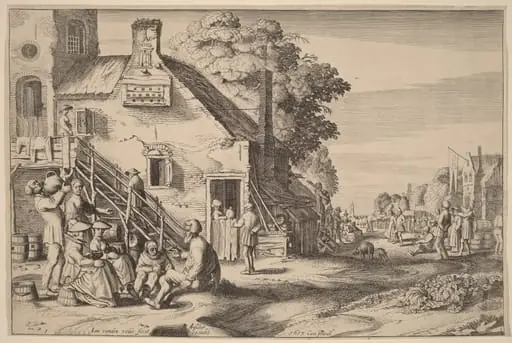
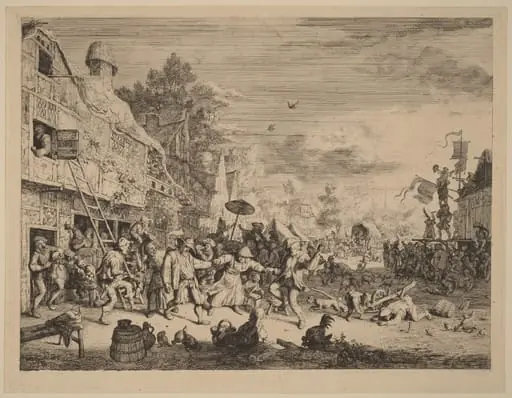
Village Kermesse with Peasants Feasting Under a Pergola is an ink print by the Baroque artist Adriaen van Ostade. It dates from 1652 and is held in the collection of the National Gallery of Art.
About this work
Overview
Created around 1652, this print by Adriaen van Ostade captures a rural festival in the Dutch countryside. Executed in etching with drypoint accents on laid paper, it belongs to a body of work centered on the daily lives of peasants. Unlike grand historical or religious subjects, Ostade focused on unidealized moments of communal joy, rendered with quiet attention to gesture and atmosphere.
Subject & Meaning
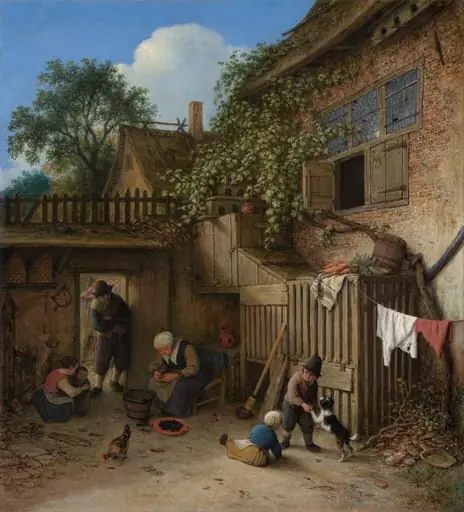
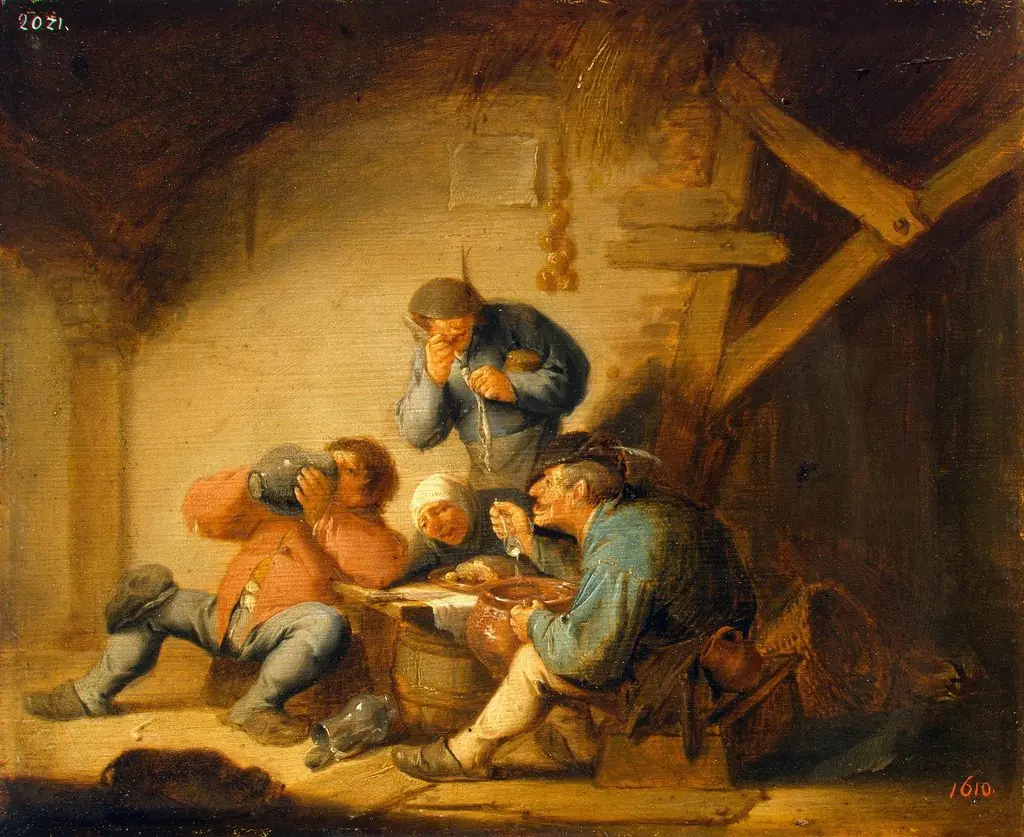
The figures’ relaxed postures and unpolished attire reflect Ostade’s interest in authentic, unvarnished rural life.
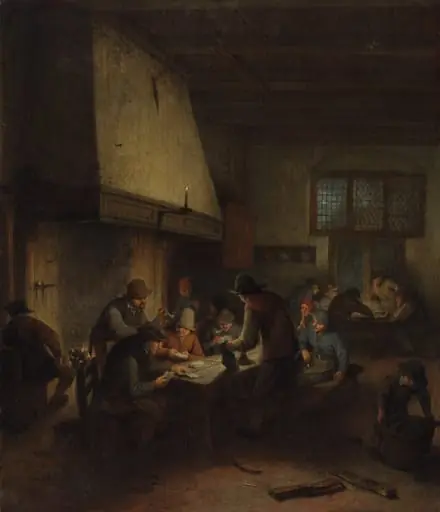
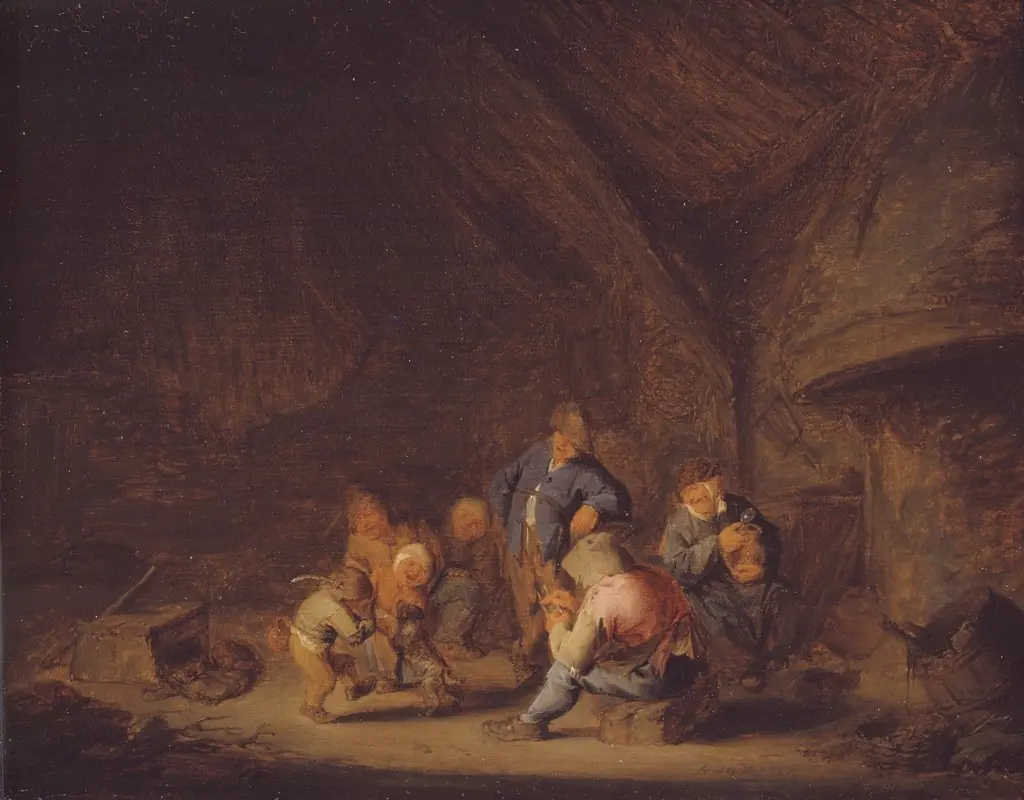
The scene portrays a kermesse, a traditional village fair tied to church feast days. Peasants of all ages gather beneath a leafy pergola, sharing food, drink, and conversation. There is no overt moralizing; instead, the image conveys a sense of communal harmony and fleeting celebration. The figures’ relaxed postures and unpolished attire reflect Ostade’s interest in authentic, unvarnished rural life.
Technique & Style
Ostade employed etching to define the composition’s structure, then enhanced it with drypoint to deepen shadows and texture. The rough, expressive lines of drypoint give weight to clothing, foliage, and facial features, while the etched outlines guide the viewer’s eye through the crowded space. Subtle contrasts of light and dark suggest the dappled shade beneath the pergola, adding spatial depth without theatricality.
History & Provenance
Ostade, baptized Adriaen Jansz Hendricx, was active in Haarlem during the mid-17th century and produced hundreds of prints alongside his paintings. This etching was likely made for a domestic market, appealing to urban collectors drawn to rustic themes. Its survival in multiple impressions suggests it was widely circulated, though specific early ownership records remain undocumented.
Context
In 17th-century Holland, genre scenes flourished as civic pride and Protestant values shifted artistic focus from religious narratives to everyday life. Ostade’s work aligned with a broader trend among Dutch artists to depict peasants not as caricatures but as participants in a recognizable social world. The kermesse, a sanctioned seasonal event, offered a permissible space for communal revelry within a disciplined society.
Legacy
Ostade’s prints helped define the visual language of Dutch peasant genre scenes for later artists. His restrained realism and sensitivity to social nuance influenced generations of printmakers. While less celebrated than contemporaries like Rembrandt, his work remains a vital record of rural life in the Dutch Golden Age, valued for its quiet humanity rather than its spectacle.
Artist & collection
Artist
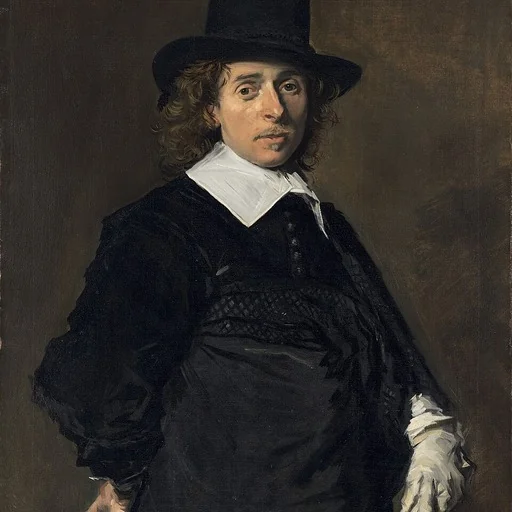
Adriaen van Ostade (baptized as Adriaen Jansz Hendricx 10 December 1610 – buried 2 May 1685) was a Dutch Golden Age painter of genre works, showing the everyday life of ordinary men and women.